Caitlin Jensen, 28, walked into a Georgia chiropractor in June 2022. She came out with four dissected arteries, a stroke, cardiac arrest, and a traumatic brain injury. It took her nine months to say "Mom" again.
She had come in for lower back pain.
Your brain runs on four arteries. Two carotids in front, two vertebrals in back. The vertebrals don't run free. They thread up through narrow bone tunnels inside each cervical vertebra, C6 to C1, then loop around the top vertebra in a tight horizontal curve called the V3 segment.
When a chiropractor performs a high-velocity rotational thrust on the upper neck, V3 gets stretched and snapped against bone. The inner artery wall tears. Blood seeps between the layers. A flap forms. Flow blocks, or clots break off and travel to the brainstem.
In Caitlin's case all four vessels tore. Paramedics worked 12 minutes restoring her pulse. Surgeons placed a stent in one artery and repaired what they could in the rest. The brain injury came from the bleed that followed the stroke that followed the dissection.
One in 20,000 spinal manipulations triggers this. Arterial dissection causes 2% of strokes overall but 8 to 25% of strokes in patients under 45. In 55% of cases symptoms start within 12 hours of the adjustment. No screening test identifies who's at risk beforehand.
The American Chiropractic Association's own spokesman told the New York Times patients should get vascular scans before neck manipulation. Almost none do. Informed consent matching a surgical risk disclosure isn't standard. The average victim is 40.
Caitlin's back pain lived four vertebrae below the artery the thrust tore.
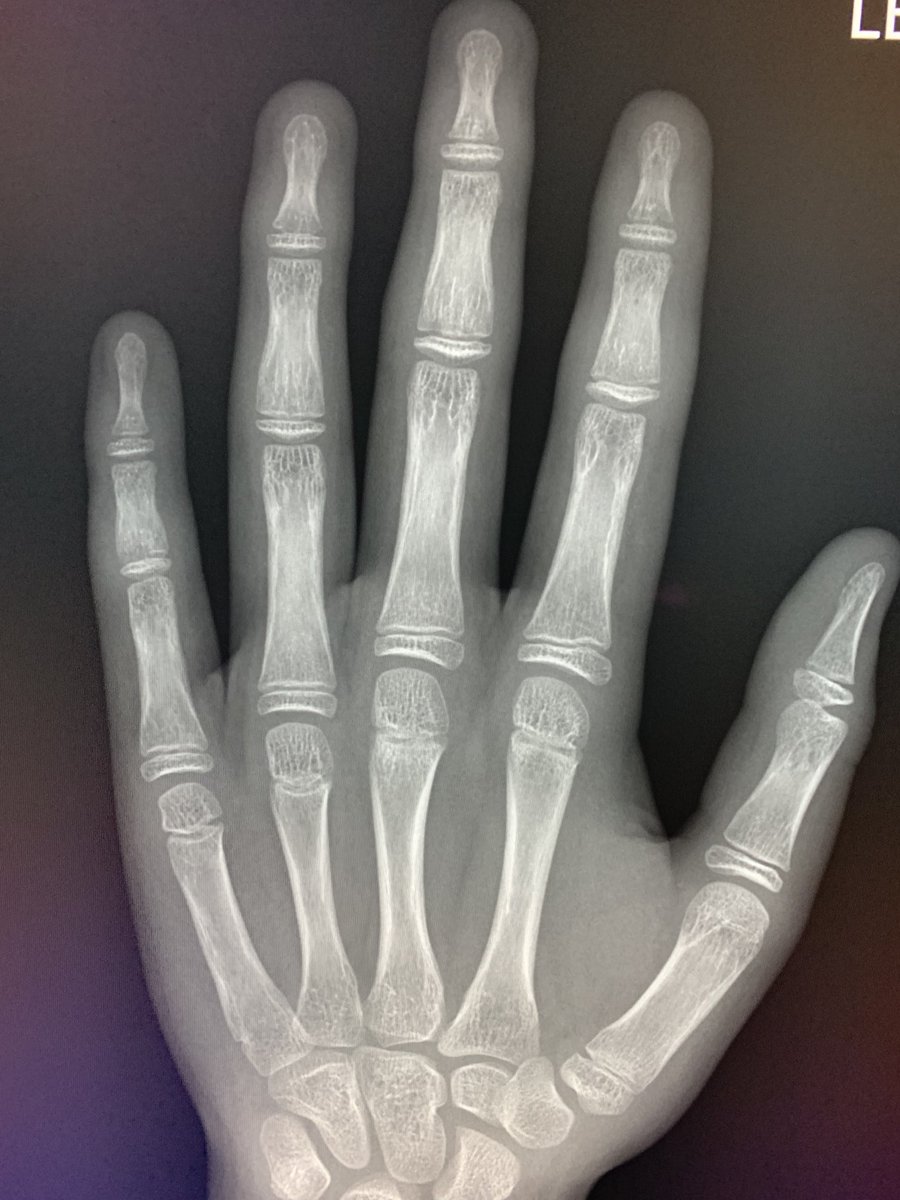
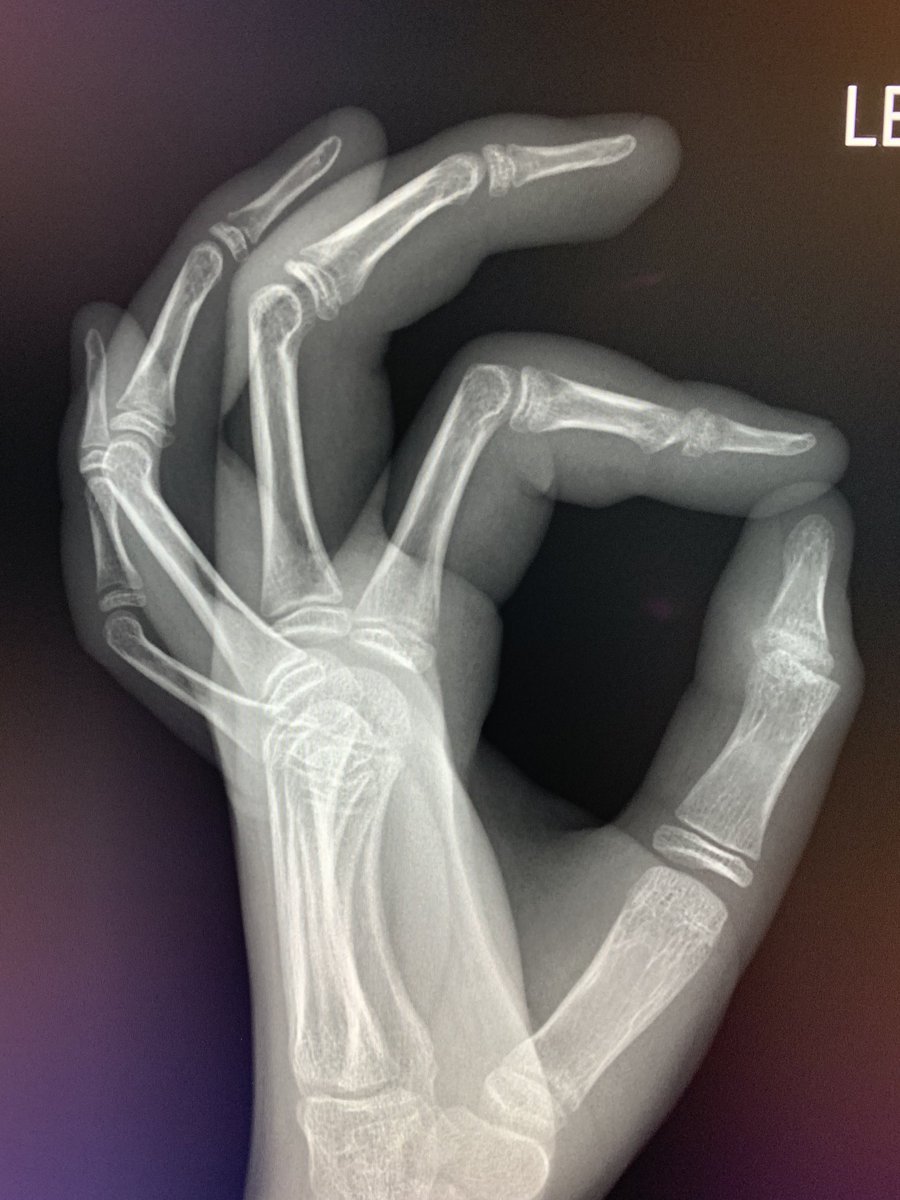
An interesting case of pseudo trigger finger, rare and poorly reported.
Snapping syndrome of the lateral band of the extensor apparatus in PIPJ.
I have seen 3 cases, all in the little finger.
Dorsal subluxation of the lateral bands, with dynamic snapping.
#mskrad
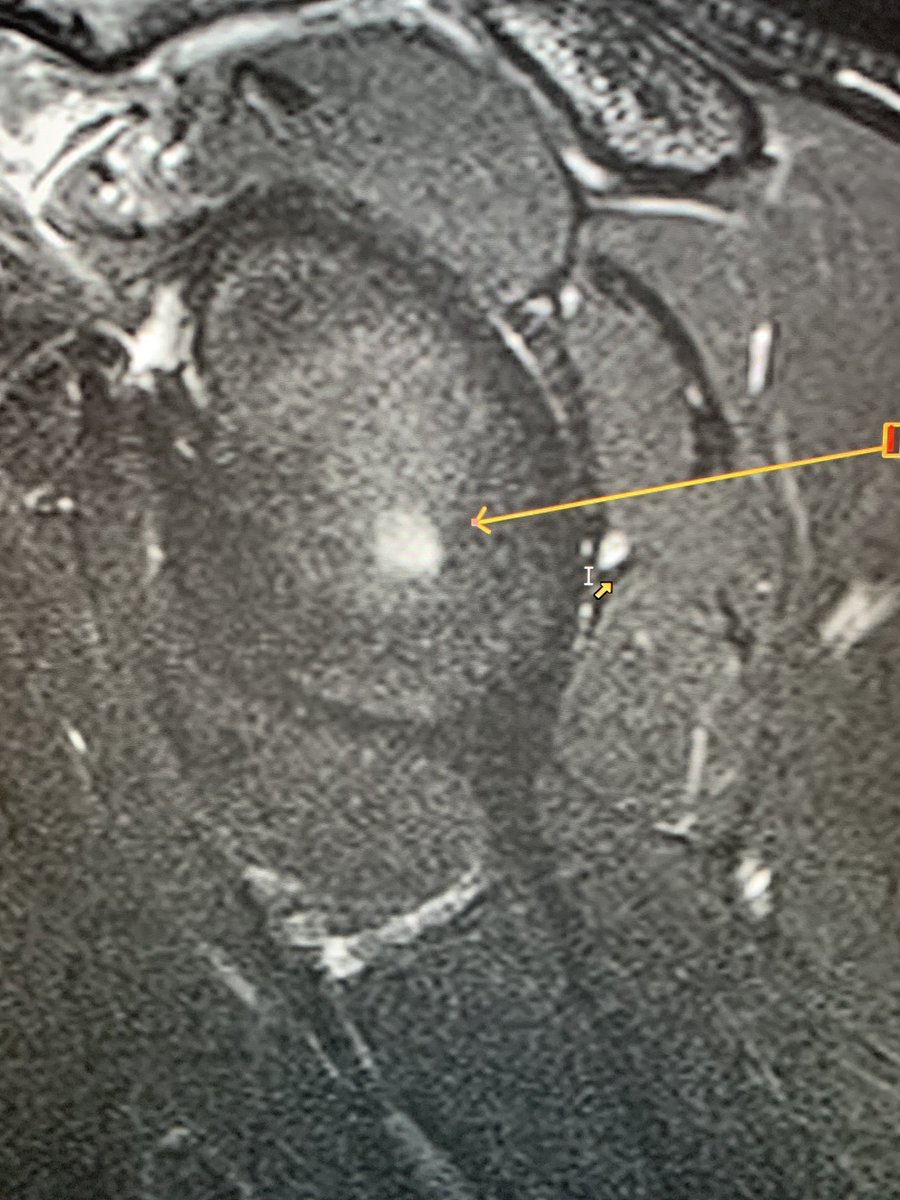
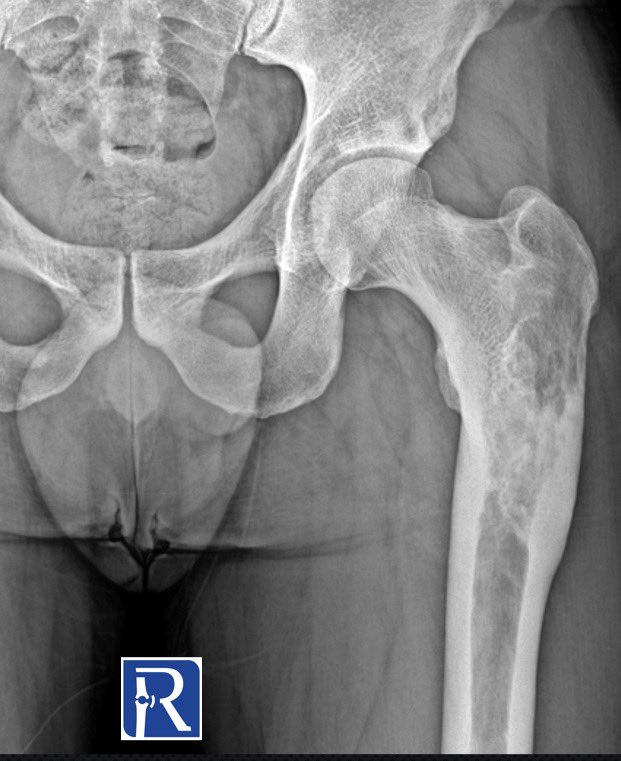
Condroblastoma en húmero proximal tratado con crioablación guiada por TC. Paciente asintomático al cabo de 1 mes del procedimiento y con una mínima cicatriz @SermeMsk@residentesSERAM@PepeMartel1 Elena Quílez #MSKRad#radiology
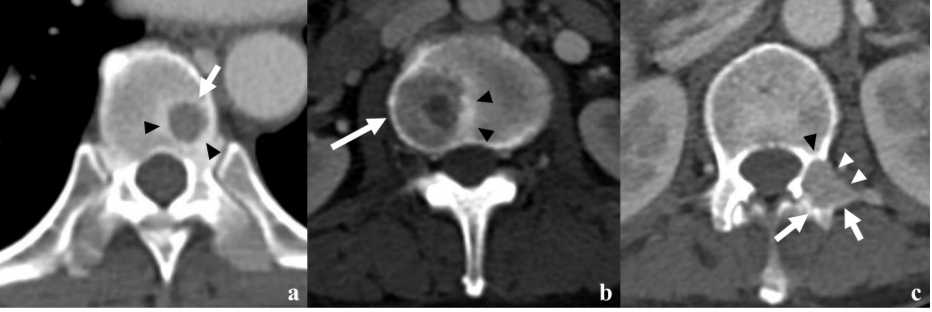
Differentiation of multiple myelomas from osteolytic bone metastases: Diagnostic value of tumor homogeneity on Contrast-Enhanced CT
https://t.co/NAomLABGP7
#CT#Radiology
"MM showed intratumoral and intertumoral homogeneity compared with Mets on CE-CT. The combination of CV-lesion and CV-patient can be helpful to radiologists in differentiation of MM from Mets"
#MultipleMyeloma#Bone#metastasis#MSKRad#CT#CECT
TikToks in-app browser spies on everything you do. It can even collect data from your devices where you don't use TikTok. The company is asking us to trust it, but you have no way of knowing what data it's collecting on you now or in the future. https://t.co/sV5NPdddoA
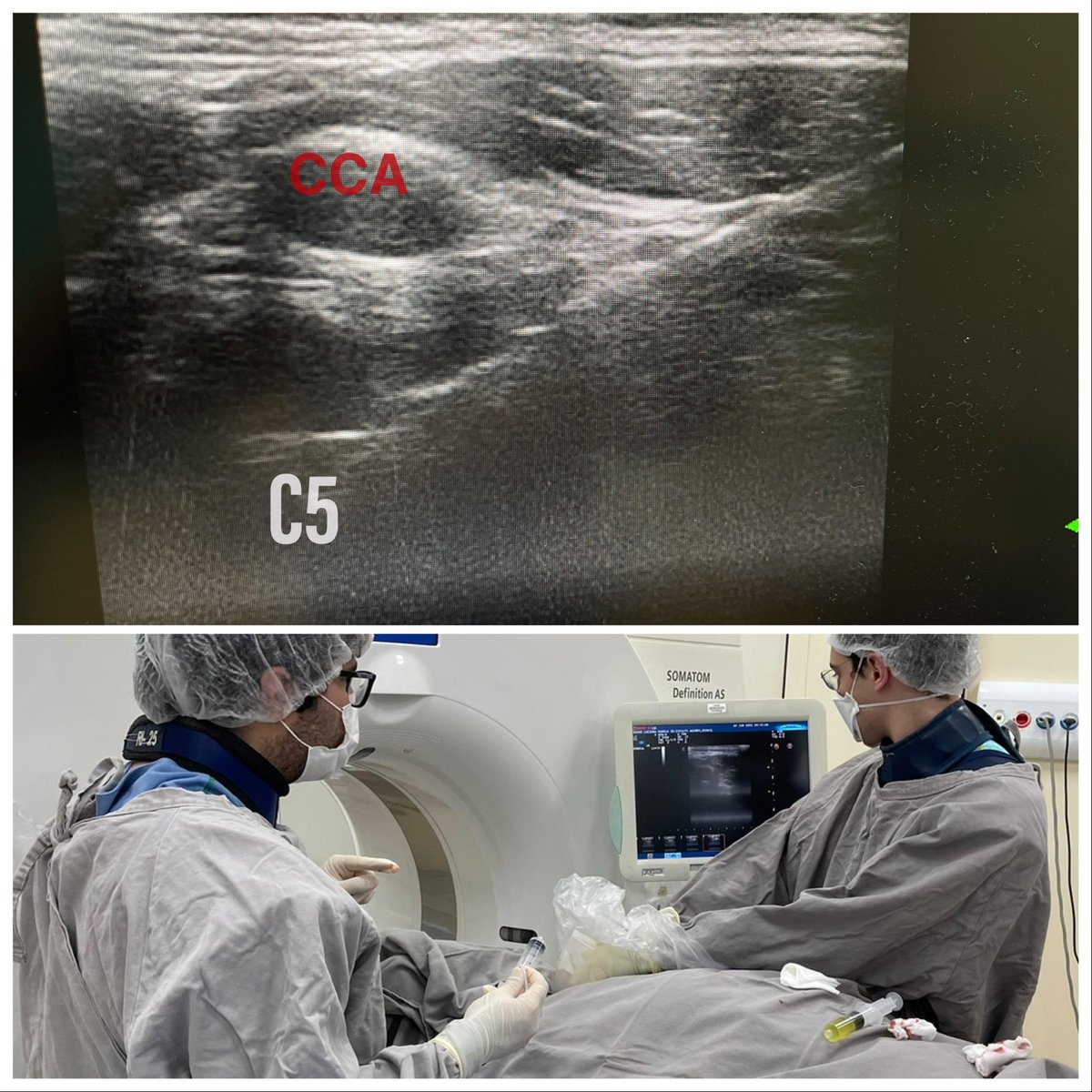
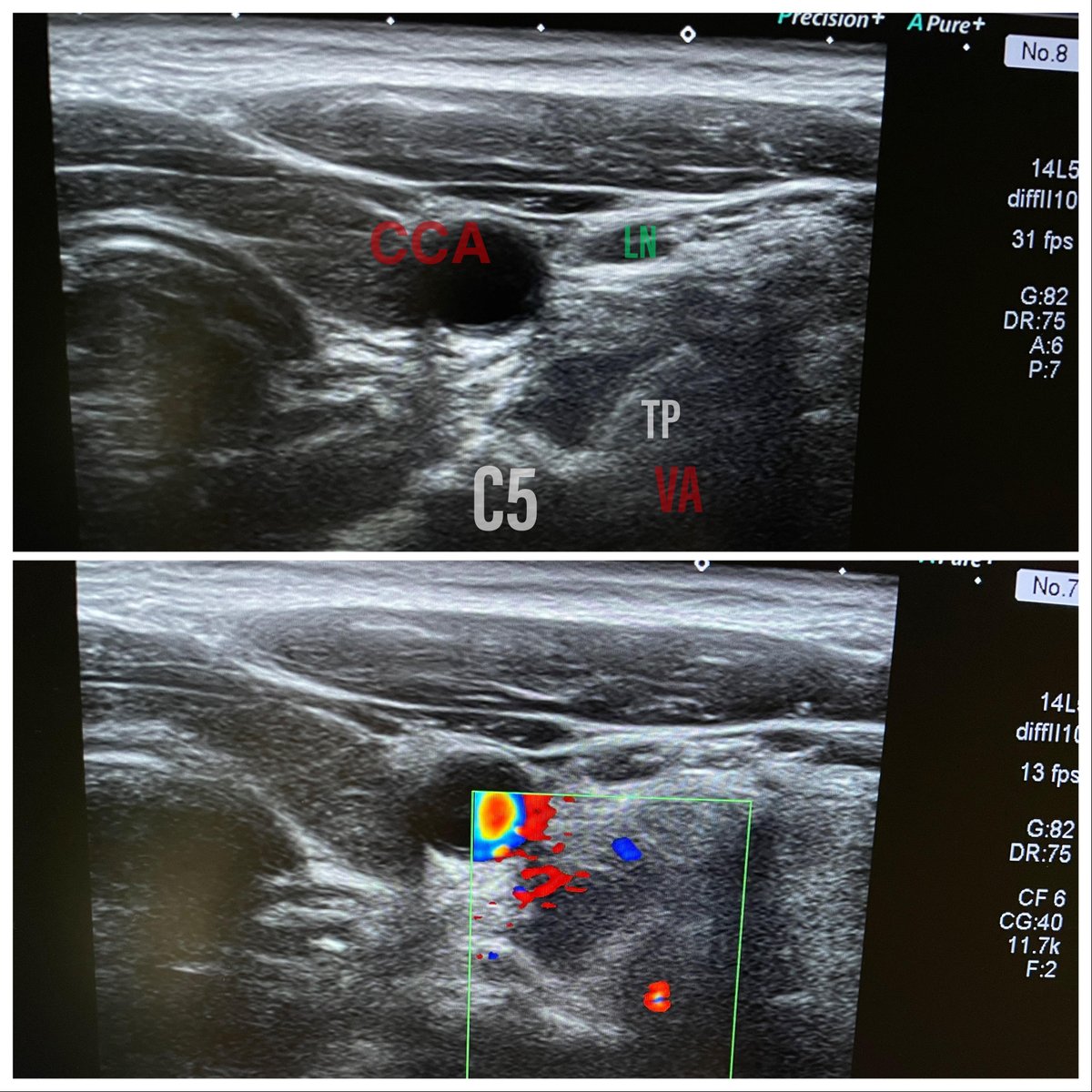
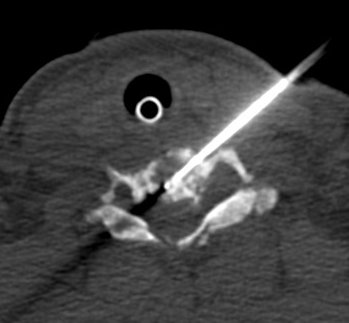
Although not a necessity, felt much safer adding US to this lateral approach to cervical #spine Bx.
Pressure on transducer widened space behind vessels compared to CT.
Local injection of iodinated contrast also helped.
Obliviated need for IV contrast
#mskrad#neurorad#radtwitter
Patient in her early 40ies feeling a lump behind 3rd lumbar spinous process. Radiographs show sclerosis of inferior L3 plateau, superior L4 plateau and left posterior archs of L2 and L3. Slight hyperdensity projecting on L3 spinous process in lateral view. #spine#MSKrad (1/4)
@SyYO17@Le___Doc Il faut le faire sur une ordo pour identifier le médecin.
Même papier, mais on « prescrit » un médicament, ou de la kiné, alors qu’on « demande » une imagerie pour faire le point sur le problème du patient.
@SyYO17@Le___Doc Le document lorsqu’une imagerie est demandée n’est pas une « ordonnance » ni une « prescription » mais une « demande », de médecin à médecin.
Des éléments complémentaires sont nécessaires.
C’est souvent les médecins les moins compétents qui ne le font pas.
MSK Case of the Week
-M,70y,mass right hand 5-y
-Leiomyoma of the Hand
-Benign neoplasm of smooth muscle origin
-Imaging Pearl:Well-circumscribed round soft tissue mass;heterogeneous and mildly hyper echoic;Hyper on T1 and iso/hyper on T2 and peripheral hypo intense rim #radres
Attention à ces nouvelles pratiques déviantes qui prennent les jeunes parents par les sentiments.
On nous l'a chaudement recommandé dès la salle de naissance pour N3, heureusement qu'on est 2 médecins et qu'on avait l'expérience de N1 & N2 pour pressentir que c'était du bullshit
La nouvelle "mode" qui affecte les nouveaux-nés, souvent propagée par les réseaux sociaux, mais aussi hélas dans les maternités : https://t.co/XTRuOckrpW Couplée à l'inutile ostéopathie crânienne, une nouvelle maltraitance pour les bébés ?
C'est la 2e étude qui arrive globalement aux mêmes conclusions (j'avais déjà partagé la première)
Il faut définitivement arrêter ce mythe des études de médecine "payées" par l'Etat, qui cachent en réalité des ÉCONOMIES faites par la société sur le dos des médecins en formation!