Carthage, once a mighty power in the ancient world, fell in 146 BCE to Roman forces led by Scipio Aemilianus. After a brutal siege, the city was destroyed, its inhabitants slaughtered or enslaved, and its buildings razed. The fall marked the end of Carthaginian dominance in the Mediterranean.
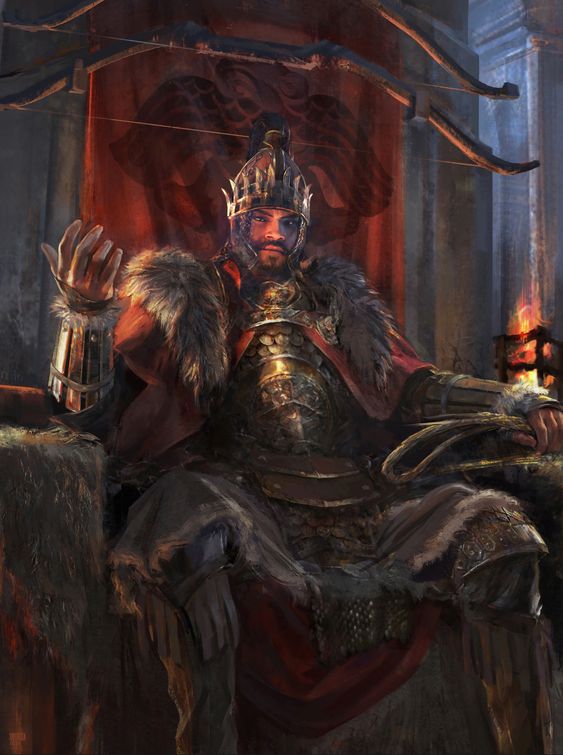
Attila the Hun was a fearsome leader of the Hunnic Empire during the 5th century AD. Known as the "Scourge of God," he led devastating military campaigns across Europe. His empire stretched from the steppes of Central Asia to modern-day France. Attila's legacy continues to captivate historians and storytellers alike.
Mongolian culture is rich with nomadic heritage, reflected in traditions like throat singing and horsemanship. Its vast landscapes boast the Gobi Desert and the Altai Mountains. Genghis Khan's legacy looms large, shaping history. Mongolian cuisine, with dishes like buuz and khorkhog, offers flavors as diverse as its history and landscapes.
Carthage, once a mighty power in the ancient world, fell in 146 BCE to Roman forces led by Scipio Aemilianus. After a brutal siege, the city was destroyed, its inhabitants slaughtered or enslaved, and its buildings razed. The fall marked the end of Carthaginian dominance in the Mediterranean.
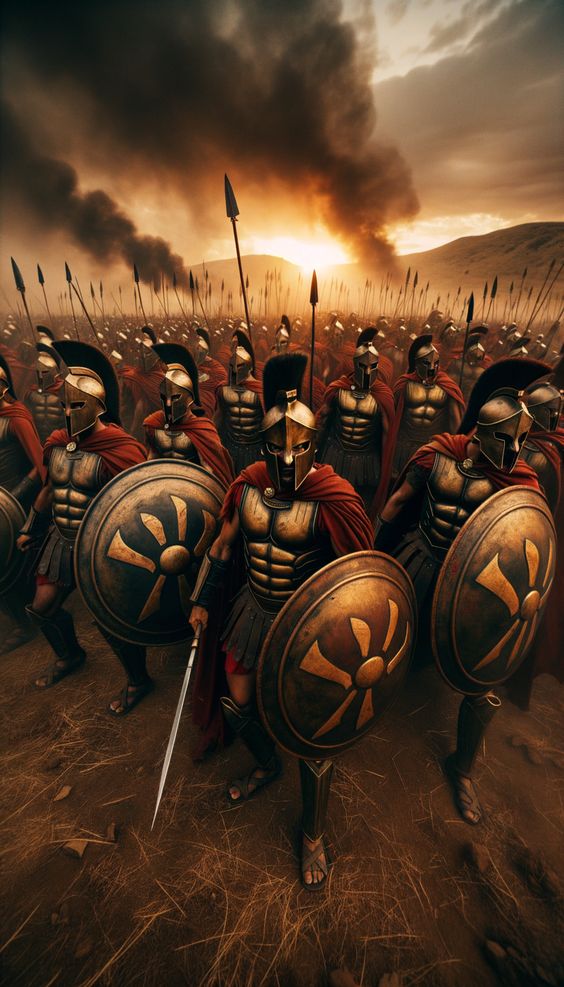
300 depicts the historical Battle of Thermopylae, where 300 Spartans, alongside other Greek allies, defended Greece against the Persian invasion led by Xerxes I in 480 BC. This epic stand symbolizes Greek resistance against tyranny, showcasing Spartan bravery and military prowess amidst overwhelming odds, leaving an indelible mark on history.