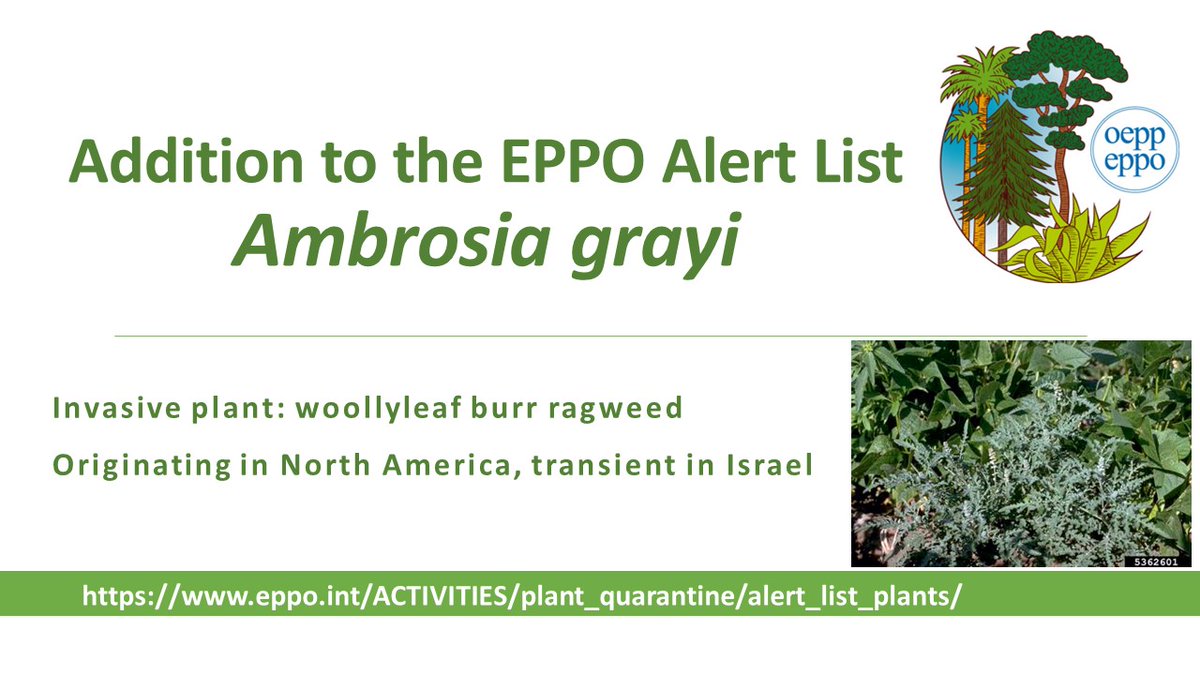
📢PEST ALERT: addition of Ambrosia grayi to the EPPO Alert List
In the EPPO region, this plant is currently confined to a small area in Israel. The EPPO Panel on Invasive Alien Plants are seeking info on additional occurrences and impacts
https://t.co/gp2YarCPDN
If you have an ornamental plant in your garden that is spreading uncontrollably report it via Plant Alert 👉 https://t.co/7smUVrFksB
These reports inform risk assessments of various ornamental species which help to advise gardeners and nurseries on problem plants 🌿
‘Margaret Bradshaw has spent decades studying Teesdale – and is fighting to preserve its unique mix of plants.’ Just keep going’: the horse-riding 97-year-old botanist battling for England’s wildflowers https://t.co/rLTv8okoSA
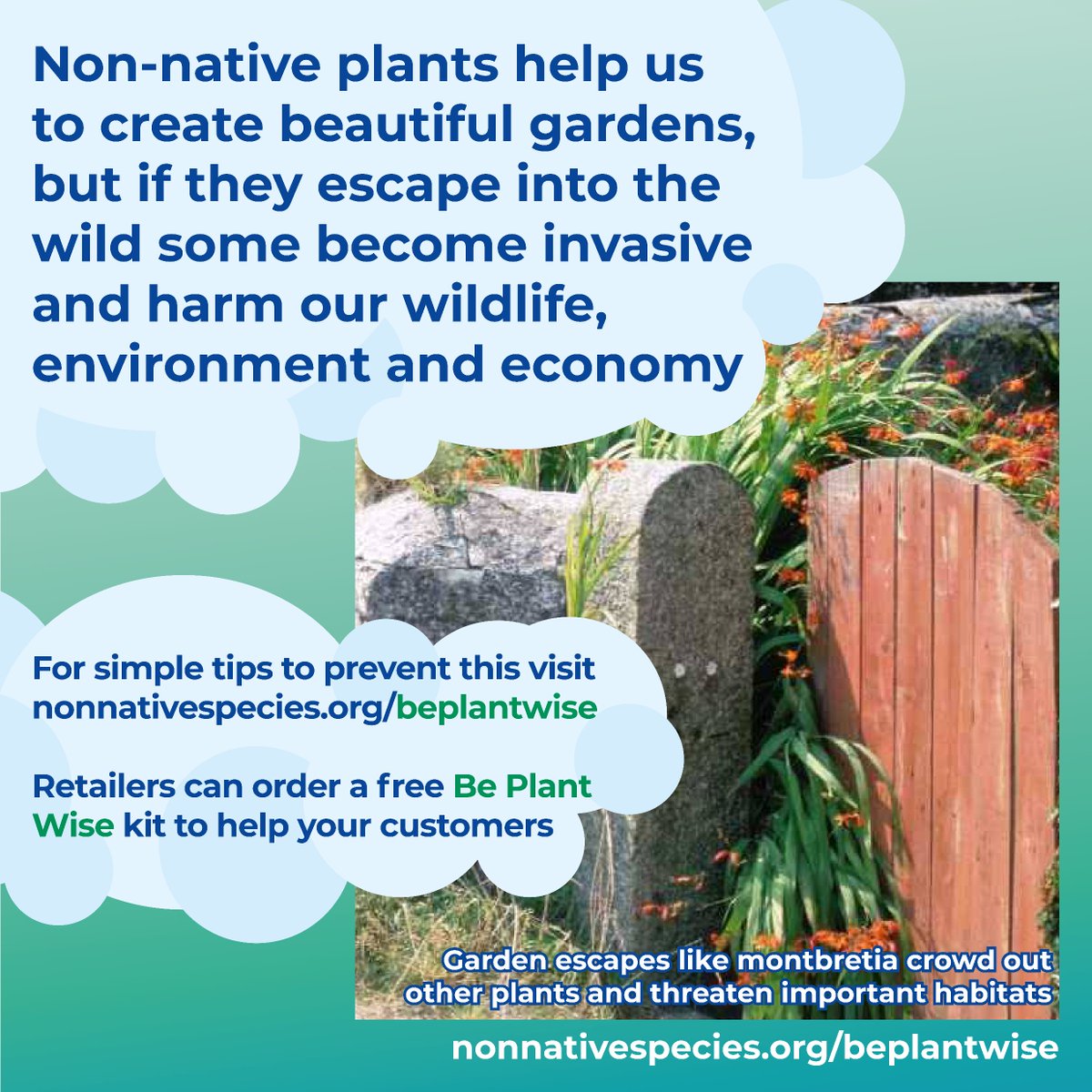
#InvasivePlants like montbretia can:
- cause devastating environmental impacts🌍
- be extremely costly to control 💰
- interfere with our health and way of life ❌
#BePlantWise and dispose of your garden waste responsibly to prevent their spread https://t.co/6pwuJRrjYX
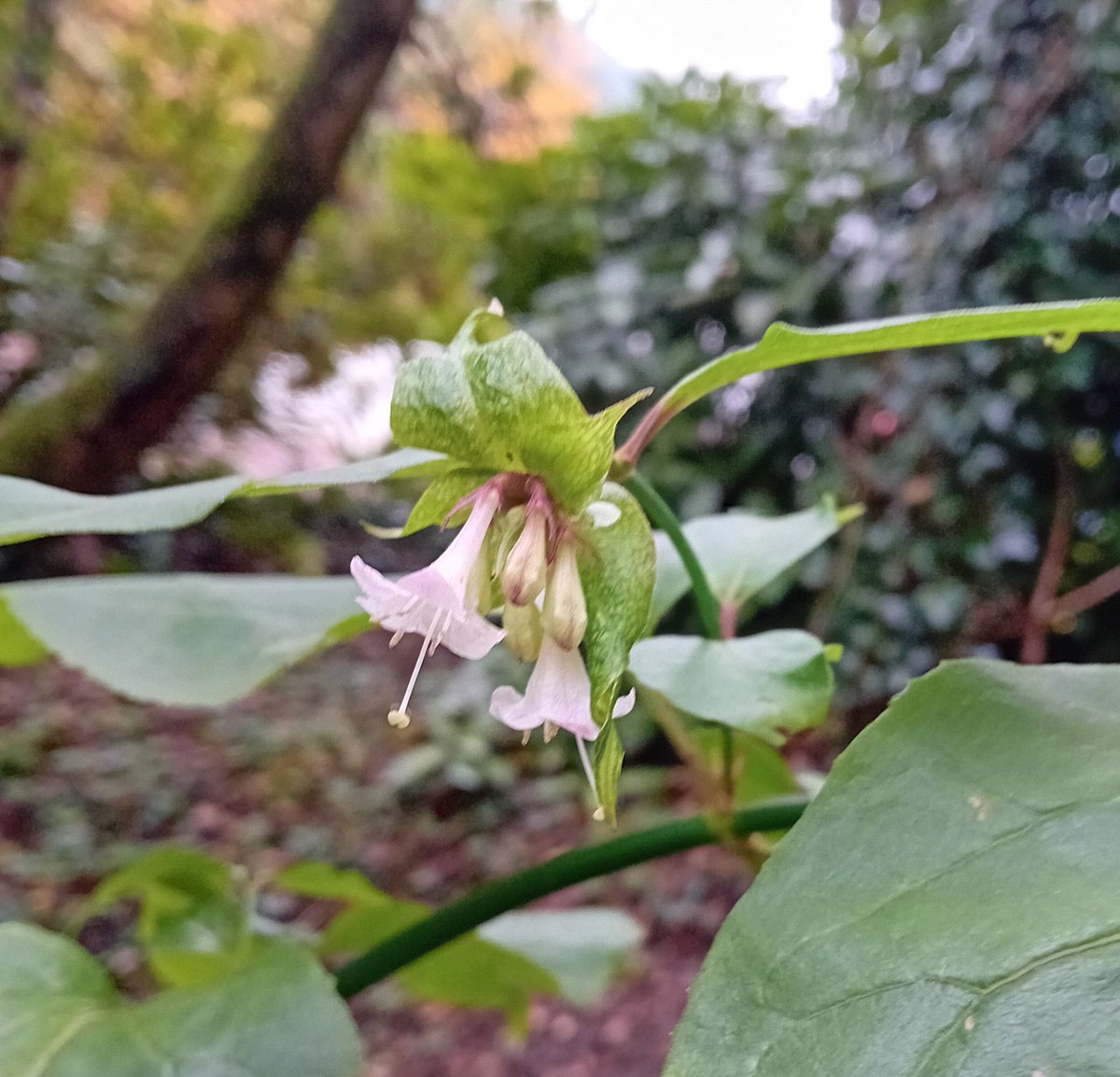
Himalayan Honeysuckle Leycesteria formosa, a 'Medium Impact' invasive species of woodland and hedges. Once planted for pheasants, birds love it-and spread it! Its nectar is so tasty, bees may pollinate it in preference to native species. @BSBIbotany@NPWSIreland#invasivespecies
Tune in at 13:48 minutes to hear @TomosJones92 talking about invasive species and https://t.co/sRv2bKen5I as an effective prevention tool:
https://t.co/21A0FeQwrL
@BSBIbotany@BSBIscience
The dumping of garden waste is one of the main ways that non-native plants get established in the wild (from root fragments, bulbs, bulbils, seeds). Some become invasive so gardeners please don’t do it @Plant_Alert@Love_plants
Unusual monocultures. This pernicious invader is Green Alkanet (Pentaglottis sempervirens, Boraginaceae). In Silwood Park and other parts of East Berkshire it eliminates all the many native species that previously occupied this habitat (lightly-shaded banks). But it's OK for bees
Chilean Mrytle (Luma apiculata) in flower with its distinctive orange-barked trunks in the background. This invasive tree has naturalised along the south coast of Ireland (Kerry to Wexford) but we have more-or-less eradicated it from the Nature Reserve. #wildflowerhour
@Botanygeek You can see it already spreading along the railway in London and elsewhere. It is very difficult and costly to remove, see map here: https://t.co/VgCxcRn9OK and risk assessment here: https://t.co/EzMm7NTta4 @InvasiveSp#BePlantWise
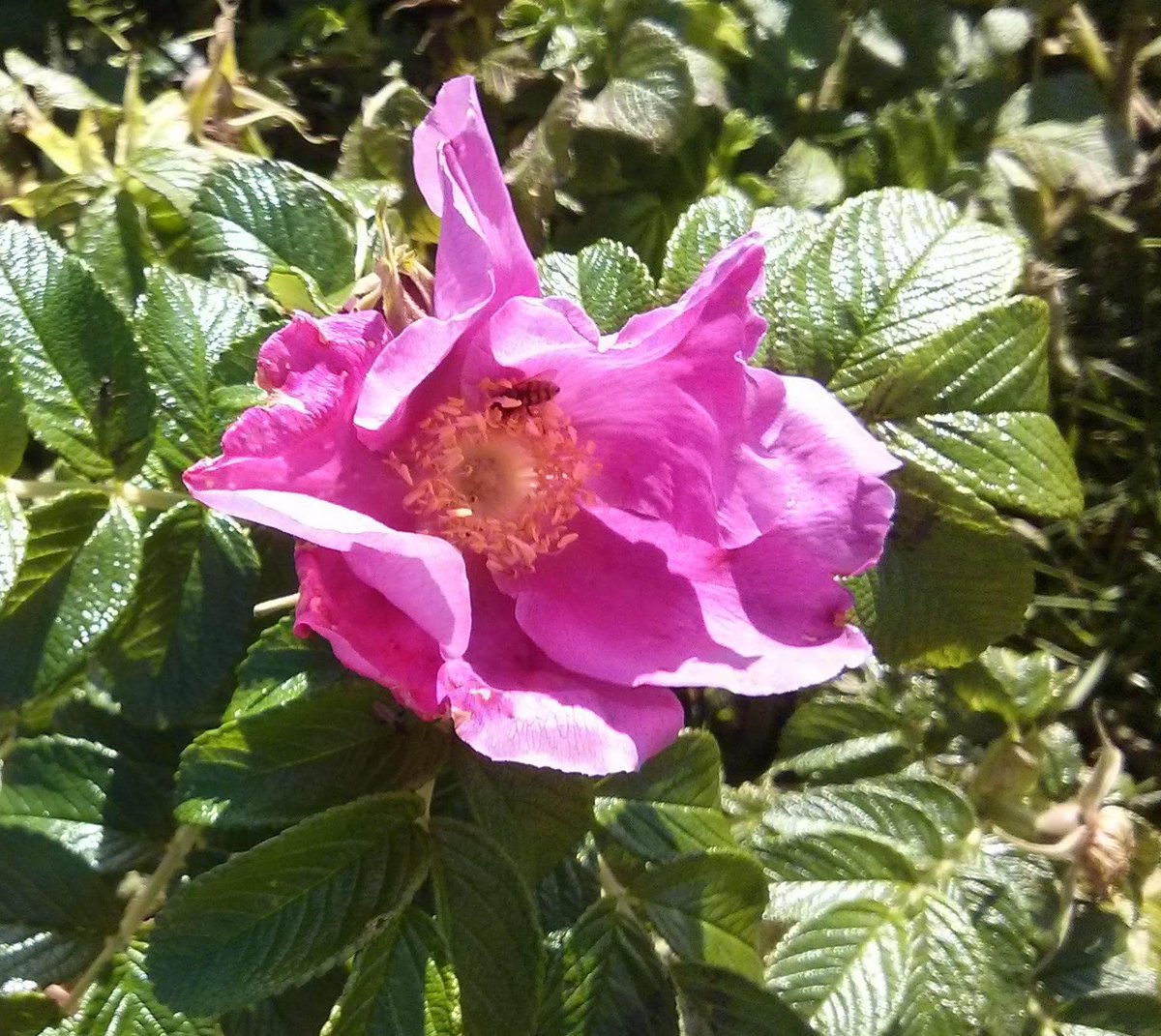
Rosa rugosa is a well known invasive mainly in coastal areas, but was nevertheless recommended in Friday's @GWandShows by @TobyBuckland#BePlantWise#GWInvasivesWatch. Better than to plant it, help to record its impacts ⬇️⬇️
New project: are you interested in impacts of invasive plants outside gardens? Join this project testing citizen science to record impacts of invasive species:
https://t.co/9zgXJXoz52
#InvasiveSpeciesWeek#citizenscience









![TomosJones92's tweet photo. ‼️New study‼️Delighted to have my first #PhD chapter published 🙂 Looking at how #gardeners define and understand the term #invasive based on #PublicEngagement at the #RHSChelsea Flower Show 👇👇 #OpenAccess https://t.co/AM6NpoxTjt [1/n] https://t.co/B3CDEH8V0B](https://pbs.twimg.com/media/F_zguaRX0AAZ3Er.jpg)