Each week discover something new about a plant in our collection as we countdown to the 400th anniversary (25th July 2021) of plant sciences in Oxford @OBGHA
Plant 400: The best-known species in the genus Erythroxylum is coca, the leaves of which have been chewed and brewed by indigenous South Americans for thousands of years. https://t.co/R5RqXUPIKQ
Plant 397: Society garlics are endemic to southern Africa. Outside Africa they are garden novelties, but in their native range they are used as medicine, food and fodder. https://t.co/aT15LR72YV
Plant 396: The Latin valere, ‘to be healthy’, gives us the generic name Valeriana, a genus of 420 species, which includes annual and perennial herbs as well as subshrubs. https://t.co/d6eovoJhnZ
Plant 395: The common name prickly pear, which reflects the shape of the edible fruit, is used for fences and to farm the scale insect that is the source of cochineal. https://t.co/fONNwumdMY
Plant 394: The bell-shaped flowers inspire the common name, bellflower, as well as the scientific name Campanula, Latin for ‘little bell’. https://t.co/MrTHmaQgEU
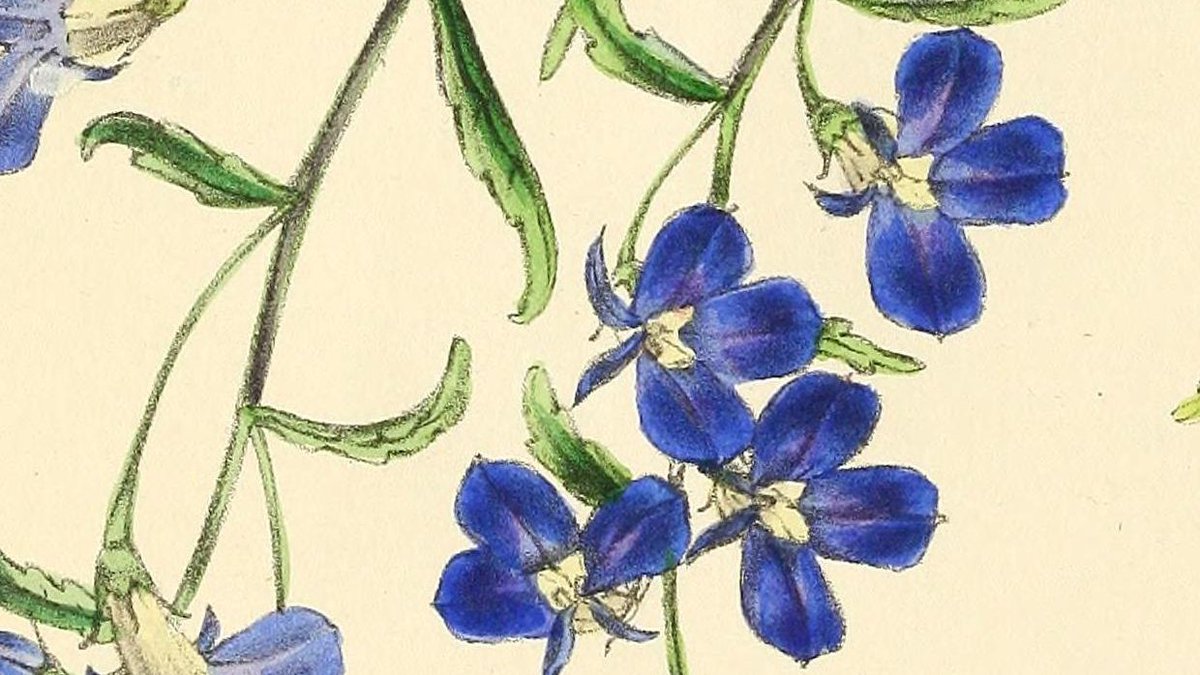
Plant 393: For many gardeners, the first image of Lobelia is a mass of royal blue flowers on the scrambling, summer bedding plant Lobelia erinus. https://t.co/G5779bUR45
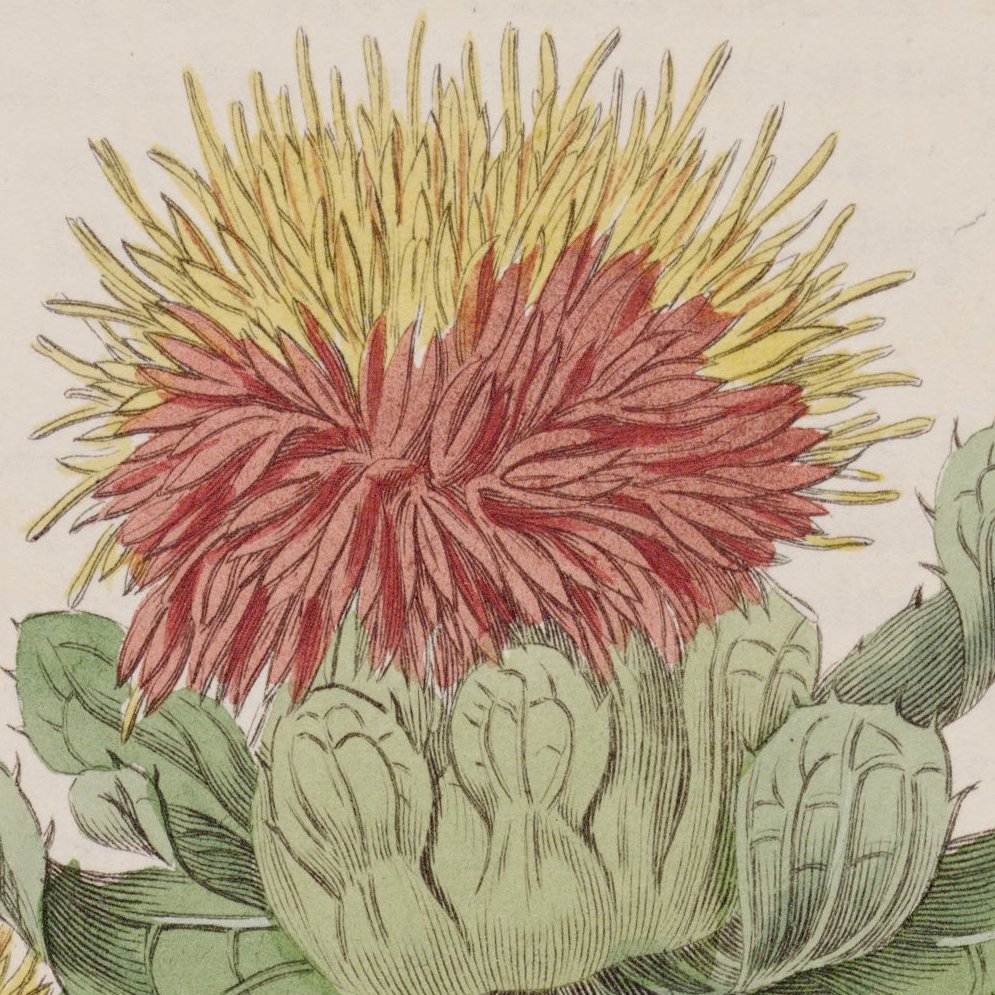
Plant 392: Thistle-like, annual safflower was an important dye plant in Asia and North Africa. It appears to have originated in cultivation through domestication of a wild, weedy species. https://t.co/sGwJtWPWPq
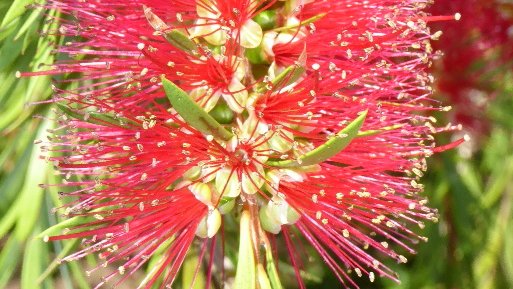
Plant 391: One of the first Australian plant species to be grown in European gardens was the bottlebrush, collected by Joseph Banks and Daniel Solander in 1770. https://t.co/DnjebtqYNI
Plant 390: The genus Tagetes is native to neither Europe nor Africa; it is naturally distributed in the Americas. The common names French and African marigold reflect assumptions made about these garden plants’ origins. https://t.co/bUtc25KCNb
Plant 389: Tropaeolum, the garden nasturtium, gets its name from the similarity of its leaves to shields, the trophies of warfare. https://t.co/m4hTGbbyTb
Plant 387: Lady’s slipper orchids are named for the resemblance of the characteristic balloon-like lower lip of the flower to a slipper. https://t.co/GqFCWKMfmx
Plant 386: Swainsona formosa, a plant with spectacular flowers occurs in hot dry landscapes from the northwest coasts of Western Australia through the interior to eastern and southern Australia. https://t.co/TVykvzlSJl
Plant 385: Rock nettles are distinctive because of their intricate flowers and their stinging, sometimes grapple-shaped, hairs. https://t.co/5thVlOWTde
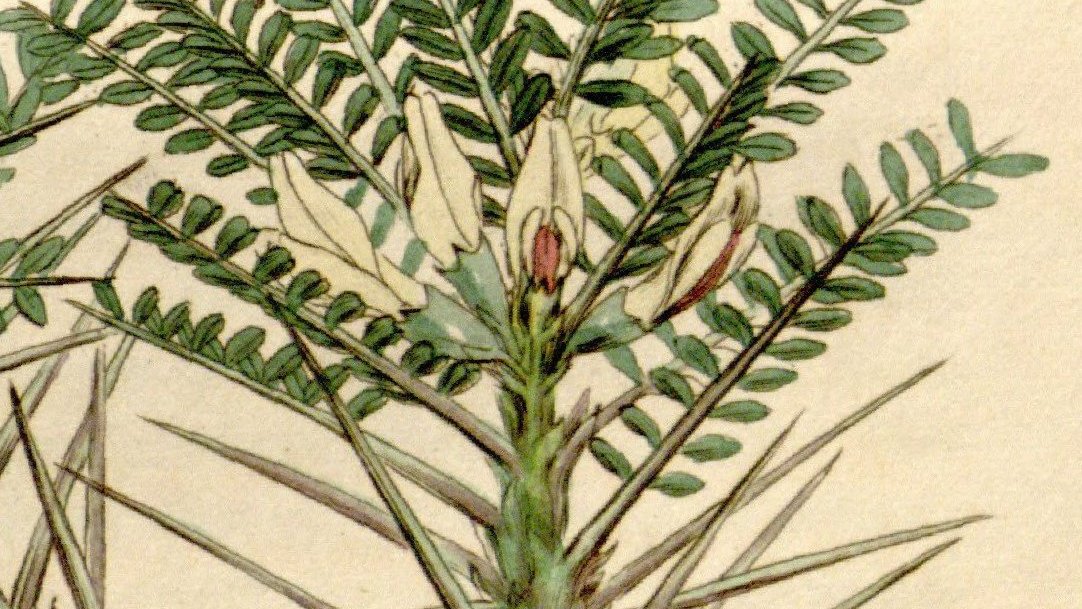
Plant 384: Astragalus is the source of gum tragacanth, which is used in processes as diverse as leatherworking, paint production, paper marbling, cigar making, and cake decorating. https://t.co/T8bM3fOCMX