Your go-to for sustainable coffee solutions. Eco-friendly brewing tools to paper pods. We promote products & orgs brewing a healthier tomorrow, 1 cup at a time.
Plastic-free coffee pods for your Keurig®. Each one is individually nitrogen-sealed, so every cup tastes fresh ground. Unwrap freshness, one cup at a time.
Roaster's Reserve: Brazil meets Honduras. Chocolate depth, bright fruit.
https://t.co/xEPucIg4Dh
It's rare to find a coffee machine that's 100% plastic-free, but there are a few close options on Amazon. Most use glass or stainless steel instead of plastic.
@jcfosterx Averaging inside the SCA window (roughly 18 to 22% extraction, 1.15 to 1.35% TDS) across weeks of testing is the hard part. One good cup is easy; repeatable ones are what sell a brewer. Curious what ratio you dialed in at?
@juventinoanas Yes, and it works since any bean can be espresso. A light filter roast just fights back a little: expect brighter, more acidic shots. Grind finer, run a longer ratio like 1:2.5 to 1:3, and go hotter on the water if your machine allows. Worth a try if you like fruity cups.
Myth: espresso is a special kind of bean or roast.
It's a brew method. Italy's National Espresso Institute certifies a shot at about 7 g of coffee, 9 bar of pressure, roughly 25 seconds and 25 ml in the cup.
Light or dark, any bean can be pulled as espresso.
@austintgoodwin Agreed, the double is the modern cafe standard. 18 g in, 36 g out in 25 to 30 s is a 1:2 ratio, and most shops dial in right around there. The 7 g single is the classic Italian definition, which is why we used it to show espresso is a method, not a bean.
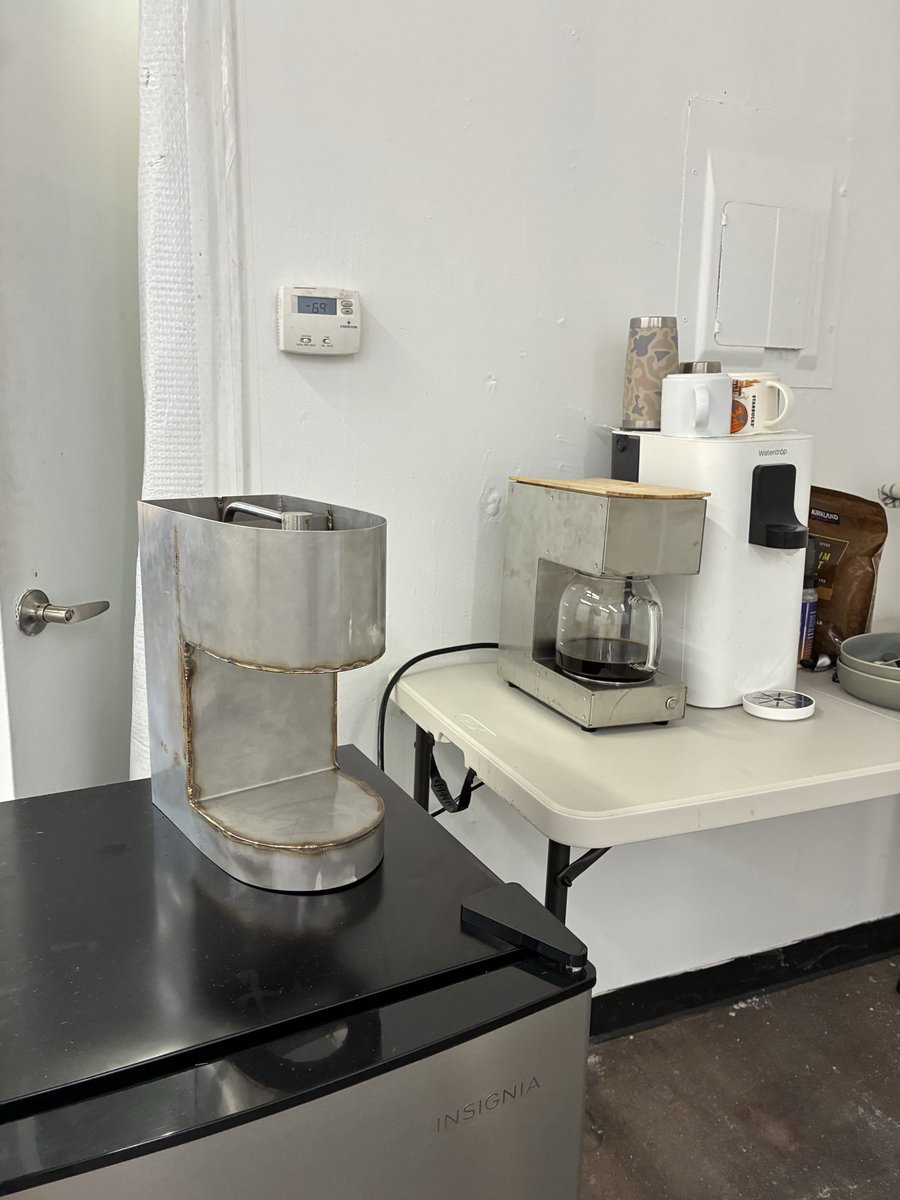
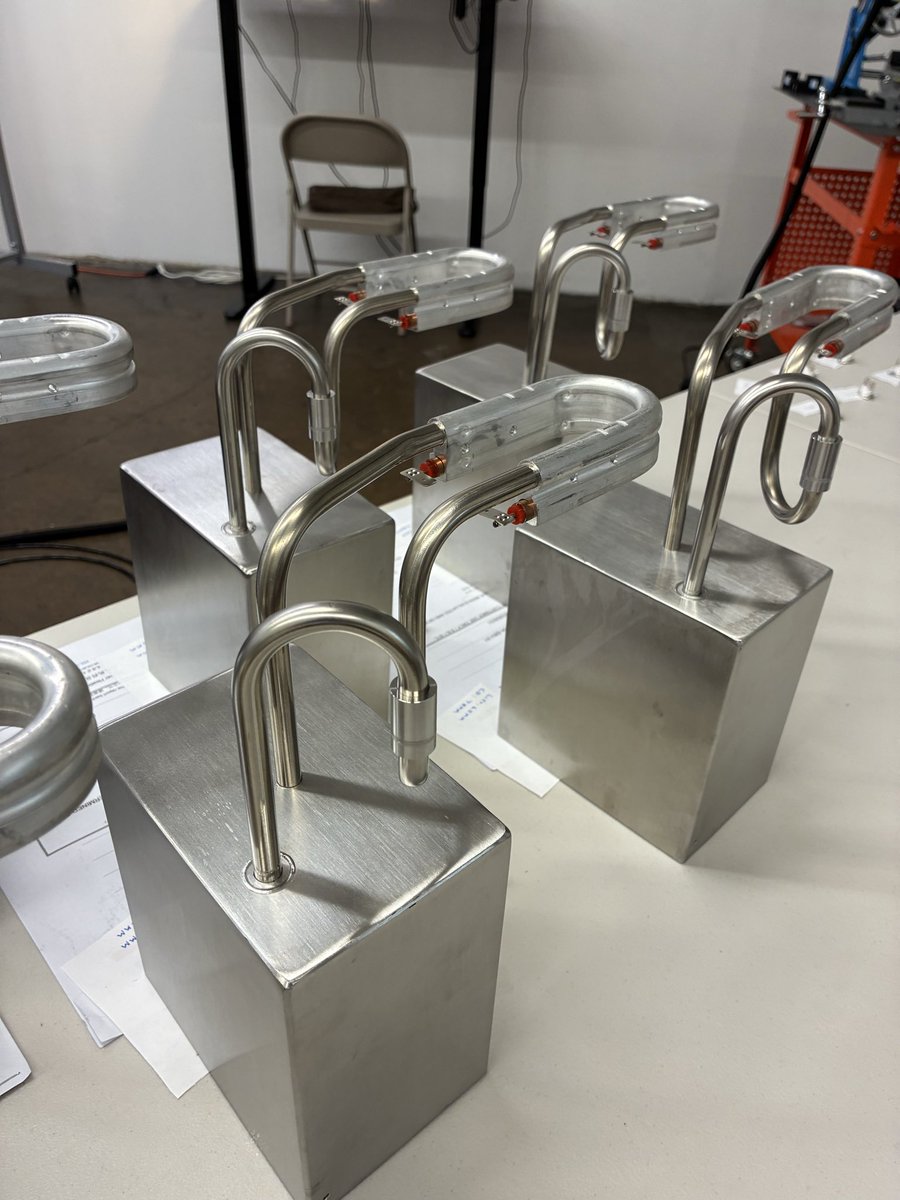
The first prototype type (left in photo 1, right in photo 2) was very cheap but extremely difficult to weld together because of the extremely thin stainless. The method I am using now relies on screw / rivets and is a little more expensive but I think it’s a big upgrade.
@EvanHillHB A double-wall stainless French press is a great daily pick: holds heat, nothing plastic touching the hot coffee, easy to clean. Start at 1:15 (30 g coffee to 450 g water), coarse grind, 4 minutes, then press slowly. Freshly ground beans will matter more than the brand.
@jcfosterx Riveted over welded makes a lot of sense at that steel thickness. Fewer failure points and much easier to repeat batch after batch. Love watching this one come together.
Coffee has 110 named flavor, aroma and texture attributes, per World Coffee Research's sensory lexicon.
You only need three habits: smell first, notice the body, wait for the finish. Then give it a few minutes. Fruit notes often brighten as it cools.
Our tasting guide below.
@BaarMama Your steep method makes a good cup: water just off the boil, about 4 minutes, then strain. If you ever want the one-button version without the plastic pod, we make PaperPods, plastic-free coffee pods for Keurig, so bias noted. Either way, enjoy that first cup.
@mcntanasky Congrats on the upgrade, and a K-cup advent calendar is a fun way to find your favorites. Small tip for the variety pack: start on the smaller cup sizes. Less water usually means a fuller, less watery cup, then size up once you know which ones you love.
@kingjackox23 Two weeks in and still tinkering is the fun part. A good baseline is 1:15 by weight, about 30 g coarse coffee to 450 g water just off the boil. Steep 4 min, break the crust, skim the foam, then plunge gently. Thin? Go a bit finer. Muddy? Coarser.
@Ferndiggity Ha, fair question. We're a small coffee company that makes plastic-free coffee pods, so coffee and plastic is kind of our whole thing. Enjoy the press, and tell us how the first pot turns out.
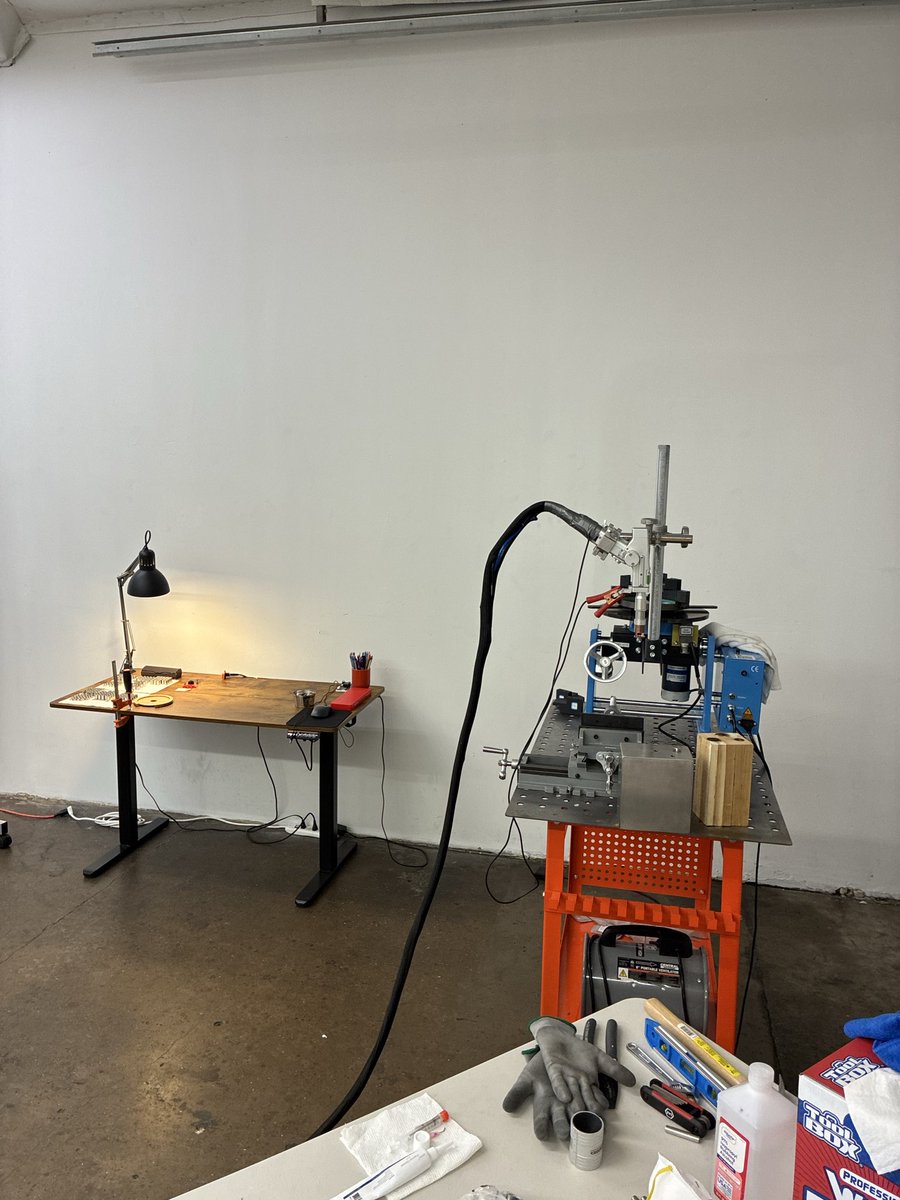
The puresteel brewer is actually plastic and silicone free. We are literally welding it together! All food/medical grade materials!
I find it beautiful ☕️
@Newton2020@N76247476Man One cup is easy with a pour-over cone: about 15 g of medium ground coffee and 250 g of water just off the boil, done in about 3 minutes. And if you like pod convenience, we make plastic-free pods for Keurig called PaperPods, so bias noted.
@forestmanjohn Welding it instead of relying on gaskets is a serious commitment. Hot water is hard to seal, so that is no small feat. Looks beautiful too.
Nearly 40% of the world's coffee comes from one country: Brazil. That's from USDA's latest coffee forecast.
Brazilian beans tend toward chocolate, nuts and a smooth body. Honduras, Central America's biggest grower, leans brighter and fruitier. Pair them and you get both.
Saturday ritual: a pot for the table, not just a cup for you.
Grind a little extra, set out the mugs, and let whoever wakes up next pour their own.
What's everyone brewing this weekend?
@forestmanjohn Hardware cycles are the hard part. Rooting for the launch. Plastic-free brew gear needs more people willing to grind through the slow months.