Why do pro-democratic messages find little echo among increasingly polarised European societies?🗣️
Join the PLEDGE Closing Conference on emotions, politics & democracy.
📅1–2 Dec 2026 | 📍Brussels
🎟️Free registration: https://t.co/Z62knwg4Zs
Beyond information: What do citizens need from democracy?🗳️
The #PLEDGE project explores how citizens’ epistemic rights & emotional needs can foster trust, meaningful participation & more responsive democratic institutions.
👇
https://t.co/Treh37lIpT
#GrievancePolitics
The Serbian students’ movement shows how frustration, hope & solidarity can transform individual grievances into collective action & challenge established political power.
Read the article by the IPU Berlin & SOTON team:
https://t.co/7GT1nBvYzn
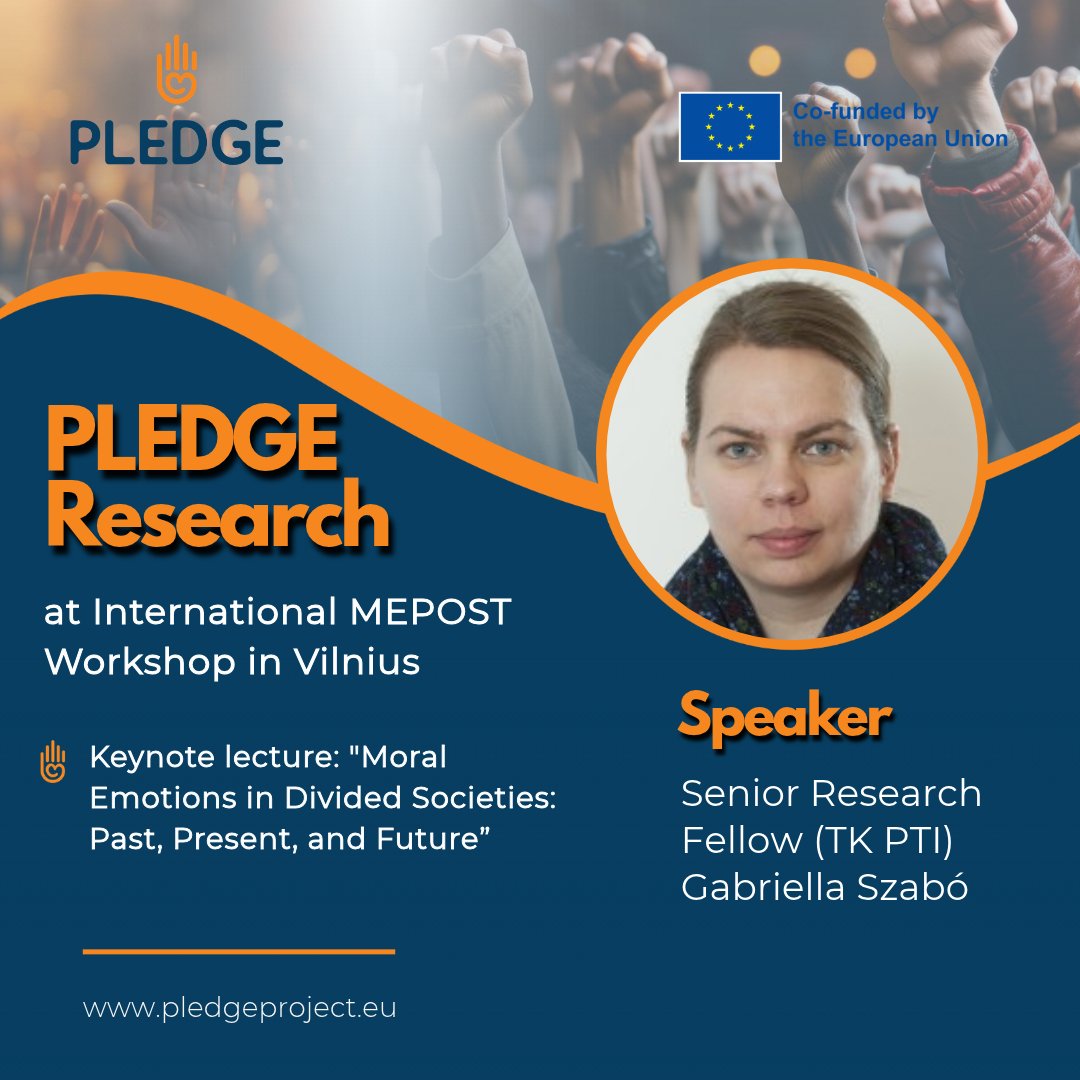
📢 #PLEDGE at the International #MEPOST Workshop in Vilnius!
On 6 November, Gabriella Szabó (ELTE Centre for Social Sciences) will deliver a keynote: “Moral Emotions in Divided Societies: Past, Present, and Future”.
🔗 https://t.co/Lxjjsc0Ntm
#GrievancePolitics
📢#PLEDGE at the Alexander von Humboldt Colloquium in Stockholm
The PLEDGE Coordinator, Mikko Salmela will deliver a plenary lecture drawing on PLEDGE findings at the Alexander von Humboldt Colloquium, taking place in Stockholm on 29–31 October.
🔗https://t.co/emKhzVGQ3b
🏠When housing becomes political, human dignity must remain at the centre.
The story of Maricarmen, an 87-year-old woman evicted in Spain, highlights housing insecurity & social grievances.
🔗https://t.co/vBLoVbLm57
#PLEDGE#GrievancePolitics#Democracy
🌍PLEDGE in Action
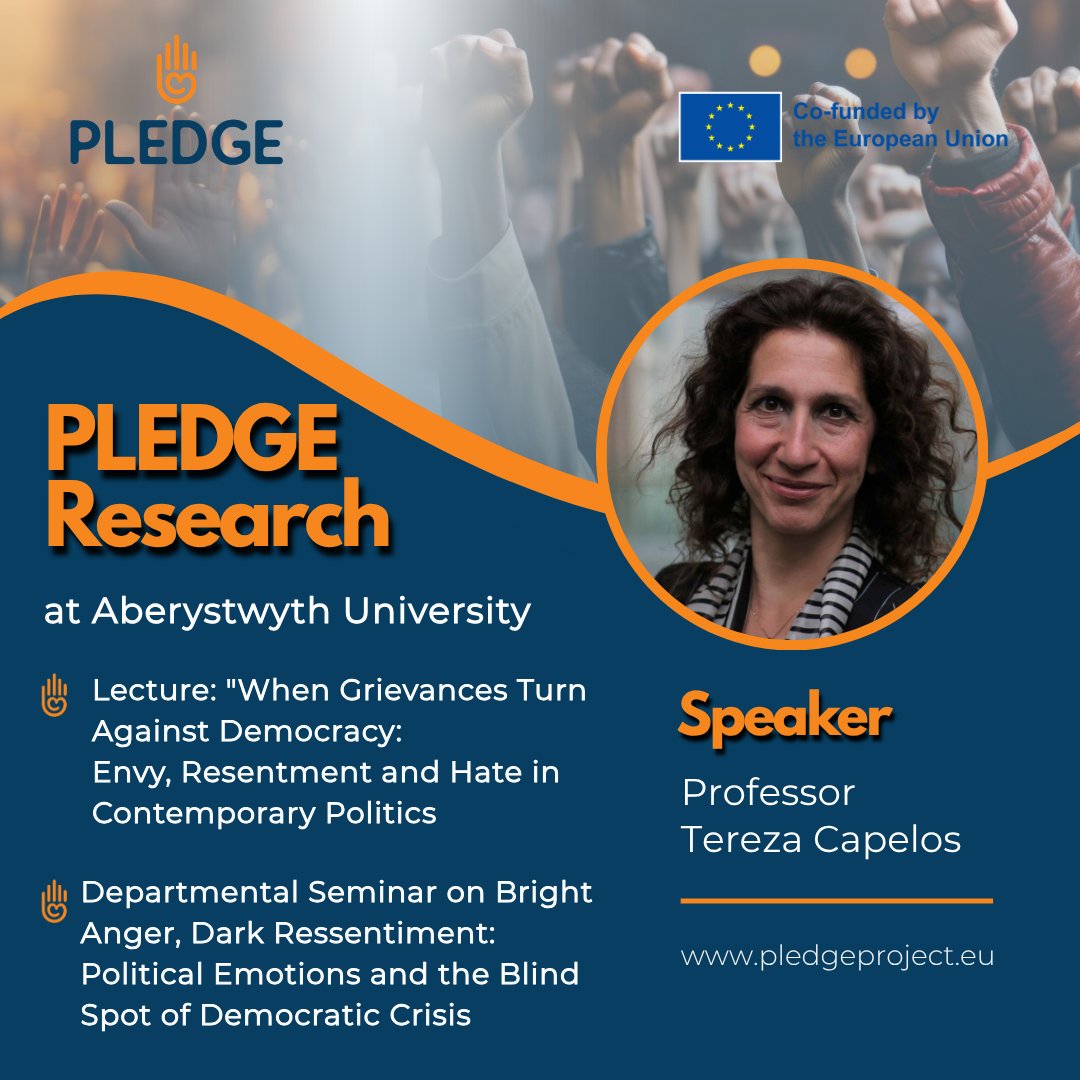
This week, Prof. Tereza Capelos @unisouthampton represented PLEDGE at Aberystwyth University, delivering 2 talks on political emotions, grievances & contemporary democratic challenges.
Find out more: https://t.co/7l7fcO40kW
#PLEDGE#PROTEMO#GrievancePolitics
🤔Can shame become a political weapon?
In the new #PLEDGE article, explores shame, ressentiment, victimization, humiliation and solidarity—and how shame can draw moral boundaries and assert moral superiority.
🔗https://t.co/5pVMlEOaY9
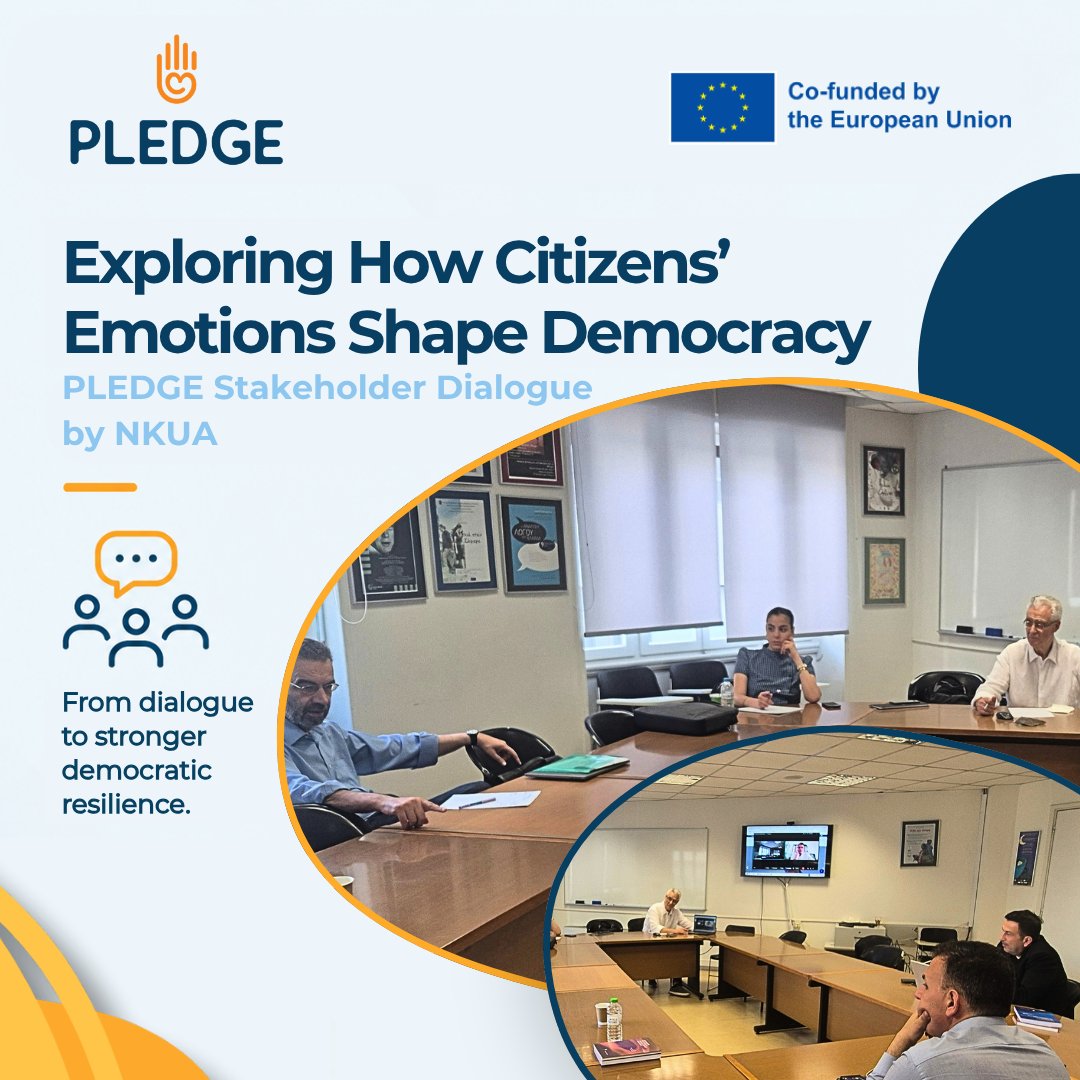
💬How do citizens’ emotions shape democracy?
In June, NKUA & Prof. Nicolas Demertzis brought together MPs and CSOs in Athens for a #PLEDGE Stakeholder Dialogue on citizens’ grievances and democratic responsiveness.
🔗https://t.co/gQADZJ0kYn
#StakeholderEngagement#Democracy
Group-based pride has been linked to nationalism and xenophobia, yet its role in political identity is still largely under-researched. 🧪
A year after launch, our free AI tool can now detect pride, a complex political emotion, in any text, in seven languages.
Try it now—and tell us which political speech you'll analyse with it 👀
https://t.co/vsDKKG7pWM
What emotion do you associate most with democracy today?
🏛️#InternationalDayOfDemocracy reminds us that democracy is also about how people feel about politics and their place in society.
🧠At #PLEDGE we explore how emotions and political grievances shape democratic engagement.
📣Welcome Sofie (@VUBrussel) & Kai (@helsinkiuni) to the #PLEDGEproject team!
As part of WP6, they will co-create innovative tools with citizens & policymakers for emotion-sensitive governance.💡
🤝Welcome on board!
Learn more:
🔗https://t.co/oGRQdQ4zCi
#PLEDGE#Democracy
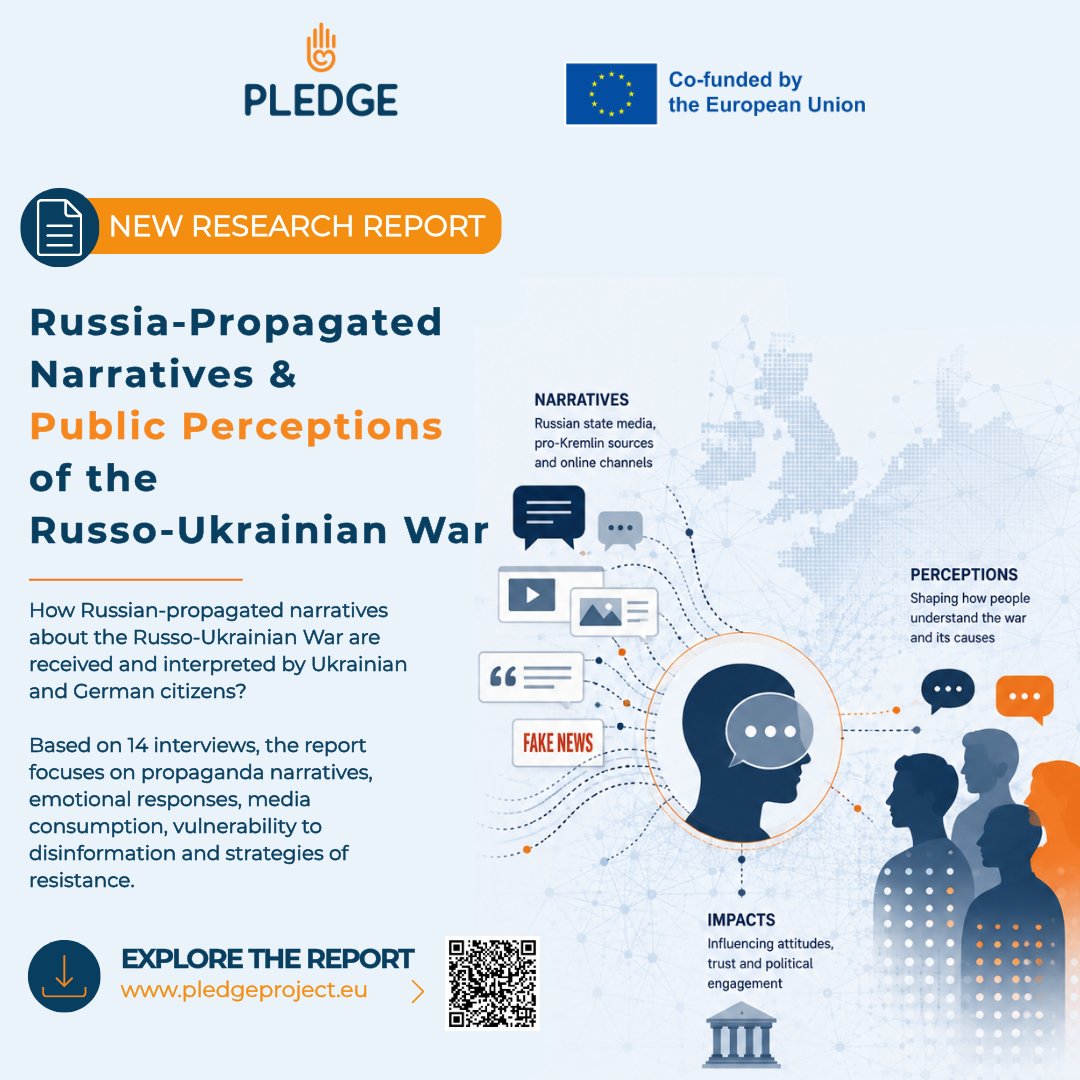
How do Russia-propagated narratives shape public perceptions of the Russo-Ukrainian War?
The new #PLEDGE report examines how propaganda connects with emotions, grievances & perceptions of injustice and how people can recognise and resist disinformation.
📄https://t.co/slA5qvsseQ
🎙️PLEDGE research beyond academia
How do affect & emotion shape contemporary political psychology?
PLEDGE researcher Christian von Scheve (FUB) discusses PLEDGE research on "Foundations of Political Psychology" by Paradigma Podcast.
🎧Listen: https://t.co/UIDJ00t2qA
📢 PLEDGE at #ESA2026
PLEDGE will be represented at the 17th European Sociological Association Conference @ESA_Sociology with the joint RN11–RN32 panel: "Emotional Dynamics of Grievance Politics"
📅 28 August
🕚 11:00–12:30
Looking forward to the discussion!
#PLEDGE
🧠What shapes the way we emotionally respond to political issues?
Tereza Capelos from the @unisouthampton team discusses insights into victimhood identities, ressentiment and the emotional ways in which people respond to political issues.
🔗https://t.co/ghyJTHGH5C
📰How do media narratives shape our understanding of conflict?
HEPP Talks: Part 8
Katerina Mandenaki from the NKUA team discusses research findings on the Russo-Ukrainian conflict discourse.
Watch the full video:
🔗https://t.co/Rq9Px2AFJW
#PLEDGE#GrievancePolitics#Media
🧠How do cynicism and kynicism shape political attitudes?
HEPP Talks: Part 7
Nicolas Demertzis from NKUA team examines the relationship between different forms of distrust, populism and political orientations.
Watch the full video:
🔗https://t.co/UXFvbLzbrm
#PLEDGE
Emotions shape the way groups respond to social and political challenges.
HEPP Talks: Part 6
🎙️Gavin Sullivan from IPU Berlin team discusses how ressentiment and grievances are real and must be considered when understanding group dynamics.
Find out more:
🔗https://t.co/B58K1lVayi