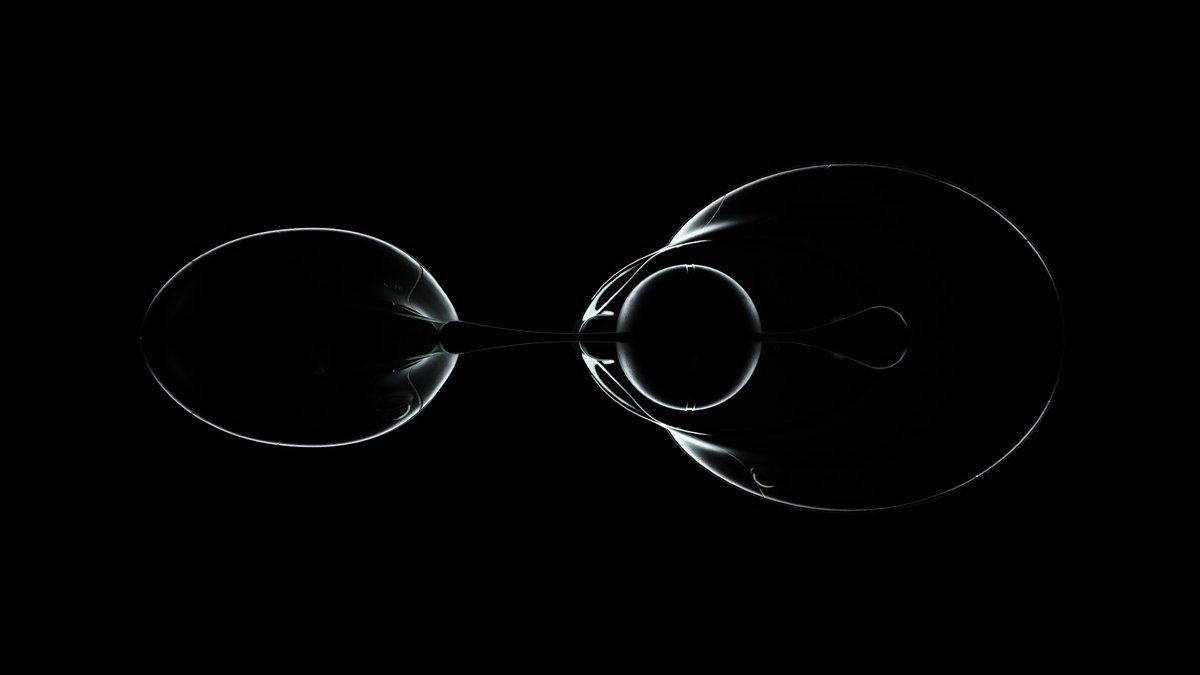
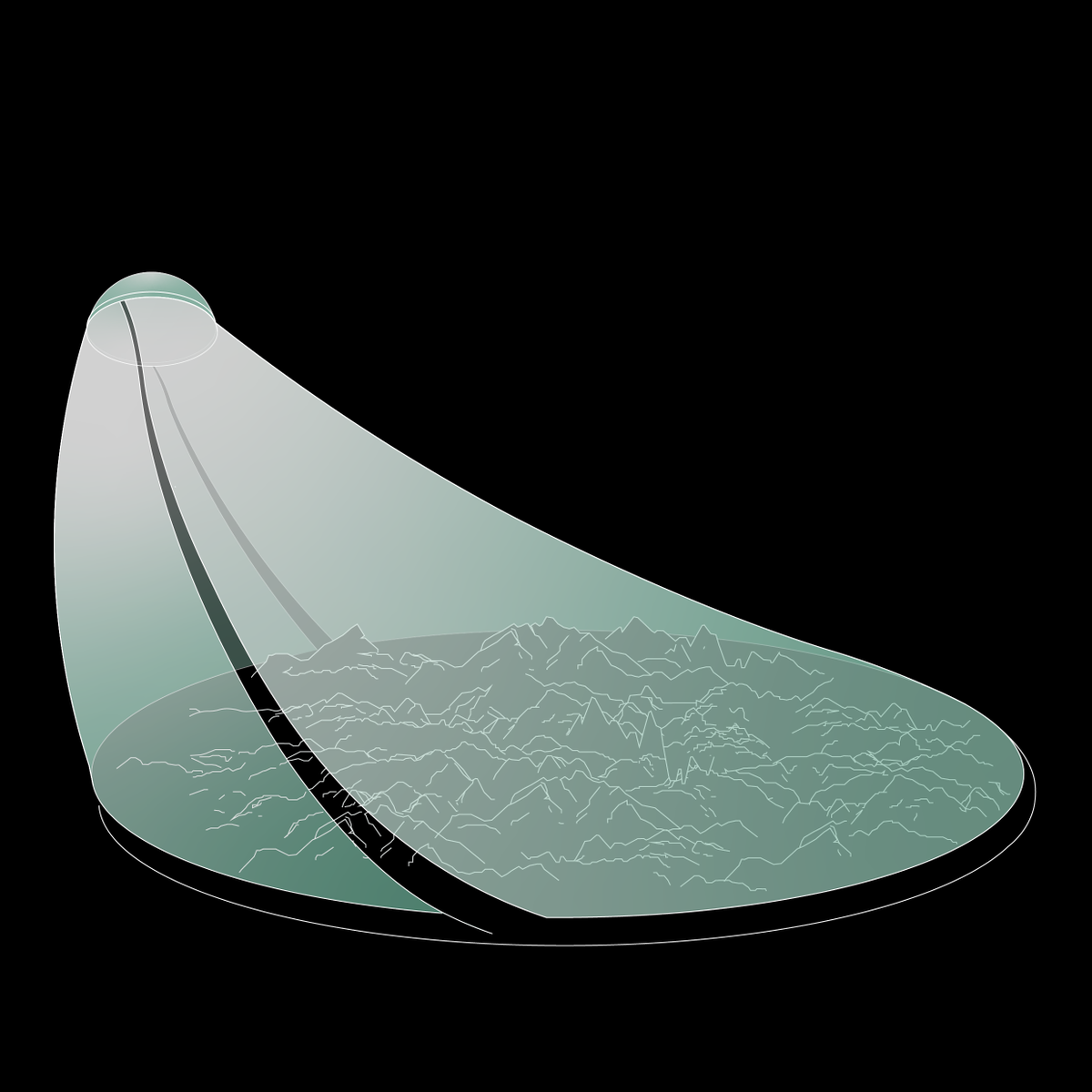
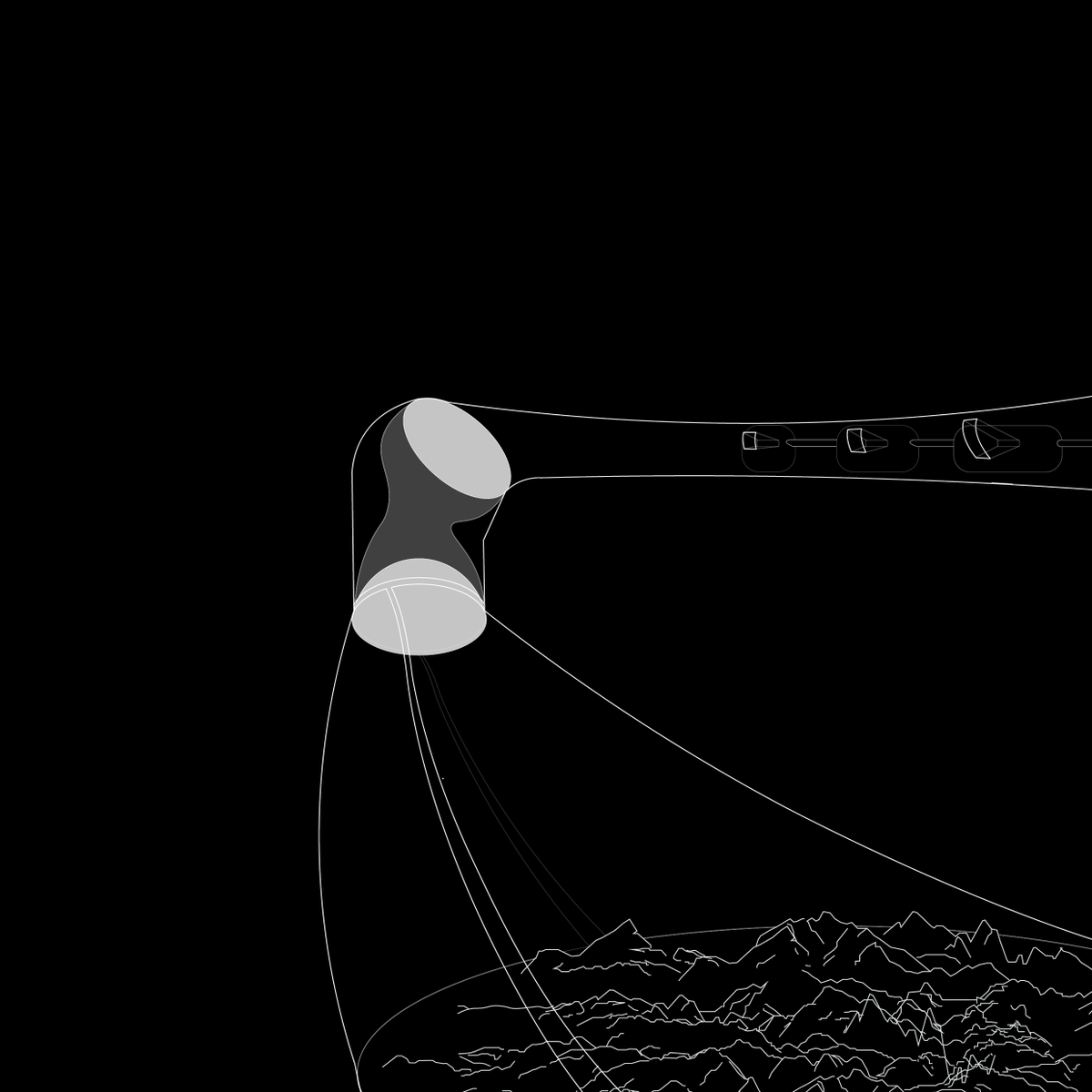
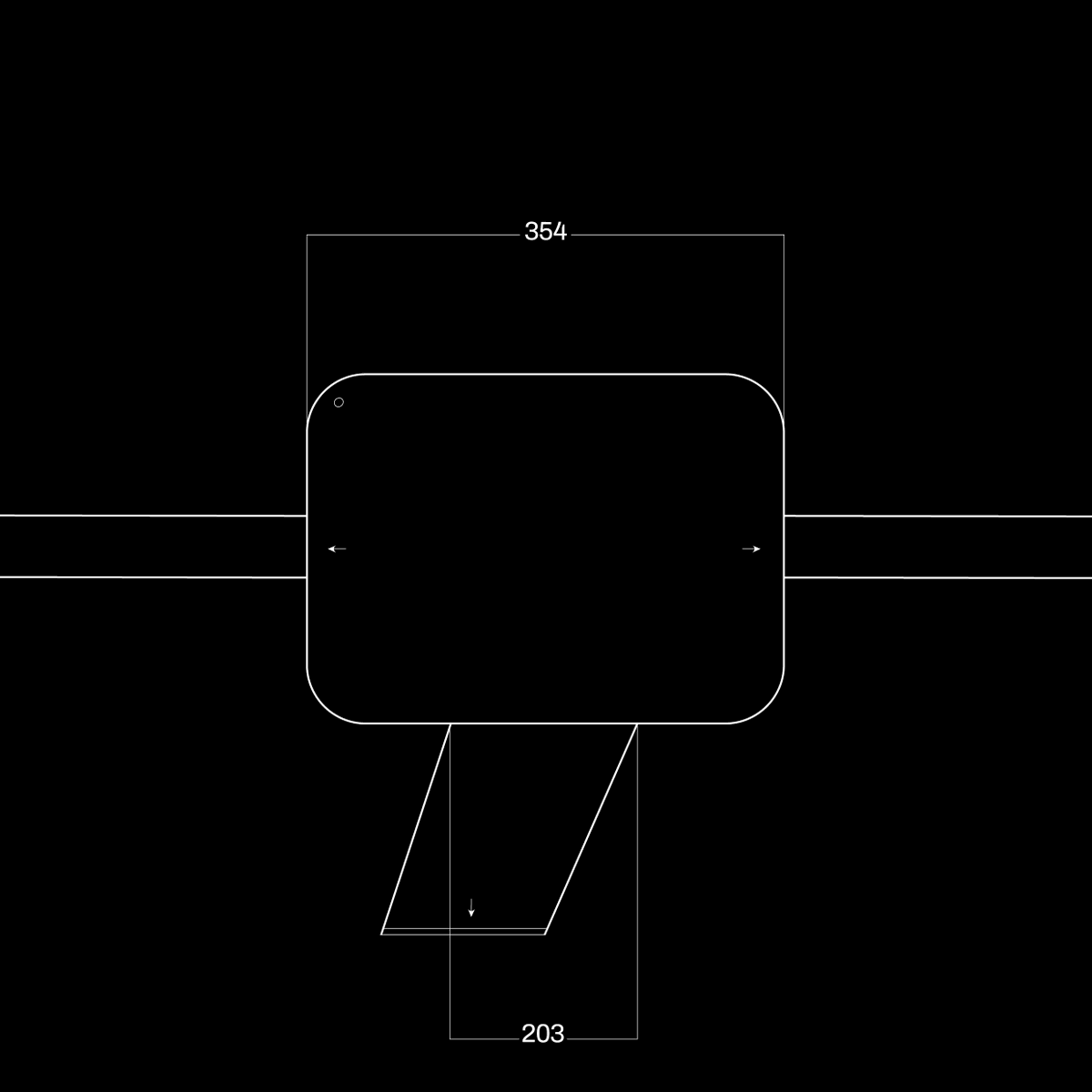
An exhibition that takes place in space (imaginary outer space, not virtual), @PlicnikSpace Initiative proposes an exhibition aboard the D02.2 spacecraft that showcases artworks that challenge the functionalities of institutional practices. https://t.co/F7dPb64LEc
Our newsletter this week features online events + #ArtOpps to see from home.
W/ @PlicnikSpace, a virtual exhibition aboard the D02.2 spacecraft, @JudeWacks A Lifetime’s Work, celebrating family businesses in Brent, part of @lboc2020#BrentBiennial + more: https://t.co/3zbfkU6BaF
The applications for Plicnik Space Initiative are now closed. A big thank you to all applicants.
Make sure you stay tuned to find out who has been selected!
Follow us on instagram: https://t.co/gQOihXWGhC
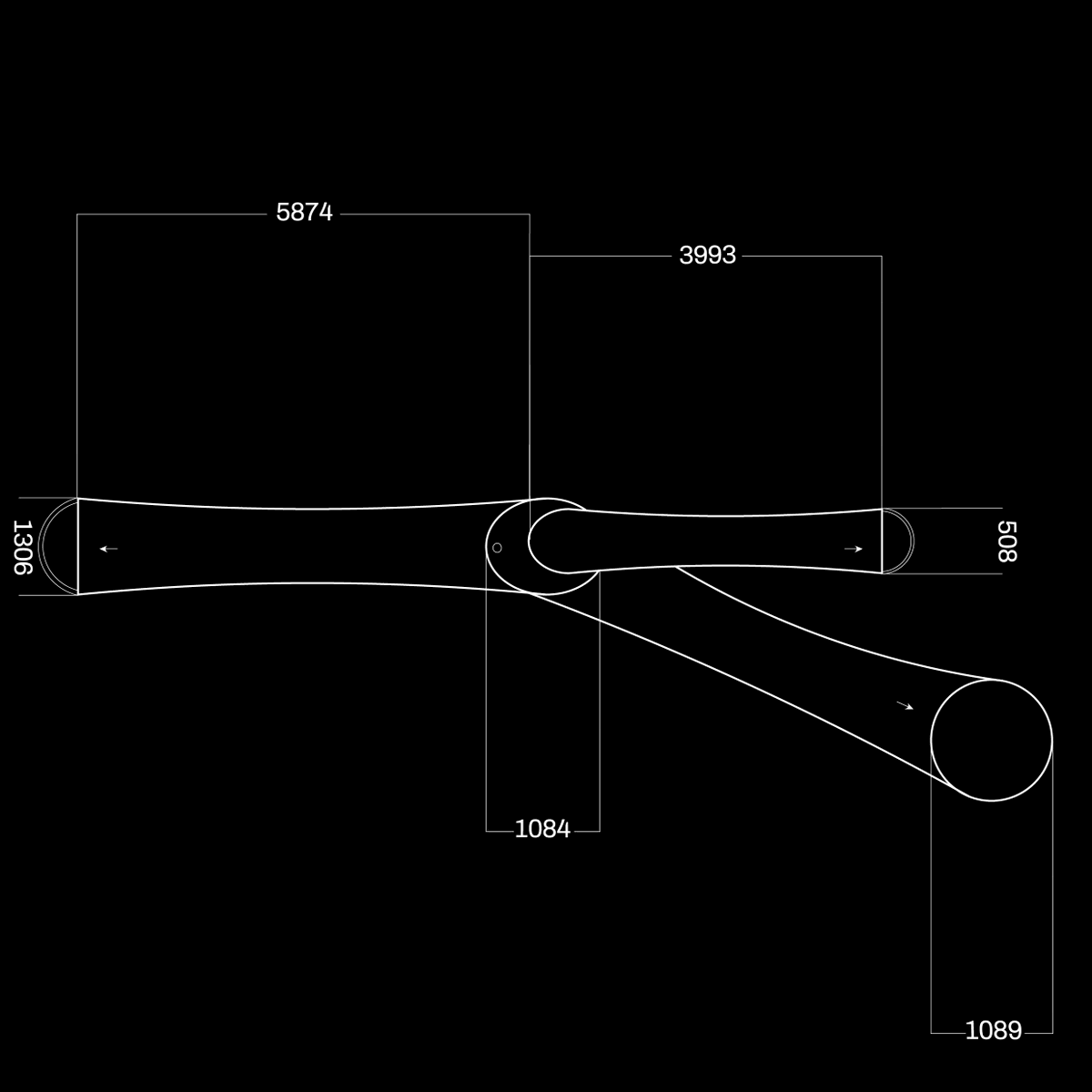
Tubular engine
The right-wing suspension and engine are the moving force of the craft. While it works perfectly and always produces a lot more energy than expected, nobody knows quite how it functions and why it doesn't require any fuel. It's really warm inside.
G3i Anti-Shock
The gas-based G3i Anti-Shock suspension avoids damage to the craft caused by engine vibrations. While this suspension can't withstand as much force as the fourth generation of Anti-Shocks, the G3i has intelligent stress distribution features.
G4 Anti-Shock
The right-wing suspension and engine are the moving force of the craft. The gas-based G4 Anti-Shock suspension avoids damage caused by the vibrations of the engine. The acoustics inside the suspension are best described as having an unexpectedly pleasant vibrato.
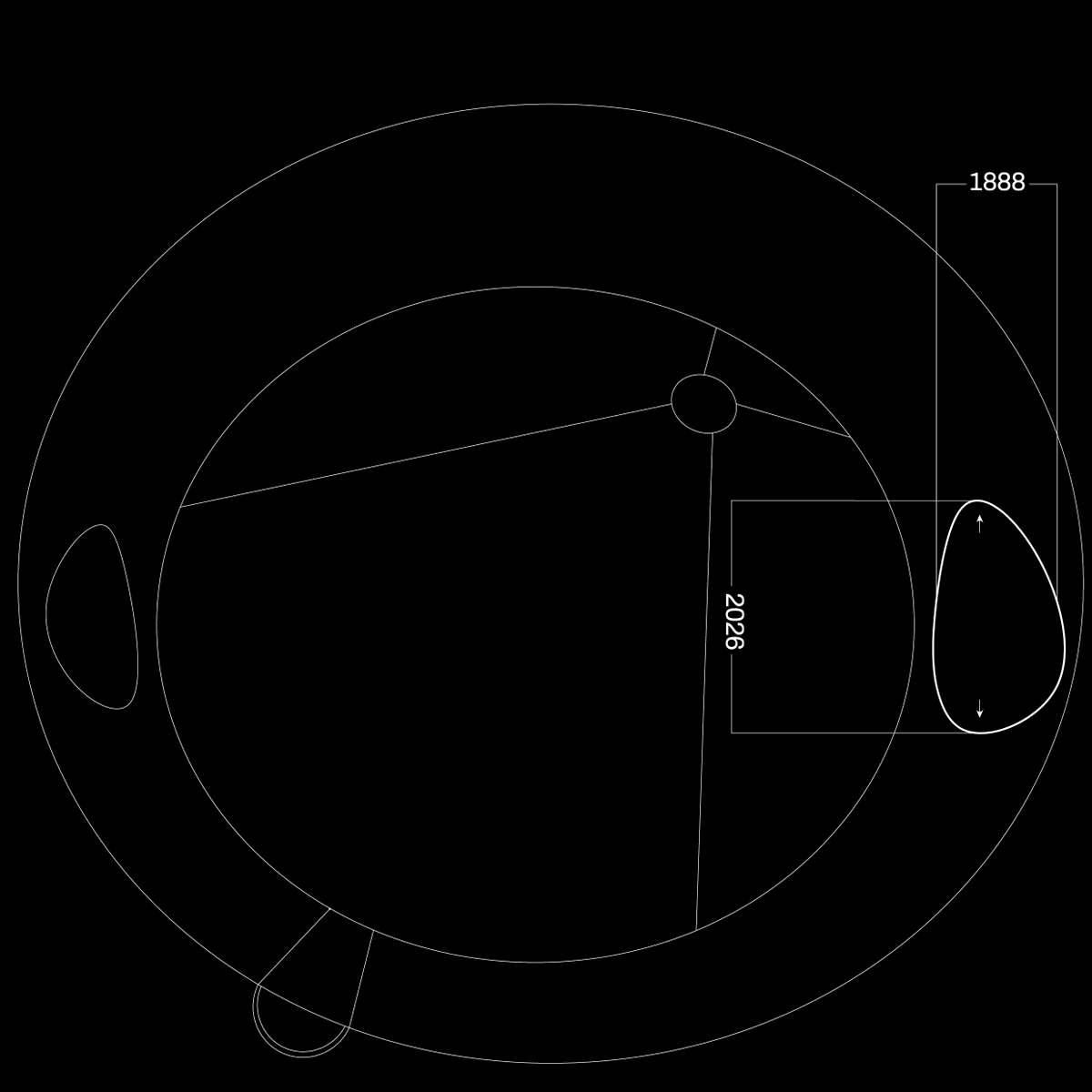
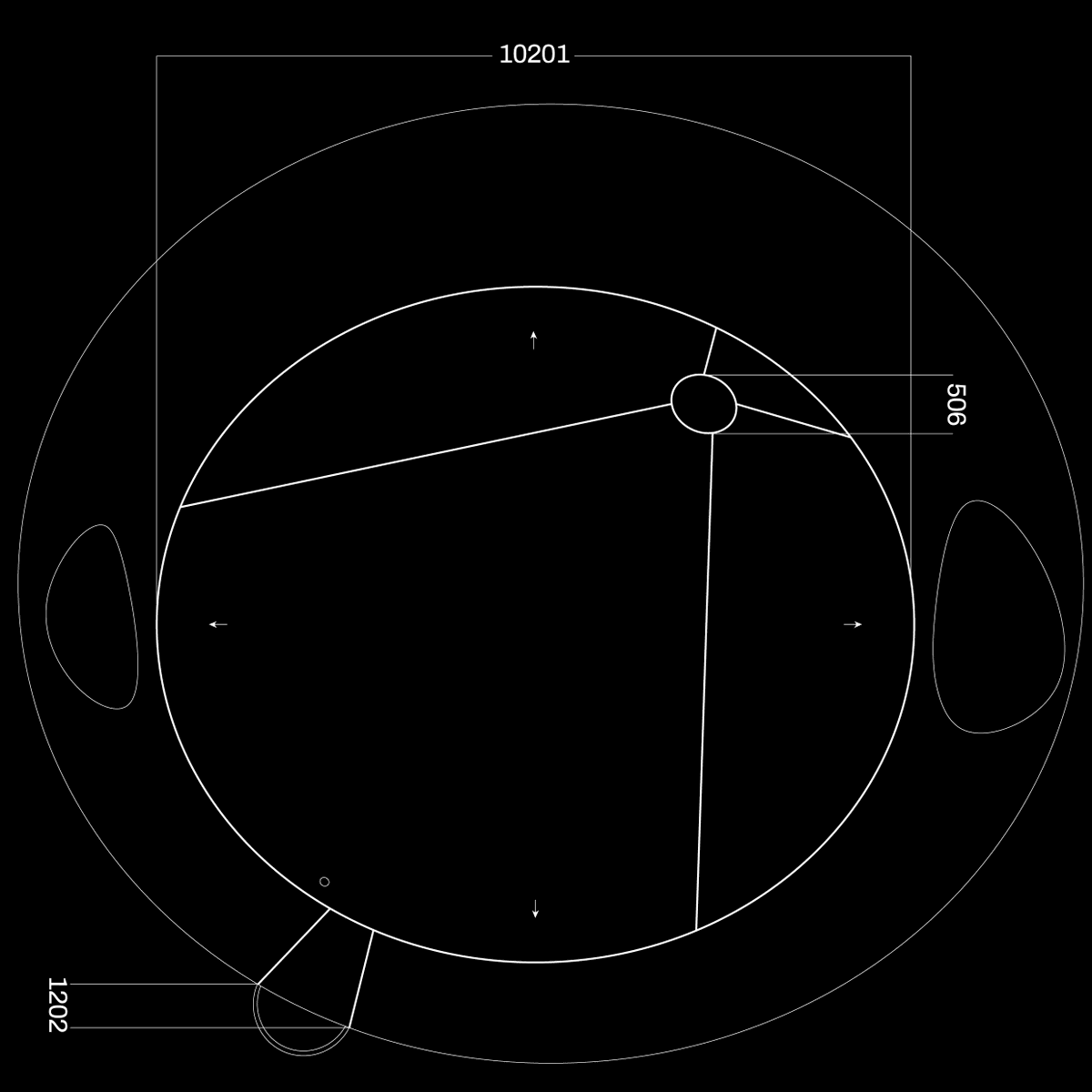
Processor
The right-wing fuselage is the largest section of the craft and contains three key features. The most complicated of which is the prism-powered processor. Although similar to the ventilated prism in the left-wing fuselage, its function is entirely different.
Dehumidifier
The dehumidifier—together with the humidifier in the left-wing fuselage—is arguably the most important space in the craft. Its arid climate helps to avoid a build-up of excess humidity.
Retraction shoulder
The retraction shoulder connects the right-wing fuselage to the joints and docking bay. While the name suggests that it—similarly to the maintenance shoulder—is a joint, it is actually a retracting organ that helps the craft contract and expand.
Dock D
Of all the docks, dock D is perhaps the most interesting. Just like the first three docks, it utilises force fields to suspend goods and crafts, instead of a ceiling rig, the only difference being that the force field in this dock actually works.