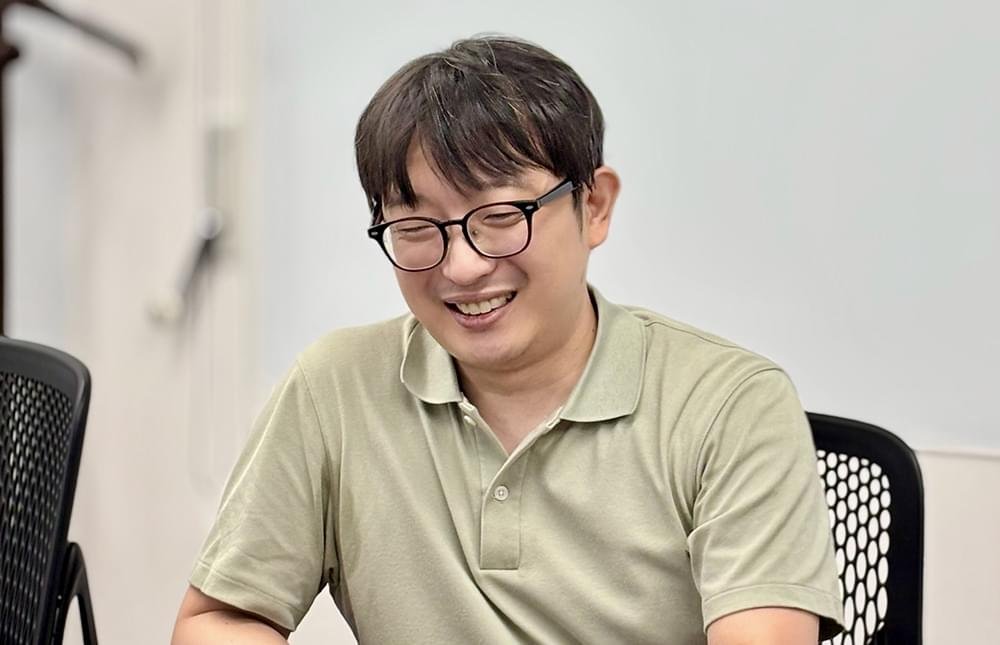
Q : Finally, do you have a message for creators, both domestic and international, who aspire to work in the anime industry?
K : Being good at drawing is certainly important. But I hope you won't stop there. When you can think about
"why you drew this picture" and
"what you want to express,"
and explain it to someone, the range of jobs you can do will expand dramatically.
From key animator to animation director. From animation to direction. And then to storyboard artist or director.
How far you go is up to you.
Put your work out there and let someone discover it. And if you have the opportunity, try it.
At David Production, we want to put more effort into nurturing people who will grow in the future, not just finding established creators. It would be wonderful if
, one day, the people we taught taught the next generation. It would be great if the number of people making anime increased all over the world in that way.
(3/3)
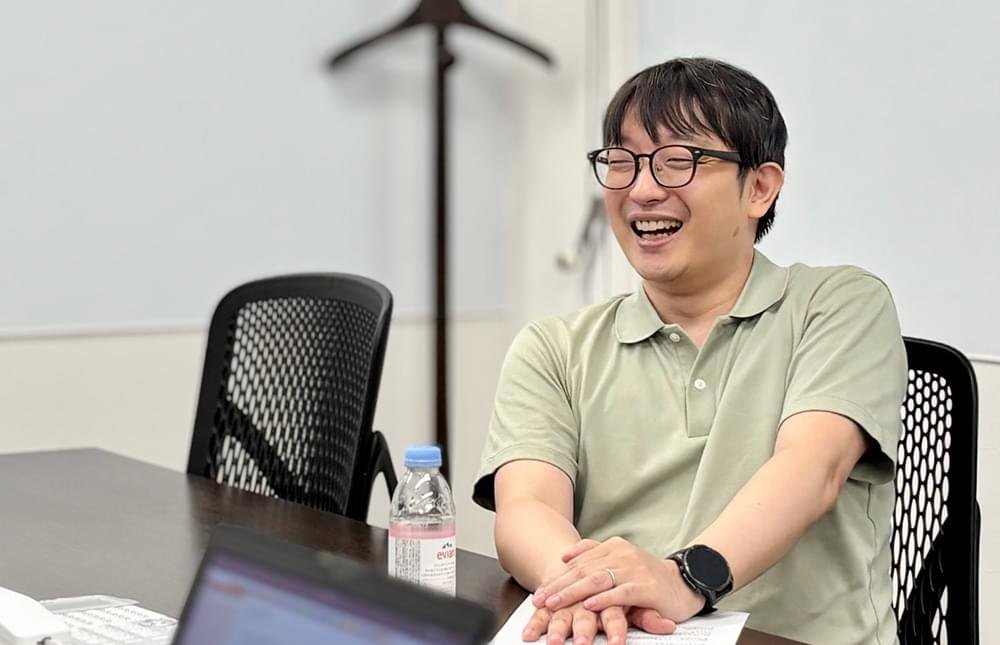
An Interview With Jojo's Bizzare Adventure Part 5 "Golden wind" and Part 7 " Steel ball Run" one of the Series Director Yasuhiro Kimura regarding his work on david production and Steel Ball run :
Q : Please tell me about your background and your current job.
K : I entered the anime industry around 2009. Initially, I joined an animation studio and started with in-between animation. From there, I gained experience in key animation and animation direction, and since I originally aspired to be a director, I started directing around my third or fourth year.
In my case, rather than aiming straight for a director position from the start, I gradually stepped up while experiencing various stages of anime production. Later, while working as a freelancer, I became involved with David Production and began participating in the "JoJo's Bizarre Adventure" series as a director.
Currently, while creating works as a director, I am also involved in nurturing creators and creating a production environment at David Production.
Q : What are your impressions of David Productions?
K : One distinctive feature is that there are relatively many projects that take a long time to complete.
When you're working as a freelancer and mainly on projects that run for one season, you often have to think about the next project at the same time as working on the current one. In that respect, with long-running series, you can be involved with a single project for a long time, including the preparation period. As a creator, I think it's an environment where you can settle down and create something while sharing the world of the work and working with the staff for a long time.
Q : What are your thoughts on nurturing young creators?
K : What I particularly believe is necessary is to increase the number of people who can eventually handle directing and storyboarding.
In the Japanese animation industry, there is a clear path from in-between animation to key animation. However, when it comes to "how to become a director" or "how to learn to draw storyboards," there are actually very few established methods.
I myself was given a script and told, "Try drawing a storyboard with this," then I would show what I drew to a senior animator, and they would say, "Isn't this better?" and I would revise it. And then I would draw again. It was a constant cycle. I think that kind of thing still remains to a considerable extent in the industry as a whole. That's why I think it's important to create even a small "place to learn."
Q : How exactly is it taught?
K : It varies from person to person, but for some, I review their work once or twice a week. For layouts, they bring in two or three cuts, and we check them together. A single review can take anywhere from one to three hours.
Nowadays, we often review online. I share the screen with them and discuss things like, "Why did you do it this way?" or "Wouldn't it be clearer if you did it this way?" Some people tend to
keep everything to themselves until completion, so in those cases, I set a schedule, "Let's show it to you on this day every week," and they show me their work even if it's still in progress. I don't teach everyone the same way; I try to adapt to each person's personality and pace.
Q : What are some things you particularly want young employees to learn?
K : I believe the most important thing is being able to explain "why you drew this picture.
(1/3)
" Not just because "it looks cool," but being able to explain things like
"I want this character to act this way,"
"I want to show this emotion in this scene," and
"that's why I chose this composition
." Creating a work of art isn't something you do alone, so there are many situations where you have to communicate what you're thinking to others. This is important even for original drawings, but it becomes even more crucial when it comes to direction and storyboards. I
want you to become someone who can think not only about the technique of drawing, but also about "what you are trying to express through your drawing."
On top of that, it's still important to draw a lot. The production environment is different now than it was in the past, so you can't apply the old standards of "how many drawings it takes to become an original drawing." But there is meaning in drawing a lot. The more you draw, the more opportunities you have to get your work checked and receive feedback. Each of those experiences becomes a learning opportunity.
Another thing is being able to "discard" your own drawings. When you consider the work as a whole, if a drawing is not necessary, you have to discard it. The more you draw and the more revisions you get, the more you learn to judge which ones are unusable. I think that's an important skill for a professional
Q : How do you envision young creators succeeding in the future?
K : I hope that as many people as possible will move on to the next step. And most importantly, I hope that the people I've taught will then teach the next generation. It
shouldn't end with training one person; those who have been trained should then train the next generation. I believe that without such a cycle, the industry as a whole won't grow.
Of course, I would be happy if the animators I've taught at DP stay and continue to work there. But more than that, I hope they stay in the anime industry.
I sometimes think of the anime industry as one big company. Even if they go to a different studio now, we might work together again on a different project in a few years. I believe it's more important that skilled people stay in the industry and that their skills are passed on to the next project and the next generation.
Q : What are your thoughts on collaborating with overseas creators on projects?
K : In Japanese anime production, it's no longer unusual for animators from overseas to participate in key animation. In fact, in the projects I'm involved in, we have animators from various countries participating.
Of course, there are language barriers. When an interpreter is involved, meetings can sometimes take longer than if only Japanese people were involved. But more important than that, I think, is what that person can draw. There are many truly talented people overseas. It's not about nationality, but whether we can create a good work together as creators. I think that's the most important thing.
On the other hand, Japanese anime production has its own unique production flow. For example, how much detail to include in the key animation, how to give instructions to the in-between animators, how to handle time sheets, and how to create layouts. In
the case of people who have worked on individual projects overseas, even if they are very skilled at drawing, they may not know these Japanese production rules. If we are to work with overseas creators more continuously in the future, I think the production side will also need to make some adjustments.
For example, it would be good to have a simple manual or guidance that says, "If you're going to participate in Japanese anime, it's good to know this first." Instead of explaining everything from scratch every time, we can start working after sharing the basics. This would allow both creators and production teams to work more smoothly.
(2/3)