Family planning remains a significant matter, with participants emphasizing the need for extended sensitization efforts in communities to raise awareness and promote understanding.
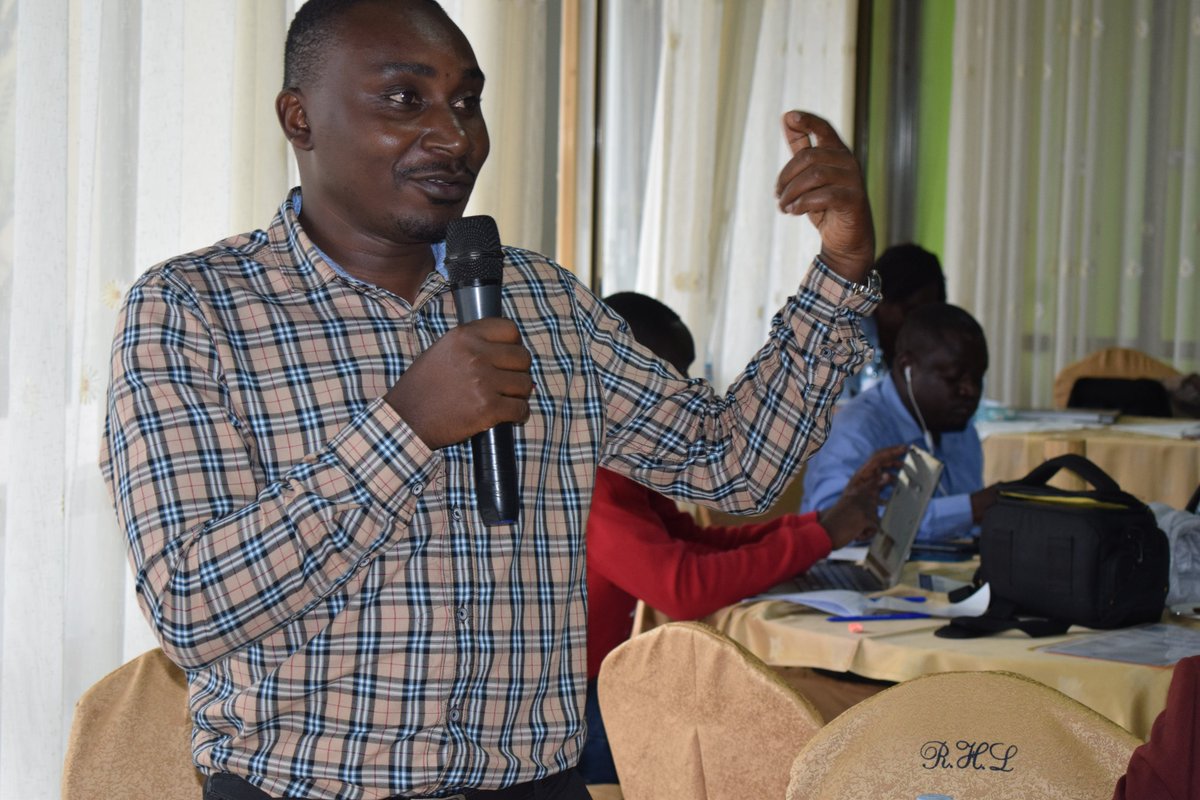
Kintu noted that Kawempe Division's large population is underserved with only three public health facilities. He recommends increasing the drug supply to these facilities.
Kintu Yeko, Bio-Statistician for Kawempe Division, praises the PMA research for providing a realistic picture of the region's situation. However, he urges the Ministry of Health to improve the accessibility of commodities.
Bishop Andrew Lugoloobi, Secretary General of the Born Again Faith, calls for addressing concerns about alleged harmful side effects of modern contraceptives, suggesting these fears may deter women from adopting modern family planning methods.
Dr. Innocent Nkonva, Luwero DHO, said that some men hinder family planning by not allowing their wives to access services. He shared a recent incident where a husband confronted a nurse over his wife's implant insertion, insisting on its removal despite the doctor's explanations.
The PMA 2024 survey reveals 14.7% of women have unmet family planning needs, with 21% of them experiencing unwanted pregnancies. Dr. Simon Peter Kibira notes that the goal was to reduce this to below 10% by 2025, acknowledging significant work remains to reach this target.
Dr. Simon Peter Kibira, says that a 2024 survey showed an increase in the use of traditional family planning methods among women compared to previous years.
According to Dr. Fredrick Makumbi, family planning - encompassing both modern and traditional methods - is a crucial pillar of safe motherhood, playing a vital role in promoting maternal health and well-being.
Dr. Fredrick Makumbi, PMA Project Principal Investigator, highlights family planning's benefits, particularly for maternal health. He outlines the risks of closely spaced births, noting that a mother having children in consecutive years may face health complications.
Officials, health professionals from KCCA and North Buganda region are convening at Ridar Hotel, Mukono for a regional family planning dialogue. The meeting aims to discuss the impact of family planning on motherhood and explore ways to improve reproductive health outcomes.
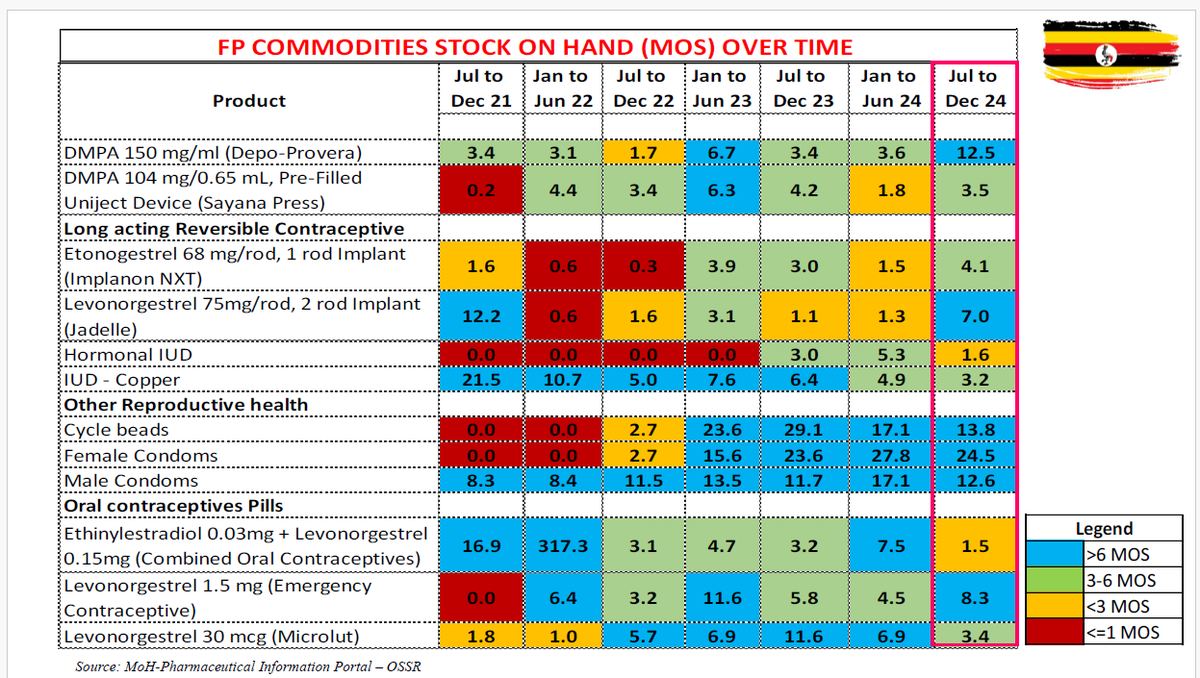
Mr. Rogers Kagimu from the Ministry of Health highlighted the stock on hand and challenges contributing to stockouts, including inaccurate reporting from health facilities, lengthy lead times, and inconsistent delivery cycles by National Medical Stores.
Dr. Roseline Achola, Reproductive Health Technical Advisor, calls on parents to take an active role in their children's well-being. She highlights the Ministry of Health's interventions, emphasizing family planning as a crucial factor in promoting public health & improving lives.
Rev. Canon Patrick Mutalwa, from East Busoga Diocese, urges action, saying, "We must acknowledge our crisis. Ignoring sensitive issues like teenage pregnancies puts us in danger." He cites 2 Timothy 4:2, emphasizing the need for solutions to address this pressing issue in Busoga.
Babirye Yudaya challenges the notion that culture is to blame for teenage pregnancies and other health issues. Instead, she highlights culture's positive aspects, such as the use of local remedies that have proven effective, like those used during the COVID-19 pandemic.
The Kyabazinga calls on men to take an active role in nurturing their children to create lasting impact. He believes that men are carry significant powers to influence a notable transformation in communities.
Owek. Babirye Yudaya shares the Kyabazinga's vision for a men's movement to drive positive change in Busoga. After meeting with headteachers, the King emphasizes that children need stronger guidance from home.
Owek. Babirye Yudaya highlights @KingNadiopeIV's stance on tackling teenage pregnancies and early marriages: Men must take the lead. As the Kingdom's Kyabazinga Affairs Minister, she stresses that men are seen as the pillars in eliminating this harmful practice from the region.
Moses Bukenya Sseguya, Iganga District CAO, expresses skepticism about family planning's relevance in communities. He questions the idea of limiting family size when land is available, suggesting that the focus should be on responsible land management rather than family planning.
Elizabeth Kalembe, Kyabazinga Initiative's Program Manager, shares that they're working tirelessly to address the issues driving teenage pregnancies. Their efforts began in December 2024, following @KingNadiopeIV's appointment as UN Ambassador to combat early marriages in Busoga.