#POCUS#FOAMed
The cylinder effect in IVC measurement 👇
Where the ultrasound beam slices the vessel matters.
Off-center → falsely smaller diameter ❌
Center → accurate measurement ✅
This makes serial IVC measurements less reliable, especially if different operators of varying competency are acquiring the images.
For monitoring, #VExUS waveforms are more reproducible.
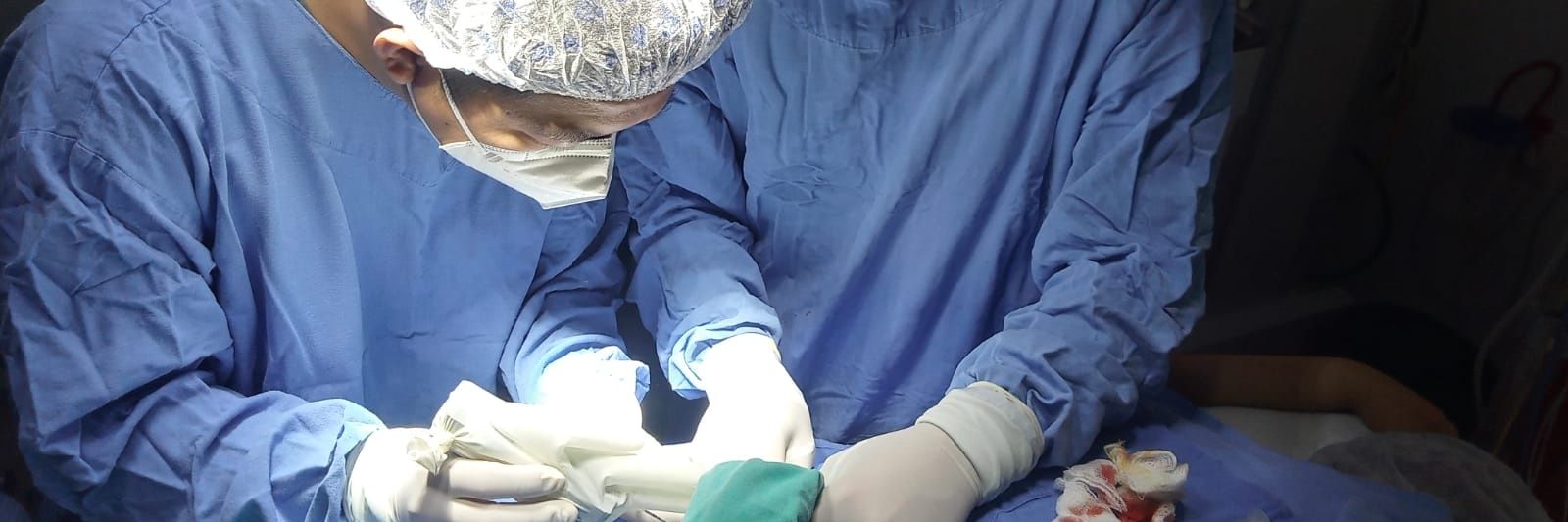
Emergency ultrasound-guided percutaneous PD catheter insertion in an orthopneic, dyspneic, and hemodynamically unstable patient (on norepinephrine, vasopressin, and dobutamine), performed under local anesthesia.
This was my first time performing the procedure on an ORTHOPNEIC patient -- a scenario often not feasible with an open surgical technique. One of the best clinical situations where the percutaneous approach truly shines.
Grateful to be saving lives on Maundy Thursday.
#InterventionalNephrology
#MaundyThursdayGrind
Interventional Nephrology Workshop, World Congress of Nephrology (WCN), Yokohama, Japan.
POCUS and dialysis access.
Lead by my mentor Dr. @bernardo_moguel & POCUS master, Dr. @ArgaizR#WCN
Advance your interventional nephrology skills with the ISN Interventional Nephrology Scholarship. This hands-on training program offers structured mentorship and practical experience to help nephrology professionals strengthen procedural care and bring new expertise back to their home institutions.
Dr. Odalina Marrero, who undertook her scholarship in Ecuador, describes the program as "a transformative experience" that enhanced her skills in POCUS, VEXUS, catheter placement and vascular access procedures, enabling her to improve patient care and train colleague in her home country, the Dominican Republic.
The scholarship supports trainees from lower-, lower-middle, and upper-middle-income countries, with funding covering travel, accommodation, and living expenses.
Apply for an ISN Interventional Nephrology Scholarship, the deadline is June 1, 2026 ➡️ https://t.co/8EM6vlazwG
#Nephmadness
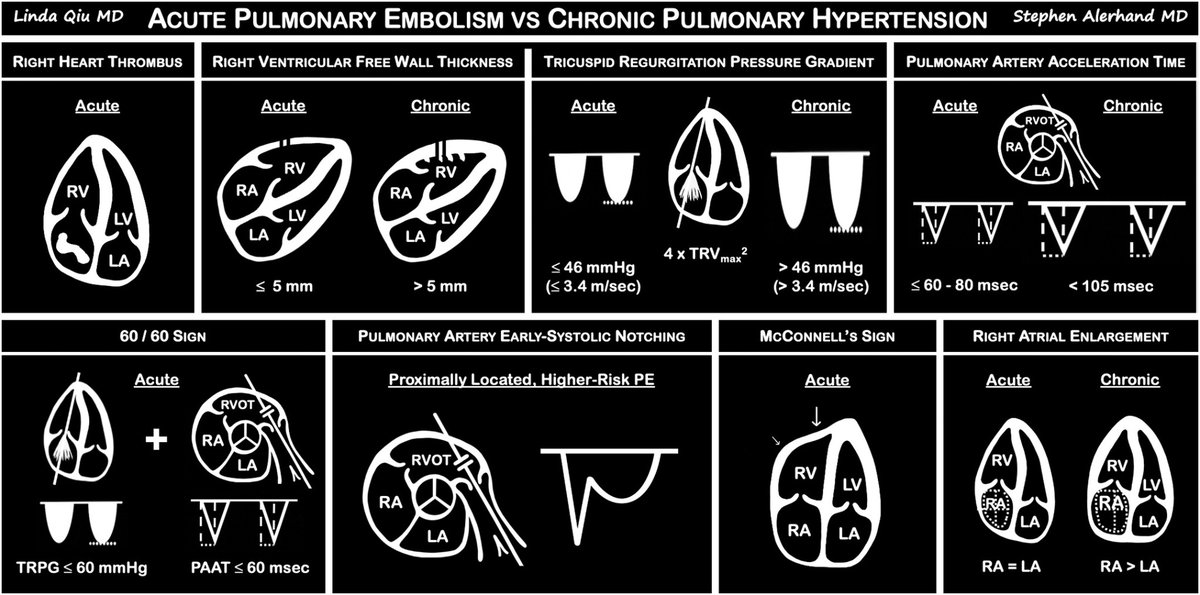
Summary Infographic for Distinguishing Acute Pulmonary Embolism and Chronic Pulmonary Hypertension.
(*overlaps exist, use multiple parameters in the appropriate clinical context)
#POCUS#CriticalCare#Nephpearls
🔗 Alerhand S, Adrian RJ. Am J Emerg Med. 2023 Oct;72:72-84.
Pan CT following cardiac arrest has become my routine practice for the past 6 years. Why?
1. Their heart stopped --> we need to figure out why.
CT can identify unexpected or difficult to diagnose causes. e.g. PE, pancreatitis, abdominal catastrophe
2. They were just assaulted for X min with CPR . I've seen flail chest, hemothorax + liver/spleen lacerations. They have thoracoabdominal trauma.
3. CT head identifies catastrophic brain injuries (not early gray-white loss or edema which doesn't mean much if done right post ROSC) but rather massive bleeds or sometimes even strokes.
I operationalize it as a CT head non-contrast, CT chest with PE protocol, and then CT abdomen with whatever phase they can get after everything else.
Of course, I do not delay transfer to cath lab or OR if there is a specific indication (e.g. STEMI vs. bleeding) but will get a CT after the cause has been reversed in those cases.
Sharing an interesting case I encountered today—one that may actually be worthy of a formal case report.
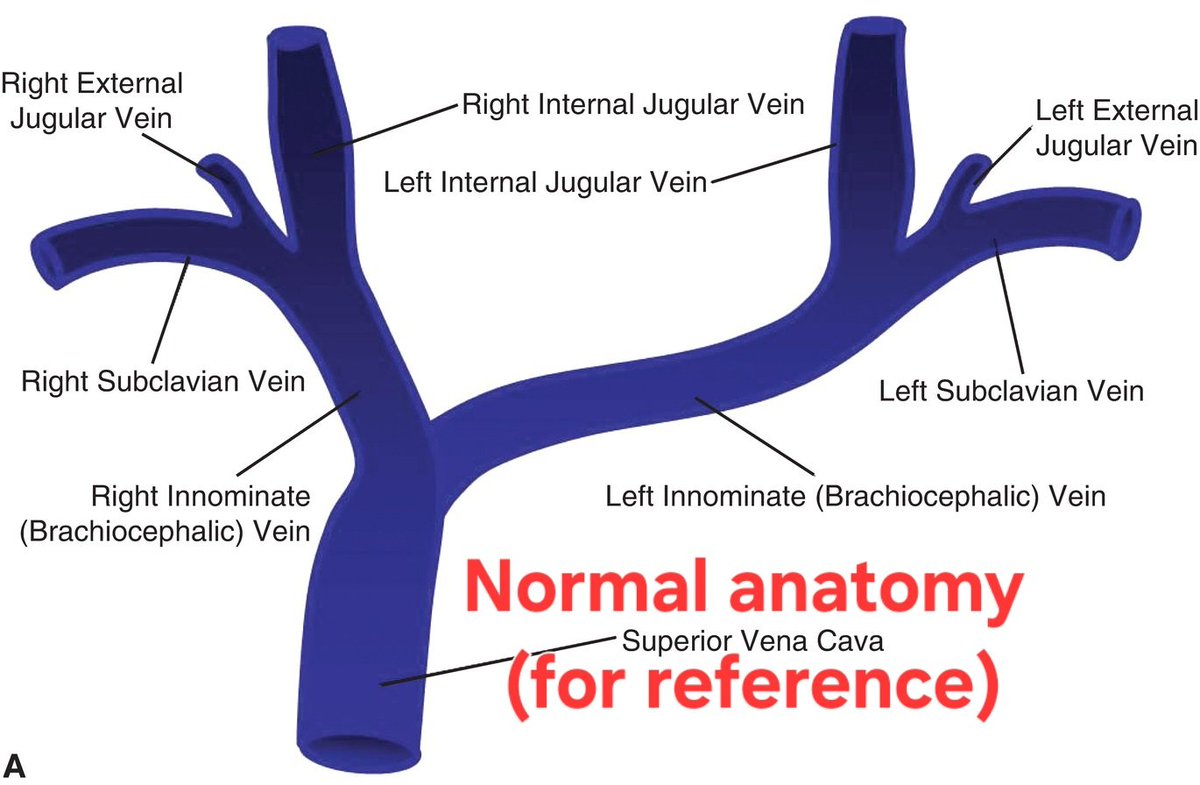
A 26-year-old female underwent insertion of a tunneled left internal jugular hemodialysis catheter (Permcath). The left side was chosen because the right IJ was no longer patent from multiple prior cannulations.
The procedure itself was uneventful. Ultrasound guidance confirmed that I had cannulated the left internal jugular vein properly, and the catheter advanced smoothly without resistance.
However, the post-procedure chest X-ray gave me an immediate scare. The catheter appeared malpositioned, raising concern for a serious complication. To clarify the anatomy, we requested a CT angiography—which fortunately brought relief.
The patient turned out to have a congenital anomaly: a duplicated, left-sided superior vena cava (persistent left SVC).
A rare but important anatomical variant that explained the unusual catheter trajectory on X-ray.
#InterventionalNephrology
(1/x) For venous congestion, it turns out that the same Doppler pattern can have different prognostic and therapeutic significance depending on the underlying cause.
These have been coined congestive 'endotypes'.
Here's how I think about them👇
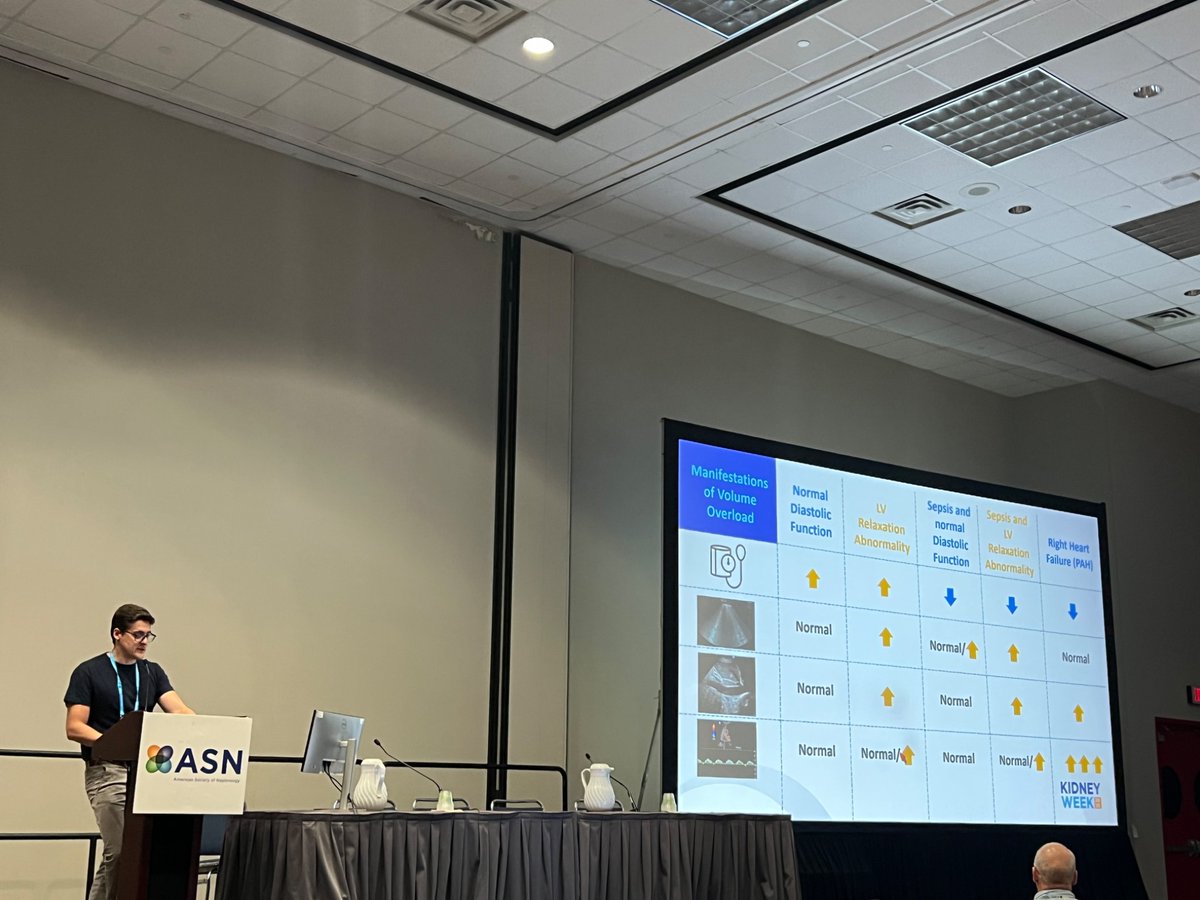
Fluid management in the critically ill — a lecture today at the American Society of Nephrology convention.
So many slides on fluid responsiveness… yet not a single mention of fluid tolerance.
And the most concerning part?
“Cessation of fluid responsiveness” presented as a marker of adequate resuscitation.
What do you think, @ThinkingCC?
LVIII Congreso Nacional de Nefrología — Monterrey, Mexico.
Delivered a lecture and hands-on workshop on Image-Guided Percutaneous Peritoneal Dialysis Catheter Insertion under both ultrasound and fluoroscopic guidance.
I am deeply grateful to be back in Mexico — a country very close to my heart. This visit is not only an opportunity to teach and share knowledge, but also to reconnect with friends and colleagues, experience the beauty of this nation once again, and to proudly raise the flag of the Philippines and @psnmanila on the global stage.
#InterventionalNephrology
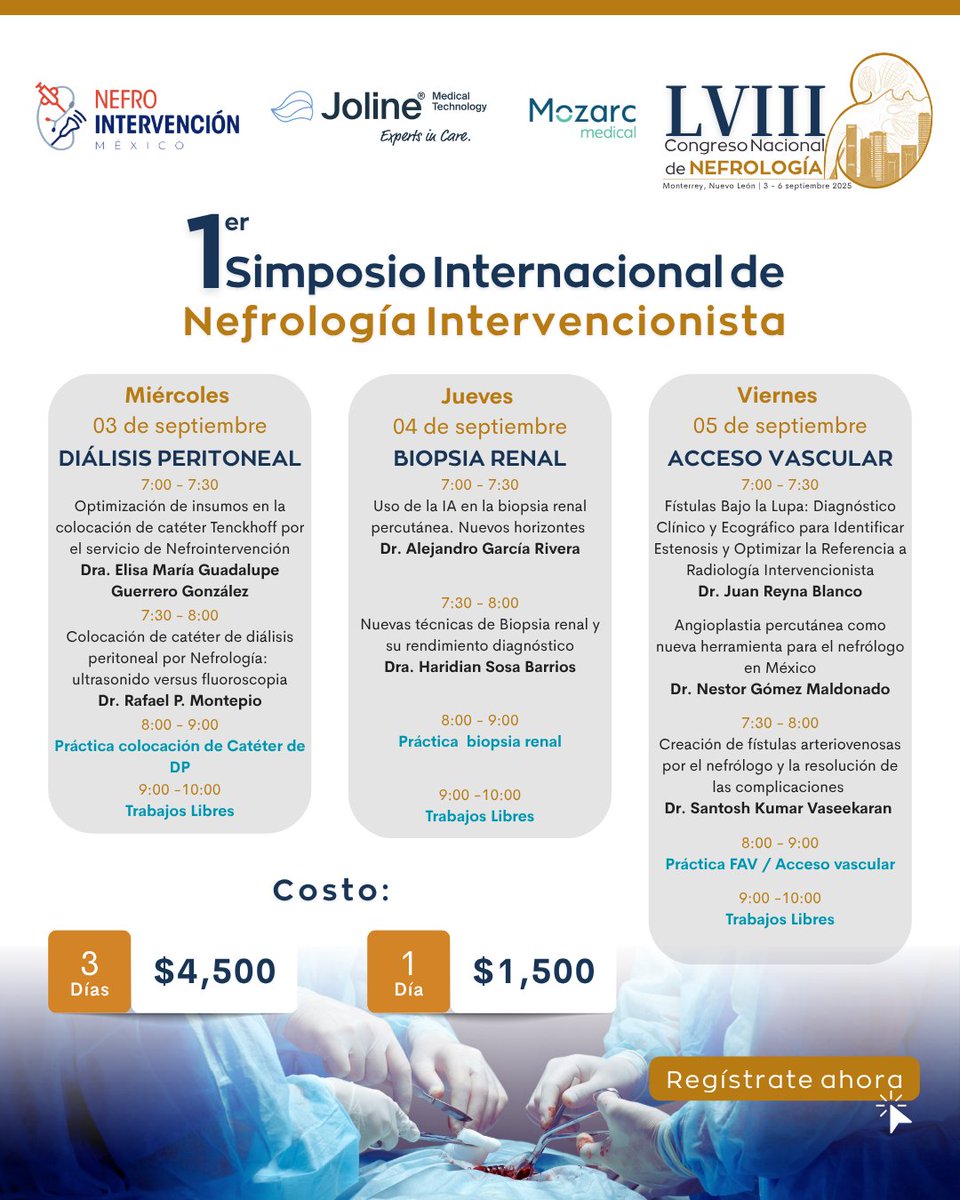
🚨No te lo puedes perder !
1er Simposio Internacional de Nefrología Intervencionista en el LVIII Congreso Nacional de Nefrología de @DeNefrologos
✅ Prácticas en modelos anatómicos
✅Discusión de casos
✅Trabajos libres
Registro: https://t.co/scLRiHkN8Y