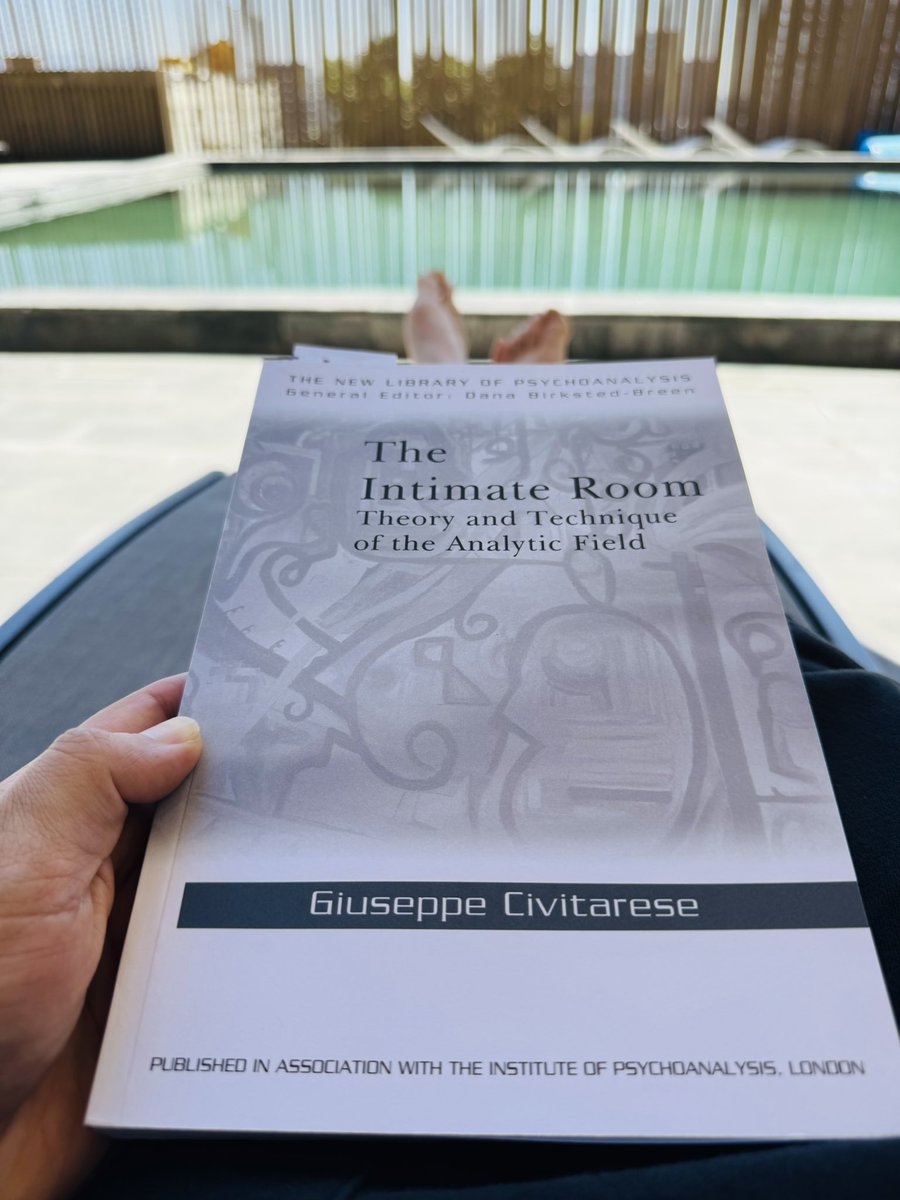
I’m noting keywords or ideas here for psychotherapy that are having greater meaning for me day by day. Will add more as I go. A lot is learning from @JonathanShedler and the community
Otto Kernberg, appointed as Honorary President of the IPA, at the recent IPA Congress in Lisbon
An honor reserved for individuals whose work has achieved truly exceptional international recognition.
We celebrate also Dr Kernberg’s birthday, today, 10 September 1928
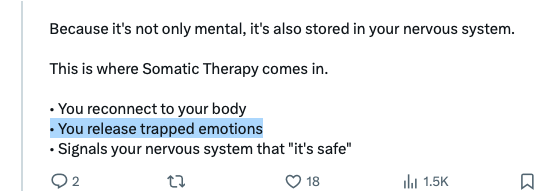
1/ I’m seeing more and more stuff like this, from therapy influencers/wannabe influencers with no training or knowledge. They really think they’re saying something new.
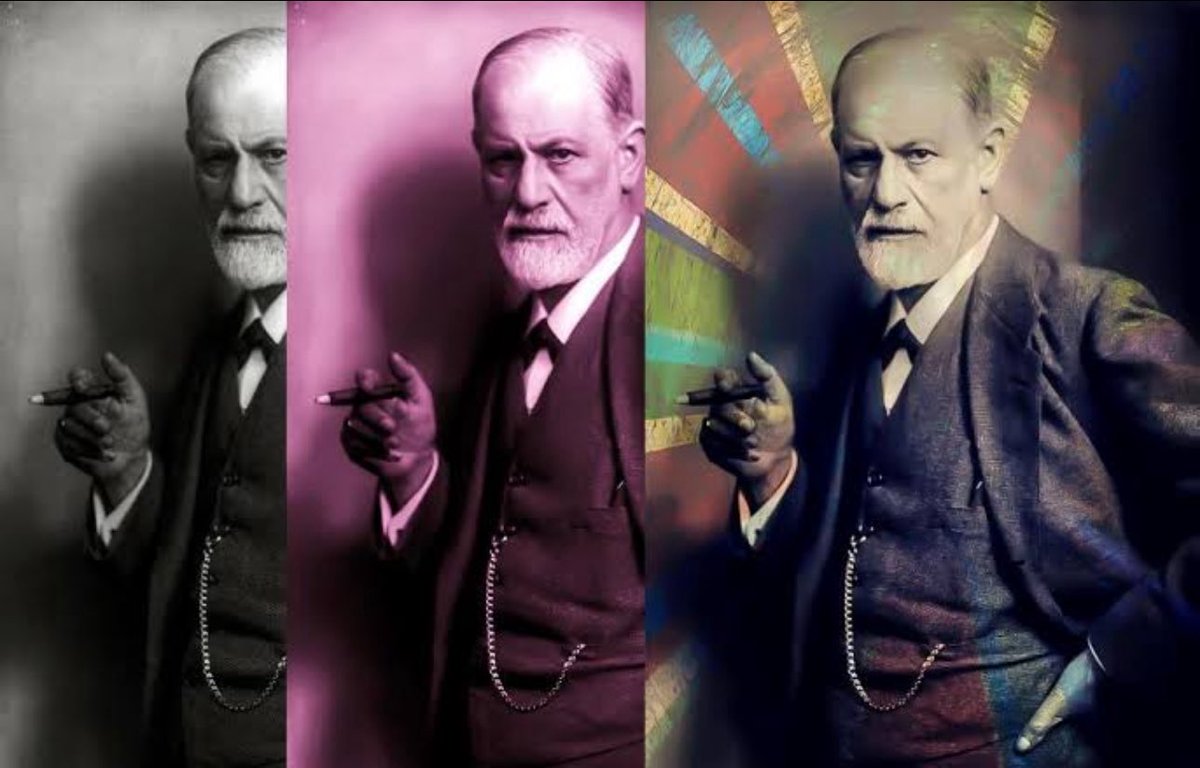
In fact, this was Freud’s theory in 1895—more than 125 year ago:
Emotions are trapped (repressed) in the nervous system (unconscious) and can be released (catharsis)
By 1900, Freud had abandoned this theory—because it was untenable, and not a sound basis for therapy. That was 125 years ago.
Nothing new under the sun. But we’re destined to repeatedly, endlessly turn down every blind alley/dead end, because Insta-therapists who never learned anything market themselves as “experts”… and people actually listen to them🤷🏻♂️
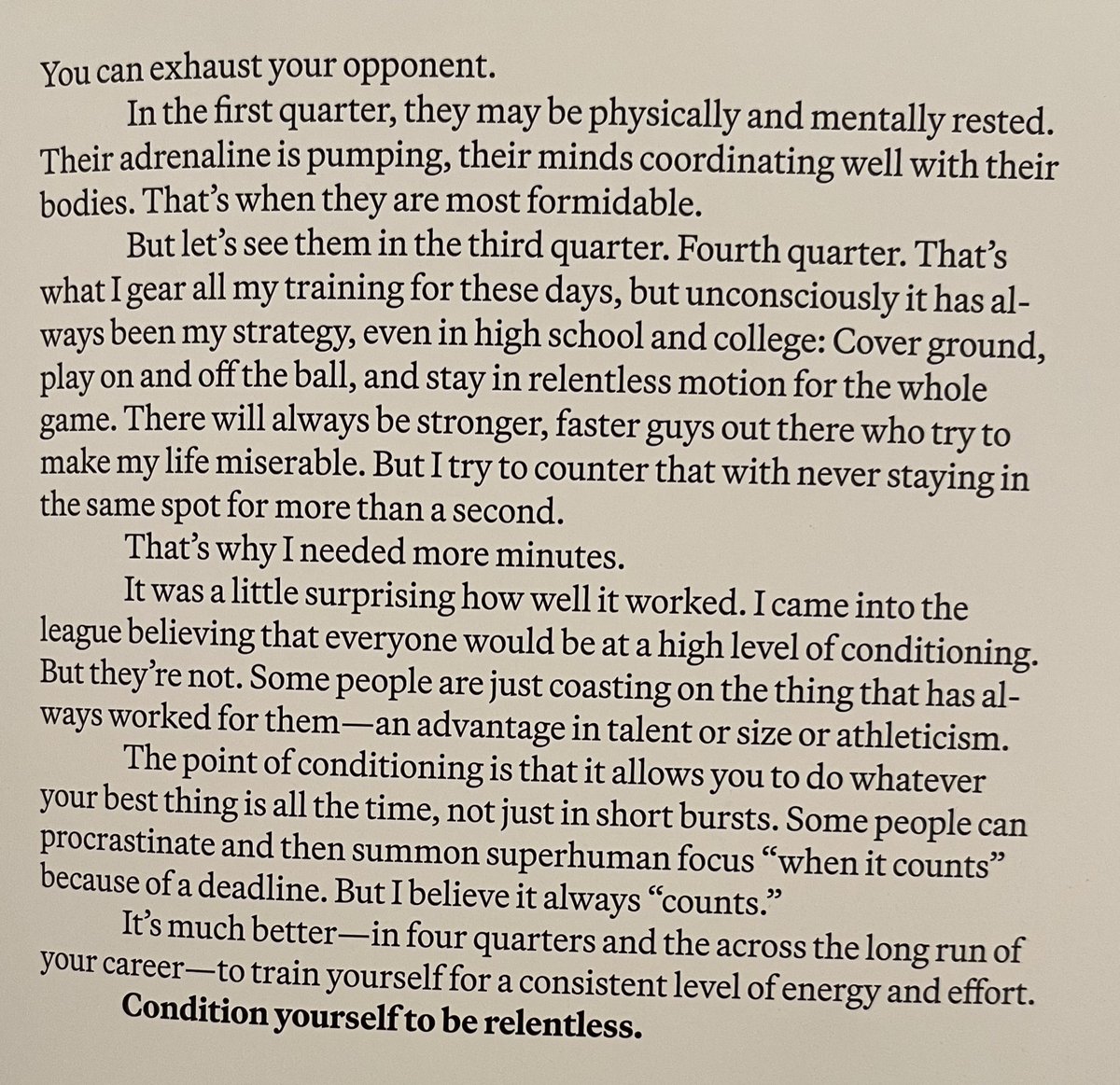
“The more often he feels without acting, the less he will be able ever to act, and, in the long run, the less he will be able to feel.”
Psychotherapists, in my opinion, have an obligation to help patients find balance between learning to access/allow *feeling* without…..1/2
That discomfort -I would say- leads to a bias against the psychoanalytic ideas in favor of “common sense” and “what you already know” tells you how to be therapeutic, all you need are some skills, some power ups.
A gross generalization, but made in service of an idea:
Many MD therapists I have spoken to went into therapy training with the idea of healing being difficult and expecting a healing psychotherapy relationship will be something difficult to become skilled at,
@avisxsola@KemtrupTweets I still remember seeing vividly seeing a copy of Gabbard’s book on my psychiatrist colleague’s shelf for the first time. I knew I had to be his friend lol
One thing I did not mention (or did I? 🤔) was the levels of difficulty in training to be a psychoanalyst. Every single Candidate has my respect for just trying to complete a five-year program, my hats off to them for their sacrifice and love of analysis.
Ok, wow, this is amazing. Thank you @jesusrglez for this, for it highlights what is demanded of us to be psychotherapists (some are downright disillusioning) and how much of it is lost nowadays as the field transitions further away from psychoanalytic way of working.
This is a short thread of what are some of the difficulties I’ve seen teaching Psychoanalytic Candidates. I can easily see many other Institutes and Centers that train Psychoanalysts experience this. My idea is to give a quick view of what Candidates go through.
#Psychoanalysis
-Envy and competitiveness, this phenomenon is present at every class I’ve taught, and you can’t imagine how much goes into hiding it; it gets displaced in many forms in the group dynamics.
or even how much you know of the patient, it’s about being able to express the process of analysis to the patient in the correct moment, and thinking about what the patient needs and in what moment to present either an observation, a thought, an interpretation, or silence.
the chemistry needs to be right, and this also goes for the supervisor. I’ve taught candidates who are brilliant, but in this line of work, this craft, that ability is worthless without good analysis. Why? Well, analysis is not about how much you ‘know’ of theory,
that’s just beginning their own treatment and supervision. But that’s the way it is; they must endure. Here is the biggest obstacle: the need for the candidate to balance time, money, and most of all (in my view) what they’re experiencing in their analysis and supervision,
-The following difficulty is finding a control case. There have been so many reasons I’ve heard about why a candidate in their third or fourth year of the program still doesn’t have a control case that I’m thinking of having some printed on a t-shirt,