Like individuals, we argue that collectives can possess intellectual humility.
Our new @TrendsCognSci paper explains who groups can achieve better decisions by catching each other's biases, expressing dissent, and more.
We need to focus on building intellectual humble environments and cultures that can outlast the given membership in a group:
https://t.co/KVgAQCuhKG
Our latest paper @CONSPIRACY_FX led by @dtoribio8 and in collaboration with @Psych_Green. We examined how conspiracy beliefs can affect people's interpersonal relationships 👇
Happy to share our new paper w/ A. Cislak, S. Stronge, @BiddlePsych, @Flavio_Azevedo_, @AliceKasper_, @ChrisGSibley, & @alekscichocka!
We examined the links between values, collective narcissism & collective action in structurally advantaged and disadvantaged ethnic groups 1/4
In a new paper led by @WiktorSoral, we examined psychological outcomes related to real-life severe control deprivation: prolonged unemployment. https://t.co/jTZ2G8gYKA
Postdoc opportunity to work with me in the UK! We're looking for a PhD (submitted or awarded) to work on a social psychology grant for 2 years, investigating the moral role of heroes. See the job ad here (https://t.co/VJHymeLwn1) and pass it on- deadline 18 Sep!
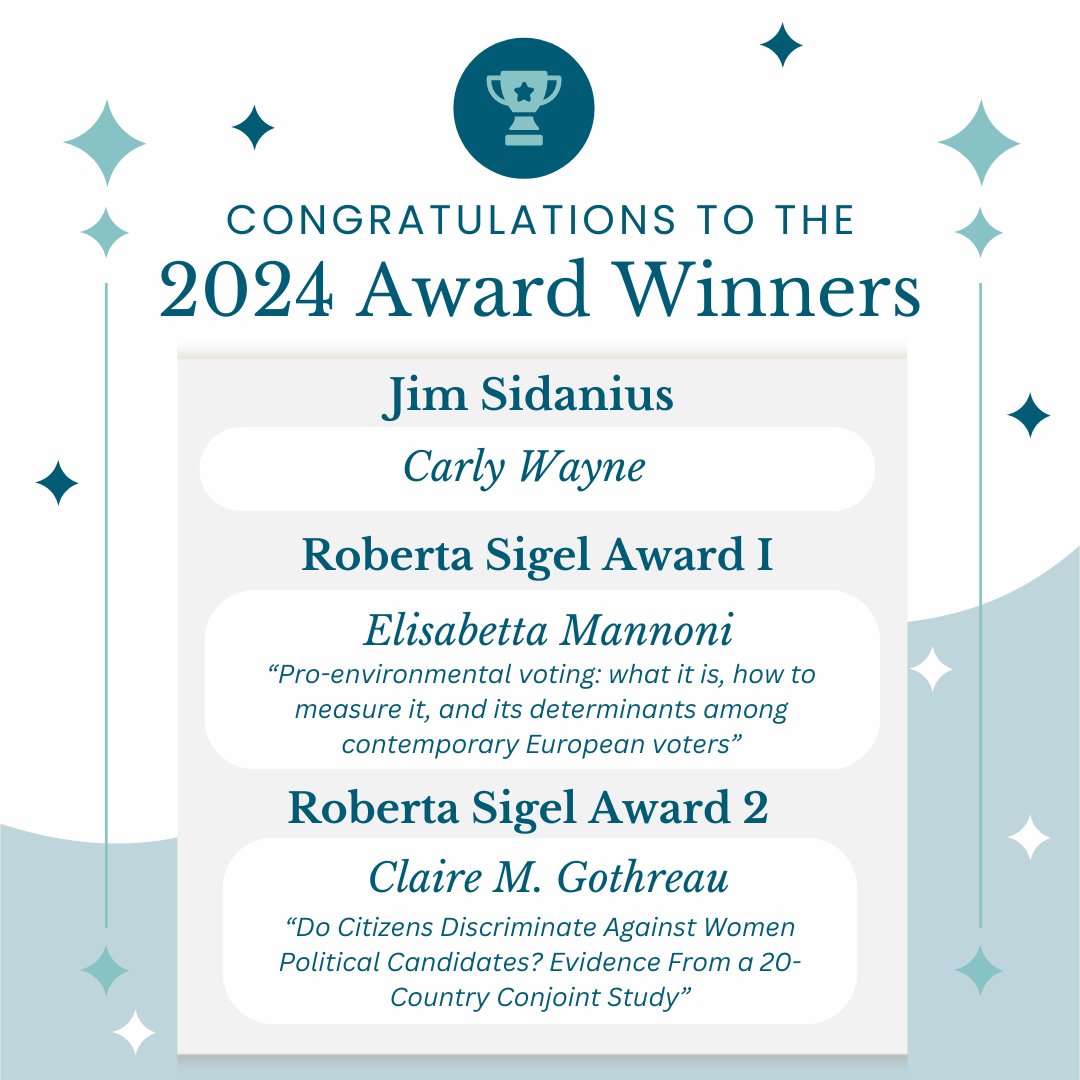
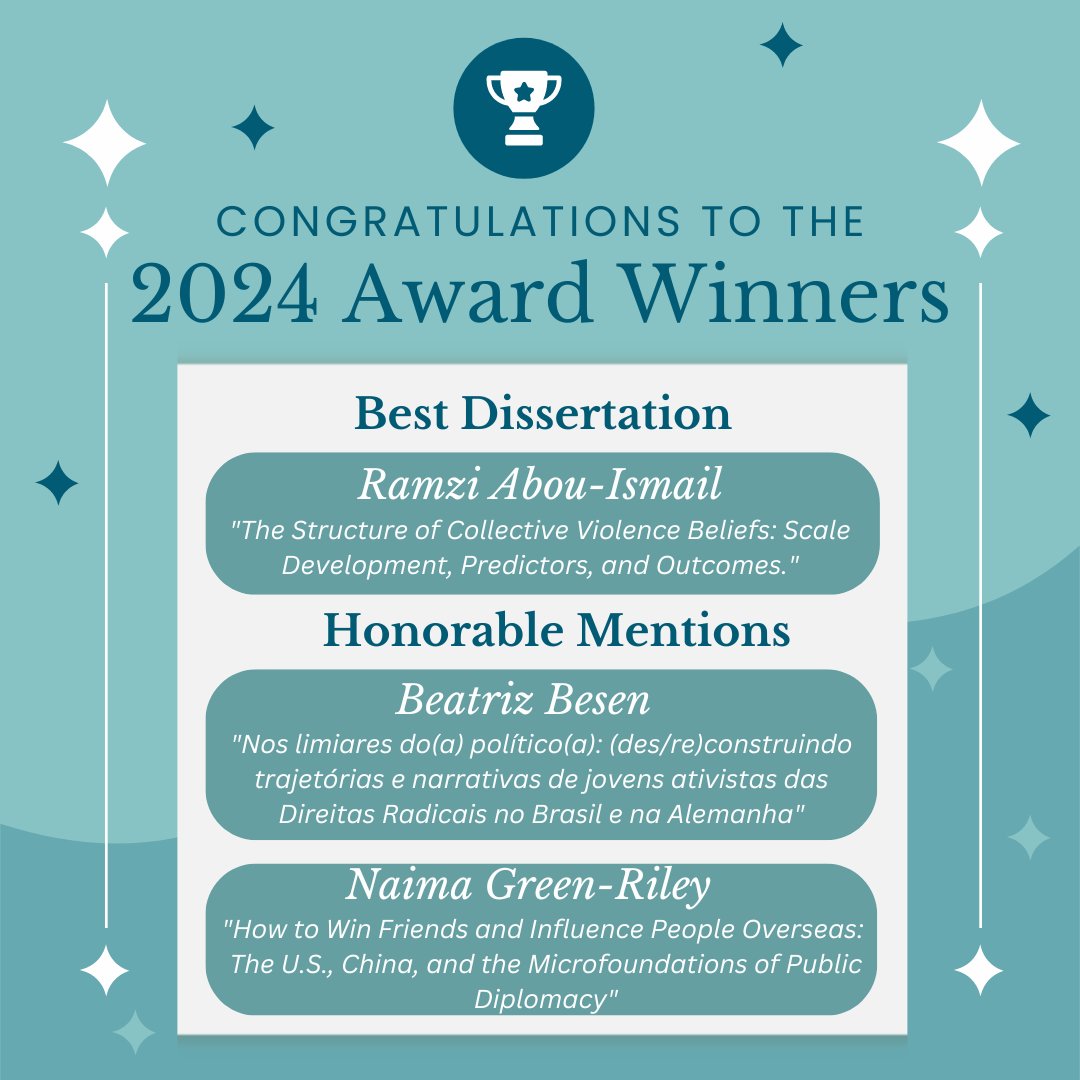
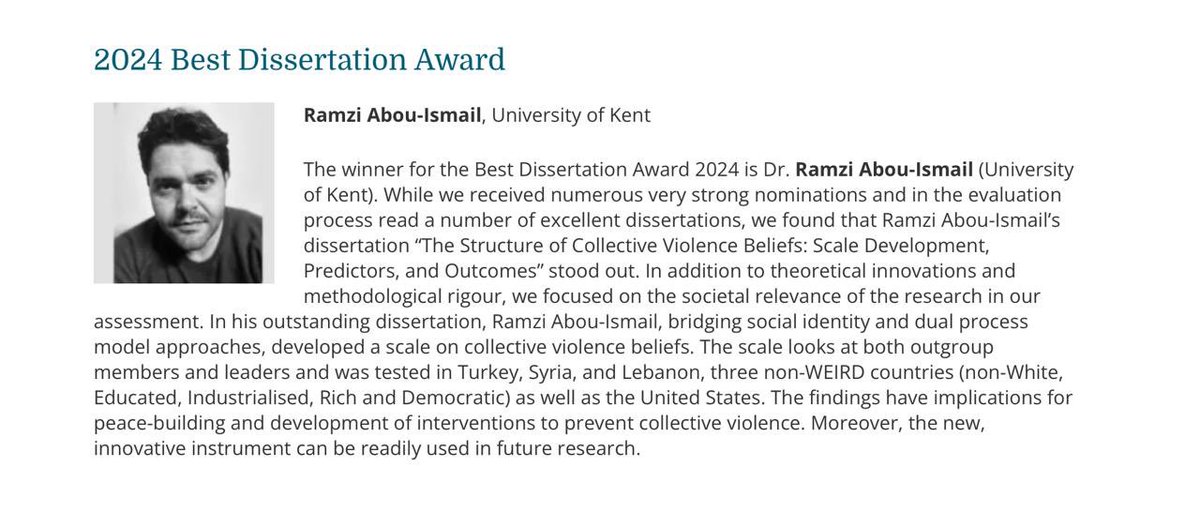
🎉Congratulations to the ISPP 2024 Award Winners! 🎉
We are thrilled to celebrate the outstanding contributions of this year's honorees. 🏆✨
Keep an eye on https://t.co/snZcv4OrKO for the complete list of 2024 winners, coming soon!
#ISPP#PoliticalPsychology
Men were more likely to get awards than women, but the proportion of awards won by women has increase over time. Despite this increase, women were more likely to win awards for service and teaching (which are generally viewed as less prestigious) rather than research.
The share of women recipients of professional awards in Social and Personality Psychology increased between 1968 & 2021. This is partially explained by women receiving proportionally more service & teaching awards, whereas research awards are given to men. https://t.co/qGZ0ZBYMft
It is crucial to distinguish between healthy forms of national identity and unhealthy forms--like collective narcissism.
National narcissism, is described as “the belief in the greatness of one’s nation, and that one’s nation is exceptional compared to others”. It is an obsession with group status rather than genuine concern for group members.
We explain why national narcissism is strongly linked to conspiracy theory beliefs while national identity is linked to support for group members and healthy actions:
https://t.co/dlcADsv1VY