Why are Europe's firms slow AI adopters? Research suggests that management encouragment explains US leadership over Europe. The bad news is that early leaders are pulling further ahead, so gaps are widening rather than closing. https://t.co/YgT9TAZ3J7
Agriculture in Gaza
Before the war, agriculture was 11% of Gaza's GDP, approximately $638 million, and employed ~50,000 people. Now, just 4% of cropland and 17% of glasshouses are undamaged, irrigation systems no longer work and seeds are unobtainable. https://t.co/UnUVs77dfw
The state of carbon dioxide removal - dire
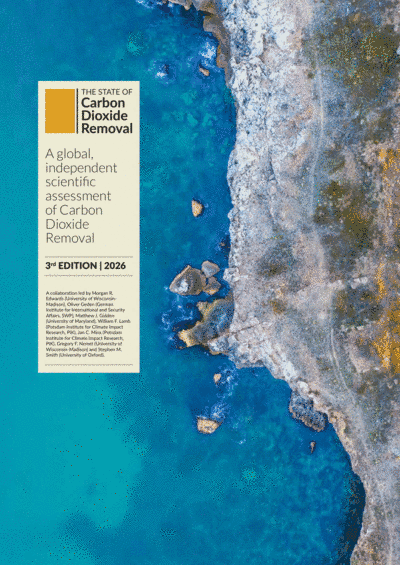
If global warming is to be stopped, carbon dioxide levels must come down - and they aren't. Worse, current efforts to capture carbon lag the promises made by countries. https://t.co/IsQexnEaSm
Industrial magic or unfair competition?
@OECD has just released a new report detailing industrial subsidies - which amounted to $108BN in 2024. No surprise that 🇨🇳 subsidises the most, but finding that subsidised firms grow faster is food for thought. https://t.co/qo9ARKRoFF
Peer review in the age of AI. A paper by a group of social science editors, addresses the increasing strain on academic peer review and publishing due to rising submission rates and the proliferation of Large Language Models (LLMs). https://t.co/SAFr1HgjVG
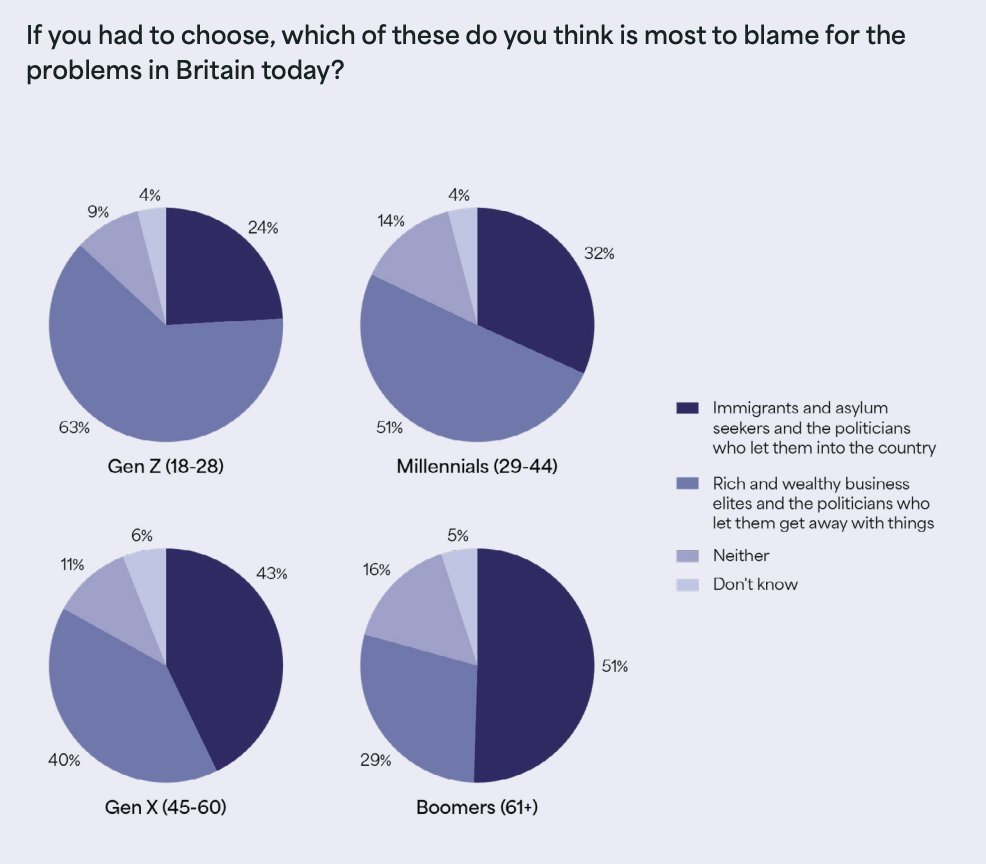
People in liberal democracies think that politicians are useless, so it's no surprise they are is looking to the extremes. To win back trust, FGF says governments must redefine power distribution and reform the state to wield its authority effectively. https://t.co/aAtweopy6T
A new paper from the EIB shows that AI has already boosted productivity by 4% without firms shedding staff. AI-adopting firms are more innovative, and their workers earn higher wages. But the benefits are concentrated in medium and large firms. https://t.co/a1Ylr0HcJ8
Polluters pay, economy wins
A win-win policy? Combine a polluter pays levy with a fair share levy on carbon energy and you'll get carbon abatement with tax revenues to compensate households and fund investments in green industries and social policies. https://t.co/NmRcFS8pim
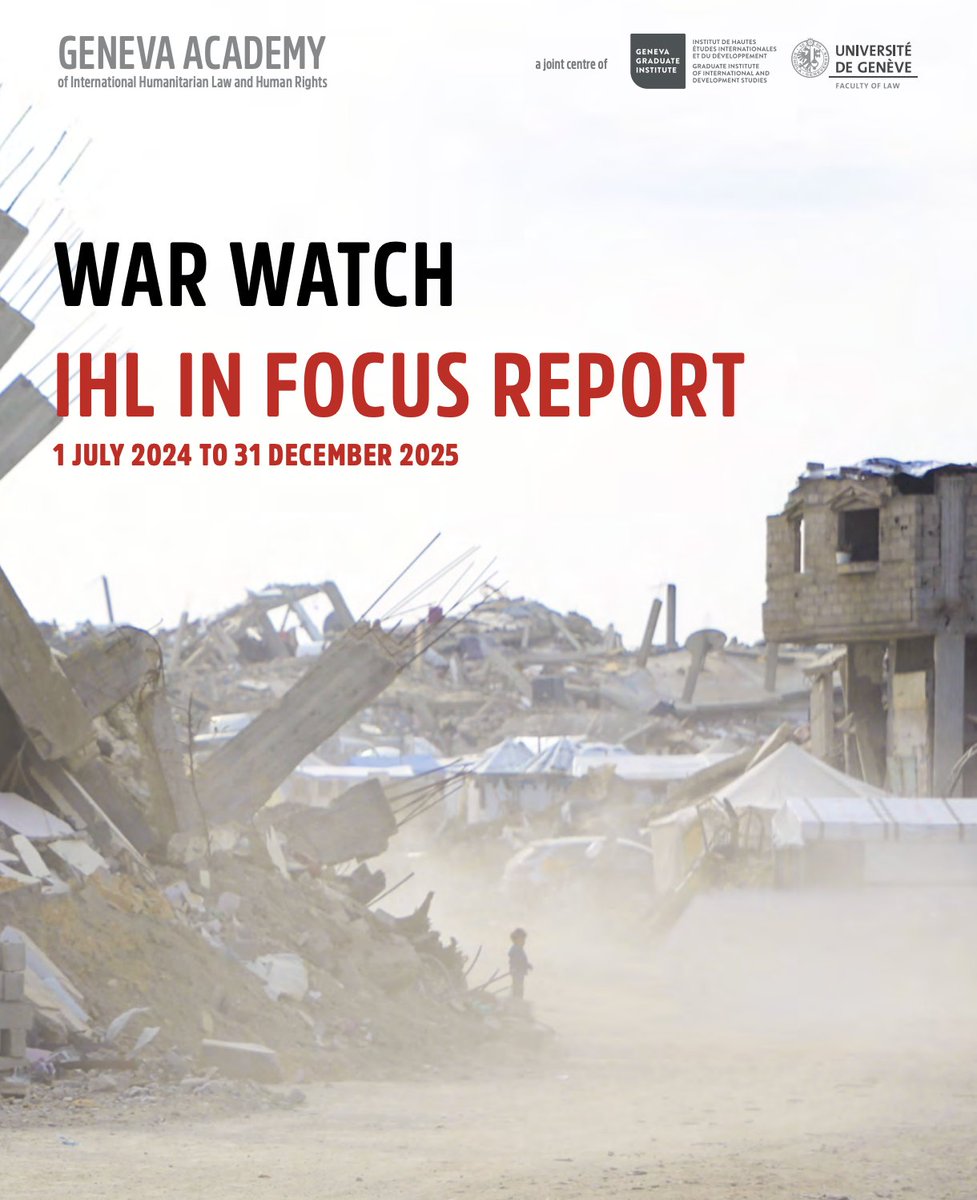
Despite all the chatter about peace prizes, an extensive new report reminds us that 23 recent conflicts have killed 100,000+ civilians, with widespread torture and rape too. Is international humanitarian law at breaking point? https://t.co/0KwUlFELIH
Singapore's governance model for agentic AI is one of the first government frameworks to deal directly with AI systems that can plan, act, adapt, and interact with other systems. It signals a shift from high-level principles to engineered system design. https://t.co/JhHnlNbaCA
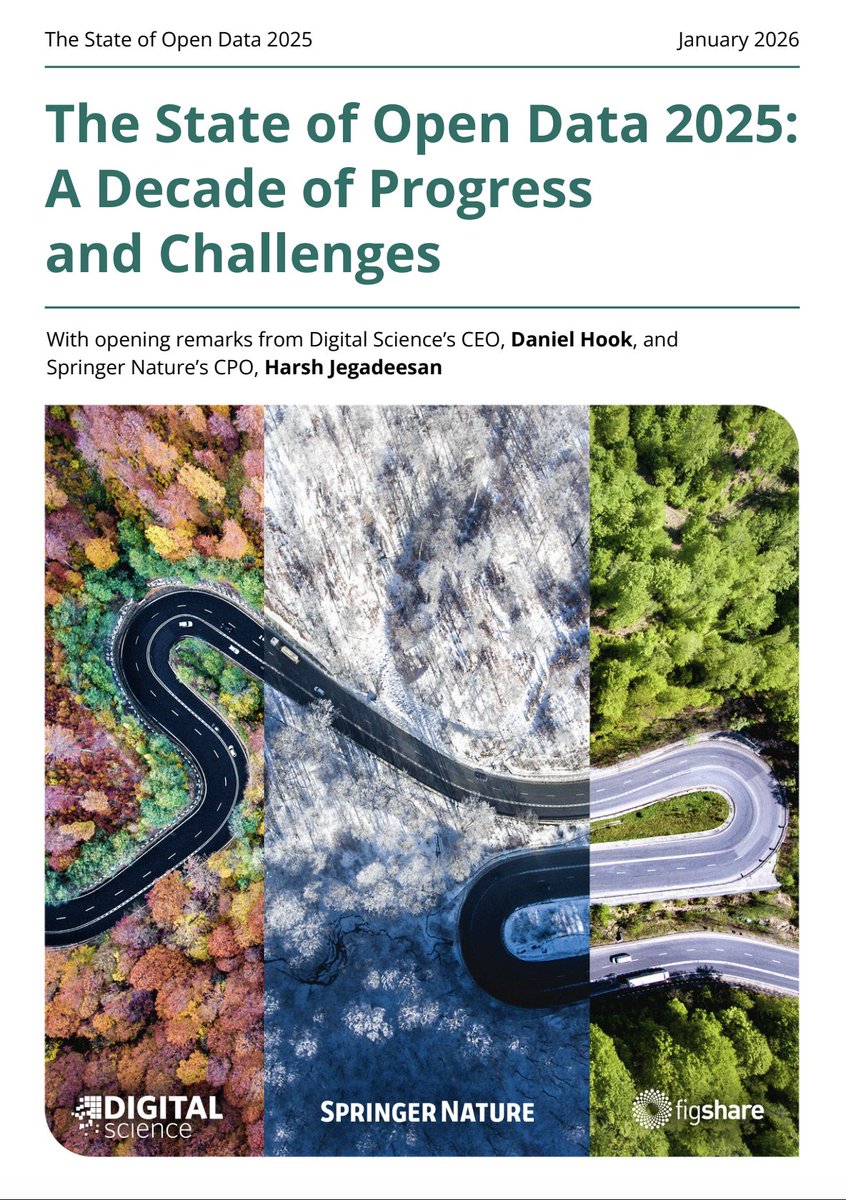
While support for open data principles is strong (80%), there is declining support for open data mandates, especially in Australia and the USA because researchers still think they're not getting sufficient recognition and credit. https://t.co/W6esGeXhQ5
Did the greenback undermine Trump's bid for Greenland?
Two papers from a programme on Global (Dis)Order by British Academy and Carnegie Endowment might help understand Washington's retreat on its proposed Greenland acquisition. https://t.co/AbEfTJ2KXa & https://t.co/EPT2RaeM1i
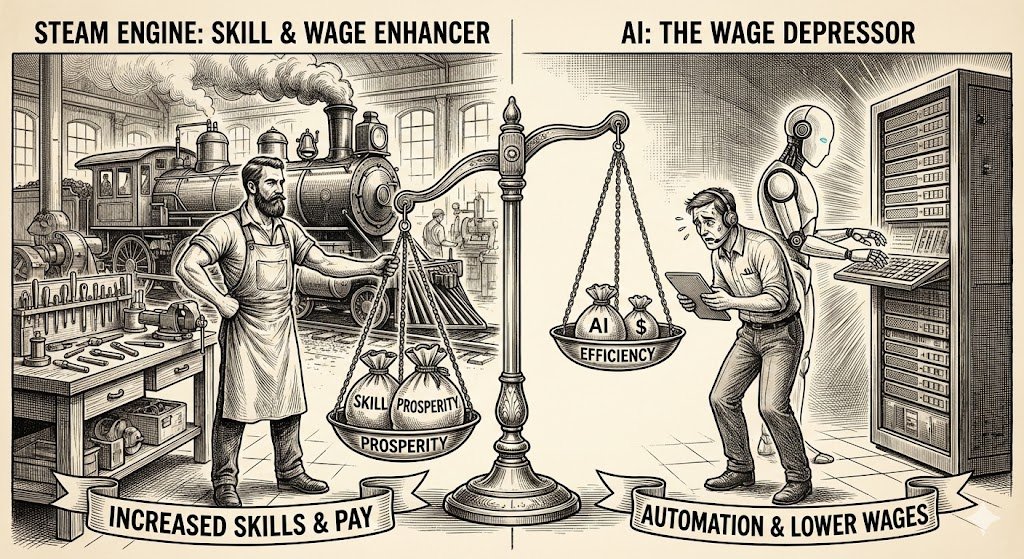
AI v the steam engine
Compare 2 reports on transformative technologies.
Steam engines boosted regional wages for over 140 years 🥳 https://t.co/DaB75xGOZv
AI might do the opposite, deskilling the workforce 🤦♀️ https://t.co/yGTJr1f362
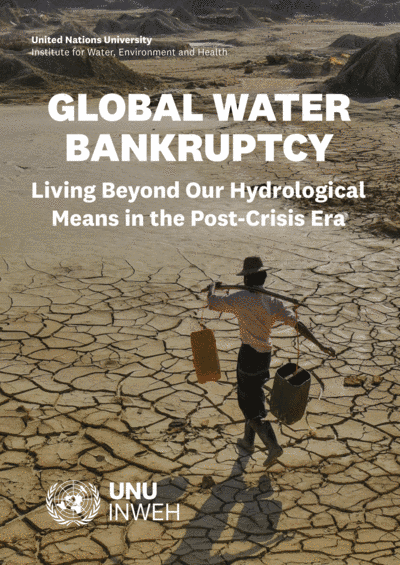
Water bankruptcy leads to conflict.
The UN finds many water systems are now 'bankrupt' because aquifiers and glaciers are empty https://t.co/kNnxGzb8y7
@pacificinstitute.bsky.social reports water fights reached record levels in 2024 https://t.co/4FaaGo3DfA
Journals are assailed by paper mills. This timely report, commissioned by STM's Research Integrity Ctee, examines how publishing practices have evolved but with some publishers employing 100+ on research integrity, we can but blanche at the growing cost. https://t.co/VFhvujTQoE
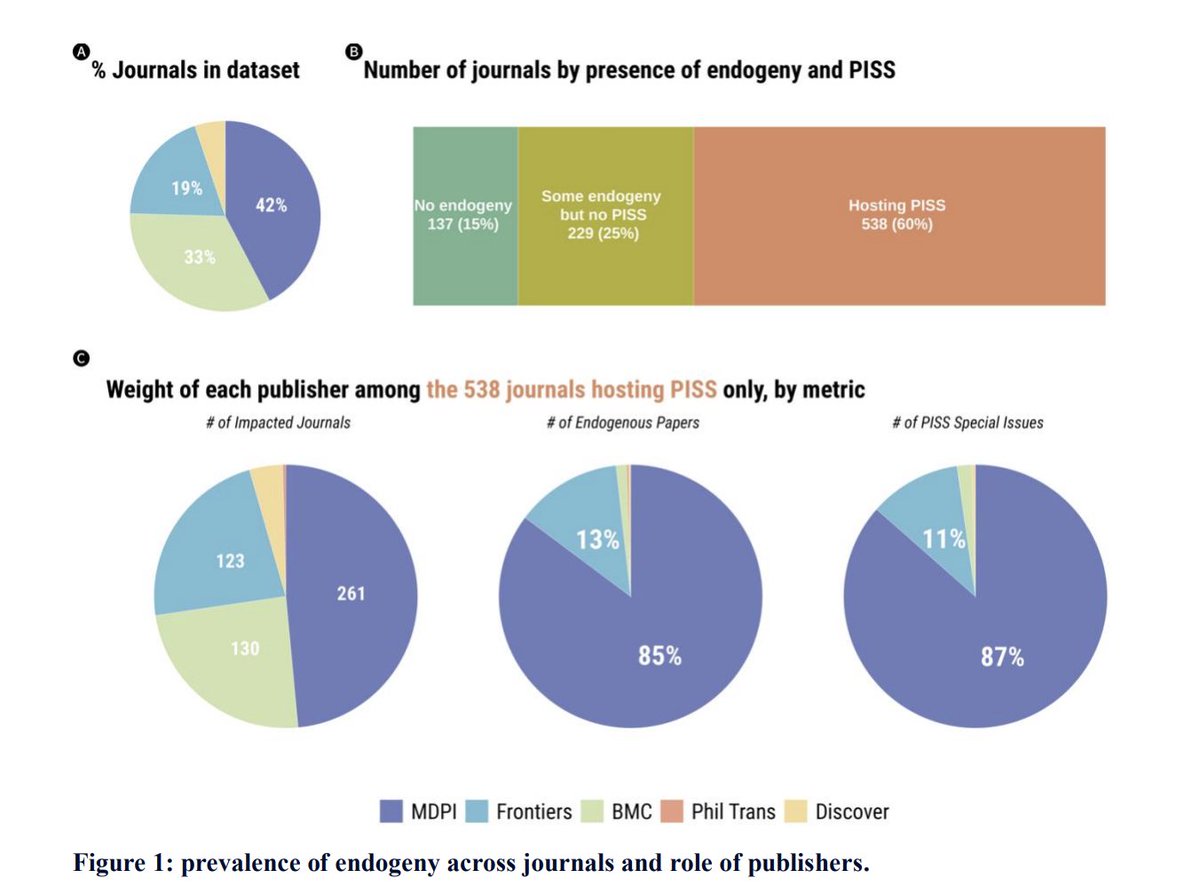
Are journal special issues taking the PISS?
In this well-written preprint, the authors found that 538/904 journals contained special issues 'Published In Support of Self' draining time, money, and trust from the scientific enterprise. https://t.co/W2n5oCOhfx
Cybersecurity just got harder
WEF/Accenture Cybersecurity Outlook explores how accelerating AI adoption, geopolitical fragmentation and widening cyber inequity are reshaping the global risk landscape. https://t.co/D8AQ1ayVHJ
Gagging higher education in the US
An informative and sobering report from @penamerica.bsky.social details how US lawmakers have extended a "web of control" through educational gag orders, policies undermining institutional autonomy, and federal overreach. https://t.co/guId9f7ouI
Waste in #Space
With satellite launches and the volume of #waste both increasing exponentially, the risk of one hitting the other only grows. @ESA@esa.int monitors this risk. https://t.co/UCHUMaOakp has data, policy and mitigation updates.
What is a podcast?
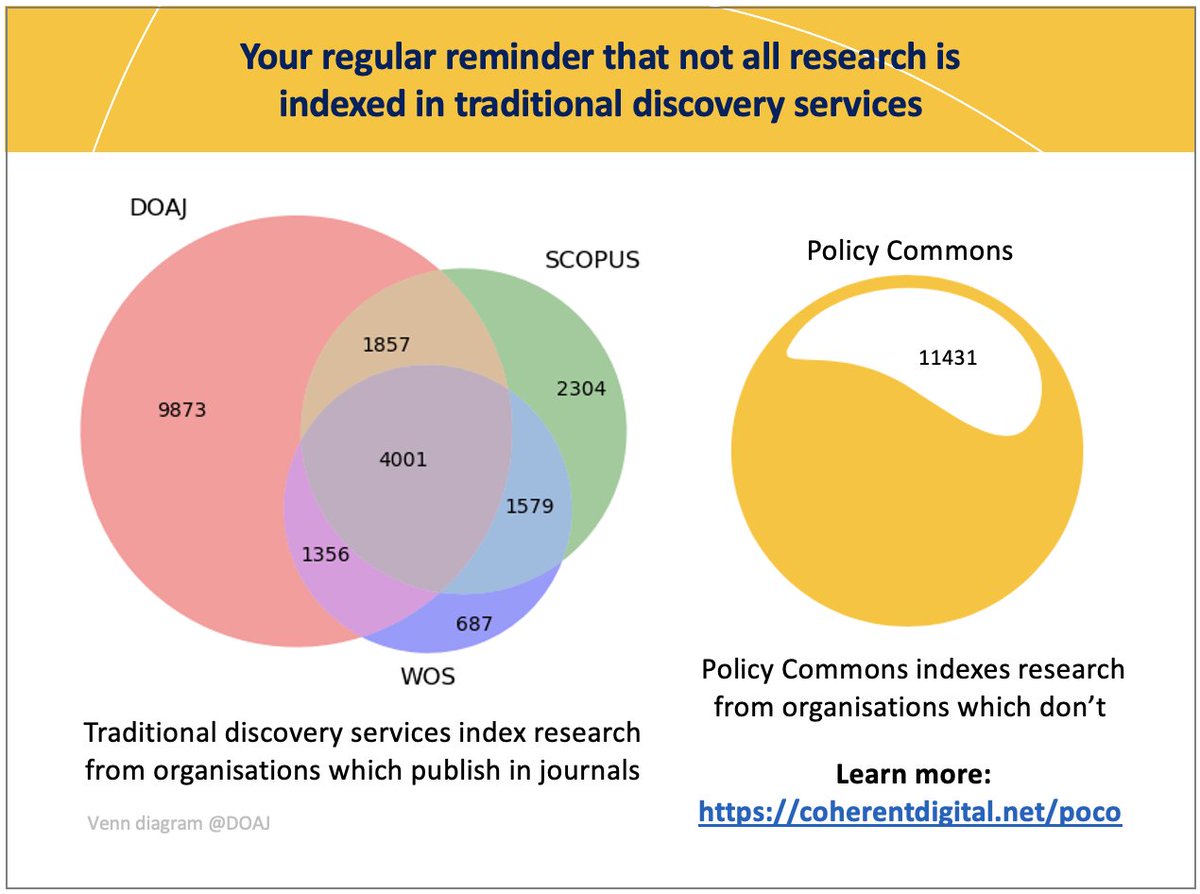
As we begin to index podcasts in Policy Commons (suggestions welcome! mailto:[email protected]) Edison Research poses the question, what exactly are they and why are they so hard to sustain? https://t.co/F720wXp9Oy