PLT aims to enhance green spaces primarily in central London to support native pollinators with a longterm vision to inspire change in urban areas across the UK
Did you know many hoverflies can be identified by a “spurious vein” on their wings? It isn’t a true vein, but a fold that looks like one. It’s a useful clue for recognising many UK hoverfly species. Though it might not be easy to see out and about!
#PollinatingLT
Nasturtiums are a brilliant addition to wildlife-friendly gardens. Their bright flowers attract pollinators, and all parts of the plant are edible too. Beautiful, useful, and bee-friendly!
#PollinatingLT
Did you know its World Bee Day today? Bees pollinate many of the plants we rely on for food and healthy ecosystems. Over the next few weeks, take a moment to notice the busy bees around you.
#WorldBeeDay#PollinatingLT
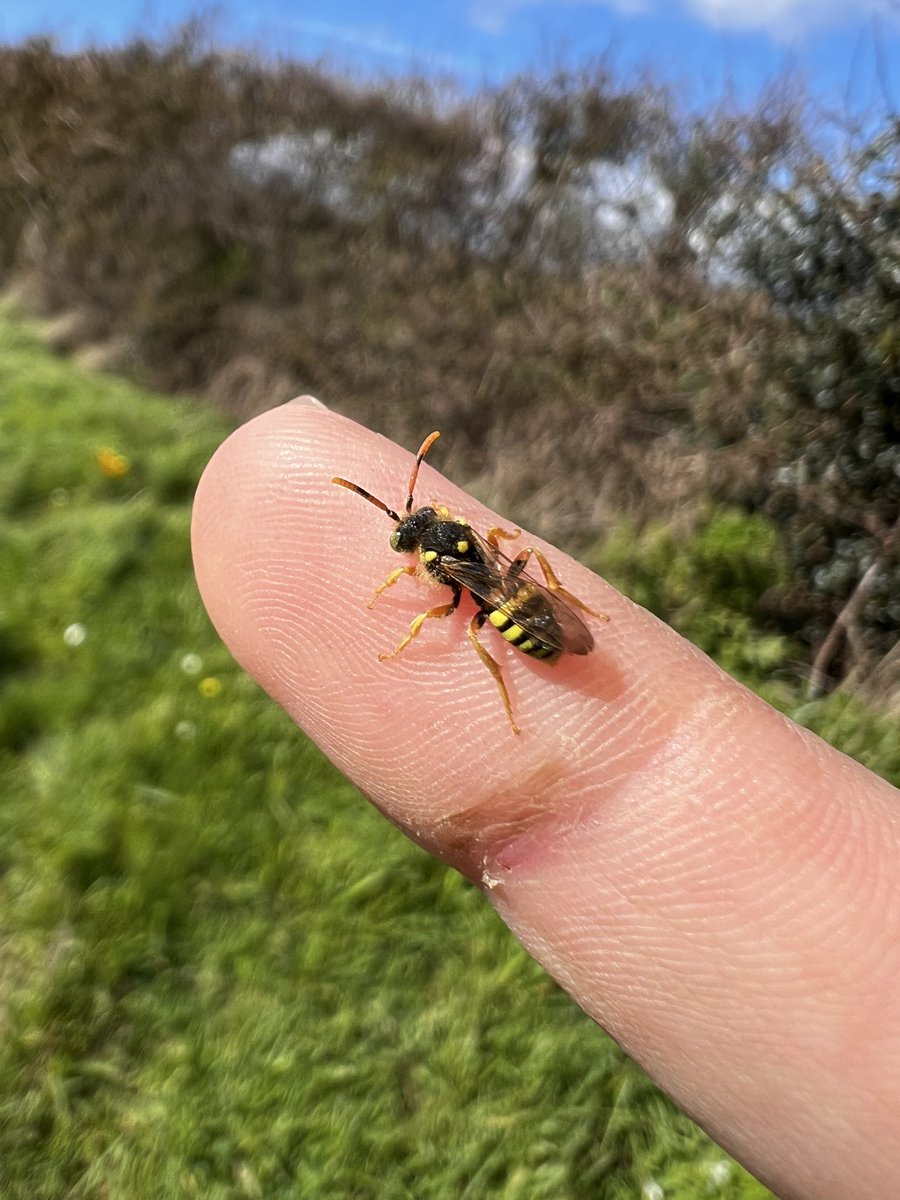
Leafcutter bees are brilliant pollinators. Many species have males that sport enlarged front feet, used during courtship and mating. Keep an eye out for these bees in gardens and green spaces this spring, they are around!
#PollinatingLT
The Private Life of Plants (1995), presented by David Attenborough, reveals how flowers attract pollinators using colour, scent, and even deception. Episode 3, “Flowering” especially shows some interesting plant-pollinator interactions.
#Attenborough100#PollinatingLT
Life in the Undergrowth, presented by David Attenborough, explores the hidden world of invertebrates. It brings behaviours like bumblebee colony life and pollination into focus, showing processes we rarely get to see up close.
#Attenborough100#PollinatingLT
Sir David Attenborough is Vice-President of Fauna & Flora, a global conservation organisation working in 40+ countries to protect species and habitats. Their work includes supporting pollinators and the ecosystems they depend on.
#Attenborough100#PollinatingLT
In the UK, most pollinators are insects, but in other parts of the world, vertebrates also do the job. The Green Planet shows how different ecosystems rely on very different pollinators, including some cool footage of pollinating bats.
#Attenborough100#PollinatingLT
Celebrating 100 years of Sir David Attenborough!
A lifetime spent showing why nature matters and why protecting pollinators has never been more important. We’ll be sharing a few of his pollinator highlights this week.
#Attenborough100
📸 DFAT / Wikimedia Commons / CC BY 4.0
Some pollinators are more efficient at pollinating certain crops than the global default, the honeybee. That can be due to the location of the pollen collecting hairs. Megachilid (leafcutter) bees have them underneath the abdomen vs the hind legs of a honeybee.
#PollinatingLT
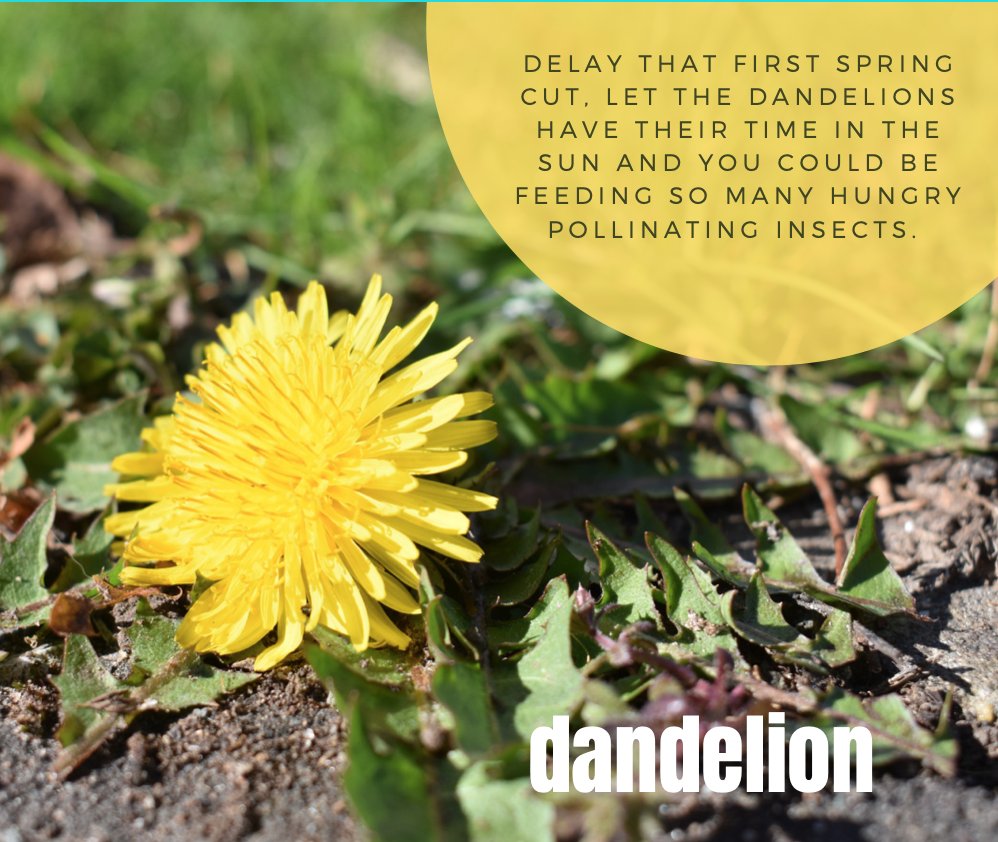
Dandelions are one of the favourite foods for pollinators at this time of year. These often-overlooked plants are proving very popular around Battleby attracting bees, flies and butterflies. Let them bloom and help feed our pollinators.
Not all roses are equal for pollinators. Open, simple flowers offer accessible pollen and nectar, while heavily bred double varieties often provide very little. Plant choice can make a real difference for pollinator support.
#PollinatingLT
Spotted small mounds of soil on a path? You may have seen bee “tumuli”, little piles left behind when ground-nesting bees dig their nests. These ones here were found on a footpath in an apple orchard.
#PollinatingLT
In case you are looking for ideas for bee-friendly garden flowers (including native wildflowers), the link below it to a series of short YouTube videos "Best plants for bees"
https://t.co/BmAkDcMRWJ
Pollinators are vital for food production. Around 1 in 3 bites we eat depends on them. That includes foods you might not expect, like chocolate and vanilla. Protecting pollinators means protecting our food systems.
#PollinatingLT
Bee-flies (Bombylius major) are parasites of ground-nesting solitary bees. They lay eggs near nest entrances; once hatched, the larva sneaks inside and consumes the host’s food stores. Have you seen any this year?
#PollinatingLT
Early spring flowering bulbs, such as daffodils and hyacinths, will have finished by now. So, remove the dead flower heads.
However, don’t cut down the wilting foliage, as this provides the bulb with food for it to flower next year.
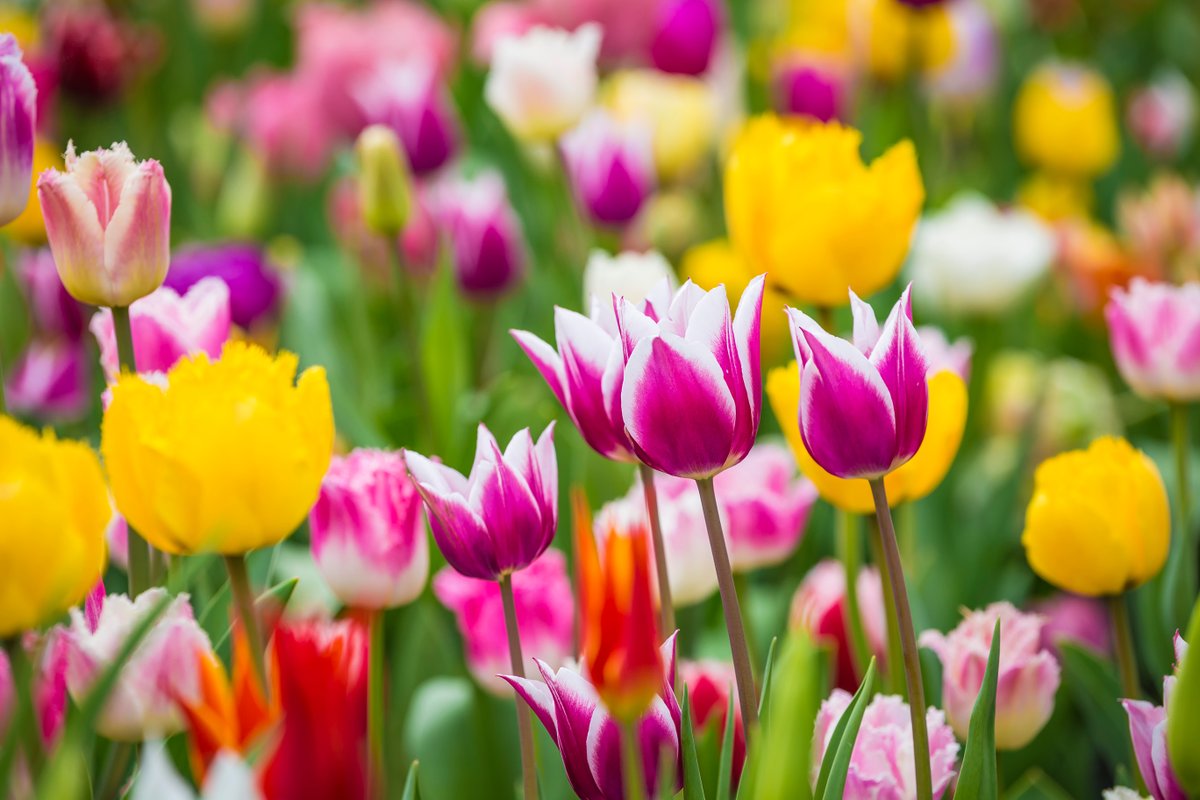
Tulips will be coming through now, so make sure they have plenty of water, especially if there’s no rainfall!
This will ensure they develop straight stems and produce large flowers, giving you a fabulous spring display — amazing!
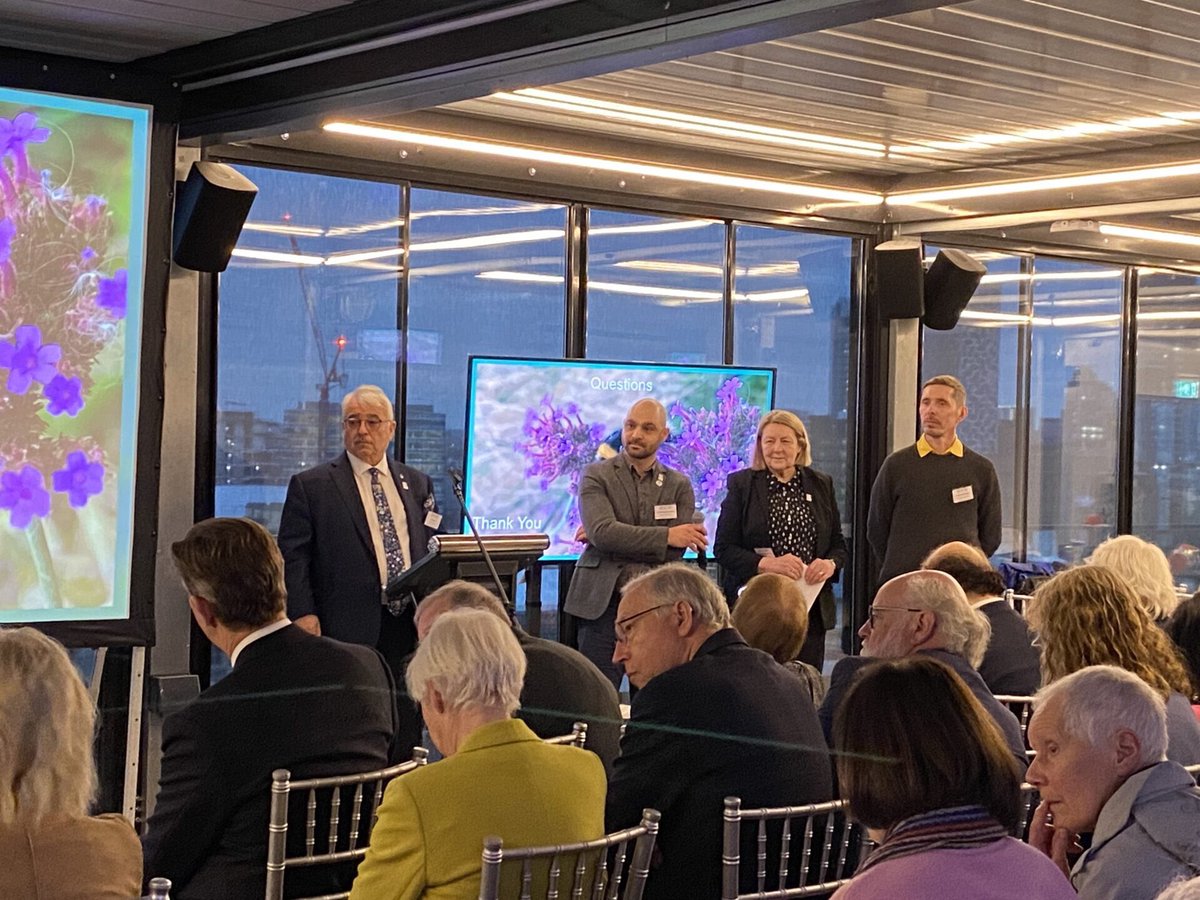
That’s another great annual meeting wrapped up!
Thanks to everyone who joined us, always a pleasure to catch up. We hope you left feeling inspired and connected, with fresh ideas to support pollinators.
#PollinatingLT
Spring is an exciting time for gardeners, and we can't wait to get planting.
A few sunny days and blue skies, and suddenly it feels like warmer weather has fully arrived.
But here’s a gentle word of caution…
❄️ Late frosts are still a real risk in March (and even into May in parts of the UK).
Tender plants like tomatoes, courgettes, and early bedding are especially vulnerable — one cold night can undo all your hard work.
So, garden with excitement… but also with care.
Here’s how to stay one step ahead:
🧺 Cover plants overnight with fleece, cloches, or even an upturned pot
🏡 Keep tender plants in a greenhouse, cold frame, or indoors until frost risk passes
🌡️ Watch for temperatures below 5°C — that’s when damage can begin
📱 Always check the forecast — frost pockets can vary even within your garden
A key date to remember:
In much of the UK, it’s safest to plant out tender crops after the last frost — typically late May (around Chelsea Flower Show time).
The secret to great gardening isn’t just timing… it’s protecting your progress.
Stay patient now, and your garden will thank you later.
Save this reminder — it could save your plants 👇
#GardenTips #UKGardening #FrostProtection #SpringGardening #PlantCare