Ecologists and agronomists should consider using PYD in future studies, as it can be used to study ecosystem services across large scales, and could be used to inform the design of better farming landscapes
This paper is open-access, so please give it a read!
My latest paper is finally out! In this paper, we show that precision yield data (PYD) is fairly commonly gathered, but is almost never used to study ecosystem services (e.g. pollination, pest control)
Precision yield data (PYD) is common in many agricultural systems but it's almost never used to study #EcosystemServices (ES) 😯
PYD however is a valuable source of data for studying how ES contribute to crop yield!
https://t.co/7QXYc5xBOq
@PollinatorsCan@ucalgaryscience
#SupportOurScience is run by a small group of volunteers dedicated to increasing funding for #GradStudents & #Postdocs in Canada.
We have reached a point where we can no longer pay expenses out-of-pocket & are looking for contributions to keep SOS going:
https://t.co/41OTwshBpX
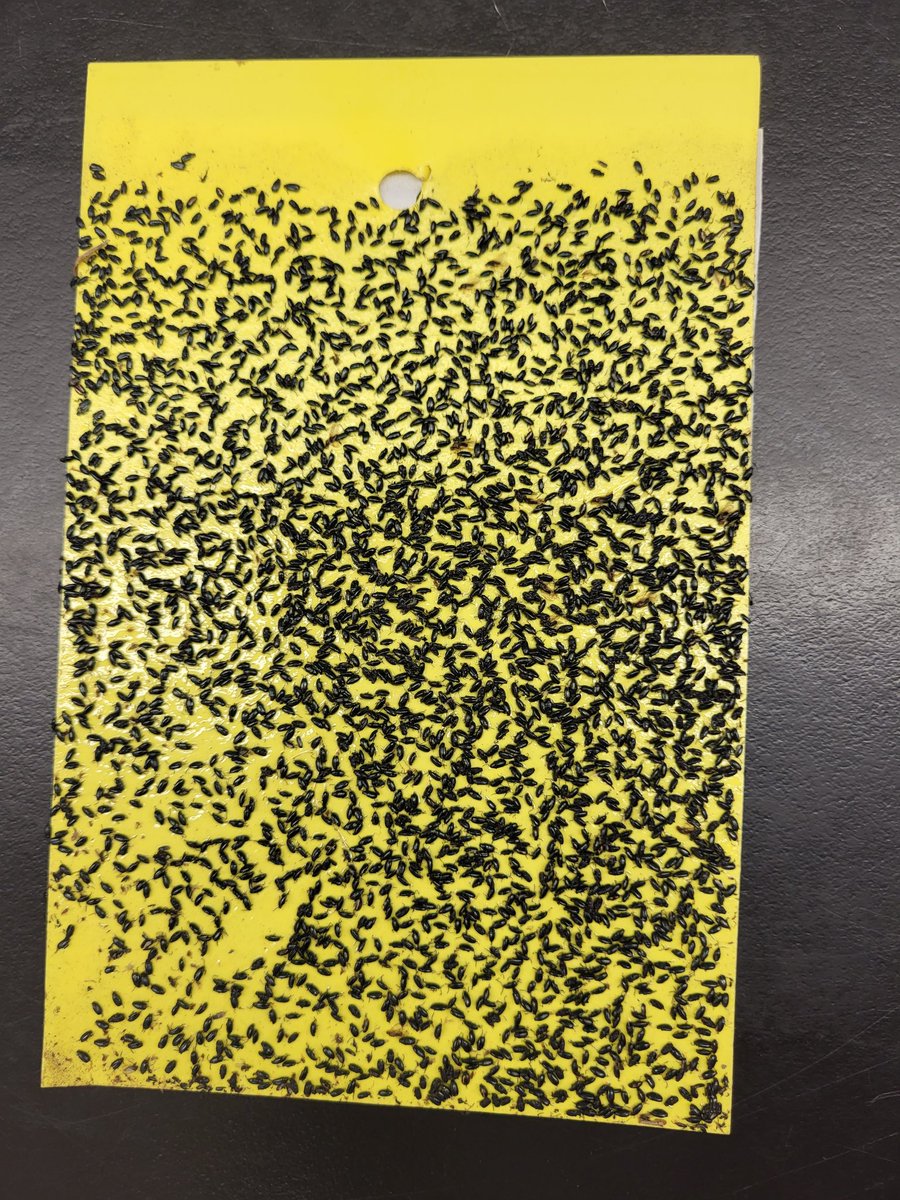
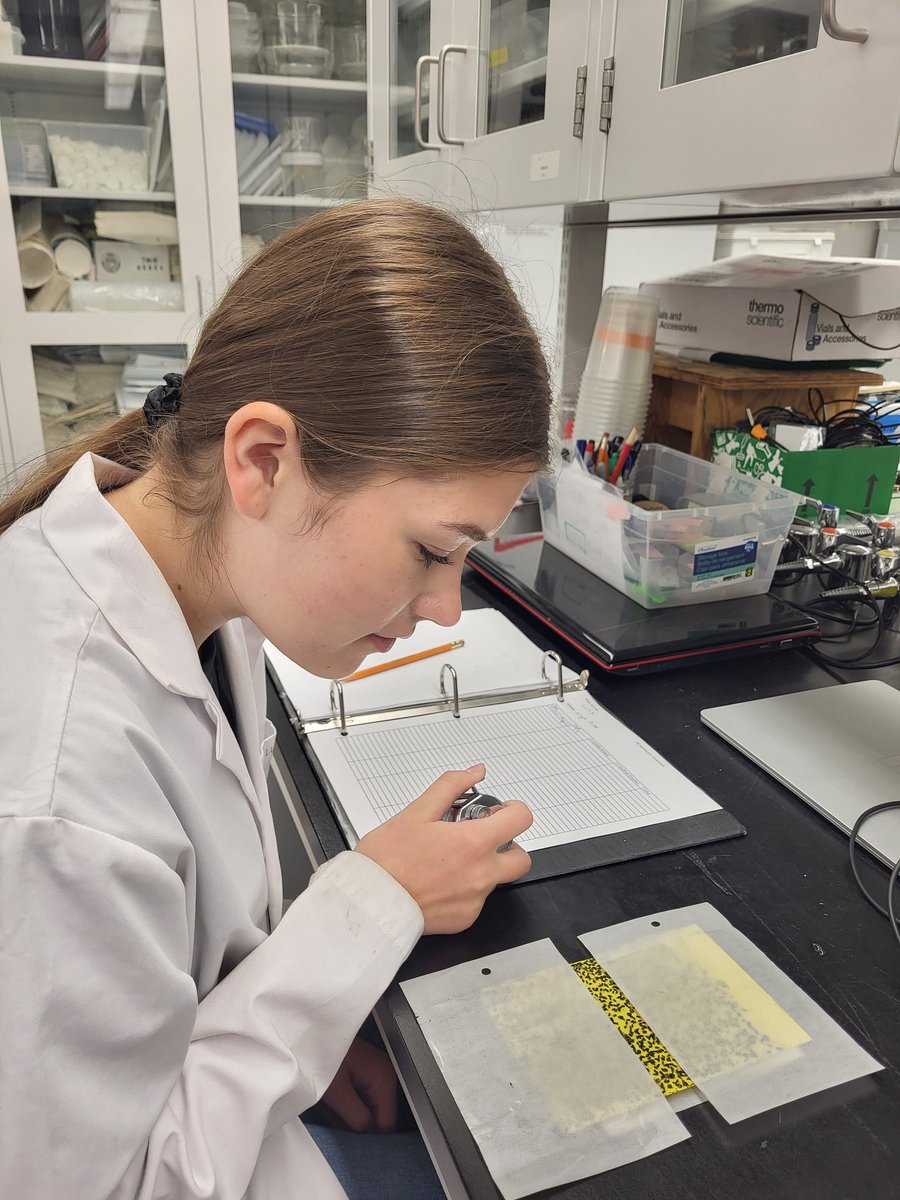
Evenden lab summer researchers busy in counting unusual high numbers of crucifer flea beetles found on some sticky cards that were set in last week of April at field edges in Central Alberta #Abbugchat@MayaEvenden@AlbertaCanola@canolacouncil@gabertccc
The region with the highest soybean crop yield in 2023 was the west of Bahia. This video comes from Formosa Do Rio Preto.
The yield has been 60 bpa in 4.6 million acres.
#OAgroNãoPara#Agro never stops
#Brazil🇧🇷
@kowalchukfarms1 Not a farmer, but I do a lot of work with various ag people, and I use a lot of precision ag data from the Canadian prairies. I'm Albertan too!
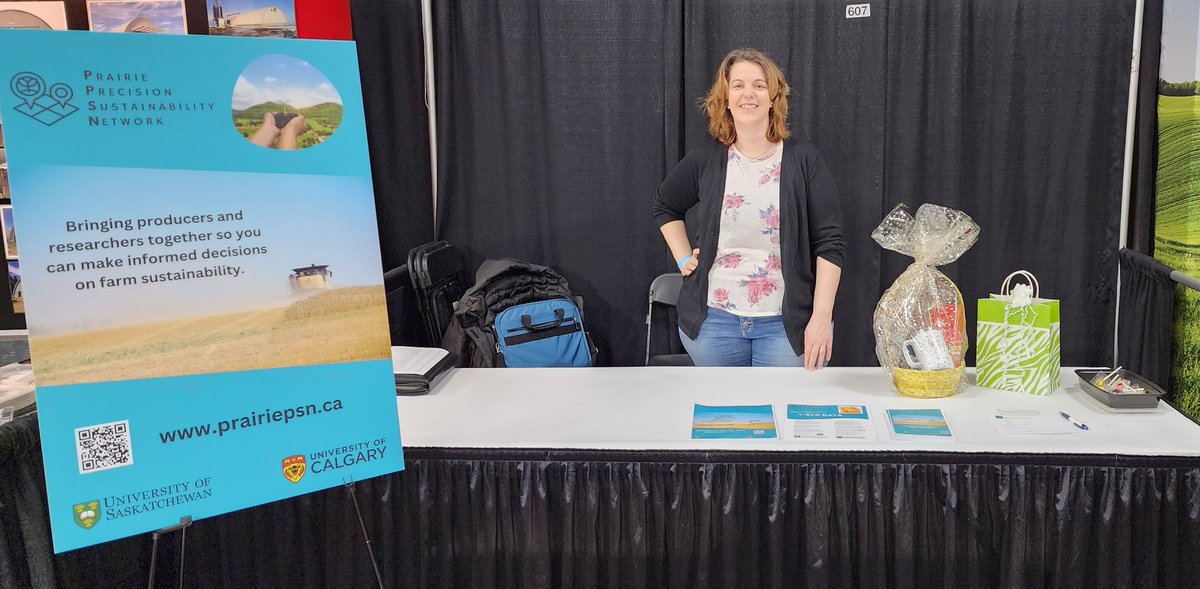
Last day to come on out to @YQLagrifoodhub for #AgExpo23. I'm at Booth 607 in the West Pavilion, stop by to say hi and enter to win a coffee gift basket!
Thanks a bunch to my colleagues and field assistants, and especially to the canola farmers who let us access their fields! This was a ton of work and we couldn't have done it without you
One of the main chapters of my PhD work on canola pollination and crop yield is finally out! It's open-access, so feel free to read it: https://t.co/okrTNP2XsJ
Here's what we found:
Another theory: Honey bees may indirectly increase leafcutting bee visitation by reducing pollen and nectar in the crop, causing them to move around more. However, we only studied seed canola fields stocked with honey bees, so we can't say this for sure.