In 100,000 simulations of Centers for Medicare & Medicaid Services (CMS) Overall Star Ratings for U.S. hospitals, only 9%, including less than two-thirds of 5-star rated facilities, achieved reliable excellence. https://t.co/X2SB3krCiF @Pollock_BD
@NateSilver538 How would the life expectancy curves look if adjusted for Gini coefficient? I suspect there is massive amount of confounding here although it doesn’t detract from the general point.
Hospitals with better pre-pandemic star ratings had better mortality rates for both COVID and non-COVID patients during the early pandemic. We can learn about hospital resiliency by reporting pandemic era outcomes. @CMSGov@BMJ_Open@SeanDowdy1
https://t.co/qGjUA6N0aR
When it comes to healthcare, there is rarely—if ever—a debate about whether a patient wants quality care. In this podcast @DrTimMorg discusses Quality or Counterfeit? The Science of Quality Measurement with @Pollock_BD. https://t.co/Zl7x4HttP4
We are absolutely thrilled and honored to announce that I have received the prestigious Mayo Clinic Diamond Award! 🎉 This lifetime recognition is a testament to the countless hours of hard work and dedication we have put into improving the quality of car…https://t.co/inKuTbxqfF
For non-COVID patient outcomes such as mortality, evidence-based inclusion of pandemic-era data is methodologically plausible and must be explored rather than exclusion of months or years of relevant patient outcomes data
@SeanDowdy1@USNewsHealth
https://t.co/FuYSvZcZ29
They always say the groundhog is 40% accurate. But it’s a binary outcome and over 150 yrs of predictions his 95% CI is approx. 32-48% so he technically has 52-68% predictive accuracy not 40%.
Measuring health care quality becomes even more important during a system-wide crisis. Learn more from @Pollock_BD on an innovative solution using @CMSGov data.
https://t.co/4UrZCuchQ6
@medrxivpreprint has a disclaimer that articles are pre-print not peer-reviewed. Scientists should make the same disclaimer when tweeting pre-prints. We need guidelines to responsibly promote science on Twitter. Or maybe @elonmusk can add a yellow exclamation to pre-print tweets.
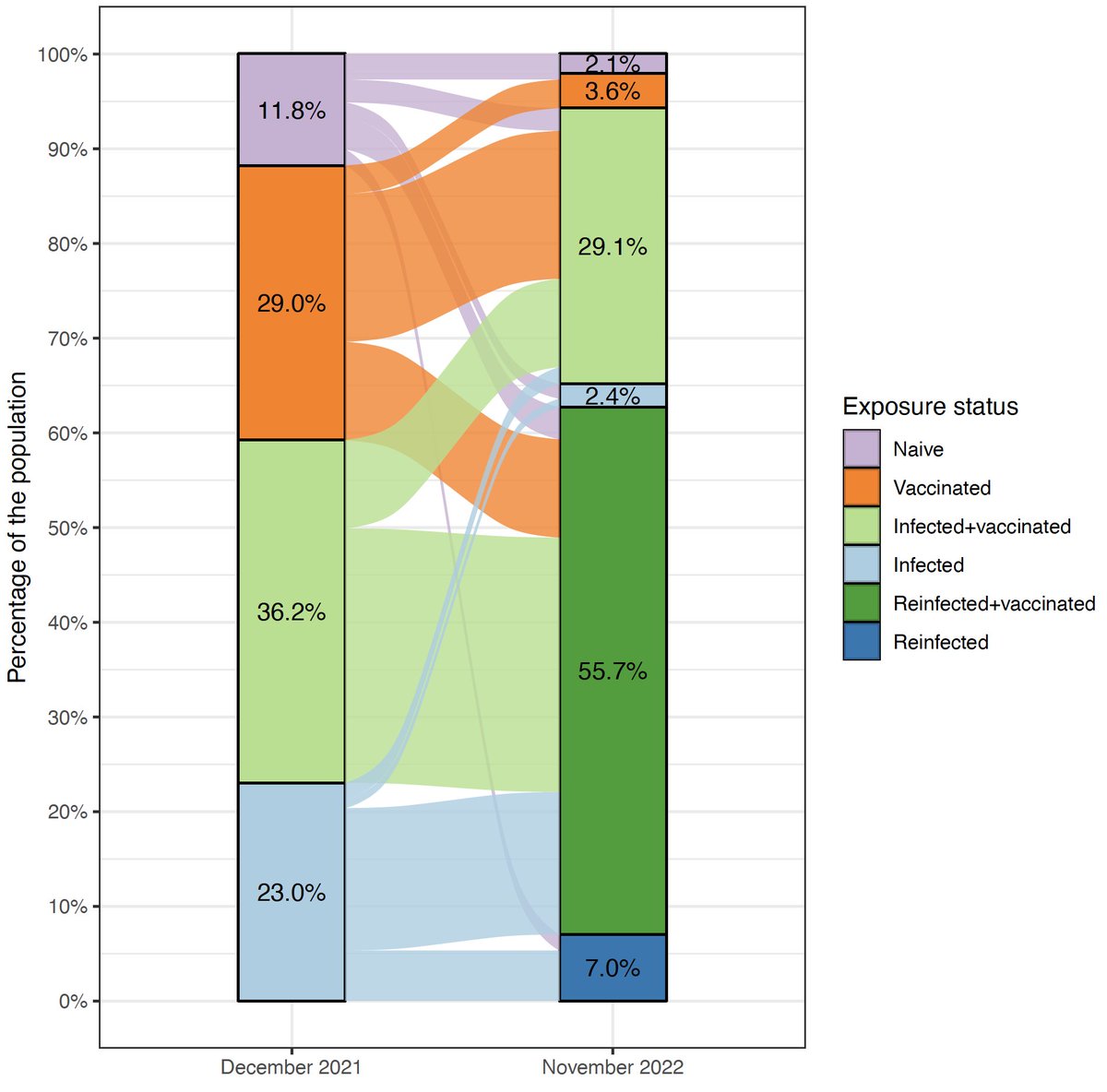
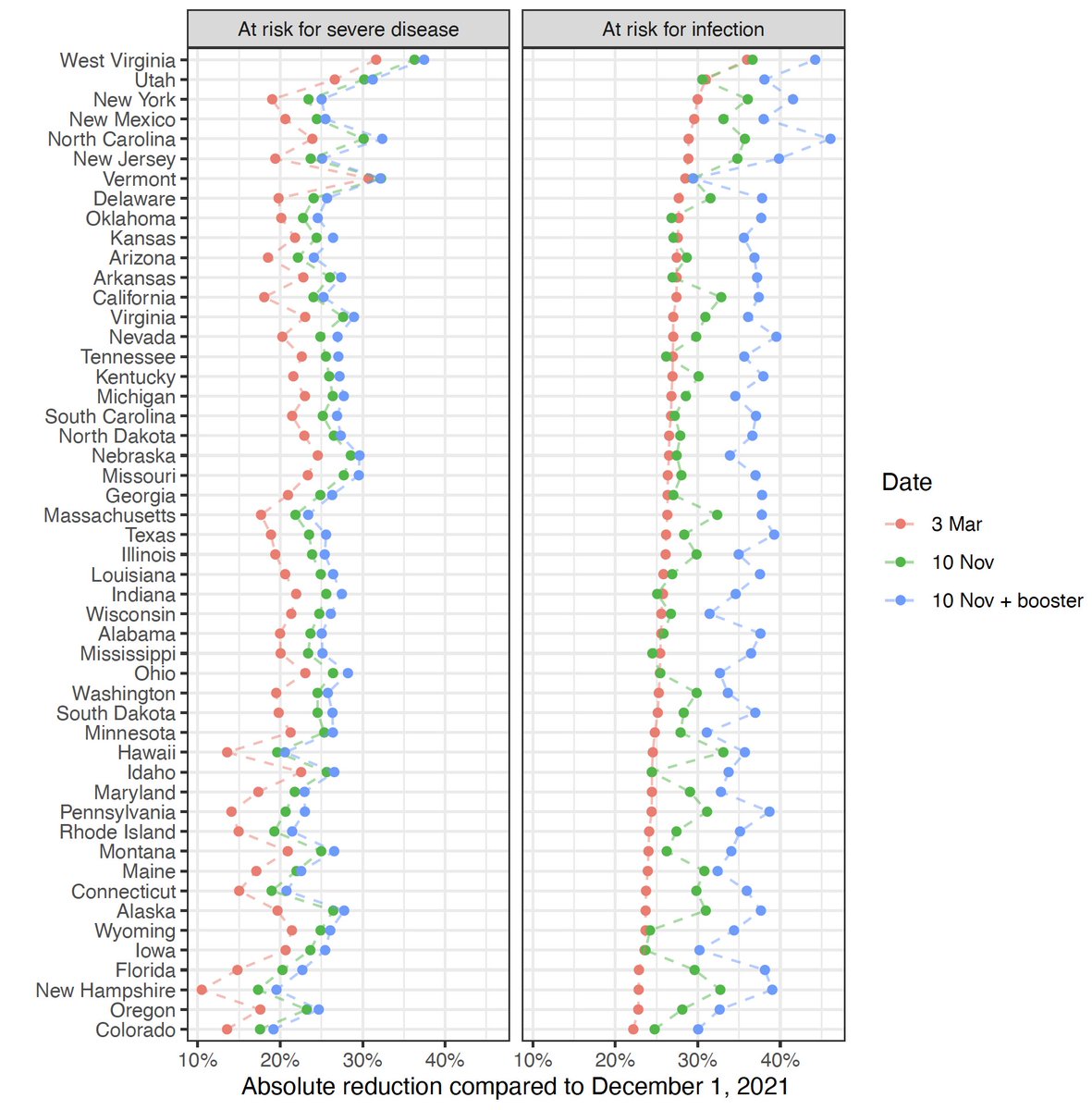
As of 10 November 2022, it is estimated that 94% of Americans have had Covid at least once, much of those infections in the past year. Ranking of states w/ most vulnerability d/t lack of vaccines/ boosters https://t.co/W5zzyrD0vN @HarvardChanSPH
@hongfangliu True! I won’t fault anyone with good intentions. I hope AI can detect good intention and lead to peer-review clicks versus one liner clicks.
Suffering is not a competition. Health services researchers should strive to help everyone and should not invest in non-peer reviewed, one-liner, un-nuanced equivalencies on Twitter. The shame of the 2020s decade will be that science was touted by pre-print and Twitter.
Earlier your team predicted an above average season. Is this lack of activity within the original model’s uncertainty bounds or did some original assumptions not hold?
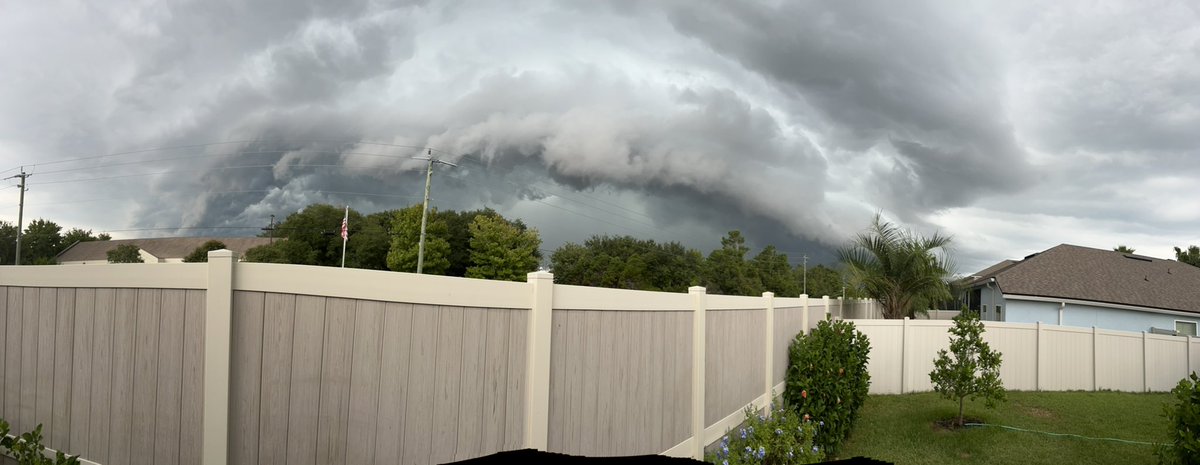
This remarkably quiet Atlantic tropical cyclone period is likely to end soon. The National #Hurricane Center is currently monitoring three areas for tropical cyclone formation in next 5 days, with 80%, 70% and 50% chance of formation, respectively.