@MartinPacesa@LoganTCollins I think the mini proteins work better also because they just cover a large surface and make so many conatcts that they really reach high potency
@MartinPacesa@LoganTCollins For WDR5 the more 'difficult' site (MYC binding site) worked, while the more studied MLL binding site failed. But thats also because we design was constrained to alpha helices. Some protein sites require other folds or more flexible structures.
📢 JOB ALERT 📢
My team @molecularML is searching for a #postdoc with a background in medicinal chemistry! 👩🔬👨🔬🧪
Do you have the experience?
Are you eager to contribute to #AI for discovering new drugs?
👉Then DM me!
Funded by @ERC_Research and located at @TUeindhoven 🚀
Thrilled to share our latest work on the late-stage, site-specific chemical insertion of aromatic PTMs into proteins, published today in @J_A_C_S
A big thanks to @LashuelLab for the exciting collaboration. Congratulations to Lin, Shaswati, and the team!
https://t.co/N9NGXTOtNg
Come join us at EPFL! We are looking to fill a new position for a Tenure Track Professor in Chemical Biology! Find all info how to apply here: https://t.co/CTsBwQmeAz
Can you simultaneously improve the potency and safety profile of a clinically used antibiotic?
The group of @NatMart_Chembio of the @LED3hub presents the guanidino lipoglycopeptide antibiotic class with potent antibacterial activity in @ScienceTM.
https://t.co/CUkH8j8XGB
Amazing news that two projects involving @LED3hub scientists have been awarded funding through @NWOFunding Open Competition M2 grants. Congratulations to @PomplunSeb and Matthias Barz from the @LACDR as well as Sander van Kasteren from the LIC.
https://t.co/NP9zRwYdQ1
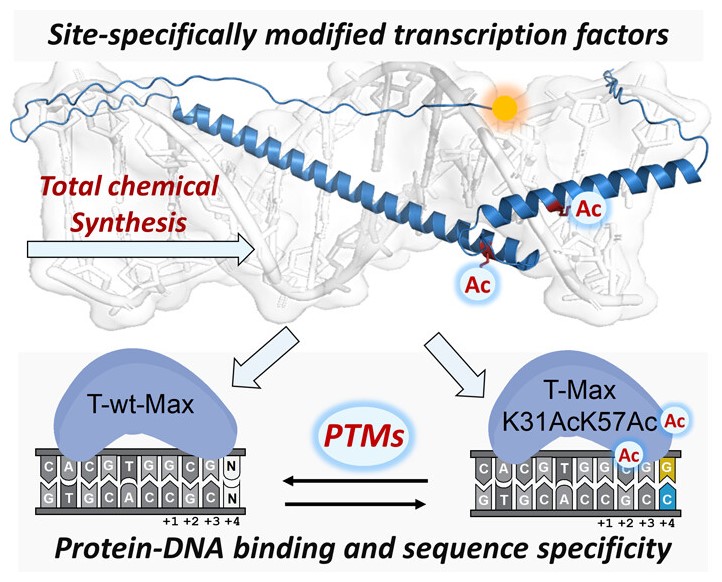
A focused library of site-specifically acetylated Max transcription factor analogs was chemically synthesized to dissect the role of Lys-acetylation in its DNA binding activity
NEW #ASAP by @jbaram90@afek7afek
Read it here: https://t.co/3GvE2gvktT
MC4DD: New EU consortium on drug discovery dedicated to macrocycles. 8 universities and 6 industry partner join forces to advance the science of macrocycles as drugs. More information: https://t.co/jUiqIkEzVd
Can you improve an antibiotic that has been in clinical use for 75 years?
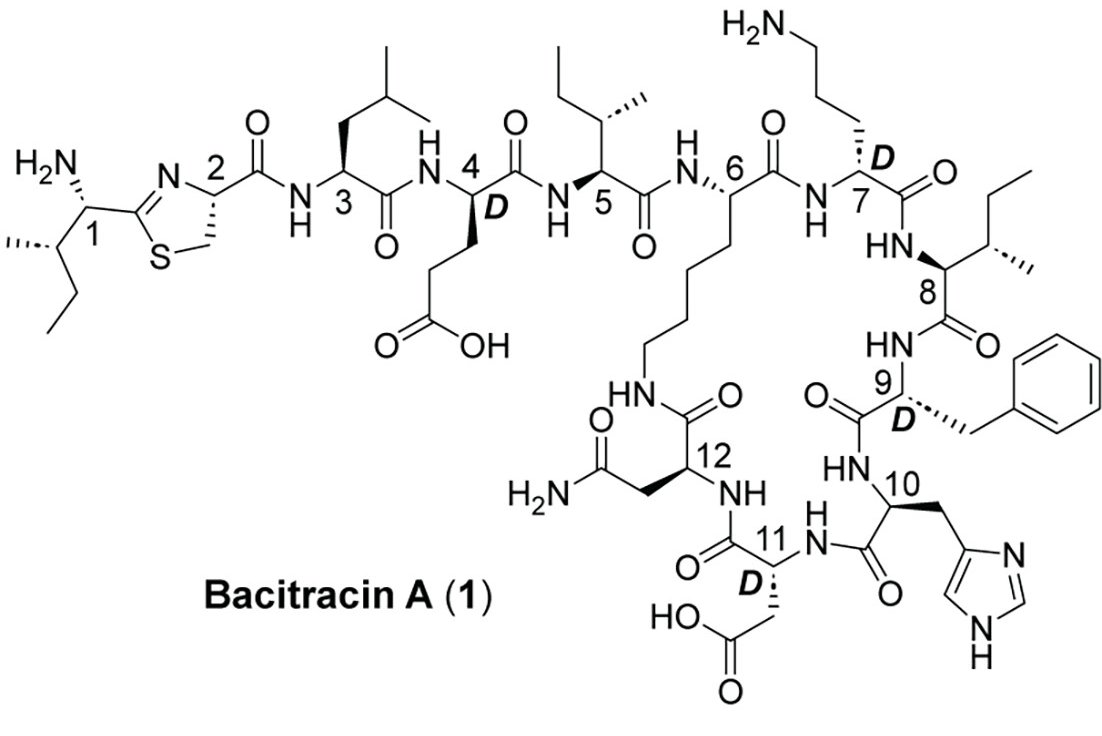
The group of @NatMart_Chembio of the @LED3hub addressed this question by developing bacitracin analogs with enhanced activity against vancomycin-resistant enterococci (VRE).
https://t.co/Kj9RJpkqPK
Our latest paper is just out in ACS Chemical Biology. Novel quenched fluorescent activity-based probes for serine proteases based on phosphinate esters. This work was part of the PhD of @KahlerJp. https://t.co/NH31fpS8JJ
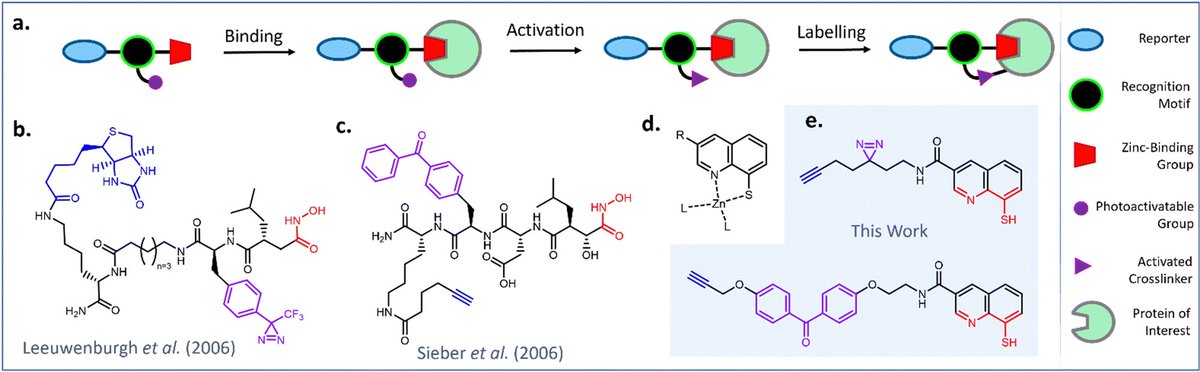
Great paper from the groups of @J_McGouran and Sander van Kasteren with first author @SeanMcK27 in @rsc_chembio. Fully-functionalized probes based on the metal chelator 8-mercaptoquinoline for affinity-based protein profiling of metal-binding proteins. https://t.co/BvJiHNuQMK
LED3’s first PhD/Postdoc symposium was a big success!🎉 Researchers from different Leiden Science institutes presented their interdisciplinary research on Early Drug Discovery.
Read more about the collaboration: https://t.co/bRd1iREUUZ
#LED3Symposium
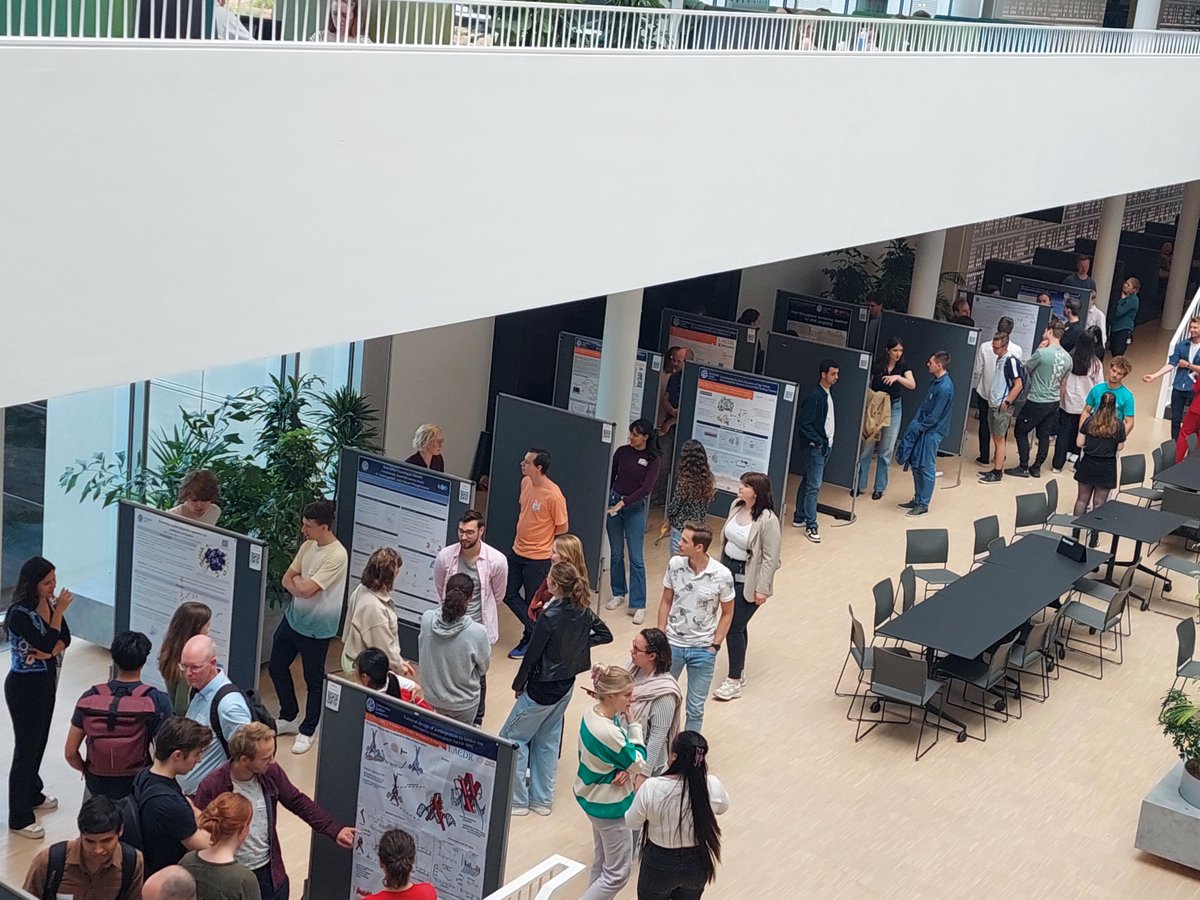
It was great to see all the lively discussions between researchers from all of our institutes at the poster session of the #LED3Symposium. We had a very high quality of posters with an amazing diversity of topics and a lot of interdisciplinary connections.
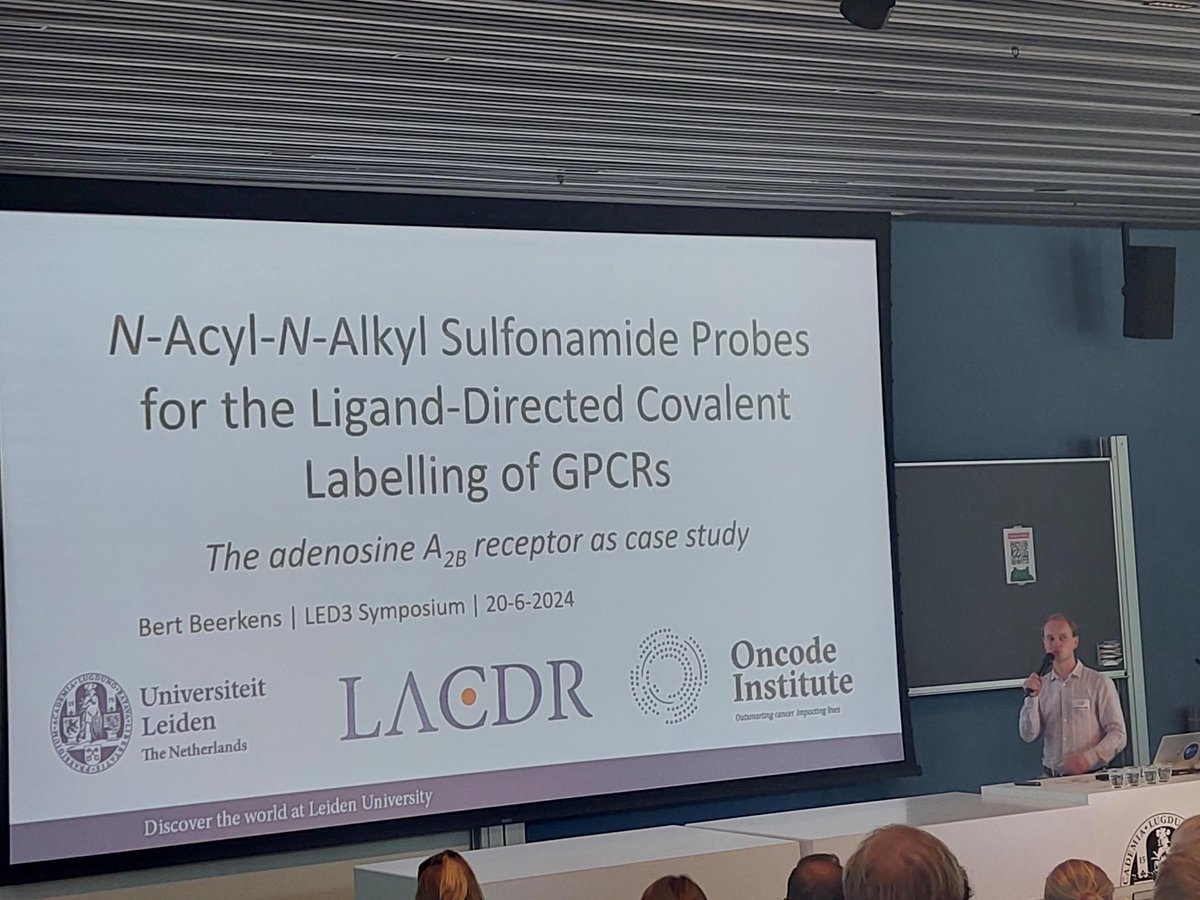
Great talk by Bert Beerkens at the #LED3Symposium. He talked about his research on the development of labeling reagents for the adenosine A2B receptor using ligand-directed chemistry. Interesting application of N-acyl-N-alkyl sulfonamide (NASA) chemistry.