Armchair philosopher 🛋️ | Deep dives into timeless ideas for the doomscroll era—not your average quote dump 💡 | Unpacking timeless ideas in modern chaos 🧠
1/8 🧵
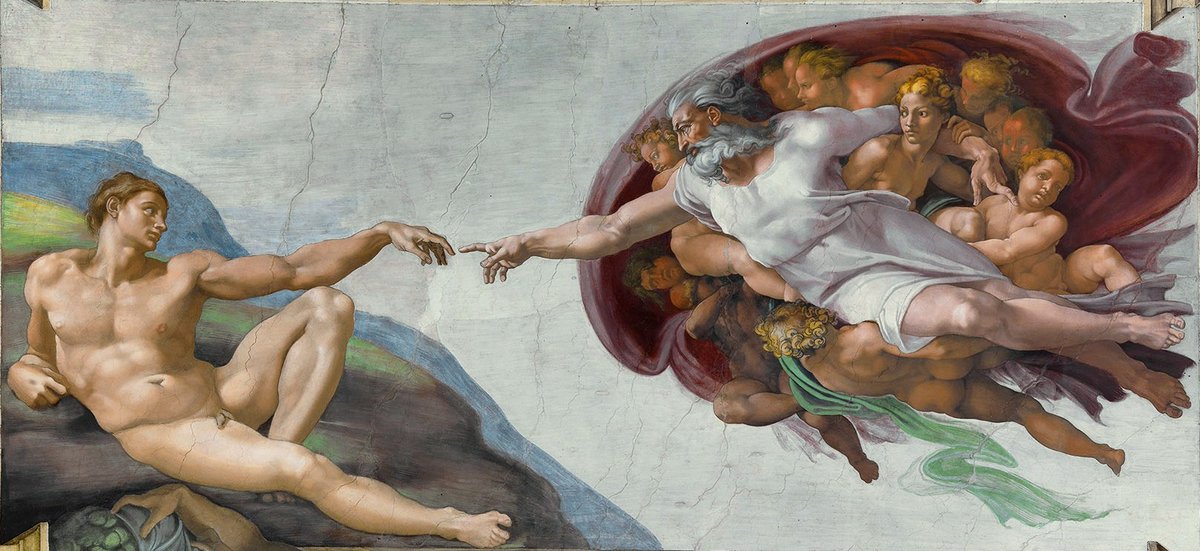
Most people would recognize this painting (fresco) immediately. Especially if you’re old enough like me to have owned a Nokia phone.
But how many know its name, its artist, or have really looked closely? Buckle up. This fresco will hit different after today. Mind blown (or at least make you interesting at parties) guaranteed.🧠
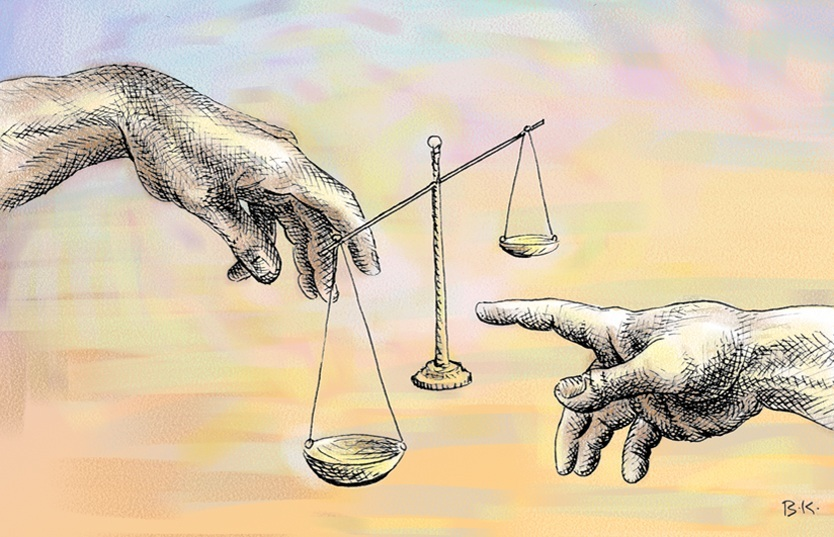
Can we have a real foundation for morality without God?
Many people argue that without a divine source, morality becomes nothing more than personal opinion or cultural preference.
If there’s no higher authority, then who’s to say that kindness is truly better than cruelty, or that stealing is actually wrong?
Others believe we can ground morality in something more human.
They point to our shared capacity for empathy, our ability to reason about harm and fairness, and the practical need to live together in societies.
From this view, morality doesn’t require a divine command.
It can emerge from what helps or harms conscious beings, and from the agreements we make (explicitly or implicitly) to live alongside one another.
The question gets complicated quickly.
Even if we can build moral systems without God, does that make them truly binding, or just useful conventions?
Are they ever changing according to culture of the times?
And if morality does require something beyond human preference to feel truly objective, where does that foundation come from if not the divine?
It’s one of those questions that sits underneath a lot of cultural and political disagreements today.
Do you think morality needs a divine foundation to be meaningful, or can it stand on its own through reason, empathy, and human experience?
@TheEXECUTlONER_@gotrice2024 It’s free. Don’t demand something given out for free.
But also, they should had given them the Frostys. Not like corporates gonna review did they actually hand em out to only “athletes” by whatever definition that is.
@God_Questioner How is nothingness a default?
But I think most theist would redirect this question to the usual answer of God being eternal and God being the contingent being of existence.
The classic is something good because God commands it, or does God command it because it is already good?
If you argue that morality is independent, you are saying it has its own foundation.
If you argue it is always "borrowed authority," you are leaning into Divine Command Theory.
So the next question is, is there a foundation besides a divine one for morality?
@___TheGOOdWitch Are the insides of people’s heads not part of this “world”?
How do you draw a line what’s of this world and what’s not.
I’d argue everything is part of this world.
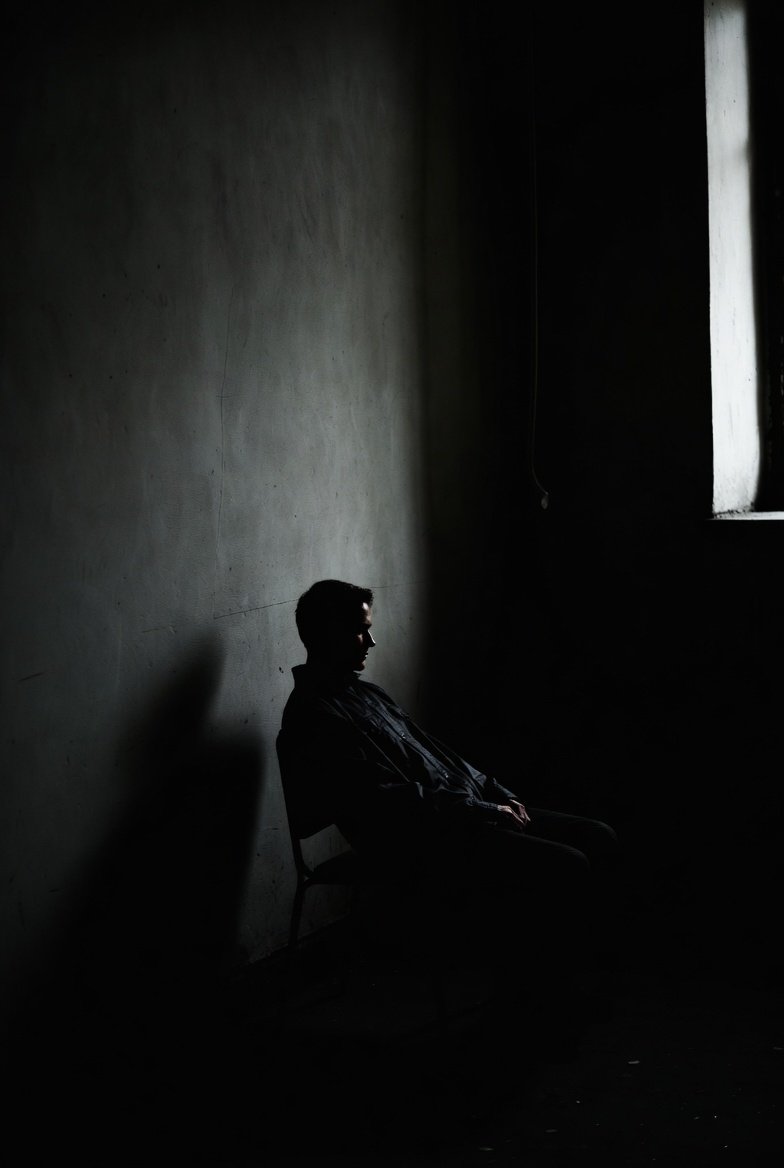
“All of humanity’s problems stem from man’s inability to sit quietly in a room alone.”
Has boredom become something we all avoid consciously or unconsciously?
I remember as a kid I could just be still and watch things around me.
Now, I find myself reaching for my phone anytime there is even a second of stillness.
Hell isn't fire, fury and suffering.
One of the most misunderstood concepts in history is Hell.
We are indoctrinated to think of it as a place of fire, fury, and physical torture.
But if we look at it through the logic of St. Augustine of Hippo, we find something far more terrifying.
It starts with the Problem of Evil.
To Augustine, evil is not a "thing."
It is a "nothing."
In our stories, we treat evil like a dark force, a shadowy substance you can fight with a sword.
But Augustine defined it as Privatio Boni:
The "Privation of Good."
1. The Parasitic Nature of Evil
Evil has no independent existence.
It is a parasite.
Think of a hole in a sock.
The hole is "real" in the sense that it affects your foot, but it has no substance of its own.
It is defined entirely by the absence of the sock. Without the sock, the hole cannot exist.
2. The Cold and the Dark
We talk about "cold" and "darkness" as if they are forces.
Physically, they aren't.
Cold is just the absence of thermal energy (heat).
Darkness is just the absence of photons (light).
You cannot "add" darkness to a room.
You can only remove the light.
Augustine argued that evil works the exact same way. It is the void left behind when the Good is removed.
The Logical Conclusion
If Hell is the "place" of ultimate evil, and evil is the absence of good, then Hell isn't a torture chamber filled with fire.
Since God is defined as the source of all absolute goodness, beauty, and truth, then Hell is simply the total and absolute absence of God.
Hence, Hell is the Ultimate Void.
It is the state of being completely "hollowed out."
It isn’t a place where you are punished by a external force.
It is a state of pure isolation and loneliness.
It is the silence that follows when the "Word" is removed.
Thank you for reading. Keep pondering.