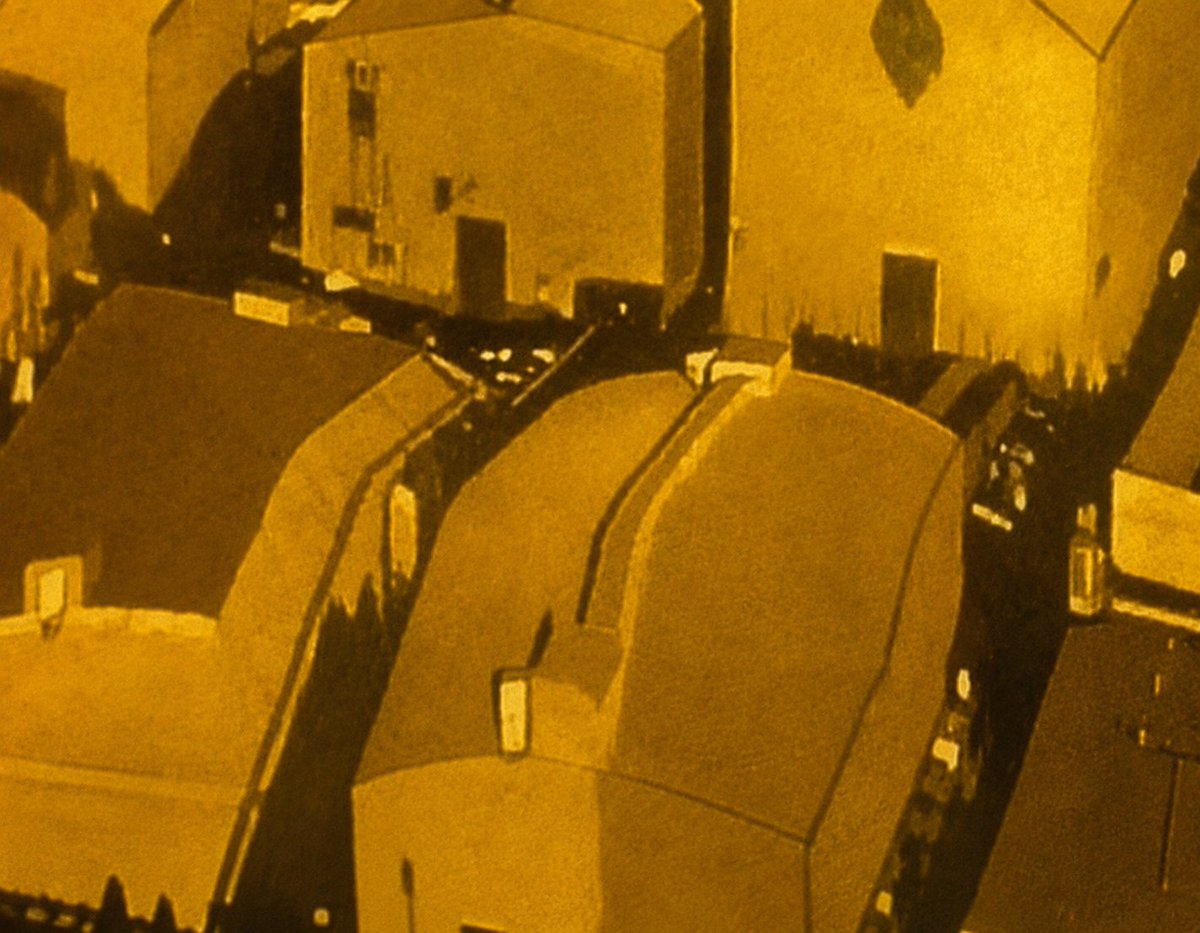
A Soviet poster from 1944 depicting legions of German soldiers fated to die in the Russian winter thanks to Hitler's orders.
Joseph Goebbels wrote in his diary that propaganda works by making people believe in an idea so strongly that they cannot let it go. Hitler agreed. After the Nazis took power in 1933, he created the Reich Ministry of Public Enlightenment and Propaganda and put Goebbels in charge.
Goebbels pushed Nazi messages through art, music, theater, film, books, radio, and newspapers. He also shut down or censored voices that disagreed. He stirred anger over Germany’s defeat in World War I and constantly praised German strength and tradition. This helped create a climate where violent persecution of Jews and other minorities became easier to justify.
During World War II, German propaganda praised the German army and mocked the British and other Allies as weak or cruel. Soviet troops were often portrayed as less than human. After Germany’s defeat at Stalingrad in February 1943, Goebbels called for “total war” in a major speech, but he privately admitted that his influence was slipping as the war turned against Germany.
Britain fought back with its own propaganda. Winston Churchill set up the Political Warfare Executive in 1941 to weaken enemy morale. The BBC’s foreign language broadcasts were a major tool, and Britain also used fake “German” radio stations and dropped leaflets and postcards behind enemy lines to spread doubt and fear.
In the United States, Roosevelt created the Office of War Information in 1942. Its job was to support the war effort at home and hurt enemy morale overseas. The OWI used photography and media to promote unity and production, while also shaping how Americans understood the war.
Propaganda was everywhere, especially in posters, movies, and cartoons. Posters urged Americans to work harder and produce more. Hollywood made patriotic films, and the government supported projects like Frank Capra’s Why We Fight series. Even popular cartoon characters were used to keep people focused on the war and on the enemy.
More rare photos: https://t.co/dQjceOPkrz
@historyinmemes My Marilyn... In every glance of yours lives eternity. You’re not just a photograph — you’re the breath that stills my heart. I love you across the decades.
@Rusia_HD Putin is an old man approaching 80. Many people believe he has long since lost touch with reality. As long as he remains in power, young people continue to die, their lives seemingly becoming the price of his political ambitions and his desire to stay in power.
“Above all, do not lose your desire to walk.”
- Søren Kierkegaard
Søren Kierkegaard wrote these words in an 1847 letter to his ailing sister-in-law, emphasizing that walking was essential not only for physical health but also for mental clarity. The Danish philosopher, who was known for his daily walks through the streets of Copenhagen, believed that constant movement was one of the best remedies for existential anxiety and mental stagnation.
By saying he could walk away from even his heaviest thoughts, Kierkegaard portrayed walking as more than a simple distraction. He saw it as a powerful way to work through grief, anxiety, and life’s most difficult questions. His words remain a timeless reminder that physical movement can inspire emotional and intellectual progress, while remaining still can leave us feeling trapped.
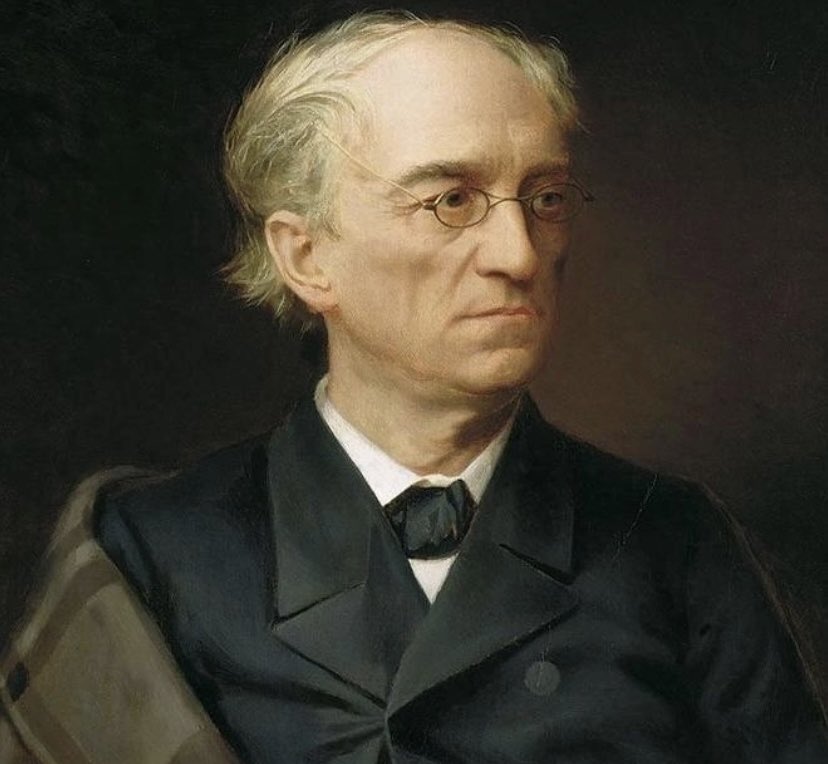
27 июля 1873 года ушёл из жизни Федор Тютчев.
«Умом Россию не понять,
Аршином общим не измерить:
У ней особенная стать -
В Россию можно только верить».