The question would be, then: how can we name on one hand, pictures of dead people in newspapers, and on the other hand, the photograph of a corpse taken during a wake? What are the differences? Do they deal with the same thing?
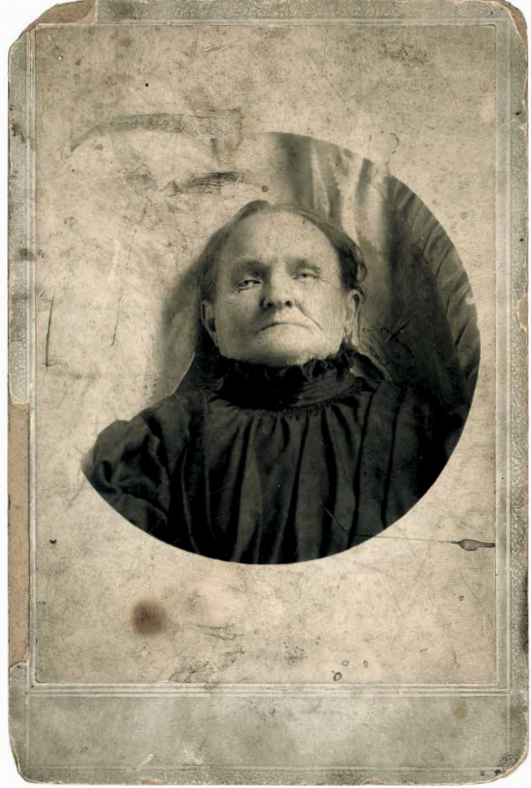
When we speak of post-mortem portraits, it is possible that every reader understands that this term relates to a photograph that has been taken of a person after their death. Essentially, this is the first meaning of a post-mortem portrait.
However, there are many other terms which can help define it and, above all, many nuances when talking about this type of portrait.
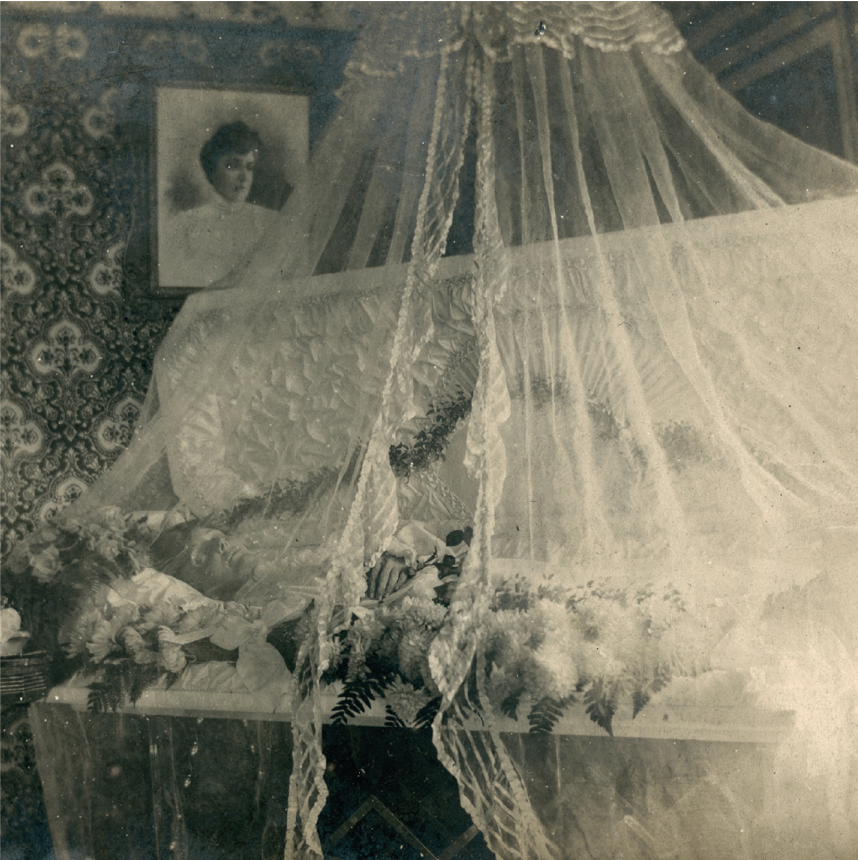
Gelatin DOP, 1900-33. 13,6 x 18 cm. Possibly Italy.
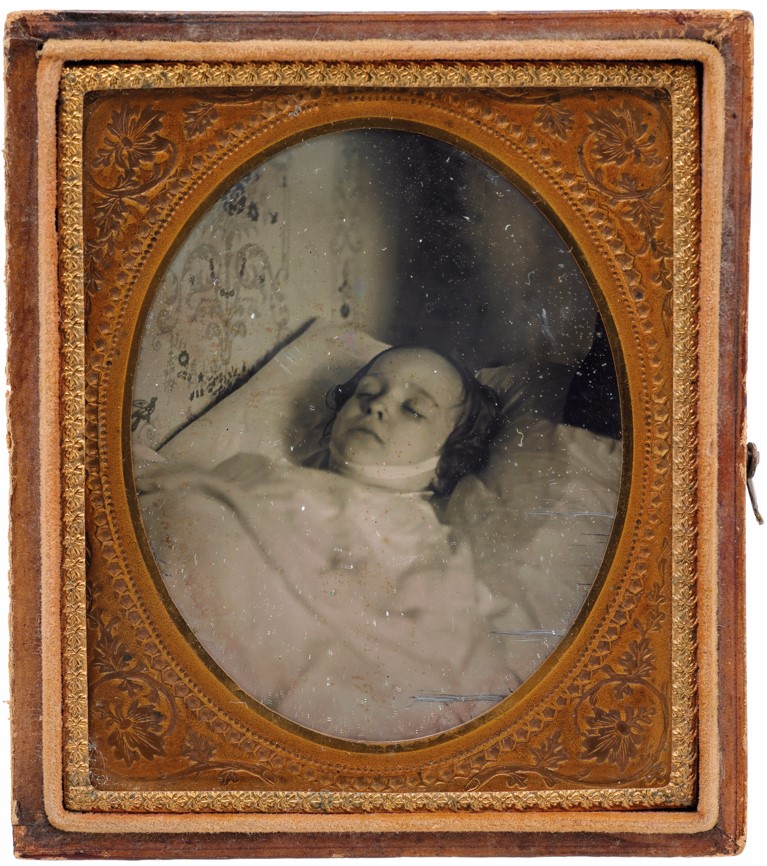
Since the 1840s, with the first daguerreotypes, post-mortem photographs were made. And between 1850 and approximately 1880, just like Jay Ruby says,35 post-mortem photographs tried to emulate the same poses, decoration and staging of the painting world.
Daguerreotype, 1840-60.
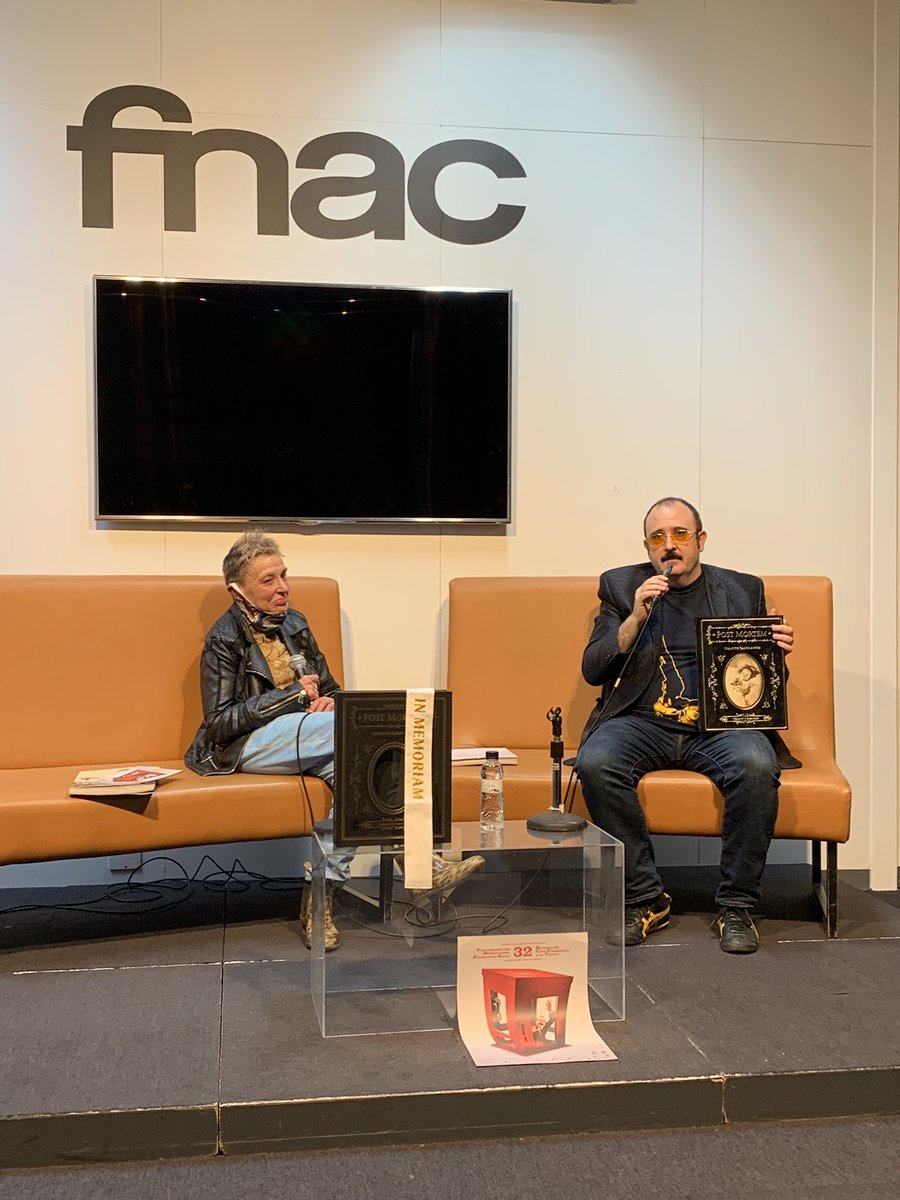
Estuoendo volumen sobre la fotografía post mortem en base a la collectio de Carlos Areces. Imoresionante trabajo de catalogación, estudio y maquetación. Un placer haber moderado su presentación en Libreria Documenta de Barcelona. Gracias @TitilanteE
Estuoendo volumen sobre la fotografía post mortem en base a la collectio de Carlos Areces. Imoresionante trabajo de catalogación, estudio y maquetación. Un placer haber moderado su presentación en Libreria Documenta de Barcelona. Gracias @TitilanteE
Para acabar la jornada hemos podido estar en la presentación del libro #PostMortem , que recoge una colección fotográfica de Carlos Areces. Hemos hablado de cómo ha cambiado la sensibilidad ante la muerte a través de los tiempos, entre otras cosas. 💀
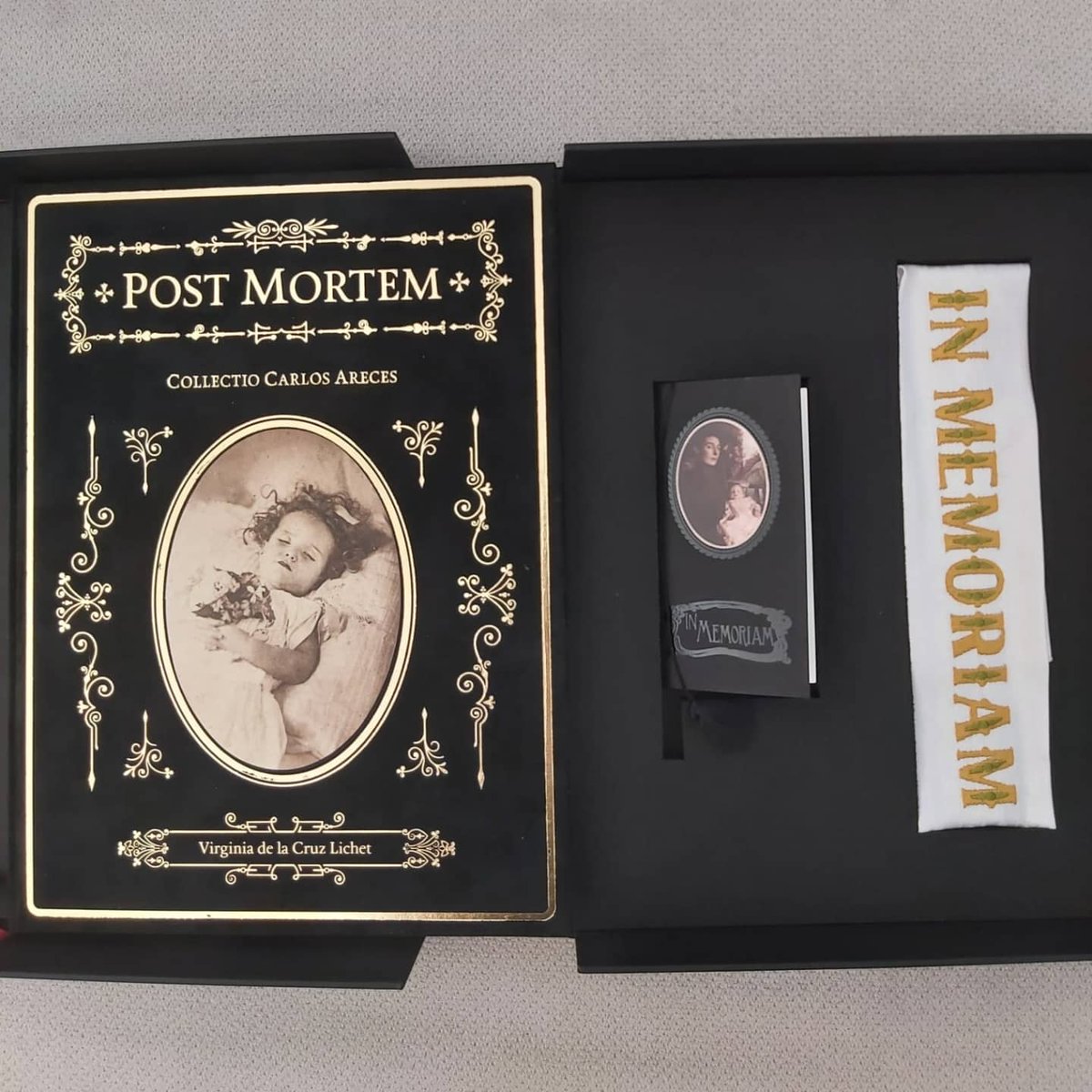
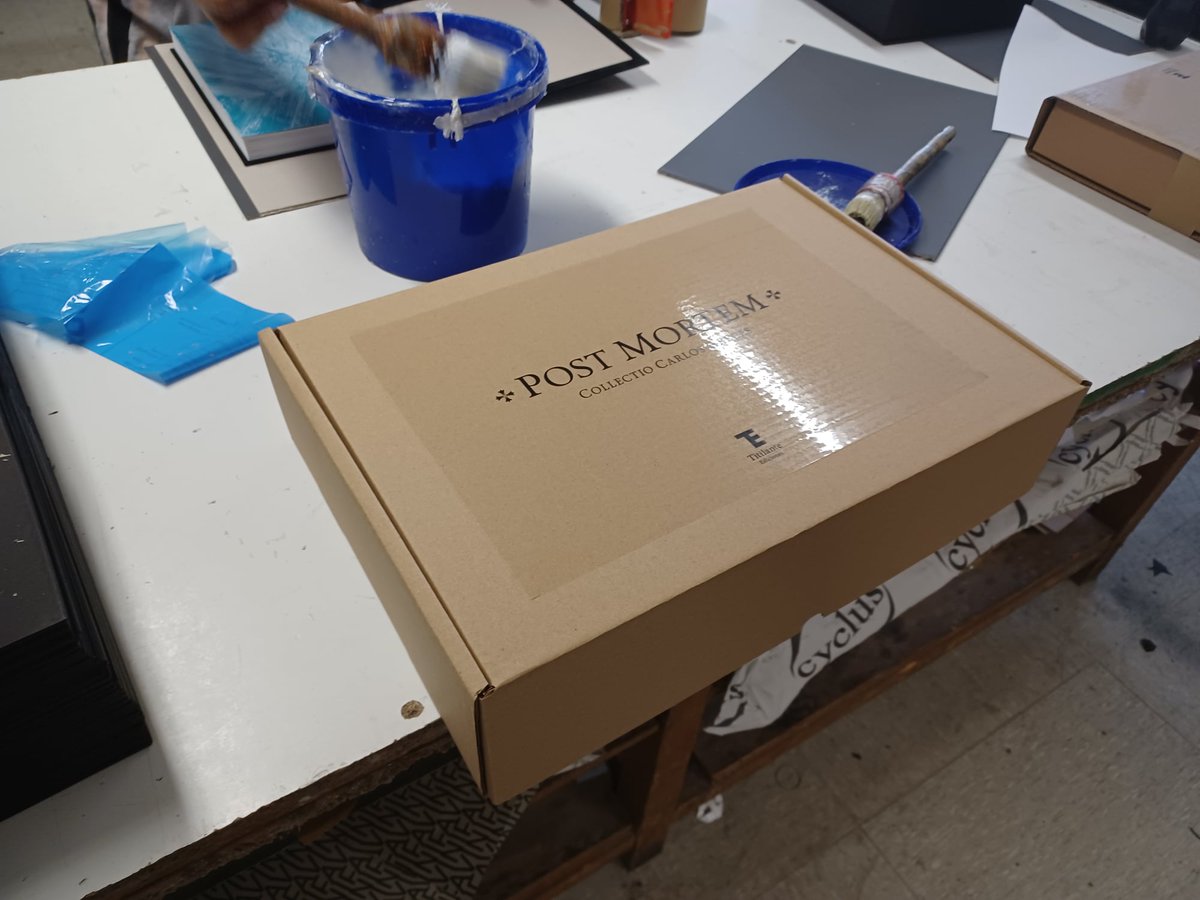
Painstaking, subtle and precise. That's Post Mortem Collectio Carlos Areces creation at the workshop. Over the next few days we'll share some of the techniques and details implemented in this Collector's Limited Edition of only 1839 cps.
#PostMortemCollectioCarlosAreces
182 years ago, Louis Daguerre presented before the French Academy of Sciences his latest invention: the daguerreotype. On that day, photography as we know it was born. In a very short time, the taking of post mortem images as a souvenir of the deceased began to proliferate
Thanks to this movie, Carlos Areces' interest in Post Mortem photography began. So… it made much sense and we’re delighted that Amenábar wrote the prologue for our Limited Edition 𝘗𝘰𝘴𝘵 𝘔𝘰𝘳𝘵𝘦𝘮 𝘊𝘰𝘭𝘭𝘦𝘤𝘵𝘪𝘰 𝘊𝘢𝘳𝘭𝘰𝘴 𝘈𝘳𝘦𝘤𝘦𝘴. (2/2)
https://t.co/YTtseg2tvC
We’re celebrating the 20th anniversary of the premiere of The Others, the superb film directed by Alejandro Amenábar and starring Nicole Kidman. We didn't want to miss such an important date for us! (1/2)
Did you miss event hosted by the @TwainHouse with Virginia de la Cruz Lichet, Cecilia Casas and Carlos Areces? Now you can watch it here!!! https://t.co/F1nt79P1FD #PostMortemCollectioCarlosAreces
Hi!! Finally, we started shipping on Tuesday. Attached, our first book + case finished, first package ready to ship and a book to be sent to author Virginia together with all the rest, of course. Very happy to finally start seeing them go!
These portraits of the deceased, of great interest due to their rarity and historical and artistic value are currently sought after by collectors, including actor Carlos Areces. Learn more about this Limited Edition al https://t.co/Ibrxd7kWLp
From the birth of photography in 1839 until well into the 20th century, post mortem photography became a widespread practice. With them, families captured an image or its of their loved ones who, due to the novelty of the technique or its high cost, had never been photographed.
The definitive book on post-mortem photography, with unique images never before published. Don't be afraid to enter a world of knowledge through the +200 pages of this book.
Want to know more?
https://t.co/Ibrxd7kWLp