Hello, my name is Zeddy Bariti. I am the founder and host of The Power Dialogue Africa podcast. Welcome to this space where we showcase African brilliance in all its forms. 🌍🖤#ThePowerDialogueAfrica
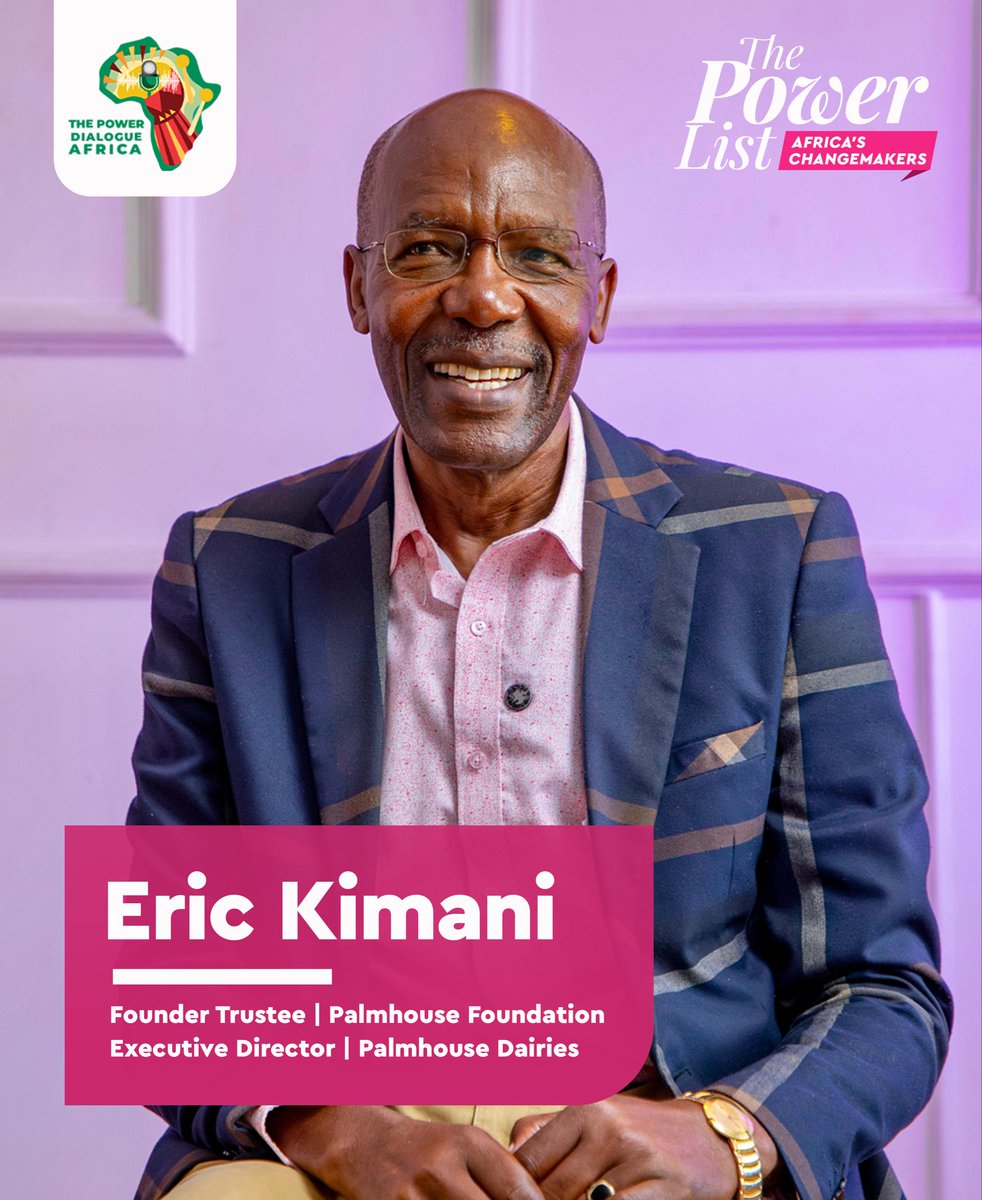
𝐓𝐇𝐄 𝐏𝐎𝐖𝐄𝐑 𝐋𝐈𝐒𝐓 | 𝟎𝟎𝟏: 𝐄𝐑𝐈𝐂 𝐊𝐈𝐌𝐀𝐍𝐈, 𝐌𝐁𝐒
In a country where financial circumstances can determine whether a needy student gets to complete their education, Eric Kimani has helped turn opportunity into possibility.
A seasoned corporate leader and entrepreneur, Kimani has served as Managing Director of Sameer Africa and CEO of the Kenya Tea Development Authority. He also co-founded Palmhouse Dairies with his wife, Margaret Munene.
His influence extends beyond business. Through Palmhouse Foundation, which he co-founded, more than 1,500 students from financially disadvantaged backgrounds have received support to access secondary education.
His leadership has also reached the professional and civic spheres. He has chaired the Institute of Certified Public Accountants of Kenya (ICPAK), served as Rotary District Governor for District 9200, and received the Volunteer of the Year Award (2008) and the Moran of the Order of the Burning Spear (MBS) (2011).
We sat down with him on The Power Dialogue Africa to explore his journey, leadership philosophy and what it means to build a legacy beyond yourself.
⏯️ Watch or listen to the full conversation link in bio.
The Power List celebrates people who use their influence, leadership and resources to make a difference. Who are the most impactful African leaders you know?
When we tell the story of a great man, what happens to the woman who shared his life?
Mukami Kimathi was more than the wife of a freedom fighter. She was a person whose life intersected with one of the most consequential struggles in Kenya's history.
Dedan Kimathi was more than the name we invoke when we speak about resistance. He was a man with a personal life that deserves to be understood alongside his public legacy.
Can we tell the full human story of our liberation struggle without paying attention to the relationships that existed behind it? Whose stories have we left at the margins of Kenyan history?
#thepowerdialogueafrica
🇰🇪 Nation Centre , Nairobi
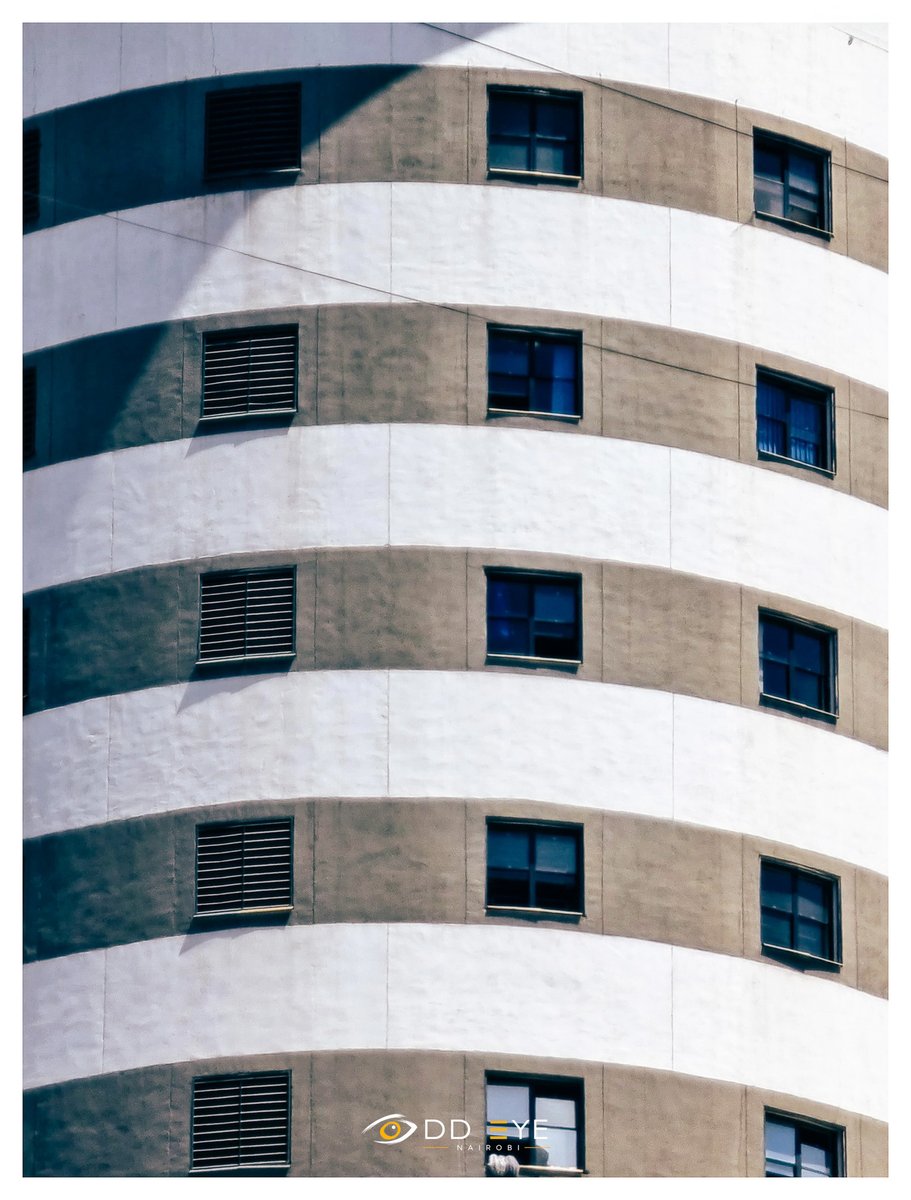
Have you ever walked past this building in Nairobi and wondered why it looks like two enormous barrels sitting on top of a building?
Well, there is a rather fascinating story behind it. Strangely enough, this building never had an official opening ceremony.
This is Nation Centre, along Kimathi Street, home to one of East Africa’s most influential media organizations. Its story began long before the building appeared on Nairobi’s skyline.
In 1959, the Aga Khan acquired a Swahili newspaper called Taifa. On 20 March 1960, the first issue of The Nation was published, at a time when Kenya was approaching independence and African countries were increasingly demanding the right to tell their own stories. Fast-forward to February 1988. A design for a new communications centre was being developed by Danish architect Henning Larsen, working alongside Kenya’s Planning Systems Services, whose partners included architects Trevor Andrews and Jim Archer.
The brief was to create a landmark that would connect a newspaper with the people and the city around it. The resulting design was anything but ordinary. A ten-storey podium, two cylindrical seven-storey towers, a curved facade and a striking red aerial rising above the entrance. But look closer.
The building has attracted some rather unusual interpretations. Some see a zebra in its black & white bands. Others see binoculars in the twin towers, newspaper columns in their vertical forms, or even a Maasai spear in the red mast.
One architectural study even documents an interpretation involving two toilet rolls on a table! Whether or not these were intended meanings, they reveal just how much a building can provoke the imagination. Better yet, there is another layer to this story. The architects described Nairobi as a meeting point of African, Arab and Indian cultures.
They wanted the building to express the modernity of this East African city without reducing it to a single architectural identity. In May 1992, Nation’s offices moved into the building. Its 1992 fitting-out budget was KSh80 million. In all this, here’s the detail I find particularly fascinating.
According to journalist Gerard Loughran’s historical account of Nation Media Group, the building never had a formal opening ceremony. At the time, the media was experiencing persistent harassment from the government, and management felt inviting the then President Daniel arap Moi would send the wrong signal. Consequently, this remarkable building became home to a major media institution without the customary presidential inauguration.
A building designed to house stories was itself born in a complicated chapter of Kenya’s media history. What does this building look like to you? Have you heard another story about its unusual design? Tell me what you know. I am particularly interested in the stories that never made it into the architecture books, as sometimes, the history of a place is not just in its walls. It is in the memories of the people who have passed through them.
Certain knowledge is still forbidden in higher education.
The Massachusetts Institute of Technology (MIT) removed veteran linguistics professor Michel DeGraff from his teaching duties and reassigned him to a general faculty position after a proposed course on language, colonialism, and liberation focused on Palestine and Haiti.
According to The New York Times, DeGraff accused MIT of suppressing academic freedom and silencing criticism of Israel. He has since filed a federal lawsuit alleging violations of his professional rights and freedom of expression.
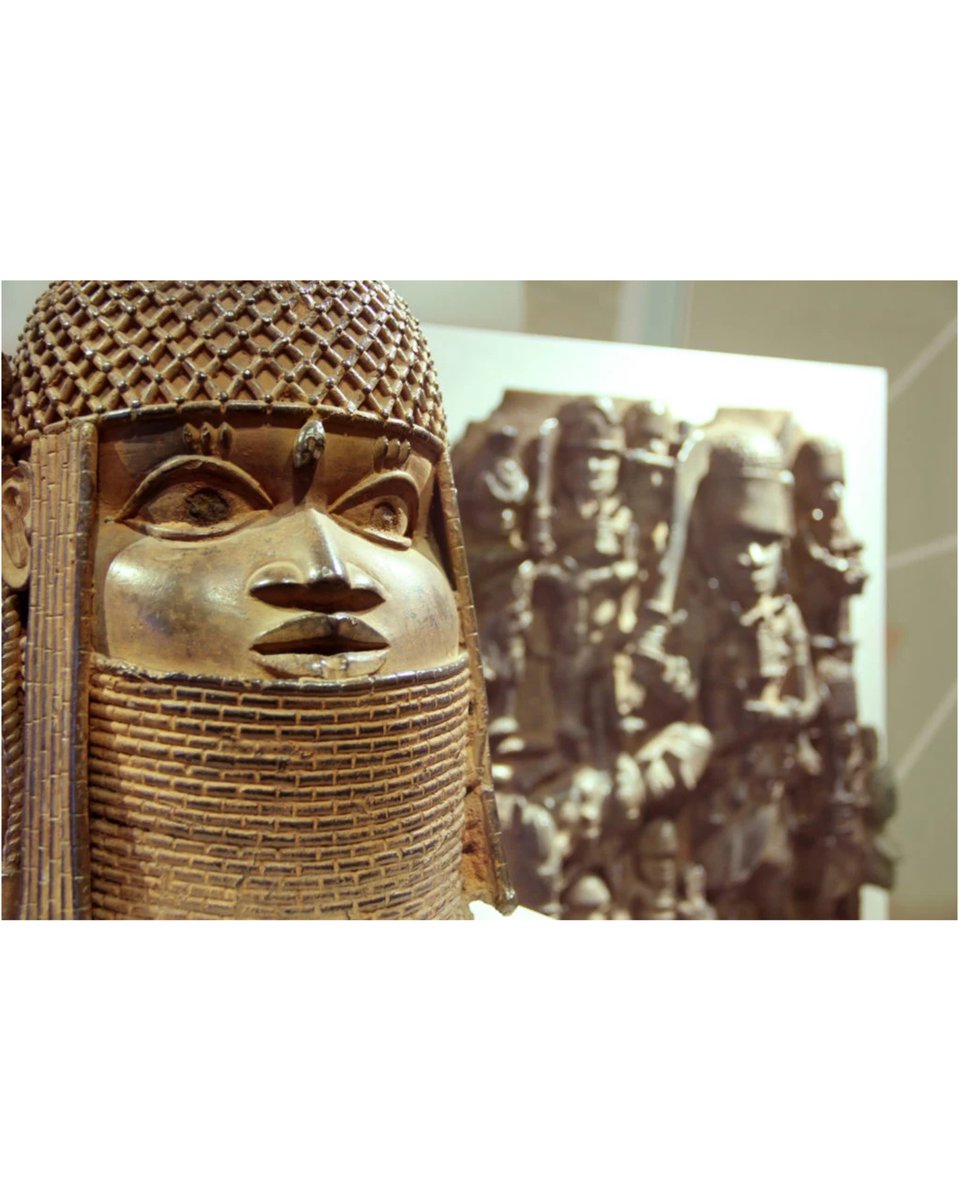
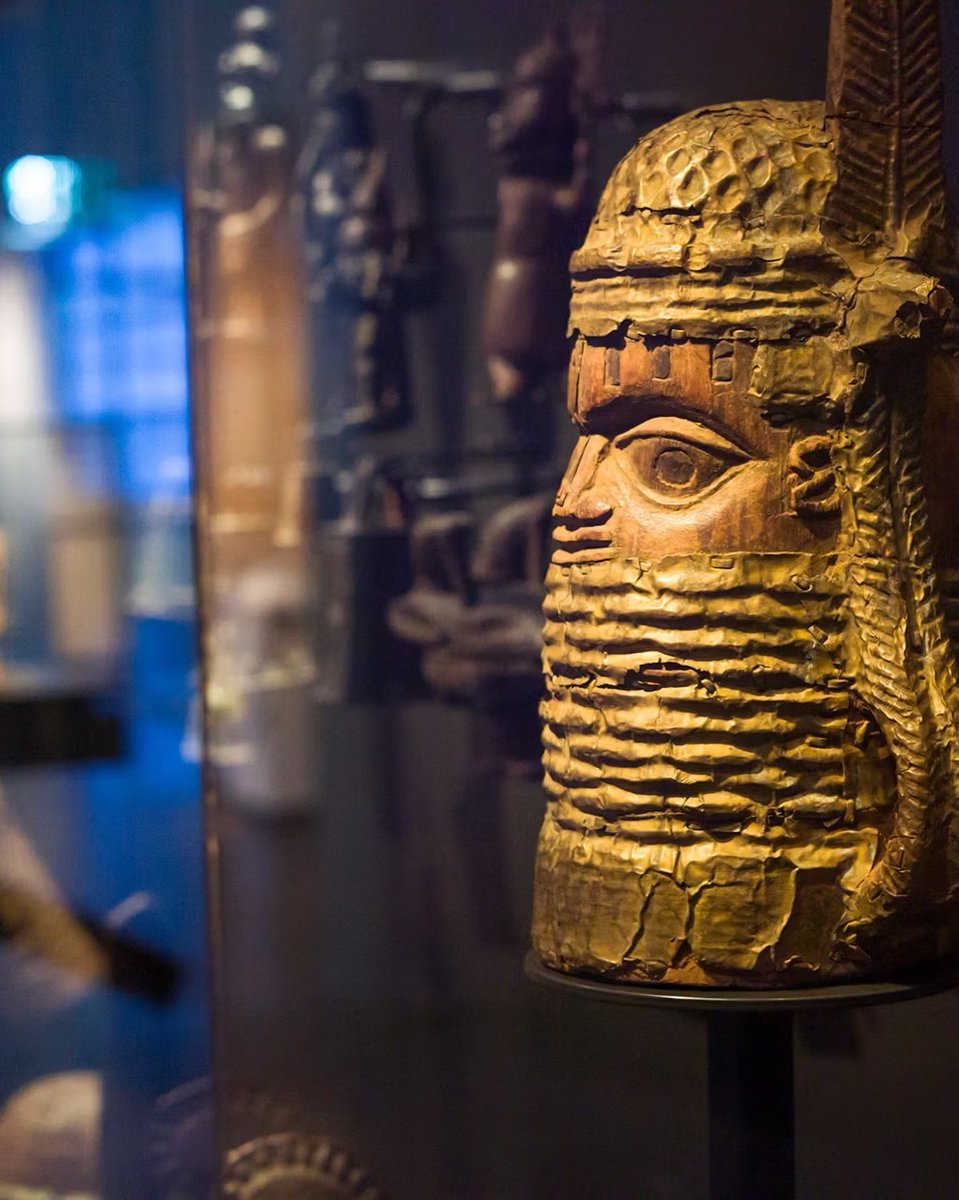
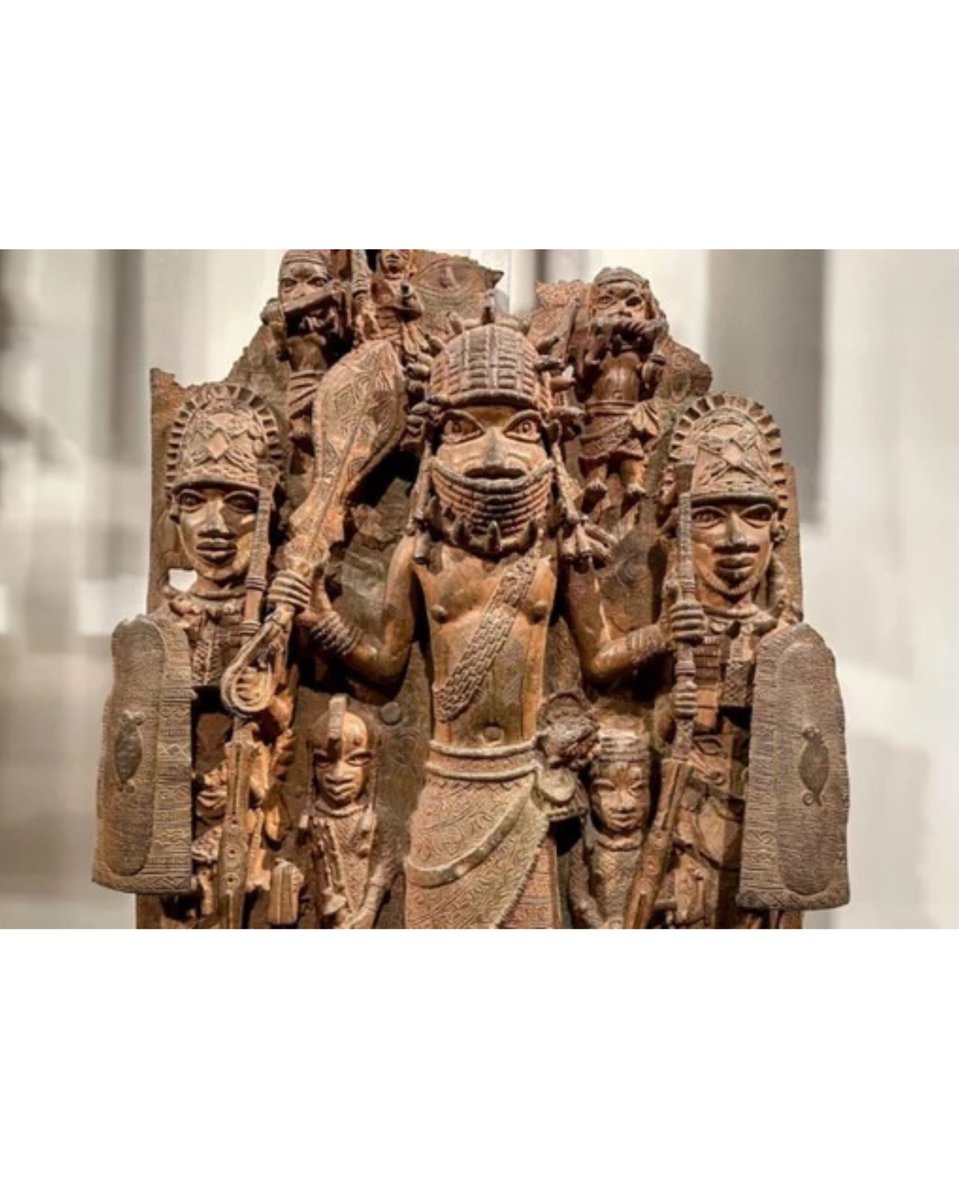
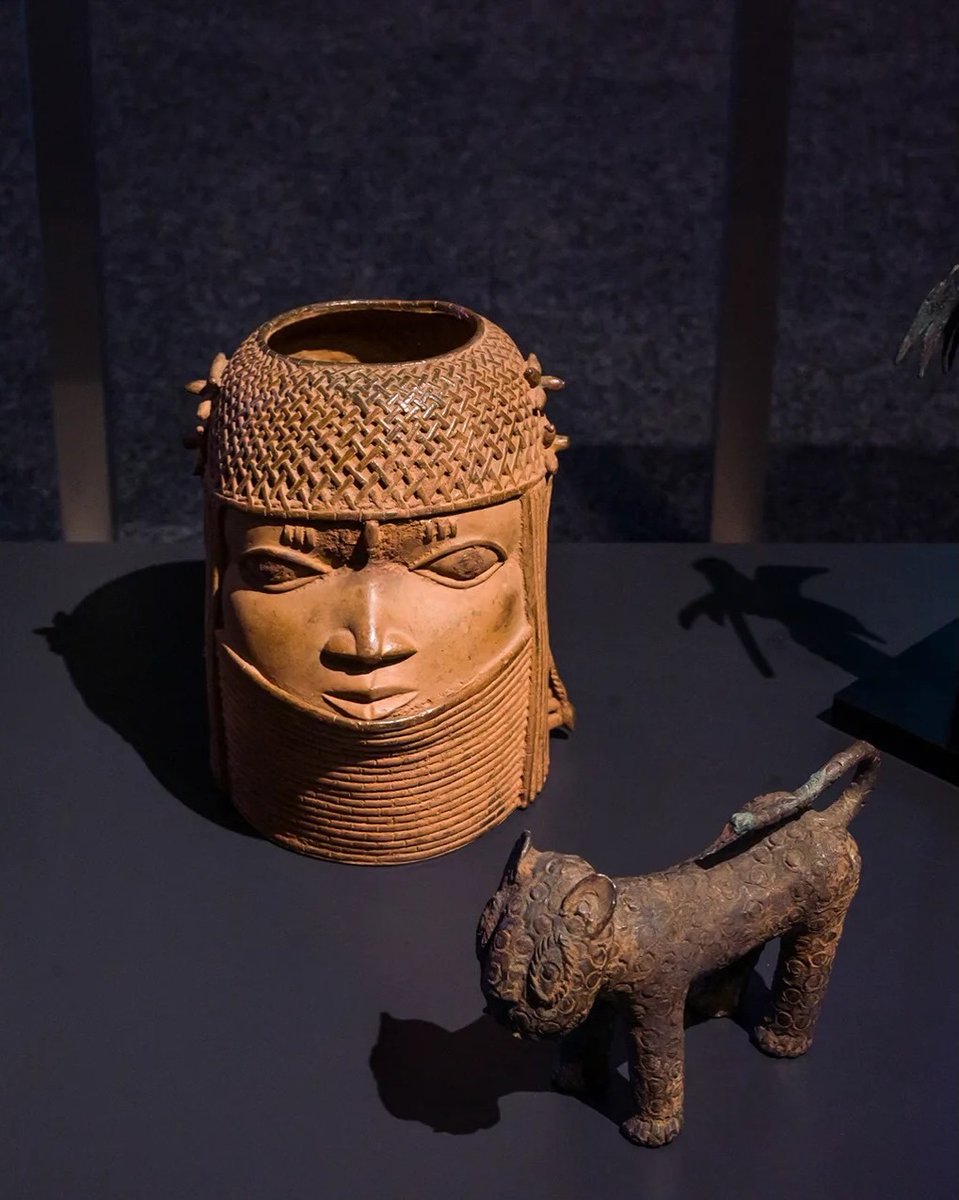
The Netherlands return stolen Benin artefacts 129 years after British soldiers looted treasures from the kingdom during the 1897 invasion.
The artefact was presented at the Oba’s palace in Benin City on October 20, during celebrations marking his 10th coronation anniversary.
How to Be an African Writer in the AI Era by Tope Folarin
A past winner of the Caine Prize draws a hard lesson from the controversy over its latest recipient.
Archived, no paywall link to the Atlantic article is here: https://t.co/8QBhJ4V6il
🥁Was Africa the original continent's name?
We often call it innovation when we rediscover something African already knew. Welcome to future of ancestry series.
#thepowerdialogueafrica#futureancestryseries
Africa's digital revolution has been so successful that criminals are now trying to industrialize it.
✅We celebrated mobile money because it meant we could leapfrog banks.
✅We digitized government because citizens could access services without queues.
✅We moved more of our lives online because it was faster, cheaper and more convenient.
But, every leap forward creates an attack surface.
INTERPOL's 2026 African Cyberthreat Assessment Report paints an uncomfortable picture, cybercrime is becoming faster, more scalable and harder to detect and Al is accelerating the transformation.
The question isn't whether Africa will become digital. We already are. The question is whether our ability to protect that digital economy is keeping pace with our ability to build it. That is where my conversation with cybersecurity and blockchain expert @edwinsikini1 begins.
Africa's digital transformation cannot be separated from cybersecurity. Digital growth without digital resilience creates fragility. I unpack this conversation with Edwin on The Power Dialogue Africa. Watch the full conversation here https://t.co/Z52AdW7242
Kenya's relationship with money transform from coins and cash counters to a tap on a phone screen. But as money went digital, so did the risk.
On this episode of Power Dialogue Africa, @edwinsikini1 takes us through that shift. How cybersecurity stopped being an IT department problem and became a personal one, why the same convenience that moved billions through mobile money also opened new doors for fraud, and what it really means to be safe online.
This isn't a lecture on firewalls. It's a conversation about trust, how we built it into our financial systems, and what it takes to keep it there as the threats keep evolving. How do you protect what you can't see?
🔗Full episode https://t.co/j6eLQnSYBM
One mysterious creator, one digital currency and over 6 million Kenyans using Bitcoin. Who exactly is Satoshi Nakamoto and why did Bitcoin find such fertile ground in Kenya?
The story is stranger than you think.
Full story https://t.co/hOaM2HHPr7
Most women don't wait years for an endometriosis diagnosis because the disease is rare. They wait because pain is often normalised.
For many, the conversation ends with, "It's just period pain." Years pass. The symptoms worsen. Life quietly rearranges itself around pain.
Dr. Joe Njagi believes one reason is surprisingly simple, we don't always give women enough time to be heard.
We unpack that conversation.
What's been your experience?
#endometriosis #thepowerdialogueafrica