Do you have trouble sleeping? In this podcast episode, Power ON Power OFF's Chief Science Officer Dr. Robert Pastore explains the basic neurochemistry of sleep, insomnia, the negative effects sleep aids and his recommendations for a proper pre-bed routine. https://t.co/4y0OedeSNX
By not giving ourselves the minutes — or hours — free of devices and distractions, we risk losing our ability to know who we are and what’s important to us. Why we owe it to ourselves to spend quiet time alone every day:
https://t.co/QidoIiT7R2
The current college generation is more stressed than any other, but there's one thing you can do to manage it — and it has to do with changing your perspective and priorities.
https://t.co/AIElPUYsoY
You may not have hours to commit to a gym, but some exercise is better than none. Some studies have shown that “snacking” on exercise can be worthwhile — that brief, intense bursts of activity still have health benefits. https://t.co/5ODp2lom6I
According to analysis by the Texas A&M Transportation Institute, the average American commuter spends 42 hours per year stuck in rush-hour traffic. This can have a serious effect on your mental state. Learn more here: https://t.co/thew8isYnQ
"Research suggests that we are just as programmed to sense a threat to our dignity as we are to a physical threat. Neuroscientists have found that a psychological injury such as being excluded stimulates the same part of the brain as a physical wound.”
https://t.co/1Mj6j2Jsgg
What does it physically take to be a professional hockey player? The Olympic Channel analyzed Team Canada hockey player Jenn Wakefield to find out.
https://t.co/TZen2H9i2Y
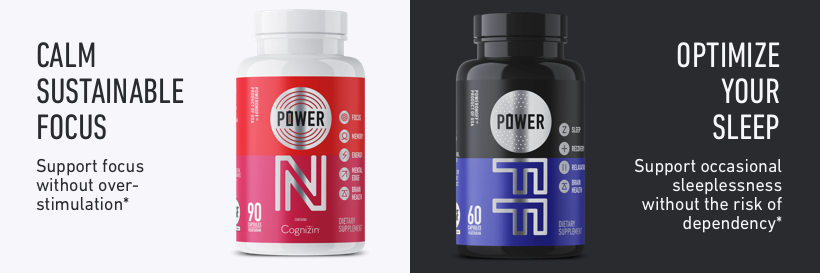
Students and athletes often use adderall without a prescription to help them focus. Power ON was created as a safe, natural alternative.
Learn about the stimulant abuse epidemic here: https://t.co/3FUosAHXqS
With darkness, our brains start to produce melatonin before we fall asleep. When blue-sensitive receptors in our eyes exposed to blue light, that sends a signal to the pineal gland of our brain that shuts off the production of melatonin. https://t.co/KltwnSd5Ty
Consider this scenario: You have a long day of travel and arrive home late, say, at 2 a.m. And you've got to wake up at the crack of dawn for an early meeting the next day. Is that a big deal? Find out here: https://t.co/80UilBYHcO
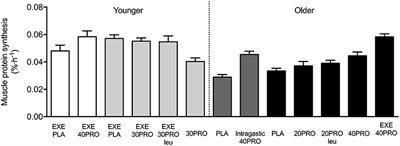
Sleep and recovery are incredibly important for muscle growth and repair.
Read how consuming protein pre-sleep can optimize muscle adaptation here: https://t.co/dxYSWAkziT
Acute stress is actually beneficial to keep our brains functioning properly. Chronic stress impacts the brain very negatively and can have a ripple effect on your body and health.
Learn how stress impacts the brain here: https://t.co/drFoj4xJb1
Regularly watching more than three and a half hours of TV at a time can lead to cognitive decline in language and memory as we age. Maybe it's time to hit pause on Netflix?
https://t.co/Xd39FjdZhb
Power ON Power OFF's Chief Science Officer sat down with the Founder of @ThePaleoDiet, Dr. Loren Cordain, on the latest episode of The Pastore Podcast.
Find the episode here: https://t.co/RJTYakrt3H
It was such an honor to have my friend Dr. Loren Cordain of @ThePaleoDiet speak about his research on the latest episode of The Pastore Podcast. Listen to our full conversation here: https://t.co/3RHnuynLNc
March is Brain Injury Awareness Month. We sat down with @benvny - an
award-winning, nationally recognized strength & conditioning coach and expert in concussion exercise solutions - to discuss traumatic brain injuries in professional athletes.
https://t.co/TemJBF5KGd