🧩 What Is Ecosystem Utility?
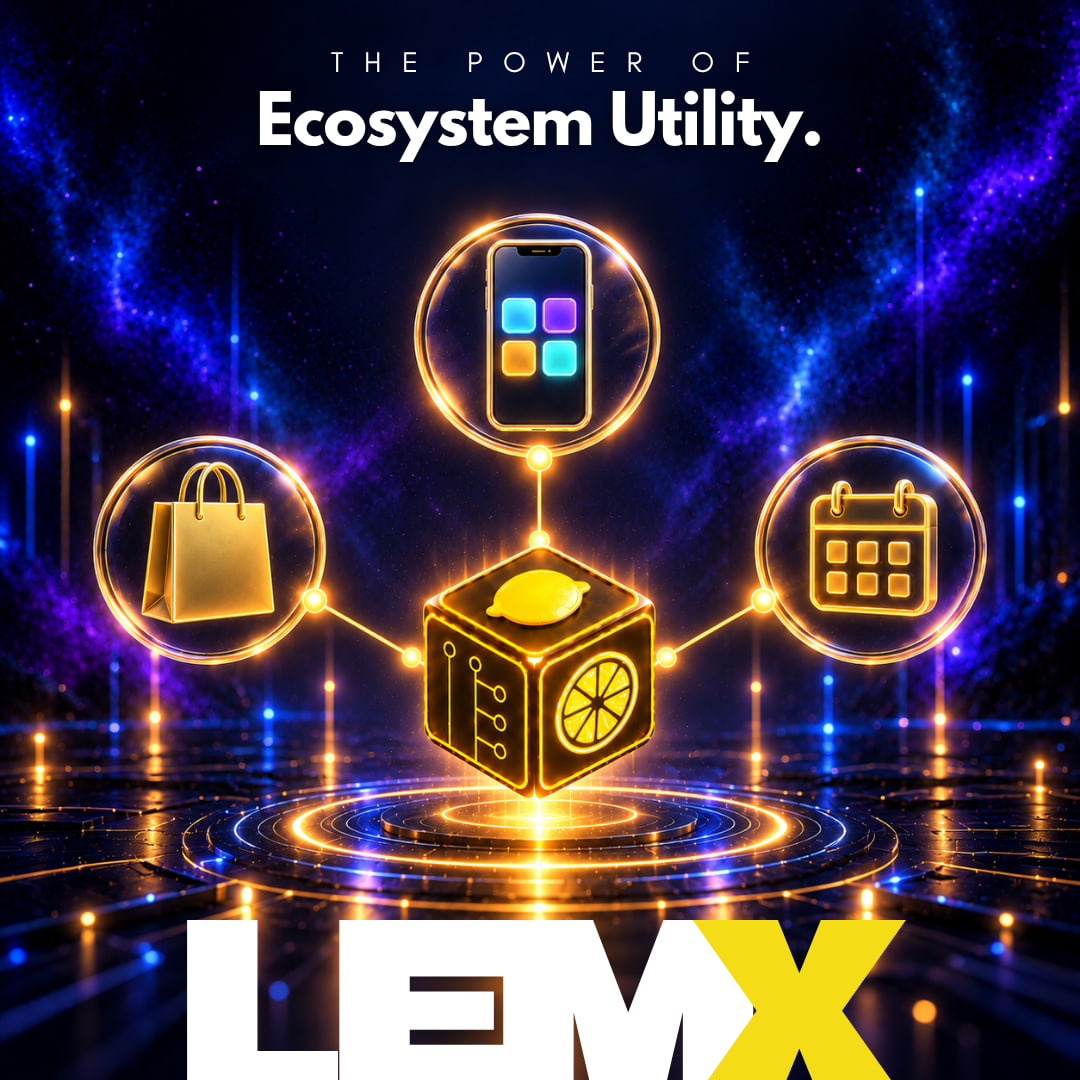
A token’s utility doesn’t have to stop at the blockchain itself.
Ecosystem utility refers to ways a token can be incorporated into supported applications, products, or services.
That’s different from network utility, such as using LEMX to pay LemonChain gas fees.
Think of it this way:
⛓️ Network utility = Using the blockchain
🧩 Ecosystem utility = Using the token within supported experiences
Understanding the difference makes it easier to see the different roles a token can have.
🍋 Utility is about what a token enables you to do.
A smart contract is code deployed on a blockchain that follows programmed rules.
Instead of relying on someone to manually perform every step, a smart contract can execute specific actions when its programmed conditions are met.
Smart contracts can be used to power things like:
🔹 Tokens
🔹 Decentralized applications (dApps)
🔹 DeFi protocols
🔹 On-chain agreements and functions
Because LemonChain is EVM-compatible, developers can build and deploy EVM smart contracts on the network.
🍋 The blockchain stores more than transactions—it can also run programmable applications.
“Gas” is the fee required to process activity on a blockchain.
On LemonChain, LEMX is the native token and is used to pay transaction fees when users send transactions or interact with smart contracts.
That means even if you’re interacting with another token on LemonChain, you may still need a small amount of LEMX available for gas.
Think of it this way:
Transaction = What you want to do
Gas = What allows the network to process it
🍋 LEMX isn’t only an asset on LemonChain—it also has a functional role in using the network.
EVM stands for Ethereum Virtual Machine.
Being EVM-compatible means LemonChain can work with smart contracts and development tools designed around the Ethereum ecosystem.
Why is that useful?
Developers familiar with Ethereum don’t necessarily have to start from scratch when building on LemonChain. Familiar tools, smart contract standards, and applications can be used within an EVM-compatible environment.
For users, it means LemonChain can support more than token transfers—it provides infrastructure for dApps, smart contracts, DeFi tools, and other blockchain applications.
🍋 It’s about compatibility that makes building easier.
🍋 Monthly Lemon Community Q&A
Let’s talk Lemon! Join us Wednesday, November 4, for our next Community Q&A. 💬
What’s on your mind? Whether you’re looking for an update, want to better understand something in the ecosystem, or have an idea to share, this is your chance to bring it directly to the Lemon Team.
📅 Wednesday, November 4
⏰ 12:00 PM MT
📍 Live on https://t.co/i60lSdHqjw
→ Open the pinned Q&A room
→ Join the live chat
→ Bring your questions, ideas, and feedback
Every conversation starts with curiosity. Ask what you’ve been wondering about, hear from other community members, or simply stop by and listen.
📌 Held on the first Wednesday of every month.
Your questions help shape the conversation. See you there! 🍋
The Explorer isn’t just for checking whether a transaction went through. It’s a window into activity happening on the blockchain.
You can explore:
📦 Blocks
🔄 Transactions
👛 Wallet addresses
🪙 Tokens and token transfers
📄 Verified contracts
📊 Network activity
Blockchain explorers turn on-chain data into information you can actually search and review.
Next time you make a transaction, don’t just check your wallet—take a look at what was recorded on the blockchain.
🔎 https://t.co/bVusXSo76N
One of the powerful features of blockchain technology is transparency.
When a transaction takes place on LemonChain, you can use the LemonChain Explorer to look it up and view information recorded on-chain.
Search using a transaction hash or wallet address to explore details such as:
✅ Transaction status
📦 Block information
📤 From and To addresses
💰 Value transferred
⛽️ Transaction fee
Instead of wondering what happened to a transaction, check the blockchain.
🔎 https://t.co/bVusXSo76N
A blockchain is more than a place where tokens live. It’s a network that records transactions, creates blocks, and maintains a shared history of activity.
LemonChain is a Layer 1 blockchain using a Delegated Proof-of-Stake (DPoS) consensus model. Validators help verify transactions and produce blocks, while delegators can participate by assigning stake to validators.
Together, these moving parts help keep the network operating.
And because blockchain activity is transparent, much of that activity can be viewed directly through the LemonChain Explorer.
🔎 Explore the network: https://t.co/bVusXSo76N
Want to explore the validators participating in LemonChain?
The Validator Table provides a directory of validators with key information available at a glance:
Validator status
Stake
Uptime
Commission
Open an individual validator for a deeper look at information including epoch history, uptime charts, and delegator breakdown.
Explore validator information all in one place.
https://t.co/H9fYxCyDPy
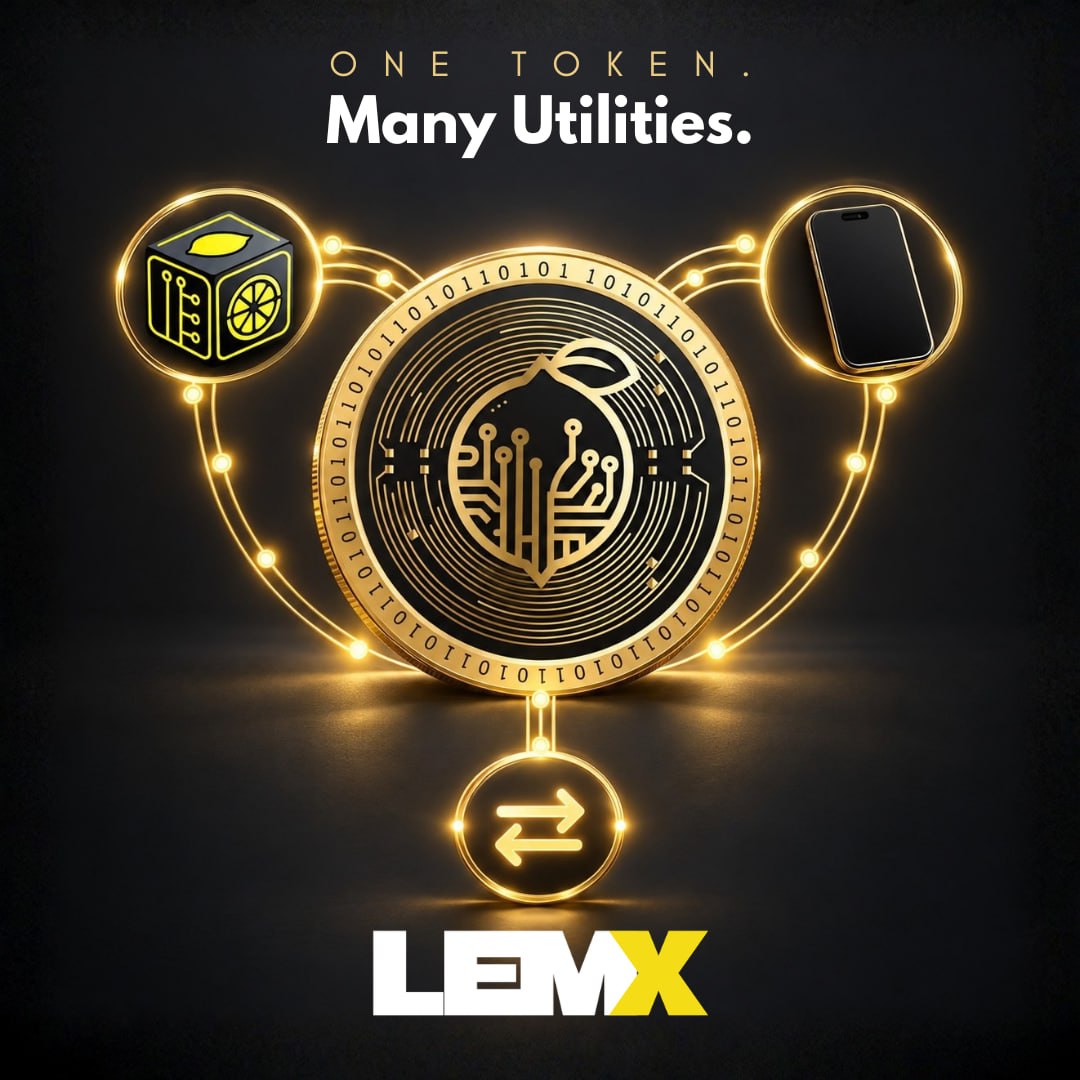
Token utility isn’t always just one thing.
LEMX can have different functional roles depending on how it’s being used:
Network Utility
Paying transaction fees on LemonChain.
Participation Utility
Participating in the network through staking.
Ecosystem Utility
Using LEMX within supported applications, products, or services.
Each represents a different way a token can function.
When evaluating utility, look at what the token actually enables—not just how many uses are listed.
How Does LEMX Support Network Participation?
LEMX also has a role in LemonChain’s Delegated Proof-of-Stake network.
LEMX can be staked as part of network participation.
Validators use staked LEMX as part of operating validator nodes, while delegators can assign staked LEMX to validators without operating the infrastructure themselves.
This is a different type of utility from using LEMX for gas.
Gas = Network transactions
Staking = Network participation
We’ll explore validators and delegators more in our dedicated Validators & Delegators series.
When you pay a gas fee on LemonChain, you’re not simply paying to move a token from Point A to Point B.
Your transaction has to be processed by the network.
That can include:
📨 Submitting the transaction
🔍 Validating the activity
⚙️ Executing a smart contract, when applicable
⛓️ Recording the result on the blockchain
LEMX is used to pay the network fee associated with that activity.
🍋 Gas is part of what allows on-chain activity to be processed.
⛽️ Why Does LemonChain Use LEMX for Gas?
Every blockchain transaction requires network resources to process.
On LemonChain, LEMX is the native token used to pay those transaction fees—commonly called gas.
Gas may be required when you:
🔄 Send a transaction
🪙 Transfer a token
📄 Interact with a smart contract
🌐 Use certain on-chain applications
The gas fee helps compensate for the network resources used to process the activity.
🍋 This is one of the core utilities of LEMX on LemonChain.
Here’s a common source of confusion: You can have another token in your wallet on LemonChain and still need LEMX to complete an on-chain transaction.
Why? LEMX is LemonChain’s native gas token. The token you’re sending and the token used to pay the network fee don’t necessarily have to be the same.
For example:
🪙 Token being transferred: Token A
⛽️ Network fee: LEMX
That’s why keeping a small amount of the network’s native token available for gas can be important.
🍋 Different tokens. Different jobs.
LEMX is the native token of LemonChain.
That means it isn’t simply a token that can be sent from one wallet to another—it also has functional roles within the network itself.
LEMX can be used for:
⛽️ Paying LemonChain network fees
🔄 Sending on-chain transactions
📄 Interacting with smart contracts
🌐 Participating in network staking
These are examples of network utility—functions that help make activity on LemonChain possible.
🍋 A native token is part of how its blockchain operates.
In crypto, utility simply means what a token can do within a network, application, or ecosystem.
For LEMX, utility can take different forms—from paying network fees on LemonChain to participating in network staking and interacting with applications where LEMX is supported.
Utility is about function, not price.
When you hear the term “token utility,” a good question to ask is:
What can the token actually be used for?
🍋 Understanding the function of a token is an important part of understanding the network behind it.
Here’s how it works:
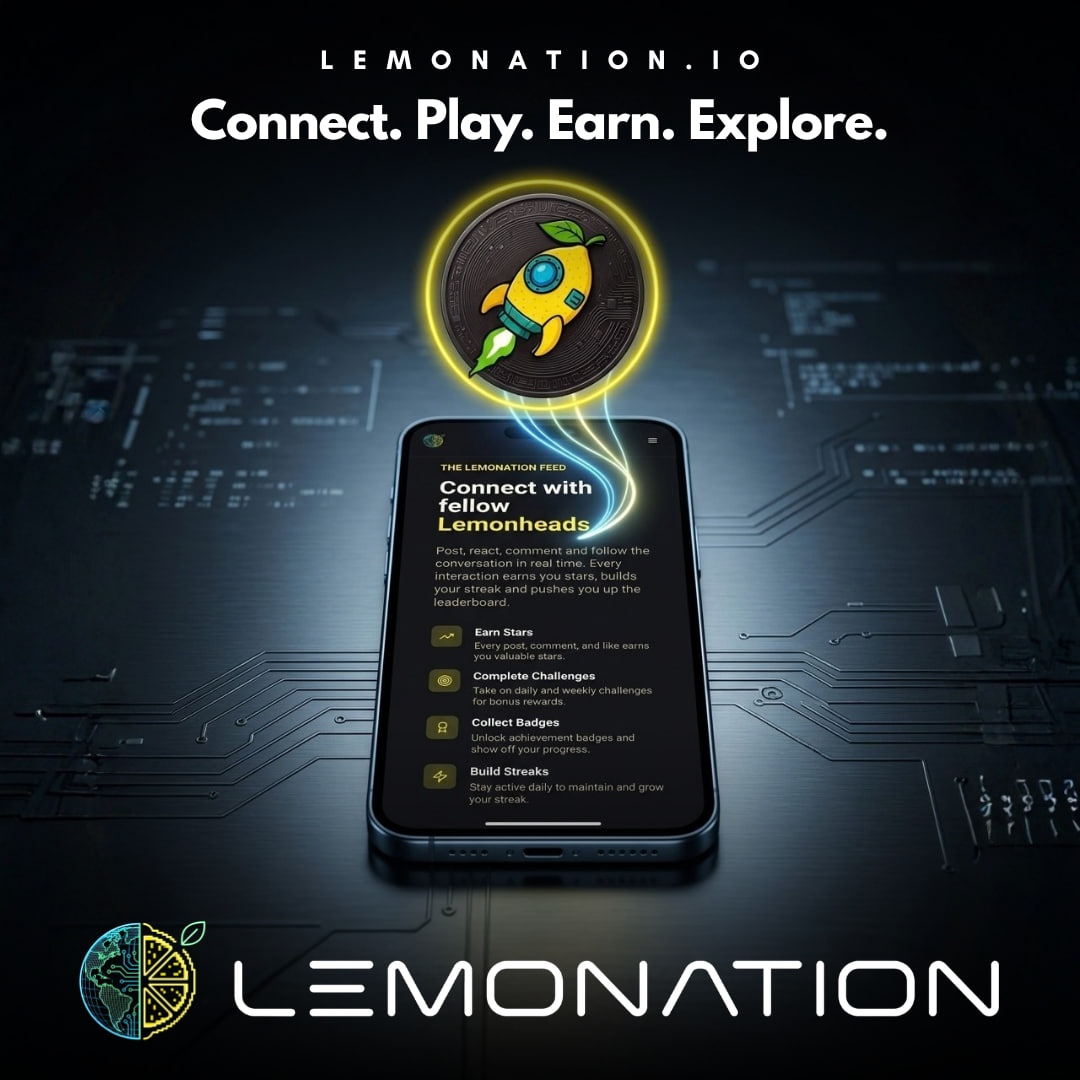
1️⃣ Participate in the Lemonation community
2️⃣ Complete activities and earn Stars
3️⃣ Open the Stars Marketplace from your dashboard
4️⃣ Exchange your Stars for BOOST Tokens
Every post, game, challenge, lesson and referral gives you another reason to stay active.
🍋 Connect. Participate. Earn. Convert.
Get started:
🔗 https://t.co/cnZ6CHTHYR
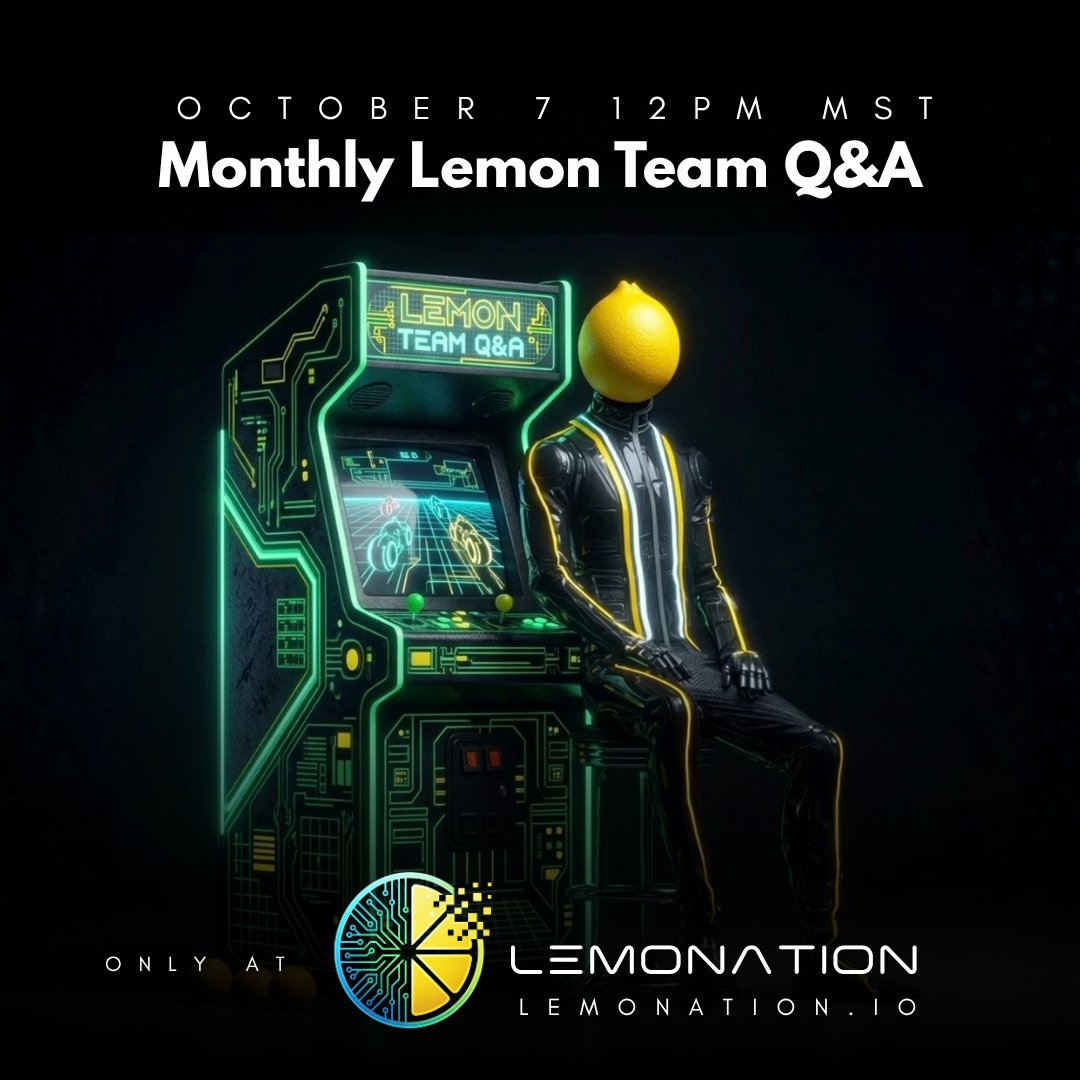
🍋 Monthly Lemon Community Q&A
Our monthly Community Q&A is happening Wednesday, October 7!
This is your opportunity to join the Lemon Team for an open community conversation. Have a question about Lemon? Need clarification on something? Or have feedback or an idea you'd like to share? Bring it to the Q&A. 💬
📅 Wednesday, October 7
⏰ 12:00 PM MT
📍 Live on https://t.co/i60lSdHqjw
→ Open the pinned Q&A room
→ Join the live chat
→ Share your questions and feedback
The Community Q&A is a chance to connect directly, ask questions, and hear what others in the community have on their minds.
Whether you have a specific question or just want to listen in, you're welcome to join us.
📌 Community Q&A takes place on the first Wednesday of every month.
See you in the Q&A room! 🍋
Stars reward you for participating in the Lemonation community.
There are lots of ways to get involved:
💬 Create posts, comment and react
🎮 Play mini-games
🏆 Complete daily and weekly challenges
🎓 Learn through Lemon Academy
🔥 Maintain your daily streak
👥 Refer your friends
Your Stars can then be exchanged for BOOST Tokens through the Stars Marketplace.
Start earning today:
🔗 https://t.co/cnZ6CHTHYR
🌐 Your Website Is Your Digital Storefront
Social media can change overnight. Your website gives your business a digital home you control.
With DNSmart:
✅ Domain registration
✅ Secure web hosting
✅ Business email
✅ Website-building tools
✅ Reliable web infrastructure
🍋 DNSmart connects to the LEMON ecosystem through the SMART token, paired with LEMX (LEMON Coin). As a community-driven Web3 project, NFT holders can help shape its future while supporting the growth of the Lemon ecosystem.
Build your online presence with more control over your brand, content, and audience.
🌐 Explore DNSmart:
https://t.co/N9YVJVBcP3