A strong research paper starts with a clear structure.
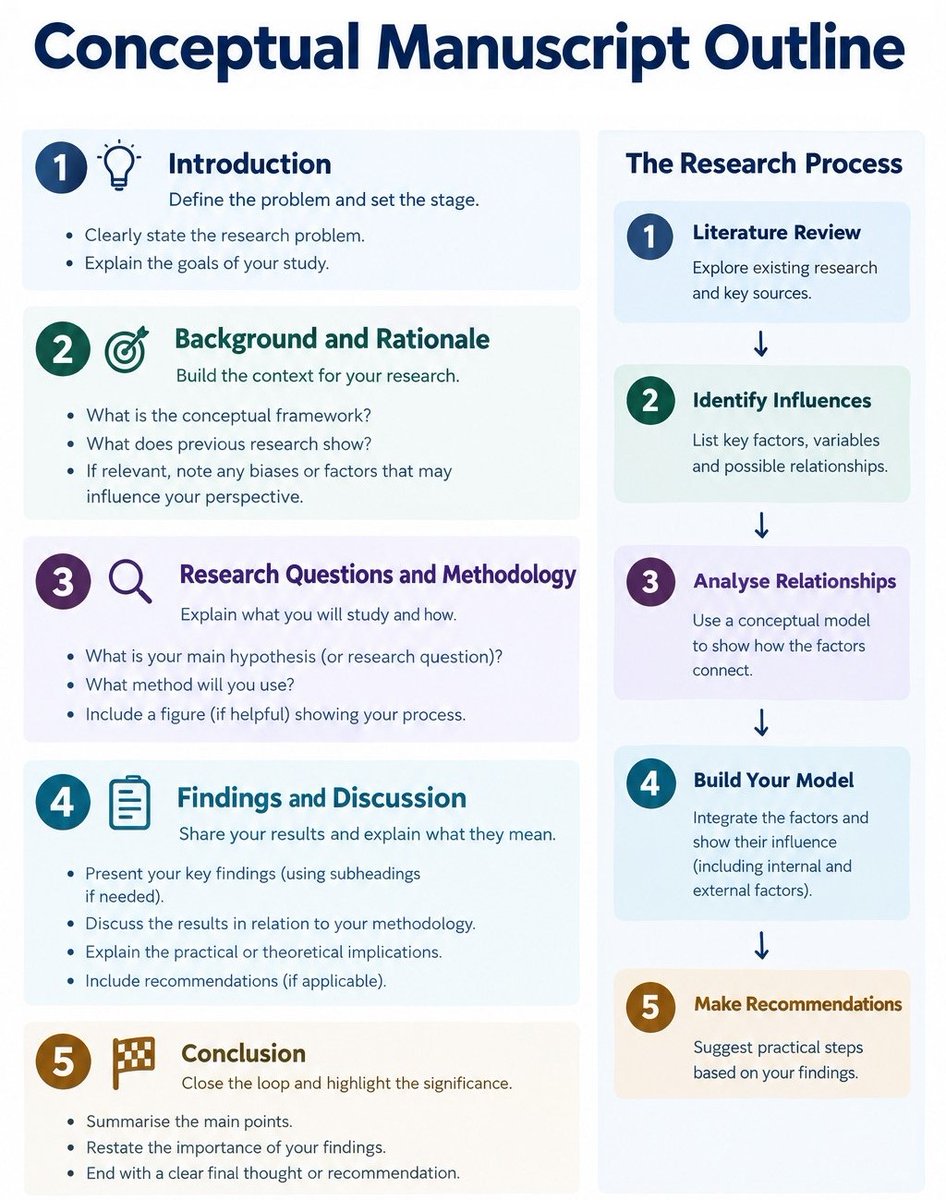
Use this simple 5-part framework:
1. Introduction — Define the problem and research goals.
2. Background — Explain the context, framework, and previous research.
3. Research Questions & Methods — State what you’re investigating and how.
4. Findings & Discussion — Present your results and explain what they mean.
5. Conclusion — Summarize the key findings and their significance.
A clear outline helps you organize your ideas, stay focused and write with purpose.
Save this before starting your next paper.
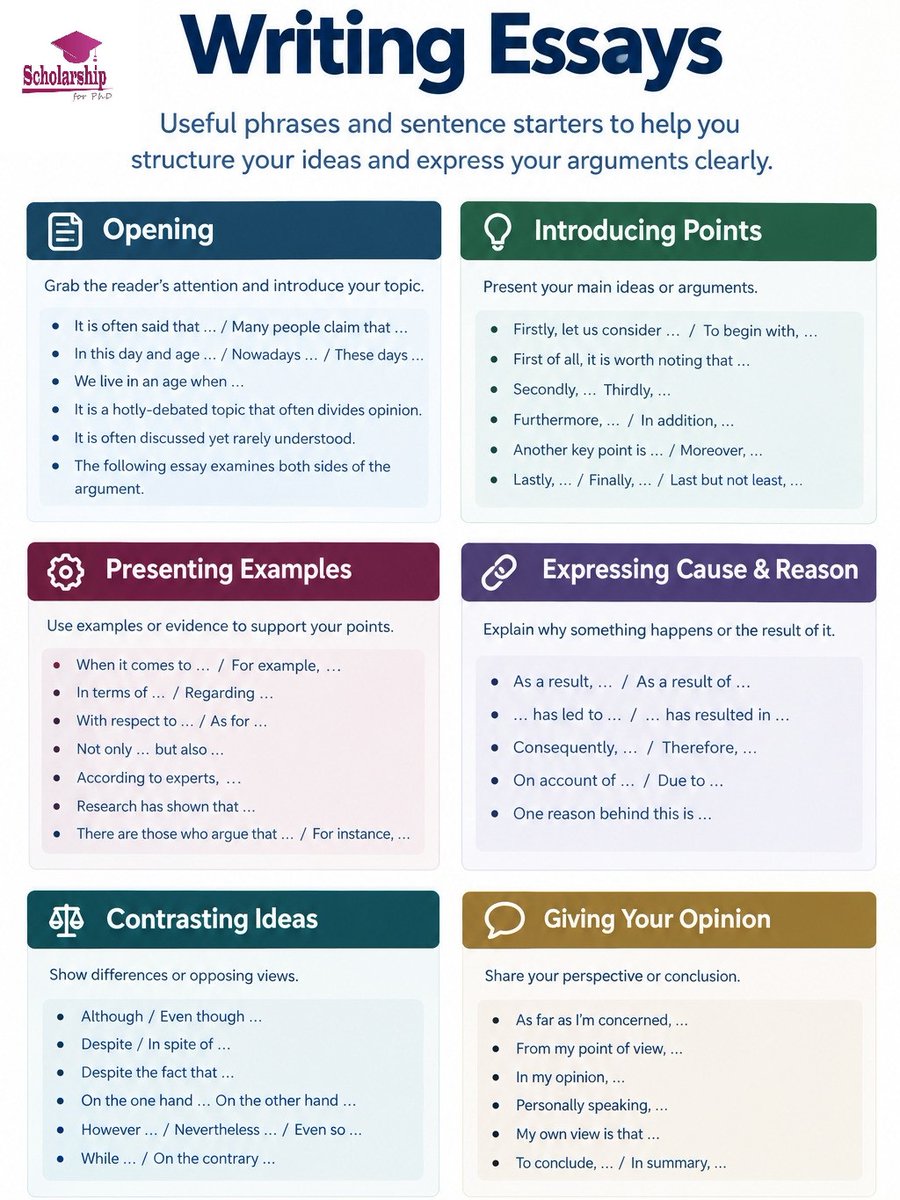
Writing an academic essay becomes much easier when you know the right phrases for each section.
Save this cheat sheet:
• Opening & introducing the topic
• Presenting ideas & examples
• Explaining reasons and results
• Comparing and contrasting
• Giving your opinion
• Concluding clearly
Good academic writing isn’t about using complicated words. It’s about expressing your ideas clearly, logically and effectively.
@BishnuRimal A little knowledge is dangerous; This festival was there prior to Gorkha regime as a cultural icon of Newar community who thanked lord Indra for nurturing crops and greenery along with his mother who assured heavenly abode to the departed soul.
Let's imagine the developed countries collaborate and make the developing ones to reach to the pinnacle progress, in lieu of spending money in their strategic defence and succumbing other
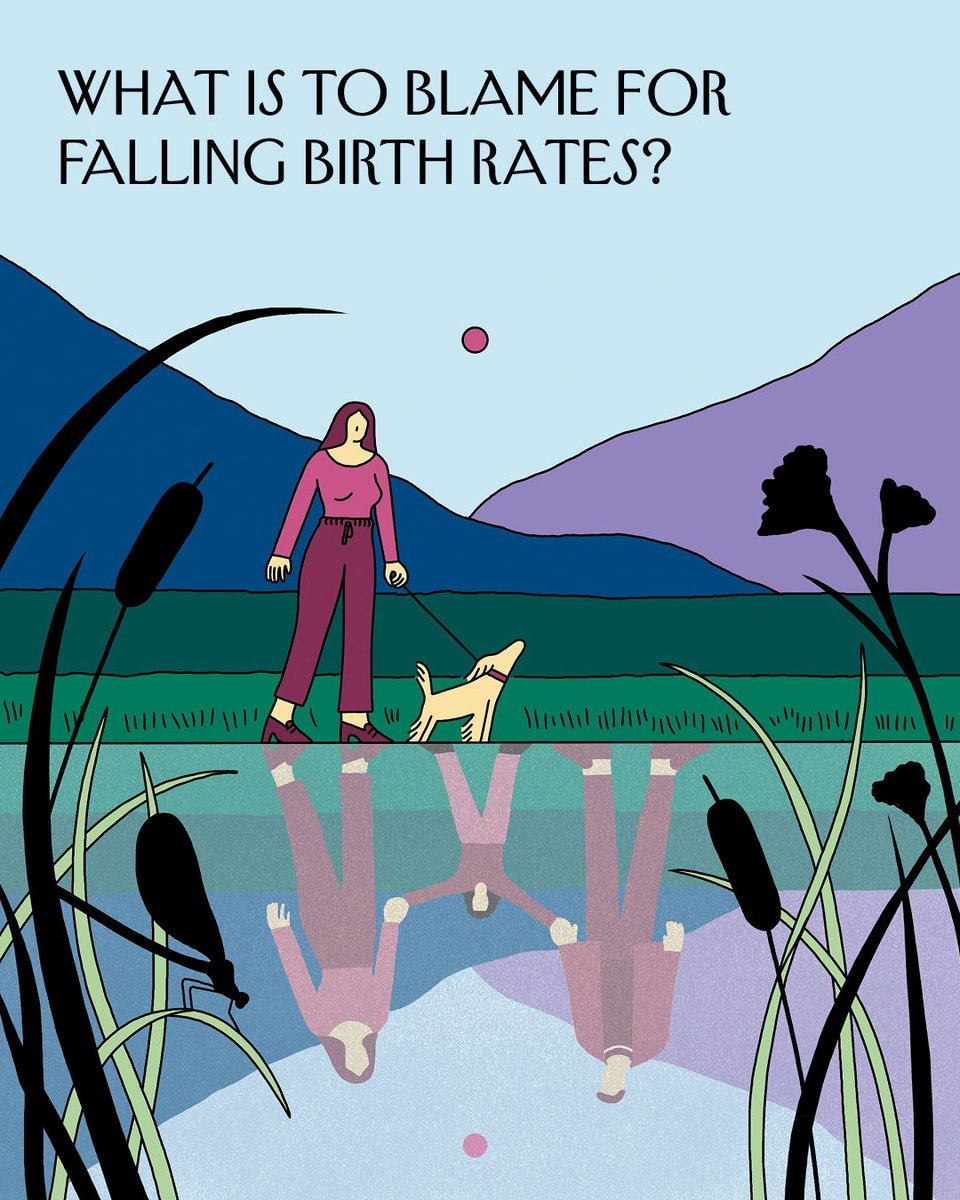
Currently, in the United States, there are two camps of thinking about falling birth rates. One, helmed by the likes of Elon Musk and J. D. Vance, was exemplified in a report from the Heritage Foundation earlier this year, which linked the drop in U.S. fertility to “second-wave feminism” and other familiar culture-war culprits: “casual sex, abortion, childlessness by choice, and no-fault divorce.” But there is another story about failing fertility, coming from almost the opposite premise: plenty of people still want children, often more than they wind up having. “What has changed are the social and economic conditions people need to create the families they’d hoped to have,” Margaret Talbot writes about this way of thinking. Explore why Americans are having fewer children: https://t.co/v0qPkgLuat
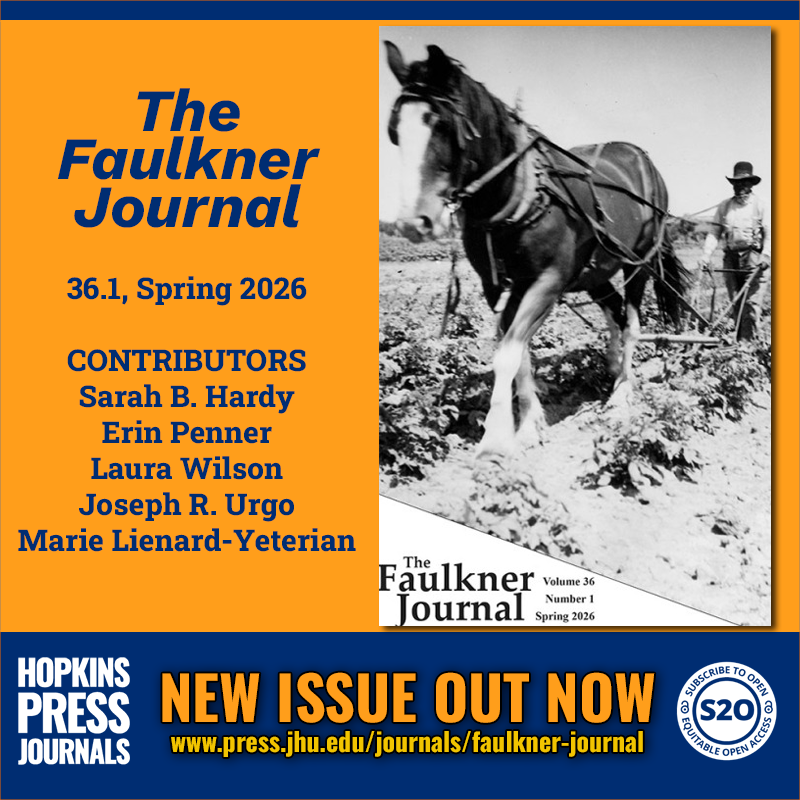
NEW ISSUE OUT NOW
The Faulkner Journal
36.1, Spring 2026
#S2O#OpenAccess @ Project MUSE
https://t.co/QMT57lrfFz
CONTRIBUTORS
Sarah B. Hardy
Erin Penner
Laura Wilson
Joseph R. Urgo
Marie Lienard-Yeterian
If this is the issue, they can archive their experience in the blog, vlog, postcast, book and article: राज्यले वर्षौं लगाएर तयार गरेको विज्ञता र अनुभव एकै झट्कामा गुम्छ :https://t.co/wvjkx61iNV
As machines get better at technical tasks, the human qualities that can’t be automated (understanding, empathy, critical thinking, and communication) will become even more valuable= Therefore, humanities studies matters, states Daniela Amodei, Co-founder of Anthropic
And I think the ability to have critical thinking skills and learn how to interact with other people will be more important in the future rather than less says Daniela Amodei, Co-founder of Anthropic
Whatever book you pick up, it’s likely to make you feel better—maybe even a whole lot better. “In a secular age, I suspect that reading fiction is one of the few remaining paths to transcendence, that elusive state in which the distance between the self and the universe shrinks,” Ceridwen Dovey writes, in “Can Reading Make You Happier?,” which was published in 2015. Dive into the research behind the therapeutic effect of books: https://t.co/H94aQp3jtK