Advancing the Frontiers of Gynecologic Oncology 🌏
Great advances in cancer care begin with meaningful research, scientific collaboration, and a shared commitment to improving patient outcomes.
Privileged to be attending the BEHOLD Asia-Pacific Investigator Meeting 2026 in Tokyo, Japan, bringing together investigators, oncology experts, and clinical researchers from across the Asia-Pacific region.
The meeting provides an important platform for scientific exchange and discussions on emerging therapeutic strategies, unmet clinical needs, and the evolving landscape of endometrial and ovarian cancers.
As a Medical Oncologist, I firmly believe that participation in international clinical research is not merely about exploring new treatments—it is about helping bridge the gap between scientific innovation and meaningful benefits for our patients.
Clinical trials are the foundation of tomorrow's standards of care. Every breakthrough begins with a question, every trial brings new possibilities, and every collaboration takes us one step closer to better outcomes.
Looking forward to engaging discussions, exchanging perspectives with fellow investigators, and contributing to the collective pursuit of progress in gynecologic oncology.
From scientific discovery to clinical practice. From global collaboration to better patient care.
Because ultimately, the future of oncology is shaped by the research we undertake today.
📍 Tokyo, Japan | 10 October 2026
#BEHOLD2026 #ClinicalResearch #GynecologicOncology #CancerResearch #GlobalOncology
🩷 October is Breast Cancer Awareness Month
As an oncologist, one of the most important messages I share with my patients is this:
Early detection saves lives.
Breast cancer is the most common cancer affecting women worldwide, but today, more women than ever are surviving and thriving because of advances in awareness, screening, early diagnosis, and treatment.
Knowing your body is the first step. While not every breast lump is cancer, any new or persistent change should be evaluated promptly.
🎗️ Be aware of the warning signs:
• A new breast lump or thickening
• Changes in breast size or shape
• Skin dimpling or puckering
• Nipple inversion or abnormal discharge (especially blood-stained)
• Persistent redness, swelling, or changes in the skin of the breast
Regular screening is equally important. Women should discuss mammography and appropriate breast cancer screening with their healthcare provider based on their age, individual risk factors, and family history. Those with a strong family history may also benefit from genetic counselling and testing.
Modern breast cancer treatment has evolved tremendously. Advances in surgery, radiotherapy, chemotherapy, hormonal therapy, targeted therapies, antibody-drug conjugates, immunotherapy, and precision medicine are helping patients achieve better outcomes with an improved quality of life.
This Breast Cancer Awareness Month, I encourage everyone to:
🩷 Learn the warning signs.
🩷 Promote regular screening and early evaluation.
🩷 Support those living with breast cancer.
🩷 Challenge myths with evidence-based information.
🩷 Remind every woman that her health matters.
Together, through awareness, early detection, and continued advances in cancer care, we can reduce the impact of breast cancer and give more women the opportunity to live longer, healthier lives.
Early detection isn't just about finding cancer early—it's about creating more opportunities for cure, hope, and a brighter future.
#BreastCancerAwareness #EarlyDetection #BreastHealth #Oncology #CancerAwareness
The traffic on EM Bypass every evening is a mess. The diversion near Science City is serving no purpose and adding to the chaos. Maybe it is time to stop experimenting with diversions and use the roads as they are.
@KPTrafficDept
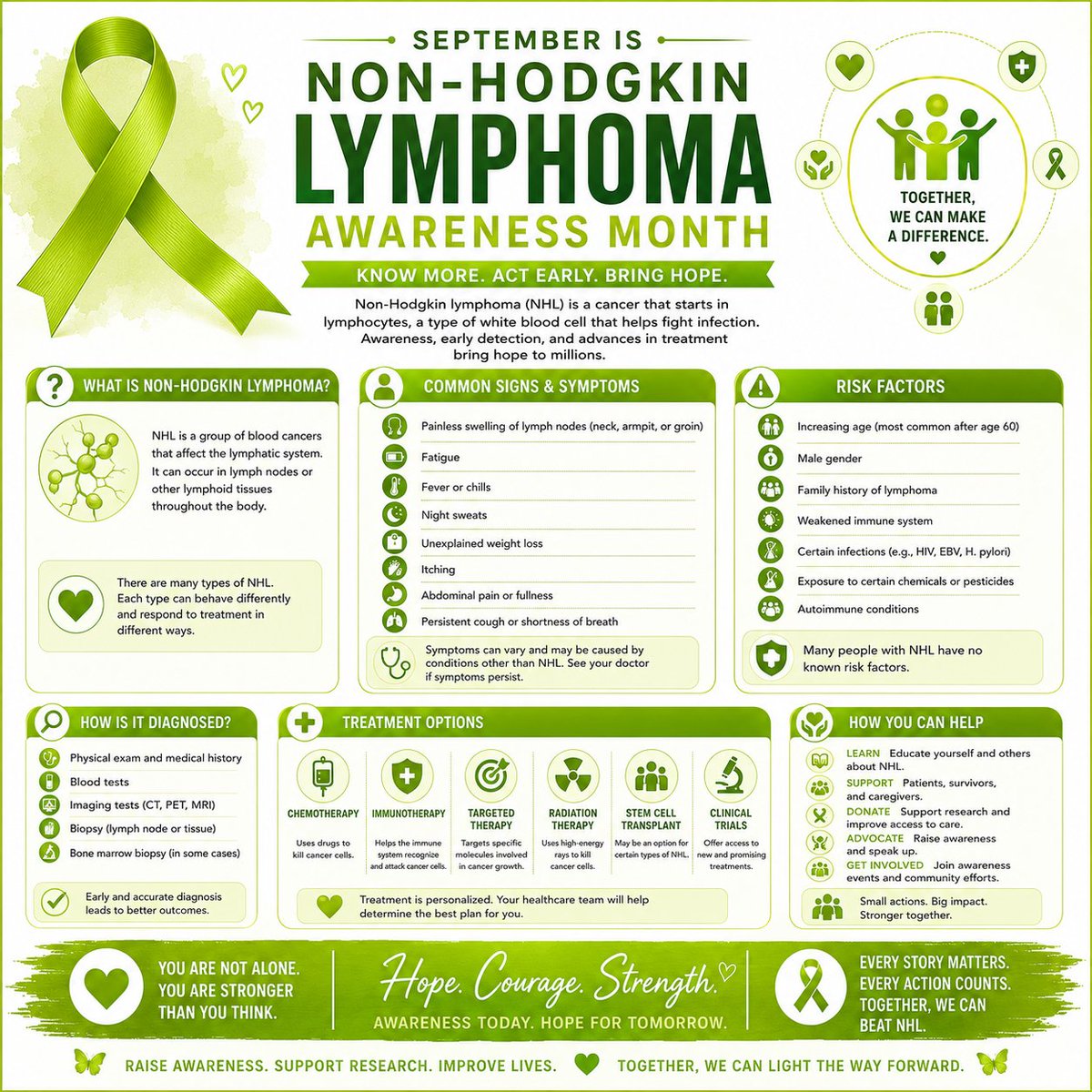
💜💚 September is Lymphoma Awareness Month
Lymphoma is a cancer of the lymphatic system that develops from lymphocytes—white blood cells that play an important role in our immune system. There are many different types of lymphoma, broadly classified as Hodgkin lymphoma (HL) and Non-Hodgkin lymphoma (NHL).
While these diseases differ in their biology and treatment, they share an important message: recognising persistent symptoms and seeking timely medical attention can make a difference.
🔎 Know the warning signs:
• Painless swelling of lymph nodes, particularly in the neck, armpit or groin
• Unexplained or persistent fever
• Drenching night sweats
• Unintentional weight loss
• Persistent fatigue
• Itching
• Persistent cough, breathlessness or abdominal fullness in some patients
Not everyone with these symptoms has lymphoma, but persistent or unexplained symptoms should not be ignored.
🩺 How is lymphoma diagnosed?
Evaluation may include a clinical examination, blood tests and imaging such as CT or PET scans. A lymph node or tissue biopsy is usually essential for establishing the diagnosis and determining the exact lymphoma subtype.
💊 Treatment has advanced considerably. Depending on the type and stage of lymphoma, treatment may include chemotherapy, immunotherapy, targeted therapies, radiation therapy and, in selected patients, stem-cell transplantation or newer cellular therapies.
Many lymphomas are highly treatable, and Hodgkin lymphoma in particular is among the most curable cancers. Continued advances in diagnosis and therapy are improving outcomes across many types of NHL as well.
This Lymphoma Awareness Month, let us spread knowledge, encourage timely evaluation and support patients, survivors, families and caregivers.
💜💚 Know more. Act early. Bring hope.
Awareness today can lead to better outcomes tomorrow.
#LymphomaAwarenessMonth #LymphomaAwareness #HodgkinLymphoma #NonHodgkinLymphoma #BloodCancerAwareness
🩷🩵 September is Thyroid Cancer Awareness Month
The thyroid may be a small gland, but it has a big impact on our health. Thyroid cancer begins in the cells of the thyroid gland at the base of the neck. Most thyroid cancers have an excellent prognosis when appropriately diagnosed and treated.
🔎 Know the possible signs and symptoms:
• A new lump or swelling in the neck
• Persistent hoarseness or change in voice
• Difficulty swallowing
• Persistent unexplained cough
• Neck pain or discomfort
• Enlarged lymph nodes in the neck
Many thyroid nodules cause no symptoms, and importantly, most thyroid nodules are not cancer. However, a new or persistent neck swelling deserves proper evaluation.
⚠️ Who may be at increased risk?
Risk factors include increasing age, female sex, a family history of thyroid cancer, previous radiation exposure to the head or neck—particularly during childhood—and certain inherited genetic syndromes. Having a risk factor does not mean that someone will necessarily develop thyroid cancer.
🩺 How is it evaluated?
Assessment may include a clinical examination, neck ultrasound, thyroid function tests and, when indicated, a fine-needle aspiration (FNA) biopsy. Routine population screening for thyroid cancer is generally not recommended for people without symptoms or specific risk factors.
💊 Treatment is individualized.
Depending on the type, stage and risk category, management may include surgery, radioactive iodine therapy, thyroid hormone therapy, targeted systemic treatments and active surveillance/follow-up. Regular monitoring remains an important part of long-term care.
This Thyroid Cancer Awareness Month, take a moment to know the signs, encourage appropriate evaluation of persistent neck changes, and support patients, survivors and caregivers.
🩷🩵 Be aware. Get checked when needed. Take charge.
Awareness today. Hope for tomorrow.
#ThyroidCancerAwarenessMonth #ThyroidCancer #CancerAwareness #KnowTheSigns #EarlyDiagnosis
ONCOLOGY MYTHBUSTERS
---------------------------------------
🟡 Myth: "I found a lump—it must be cancer."
(Or the opposite: "It's probably nothing.")
---------------------------------------
❌ MYTH
Finding a lump means it is definitely cancer—or, if it doesn't hurt, it can be ignored.
---------------------------------------
✅ THE FACT
Most lumps are NOT cancer.
Many lumps are caused by harmless conditions such as:
🟡 Cysts
🦠 Swollen lymph nodes from infection
🟢 Lipomas (fatty lumps)
💧 Blocked ducts
🌿 Benign growths
But here's the important part:
You cannot tell what a lump is by feeling it alone. Only a medical evaluation, and sometimes imaging or a biopsy, can determine the cause.
---------------------------------------
🔎 DON'T PANIC. DON'T IGNORE.
The best response to a new lump is simple:
✔️ Get it checked.
Most people will be reassured. If it does require treatment, early diagnosis often leads to the best outcomes.
---------------------------------------
🚩 WHEN SHOULD YOU SEEK MEDICAL ADVICE?
Arrange an evaluation if a lump:
⚫ Is hard or fixed in place
📈 Continues to increase in size
😖 Persists for more than a few weeks
🩸 Is associated with bleeding, skin changes, or ulceration
⚖️ Occurs with unexplained weight loss, fever, or persistent fatigue
---------------------------------------
❤️ REMEMBER
❌ Don't diagnose yourself online.
❌ Don't rely on guesswork or advice from others.
✅ Trust clinical examination and appropriate investigations.
---------------------------------------
🌟 TAKE-HOME MESSAGE
A lump is not automatically cancer—but every persistent or concerning lump deserves medical attention.
Early evaluation brings clarity. Early diagnosis can save lives.
Listen to your body. Don't panic. Don't delay. Get it checked.
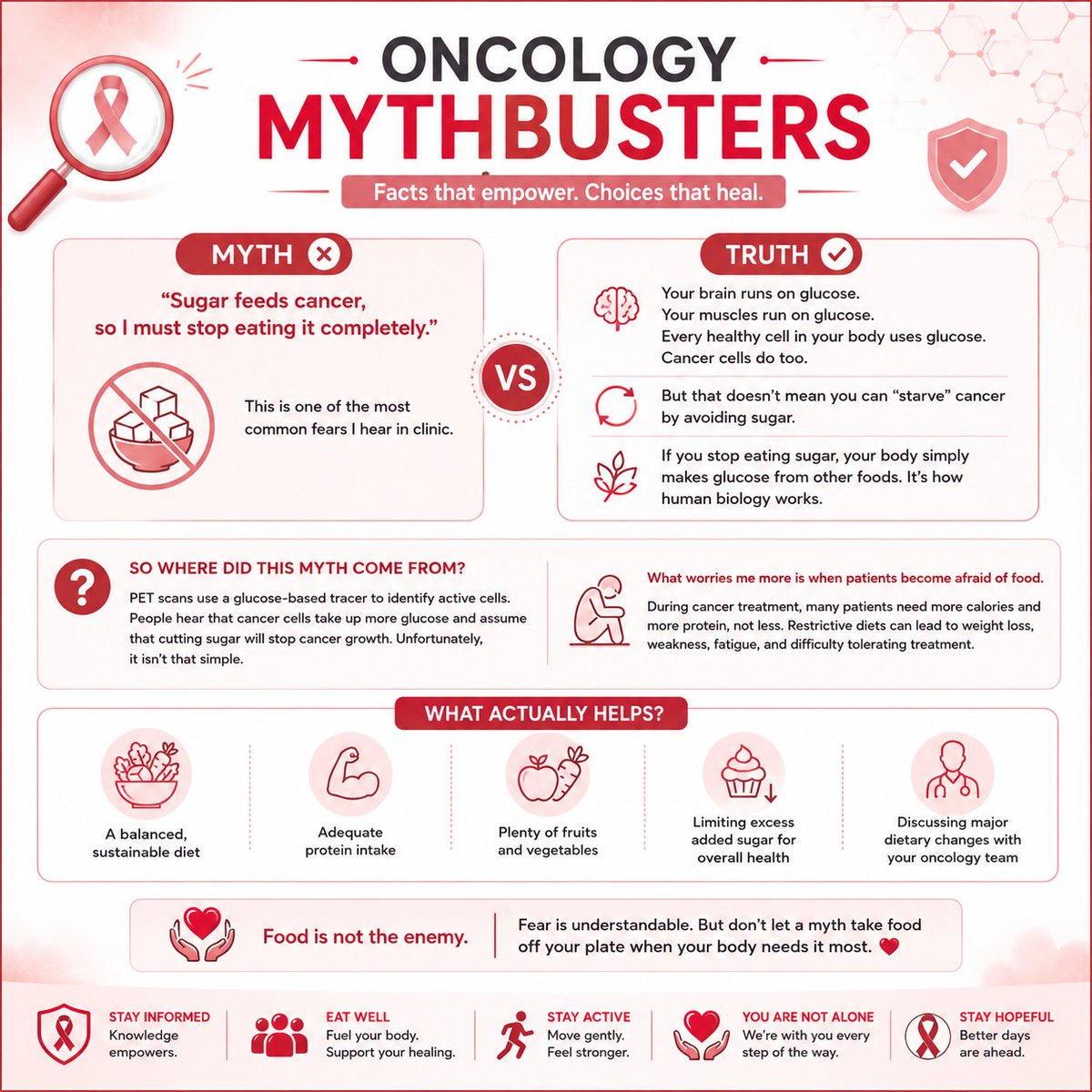
🍬 Oncology Mythbusters | Does Sugar Feed Cancer?
One of the most common questions I hear in the clinic is:
"Should I completely stop eating sugar because it feeds cancer?"
The short answer is no.
The idea sounds logical at first—but human biology is far more complex.
Every cell in our body, including the brain, muscles, and immune system, relies on glucose as a source of energy. Cancer cells also use glucose, but so do healthy cells. Completely eliminating sugar from your diet does not "starve" cancer because your body is designed to maintain blood glucose by producing it from carbohydrates, proteins, and even fats when necessary.
So why does this myth persist?
One reason is PET scans. Cancer cells often absorb more glucose than surrounding tissues, allowing them to be detected using a glucose-based tracer. This has unfortunately led to the misconception that avoiding sugar can stop cancer growth. In reality, PET imaging is a diagnostic tool—not evidence that dietary sugar drives cancer progression.
The bigger concern is what happens when patients become afraid of eating altogether.
During cancer treatment, maintaining good nutrition is essential. Inadequate calorie and protein intake can contribute to weight loss, muscle wasting, fatigue, poorer treatment tolerance, and delayed recovery.
What should patients focus on instead?
🥗 Eating a balanced, sustainable diet rich in whole foods.
💪 Meeting daily protein and calorie requirements.
🍎 Including plenty of fruits, vegetables, whole grains, and healthy fats.
🍰 Limiting excess added sugars as part of overall healthy eating—not because they "feed" cancer.
👨⚕️ Discussing major dietary changes with your oncology team rather than relying on internet myths.
Nutrition should support your treatment—not become another source of fear.
Evidence-based cancer care includes good nutrition, not unnecessary dietary restrictions. The goal isn't to eliminate a single nutrient—it's to nourish the body so it can better tolerate treatment and recover.
Let's replace fear with facts and myths with science.
#OncologyMythbusters #CancerNutrition #CancerCare #PatientEducation #EvidenceBasedMedicine
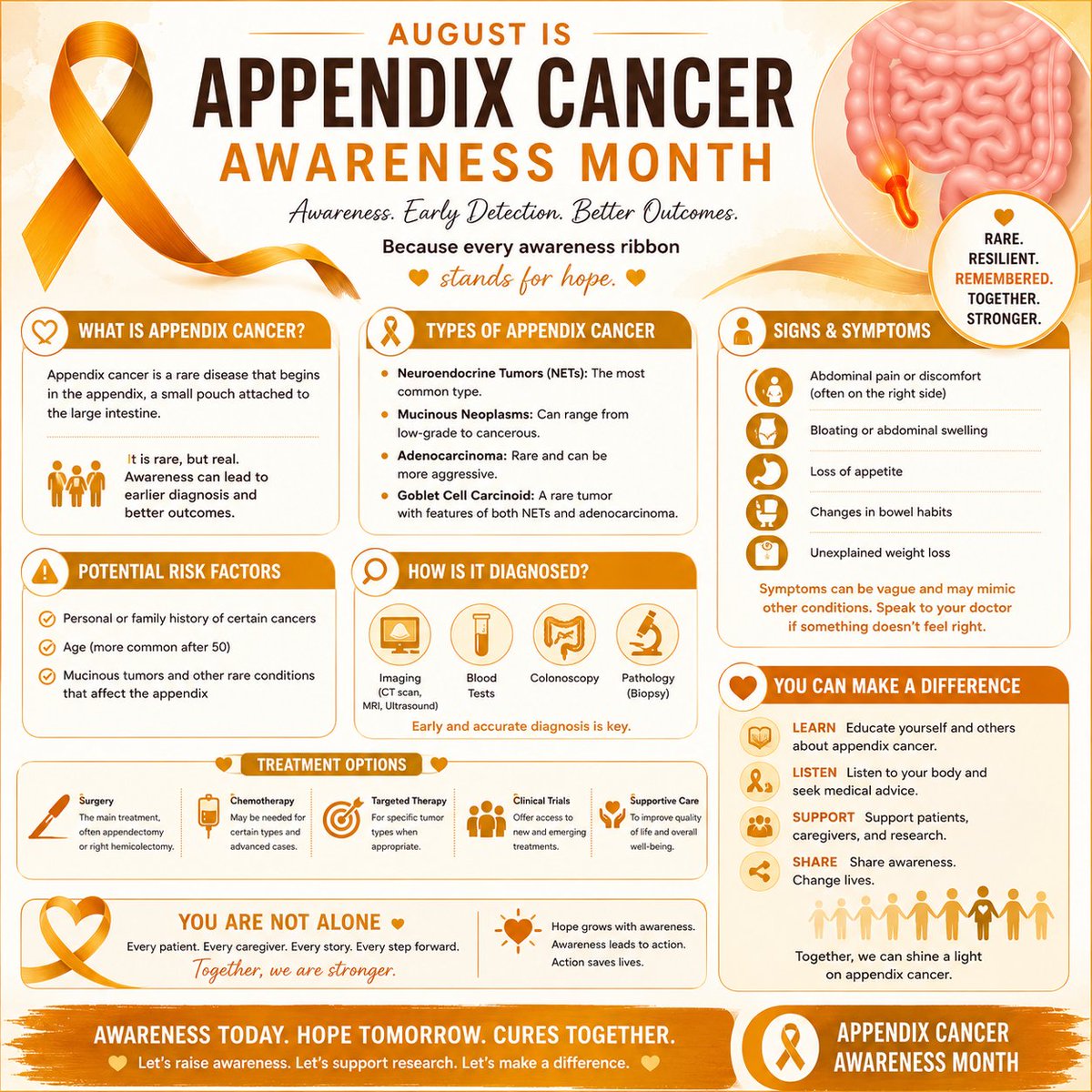
🟠 August is Appendix Cancer Awareness Month
Appendix cancer is one of the rarest gastrointestinal cancers, yet its rarity often leads to delayed diagnosis and limited public awareness. Many patients have few or no symptoms in the early stages, with the disease sometimes discovered unexpectedly during surgery or imaging performed for other conditions.
While uncommon, appendix cancer deserves attention. Advances in specialized surgery, cytoreductive surgery with HIPEC for selected patients, precision diagnostics, and multidisciplinary cancer care have significantly improved outcomes for many individuals.
This Appendix Cancer Awareness Month, let us shine a light on a cancer that is too often overlooked. By increasing awareness, supporting research, and advocating for timely diagnosis and access to expert care, we can make a meaningful difference for patients and their families.
Every rare cancer deserves recognition. Every patient deserves hope. Every breakthrough begins with awareness.
🧡 Together, let's raise awareness, support research, and stand with everyone affected by appendix cancer.
#AppendixCancerAwareness #RareCancer #CancerAwareness #Oncology #TogetherForHope
🫁 World Lung Cancer Day | 1st August
Every breath is precious—and every conversation about lung cancer has the power to save lives.
Lung cancer remains one of the most commonly diagnosed cancers worldwide and the leading cause of cancer-related deaths. Yet, one fact offers hope: when detected early, lung cancer is often more treatable and outcomes improve significantly.
Although tobacco smoking remains the leading risk factor, lung cancer can also occur in never-smokers. Exposure to second-hand smoke, air pollution, radon, occupational carcinogens, and certain genetic factors also contribute to risk. That is why awareness should extend beyond smoking alone.
Know the warning signs:
🫁 A persistent cough lasting more than 2–3 weeks
🩸 Coughing up blood
😮💨 Shortness of breath
🎙️ Persistent hoarseness
💢 Chest pain
⚖️ Unexplained weight loss or fatigue
If these symptoms persist, seek medical evaluation promptly. Early diagnosis can make a life-changing difference.
This World Lung Cancer Day, let us commit to preventing tobacco use, supporting smoking cessation, promoting clean air, encouraging appropriate screening for high-risk individuals, and standing beside every patient and family affected by lung cancer.
Awareness leads to action. Early detection saves lives. Every breath deserves a future.
#WorldLungCancerDay #LungCancerAwareness #EarlyDetection #QuitTobacco #CancerAwareness
💜 World Head & Neck Cancer Day | 27th July
Every year, thousands of people are diagnosed with head and neck cancers—many of which can be successfully treated when detected early. Yet, delayed diagnosis remains a major challenge, especially in countries like India where tobacco use is a leading risk factor.
Head and neck cancers can affect the mouth, tongue, throat, voice box, nose, sinuses, and salivary glands. Early symptoms are often subtle and easily overlooked. A mouth ulcer that doesn't heal, a persistent sore throat, difficulty swallowing, hoarseness of voice, or a lump in the neck should never be ignored—particularly if these symptoms last for more than two weeks.
The encouraging news is that many of these cancers are preventable. Avoiding tobacco in all forms, limiting alcohol intake, maintaining good oral hygiene, receiving HPV vaccination where appropriate, and seeking timely medical evaluation can significantly reduce risk and improve outcomes.
This World Head & Neck Cancer Day, let's replace fear with awareness, stigma with support, and delay with early action. A simple examination at the right time can make the difference between complex treatment and cure.
Your voice matters. Your health matters. Early detection saves lives.
#WorldHeadNeckCancerDay #HeadAndNeckCancer #CancerAwareness #EarlyDetection #BeatCancer
ONCOLOGY MYTHBUSTERS
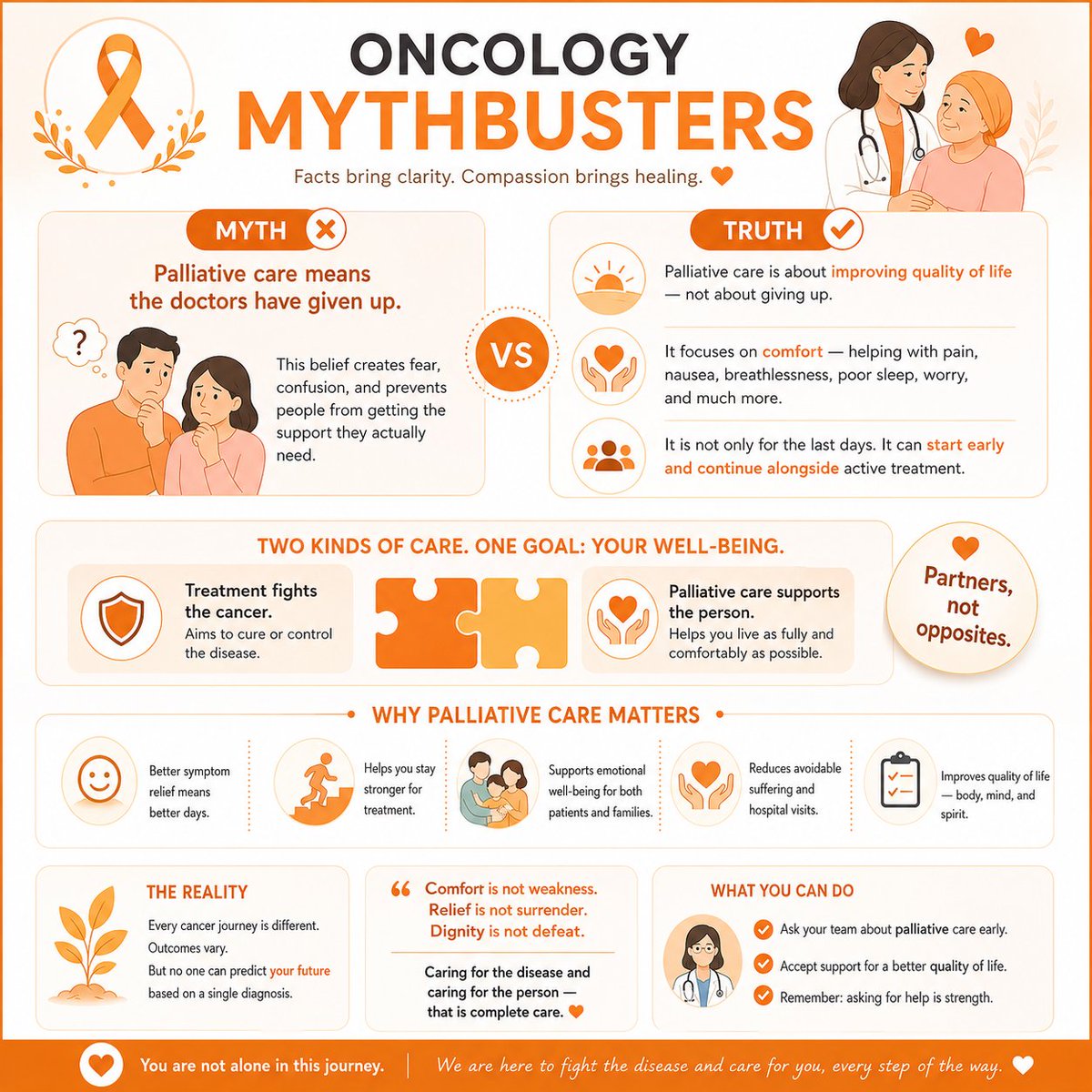
🧡 Myth: "Palliative care means the doctors have given up."
-----------------------------------------
❌ MYTH
If my doctor recommends palliative care, it means there is no hope and treatment has stopped.
✅ THE FACT
Palliative care is about improving quality of life—not giving up.
It focuses on relieving symptoms, reducing suffering, and helping patients live as comfortably and fully as possible, regardless of the stage of cancer.
It can help manage:
💊 Pain
🌬️ Breathlessness
🤢 Nausea and vomiting
😴 Sleep problems
😟 Anxiety and depression
🍽️ Poor appetite and fatigue
🤝 PALLIATIVE CARE AND CANCER TREATMENT WORK TOGETHER
Palliative care is not an alternative to cancer treatment—it is a partner.
Patients can receive palliative care:
🎯 Alongside chemotherapy
🎯 Alongside immunotherapy or targeted therapy
🎯 During radiotherapy
🎯 Before, during, or after surgery
🎯 At any stage of the cancer journey
Early palliative care has been shown to improve symptom control, quality of life, and in some patients, even survival.
-----------------------------------------
❤️ THINK OF IT THIS WAY
🩺 Cancer treatment fights the disease.
💛 Palliative care cares for the person living with the disease.
The best cancer care does both.
🌟 WHY IT MATTERS
Without good symptom control, patients may:
❌ Experience unnecessary pain and distress
❌ Struggle to eat, sleep, or remain active
❌ Have difficulty continuing cancer treatment
❌ Experience reduced quality of life
Good palliative care helps patients stay stronger, more comfortable, and more independent throughout treatment.
-----------------------------------------
💬 REMEMBER
Palliative care is not only for the last days of life.
It is appropriate from the time of diagnosis of serious illness whenever symptoms, emotional stress, or supportive needs arise.
Asking for palliative care is not giving up—it is asking for better care.
🌅 TAKE-HOME MESSAGE
Comfort is not surrender.
Relieving pain is not admitting defeat.
Palliative care treats the symptoms. Cancer treatment treats the disease. Together, they provide complete, compassionate care.
Better symptom control. Better quality of life. Better cancer care.
#medicaloncology #palliativecare #cancerawareness #mythbusters
ONCOLOGY MYTHBUSTERS
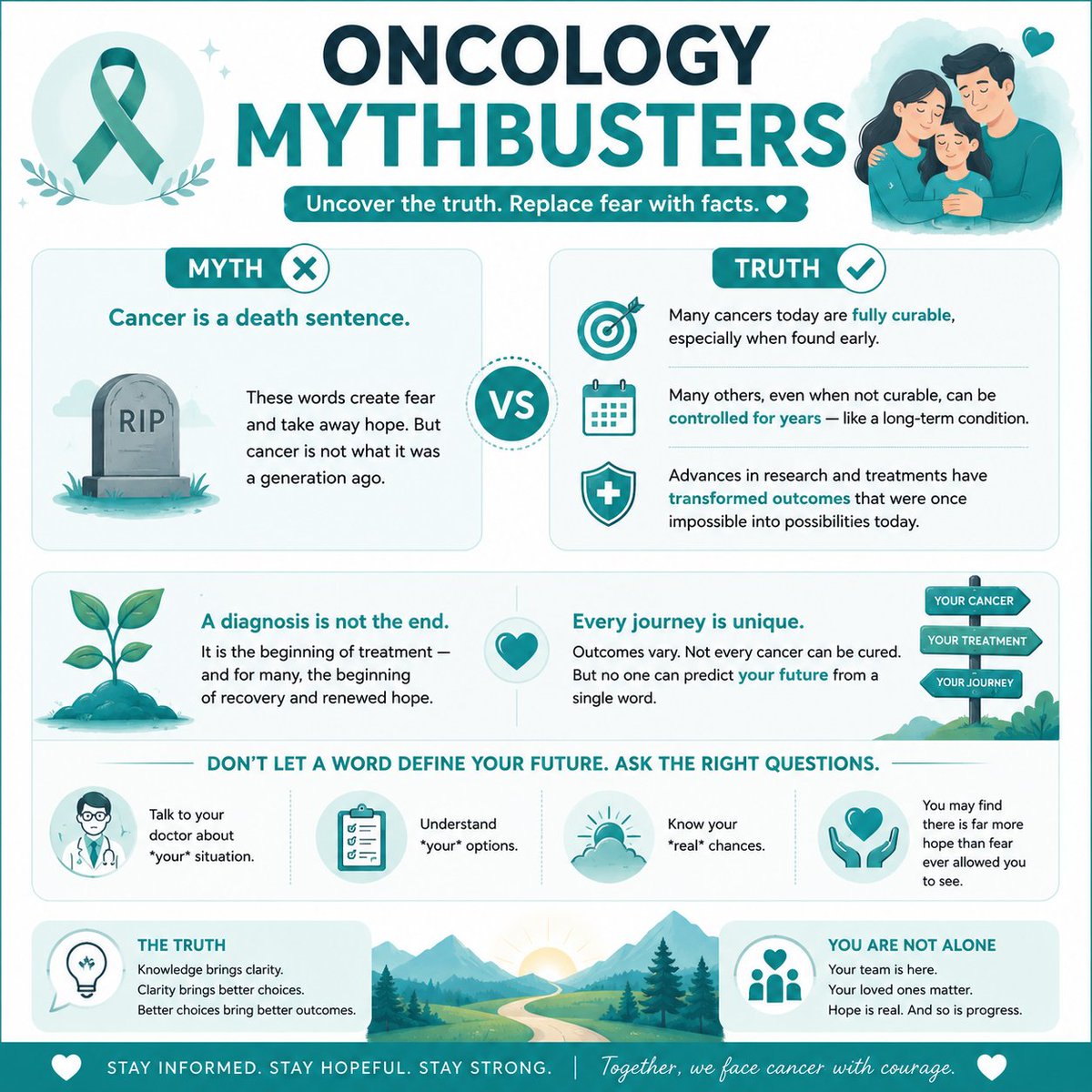
🩵 Myth: "Cancer is a death sentence."
-------------‐------------------------------------------
❌ MYTH
A cancer diagnosis means there is no hope and nothing can be done.
✅ THE FACT
Cancer is not one disease—and it is not automatically fatal.
Today, advances in screening, surgery, radiotherapy, chemotherapy, targeted therapy, immunotherapy, and precision medicine have transformed cancer care.
Many cancers are:
🎗️ Curable, especially when diagnosed early.
⏳ Treatable for many years, allowing people to live active, meaningful lives.
🌱 Increasingly manageable, with newer therapies improving both survival and quality of life.
-------------‐------------------------------------------
💙 EVERY CANCER IS DIFFERENT
Your outlook depends on several factors, including:
🔬 Type of cancer
📍 Stage at diagnosis
🧬 Tumor biology and molecular markers
👤 Age and overall health
💊 Response to treatment
No one can predict your future based on the word "cancer" alone.
-------------‐------------------------------------------
🌟 WHAT HAS CHANGED?
Modern oncology has led to:
✅ Earlier diagnosis through better screening
🎯 Precision medicine tailored to the individual
🛡️ Immunotherapy helping the immune system fight cancer
💉 More effective and less toxic treatments
❤️ Better supportive and palliative care, improving quality of life
Many outcomes considered impossible a generation ago are now routine.
-------------‐------------------------------------------
🤝 FOCUS ON FACTS, NOT FEAR
After a diagnosis:
👨⚕️ Speak with your oncology team.
📋 Understand your diagnosis and treatment options.
❌ Avoid comparing your journey with someone else's.
❤️ Lean on your support system and ask questions.
Every person's cancer journey is unique.
💬 REMEMBER
A diagnosis is the beginning of a treatment plan—not the end of your story.
Hope today is built on science, innovation, and individualized care.
🌅 TAKE-HOME MESSAGE
Don't let fear define your future.
Many cancers can be cured. Many others can be treated successfully for years.
Knowledge brings hope. Early diagnosis saves lives. Modern treatment changes outcomes.
Cancer is a diagnosis—not a destiny.
💛 July is Sarcoma and Bone Cancer Awareness Month
Sarcomas are rare cancers that arise from the bones and soft tissues, accounting for less than 1% of all adult cancers. Despite their rarity, they can affect people of all ages—from children and adolescents to older adults—making awareness, timely diagnosis, and access to specialist care critically important.
Because sarcomas are uncommon and often mimic benign conditions, diagnosis may be delayed. Persistent symptoms should never be ignored.
⚠️ Know the Warning Signs
• A painless lump that continues to grow
• Persistent bone pain, especially at night or at rest
• Swelling around a bone or joint
• Unexplained fractures after minimal trauma
• A soft tissue mass larger than 5 cm or increasing in size
Early evaluation by a specialist can significantly improve treatment outcomes.
🔬 Advances Bring Hope
The management of sarcoma has evolved considerably with advances in:
✔️ Limb-salvage surgery
✔️ Precision imaging and pathology
✔️ Modern radiotherapy techniques
✔️ Chemotherapy and targeted therapies
✔️ Multidisciplinary sarcoma care at specialized centers
For many patients, early diagnosis and treatment by an experienced multidisciplinary team can make a life-changing difference.
💛 This Awareness Month, Let's:
• Raise awareness about these rare cancers
• Encourage early medical evaluation of suspicious lumps and persistent bone pain
• Support patients, survivors, and caregivers
• Advocate for continued research and improved access to specialized care
Every conversation increases awareness. Every timely diagnosis offers hope. Every breakthrough in research brings us closer to better outcomes.
Together, let's stand stronger for everyone affected by sarcoma and bone cancer.
#SarcomaAwareness #BoneCancerAwareness #CancerAwareness #Oncology #EarlyDiagnosis
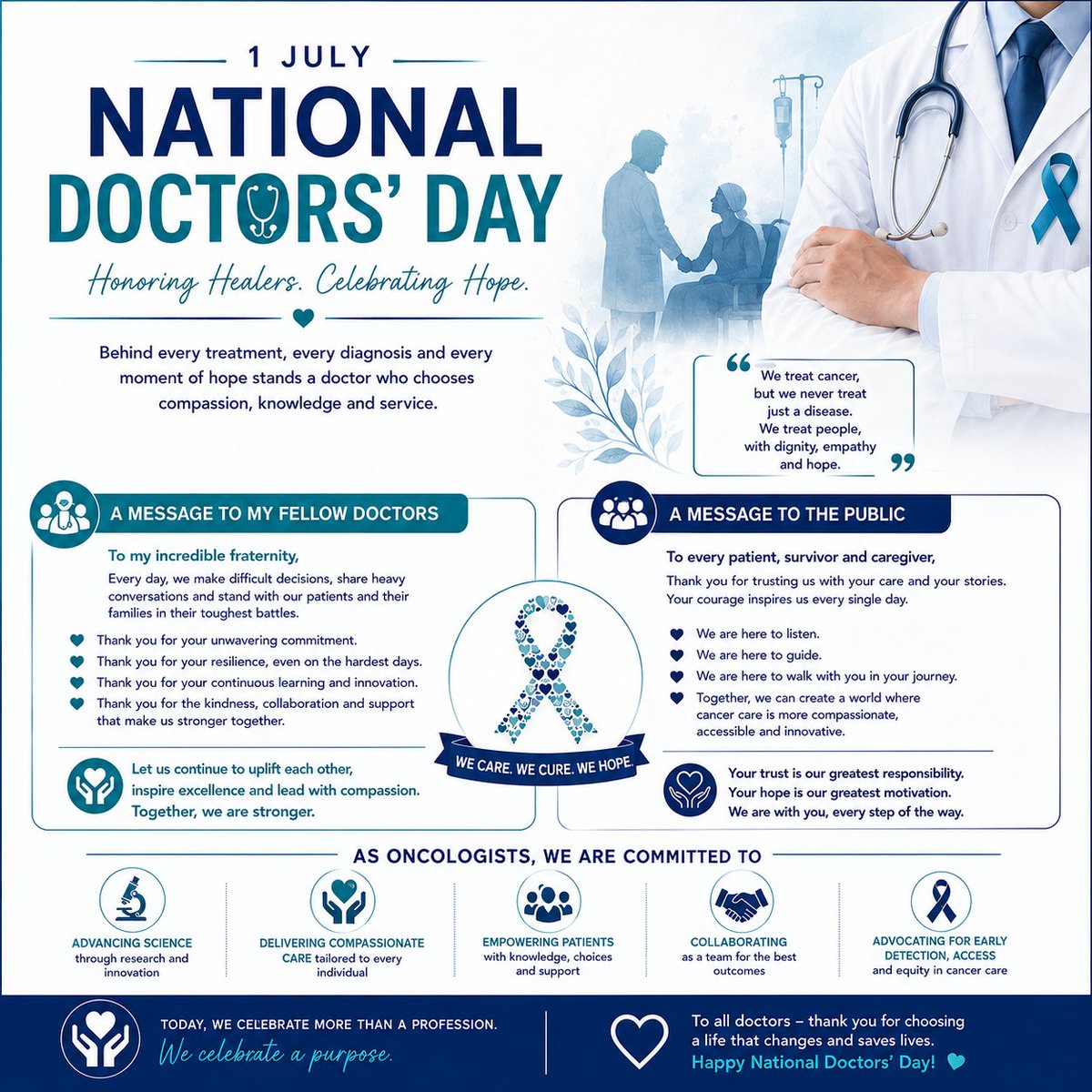
💙 National Doctors' Day | 1st July
Today, we celebrate not just a profession, but a lifelong commitment to healing, compassion, and service.
As oncologists, we have the privilege of walking alongside patients and their families during some of life's most difficult moments. We witness courage in the face of uncertainty, celebrate victories—both big and small—and remain steadfast when the path is challenging. Every consultation, every treatment plan, and every conversation is built on one simple promise: to place our patients at the center of everything we do.
To My Fellow Doctors
Thank you for your dedication, resilience, and unwavering commitment to excellence. Your compassion, integrity, and perseverance continue to inspire hope where it is needed most. Together, we advance science, support one another, and strive every day to improve the lives entrusted to our care.
To Our Patients and the Public
Thank you for placing your trust in us. Your strength, courage, and resilience inspire us to be better physicians every single day. Medicine is not only about treating disease—it is about listening, understanding, comforting, and standing beside you throughout your journey.
On this National Doctors' Day, let us reaffirm our commitment to evidence-based care, empathy, innovation, and the relentless pursuit of better outcomes for every patient.
To every doctor across every specialty—thank you for choosing a profession that demands knowledge, sacrifice, resilience, and above all, humanity.
Happy National Doctors' Day. Together, we heal. Together, we inspire hope.
#NationalDoctorsDay #Oncology #DoctorsDay #CompassionInCare #HealthcareHeroes
🌍 26th June | International Day Against Drug Abuse and Illicit Trafficking
"Breaking the Cycle. Building Hope."
Drug abuse and illicit trafficking continue to pose a major threat to public health, families, and communities worldwide. Beyond addiction, substance misuse contributes to physical and mental health disorders, violence, social instability, and lost opportunities—particularly among young people.
This day serves as a reminder that prevention, education, early intervention, and compassionate support are the most powerful tools in addressing substance use disorders.
💙 What Can We Do?
✔️ Educate ourselves and others about the risks of drug misuse.
✔️ Encourage healthy lifestyles and informed decision-making.
✔️ Support individuals seeking recovery without judgment or stigma.
✔️ Strengthen families and communities through awareness and prevention.
✔️ Work together to combat illicit drug trafficking and protect future generations.
Substance use disorder is a medical condition—not a moral failing. Recovery is possible with timely intervention, evidence-based treatment, and a strong support system.
Together, let us promote awareness, reduce stigma, support recovery, and build safer, healthier communities where every individual has the opportunity to thrive.
Choose health. Choose hope. Choose life.
#DrugFreeWorld #EndDrugAbuse #InternationalDayAgainstDrugAbuse #MentalHealthMatters #HealthyCommunities
The AURA of Osimertinib -
The journey of Osimertinib is one of the most remarkable success stories in modern oncology, transforming the treatment landscape of EGFR-mutated NSCLC across all stages of disease.
🔹 AURA3 established Osimertinib as the preferred second-line treatment for patients with acquired T790M resistance.
🔹 FLAURA changed the standard of care in metastatic disease, demonstrating superior progression-free survival, overall survival, and CNS control compared with first-generation EGFR TKIs.
🔹 ADAURA brought targeted therapy into the curative setting, significantly reducing recurrence risk after complete surgical resection.
🔹 LAURA redefined management of unresectable Stage III EGFR-mutated NSCLC by introducing Osimertinib consolidation after definitive chemoradiotherapy.
🔹 FLAURA2 further advanced the field by showing that combining Osimertinib with platinum-pemetrexed chemotherapy can provide additional benefit in selected high-risk patients.
From overcoming resistance to preventing recurrence and prolonging survival, Osimertinib has evolved from a targeted therapy into a cornerstone of care across the entire EGFR-mutated NSCLC continuum—serving as a true example of precision oncology in practice.
#Osimertinib #EGFR #NSCLC #LungCancer #PrecisionOncology
Perioperative Durvalumab in Oncology Practice
Perioperative immunotherapy is rapidly reshaping the treatment landscape across solid tumours. Durvalumab, an anti–PD-L1 monoclonal antibody, has emerged as an important agent in this space, with phase III data supporting its use across resectable non-small-cell lung cancer, muscle-invasive bladder cancer, and gastric/gastroesophageal junction cancers.
The AEGEAN trial demonstrated that perioperative durvalumab with platinum-based chemotherapy significantly improved event-free survival and pathological complete response in resectable NSCLC. The NIAGARA trial further established the benefit of durvalumab with neoadjuvant gemcitabine–cisplatin followed by radical cystectomy and adjuvant durvalumab in cisplatin-eligible muscle-invasive bladder cancer, improving both event-free survival and overall survival. More recently, the MATTERHORN trial showed that adding durvalumab to perioperative FLOT improved event-free survival and increased pathological complete response rates in resectable gastric and gastroesophageal junction adenocarcinoma.
Across these trials, durvalumab improved clinically meaningful outcomes without substantially compromising surgical feasibility. Importantly, rates of grade 3–4 adverse events were generally comparable with control arms, although immune-mediated adverse events require careful monitoring.
In contemporary oncology practice, perioperative durvalumab represents a major step toward integrating systemic immune control with curative-intent local therapy. Its role is strongest in carefully selected patients with resectable disease, good performance status, and multidisciplinary planning involving medical oncology, surgical oncology, radiation oncology where relevant, pathology, radiology, and supportive care teams.
The evolving evidence suggests that perioperative durvalumab may help reduce recurrence risk, improve pathological response, and extend survival in selected tumour types. As data mature, biomarkers such as PD-L1 expression, molecular alterations, minimal residual disease, and circulating tumour DNA may further refine patient selection and treatment duration.
#medicaloncology #immunotherapy #Durvalumab #matterhorn #aegean #niagara
💜 National Cancer Survivors Day
Today, we celebrate the strength, courage, and resilience of cancer survivors everywhere. Every survivor's journey is a powerful reminder of hope, perseverance, and the progress made in cancer care.
To all survivors: Your story inspires us.
🧠 Brain Cancer Awareness Month
Persistent headaches, seizures, changes in vision, speech, balance, or behavior should never be ignored.
Early neurological evaluation and timely diagnosis can improve outcomes and quality of life.
Awareness matters. Early detection matters.
💙 Happy Nurses Day | 12 May 2026
Today, we celebrate the dedication, compassion, resilience, and strength of nurses across the world—the true heart of healthcare.
“Our Nurses. Our Future. Empowered Nurses Save Lives.”
#NursesDay#OurNursesOurFuture#ThankYouNurses