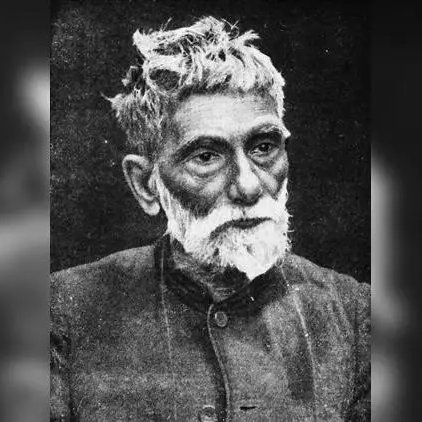
National Reading Day in India is celebrated every year on June 19, commemorating the death anniversary of P.N. Panicker, the “Father of the Library Movement in Kerala.
https://t.co/6eS3t9VkQp
In the grand theatre of Indian public discourse, where metaphors have long served as both scalpel and hammer, the recent elevation of the cockroach from an insect to a political mascot signals a profound rupture. Beginning as a dismissive judicial remark, equating frustrated, unemployed youth with “cockroaches” it made the despised become the celebrated.
When a figure of institutional authority deploys the cockroach as a slur implying something filthy, resilient yet worthless, teeming in the dark corners of a shining nation, the insulted class does not merely reject the comparison.
They weaponize its very abjection and In doing so, they expose the fragility of narratives that seek to pathologize structural social failure as individual failure
Philosophically, this move resonates with the grotesque body of the underclass inverting the hierarchy of the beautiful.
The butterfly fragile, aestheticized, symbolic of grace has long been the preferred metaphor of aspiration with its delicate wings fluttering toward “Viksit Bharat.” and the cockroach, by contrast, is Nietzsche’s Übermensch.
It survives apocalypse. It thrives in decay. It resists extermination through its sheer, ugly persistence. Where the butterfly dies in the first frost of economic contraction or institutional betrayal, the cockroach endures NEET leaks, jobless growth, credential inflation, and more than anything else , the slow erosion of dignity.
Spiritually and culturally, India has always held ambivalent space for the lowly. The Dalit assertion in Ambedkarite thought, the Bhakti tradition’s elevation of the marginal, and even Tantric traditions that find divinity in the impure all prefigure this moment. To my declaration, the cockroach as the new butterfly is to perform a profound counter attitude.. Politically, the Cockroach Janta Party phenomenon reveals the exhaustion of managed democracy. When satire becomes the most potent form of participation for the millions of so called Gen Z Indians,
it signals a legitimacy crisis far deeper than any single judgment or policy failure. The cockroach does not petition for beauty.. it just demands recognition of its right to exist in the kitchen of power. Its resilience mocks the fragility of those who would fumigate dissent rather than address the rotting food, unemployment, educational scams, that sustain the infestation.
Yet there is danger in romanticizing the ugly. The cockroach’s strength is also its tragedy: survival is not victory.
A nation that forces its youngsters into cockroach like endurance rather than a butterfly like flight has failed its political promise.
The true task is not to celebrate the metaphor but to render it obsolete.. to build systems where resilience is no longer a requirement for basic dignity.
In the end, “Cockroach is the new butterfly” is not just a witty reversal but It is a mirror held up to power, reflecting back the ugly truths that power prefers to squash underfoot.
In embracing the insect, this is a generation declaration that “We will not disappear. We will not prettify ourselves for your gaze. We will just multiply in the dark, and some day, we will make the lights come on to illuminate the banquet we were never invited to share.
We the cockroaches do not dream of becoming a butterfly but only ask “Why was the garden built only for butterflies?”
19th May - _Fun Historical Fact_ - 506 years ago this day....
Sri Krishna Devaraya becomes a deserving "మూరురాయరుగండ", set to become "యవ్వనరాజ్యస్థాపనాచార్య" & Vijayanagara Samrajyamu at it's Greatest Extent after the Battle of Raichur