I’ve started questioning what “premium” should actually mean for an Indian food brand.
It is easy to make a product look premium.
Better photography.
Cleaner packaging.
Beautiful design.
A polished website.
All of that has value.
But sometimes, while making something look more sophisticated, brands can slowly remove every sign of where the product actually came from.
That bothers me.
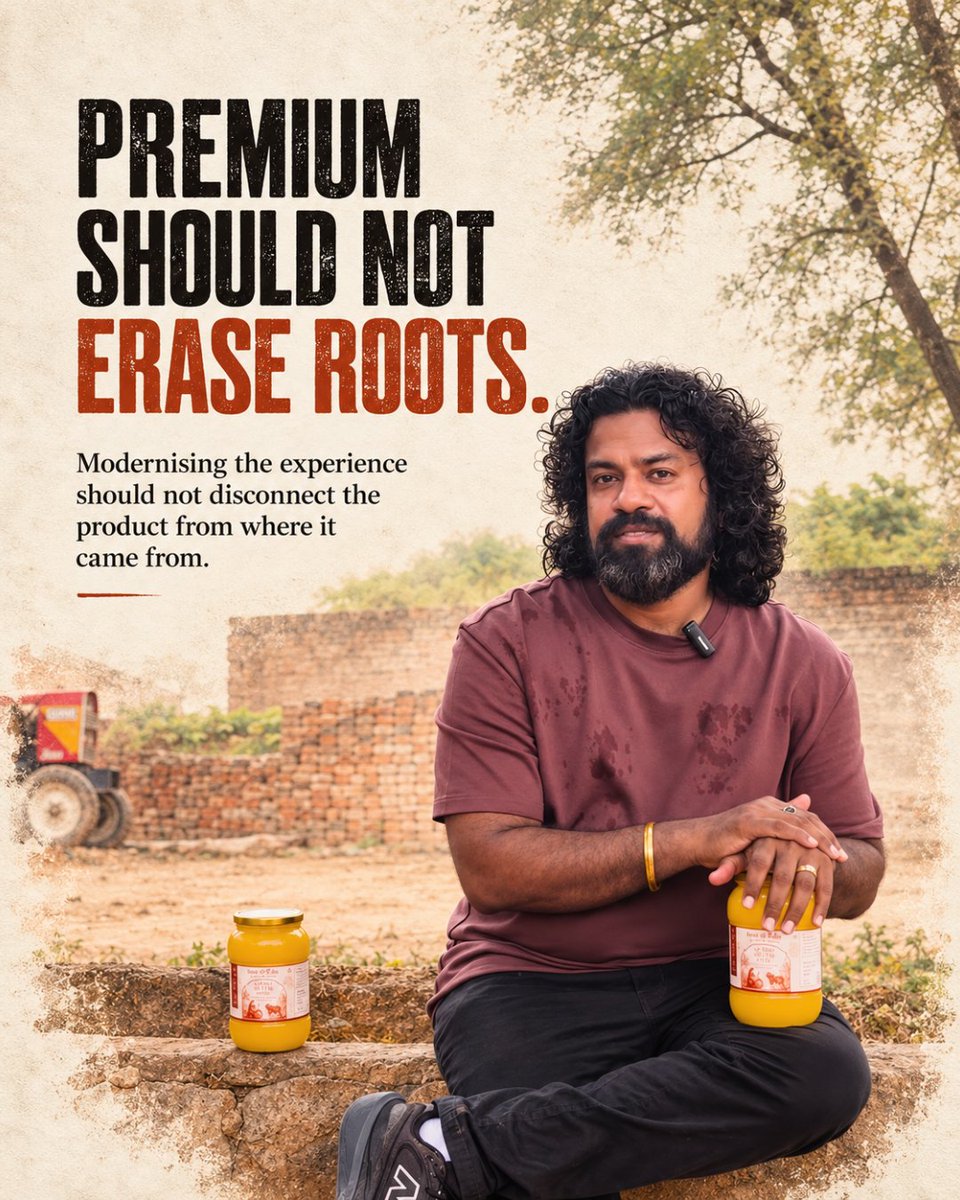
Because premium should not mean disconnected from origin.
A traditional product does not need to hide its roots to earn a better place on the shelf.
The real opportunity, I think, is harder:
Keep the authenticity.
Improve the experience around it.
Better hygiene.
Better consistency.
Better packaging.
Better access.
Without making the product feel like it came from nowhere.
𝗠𝗼𝗱𝗲𝗿𝗻𝗶𝘀𝗶𝗻𝗴 𝗮 𝗽𝗿𝗼𝗱𝘂𝗰𝘁 𝘀𝗵𝗼𝘂𝗹𝗱 𝗶𝗺𝗽𝗿𝗼𝘃𝗲 𝗵𝗼𝘄 𝗽𝗲𝗼𝗽𝗹𝗲 𝗲𝘅𝗽𝗲𝗿𝗶𝗲𝗻𝗰𝗲 𝗶𝘁𝘀 𝗿𝗼𝗼𝘁𝘀 — 𝗻𝗼𝘁 𝗲𝗿𝗮𝘀𝗲 𝘁𝗵𝗲𝗺.
That is the kind of premiumisation I increasingly believe in.
#d2c #d2cfounder #healthandwellness #brands
It is surprisingly easy to keep adding products once customers begin trusting the brand.
That is exactly why product expansion needs discipline.
A growing catalogue can look like progress from the outside.
More SKUs.
More choices.
More shelves filled.
But I’ve started seeing the real question differently:
Why does this product deserve to exist in the range?
Not every product improves a business.
Some create clarity.
Some create confusion.
Some strengthen what the brand stands for.
Some only increase operational noise.
That is why I’ve become more careful about looking at a product range as a system, not a collection.
Each product should make sense alongside the others.
For the customer.
For operations.
For the brand.
Because when the catalogue grows without logic, complexity grows faster than value.
And in the long run, a product range should feel like a clear point of view,
𝗻𝗼𝘁 𝗮 𝘀𝗵𝗲𝗹𝗳 𝗳𝘂𝗹𝗹 𝗼𝗳 𝗶𝗺𝗽𝘂𝗹𝘀𝗲𝘀.
#d2c #d2cfounder #healthandwellness #brands
Working with natural products has changed what the word consistency means to me.
Two batches can follow the same process,
meet the same standard,
belong to the same product category,
and still not look exactly alike.
At first, that can feel uncomfortable.
Businesses naturally like uniformity.
Same colour.
Same texture.
Same appearance every time.
Because that is easier to explain.
But nature does not always behave like a factory template.
That made me separate two ideas:
𝗖𝗼𝗻𝘀𝗶𝘀𝘁𝗲𝗻𝗰𝘆 𝗮𝗻𝗱 𝘂𝗻𝗶𝗳𝗼𝗿𝗺𝗶𝘁𝘆.
Consistency means the standard does not move.
The care does not move.
The process discipline does not move.
Uniformity means every visible outcome looks identical.
I do not think those are always the same thing, especially in natural food products.
𝗧𝗵𝗲 𝗿𝗲𝗮𝗹 𝗷𝗼𝗯 𝗶𝘀 𝘁𝗼 𝗰𝗼𝗻𝘁𝗿𝗼𝗹 𝘁𝗵𝗲 𝘀𝘁𝗮𝗻𝗱𝗮𝗿𝗱 𝘄𝗶𝘁𝗵𝗼𝘂𝘁 𝗽𝗿𝗲𝘁𝗲𝗻𝗱𝗶𝗻𝗴 𝗻𝗮𝘁𝘂𝗿𝗲 𝗵𝗮𝘀 𝗻𝗼 𝘃𝗮𝗿𝗶𝗮𝘁𝗶𝗼𝗻.
That distinction has become more important to me over time.
#d2c #d2cfounder #healthandwellness #brands
I’ve started noticing that some business ideas become clearer when you try explaining them without a presentation.
No slides.
No framework.
No industry language.
Just a conversation.
When you sit with someone and explain what you are building in simple words, you quickly discover what you actually understand.
The complicated parts become obvious.
The unnecessary language disappears.
And sometimes the idea you thought was clear inside the office suddenly becomes difficult to explain outside it.
That has made me respect simplicity much more.
Not because business itself is simple.
But because clarity usually is.
If a customer, employee or partner needs ten minutes of context before they understand what you mean, the problem may not always be their understanding.
Sometimes the thinking itself needs another round.
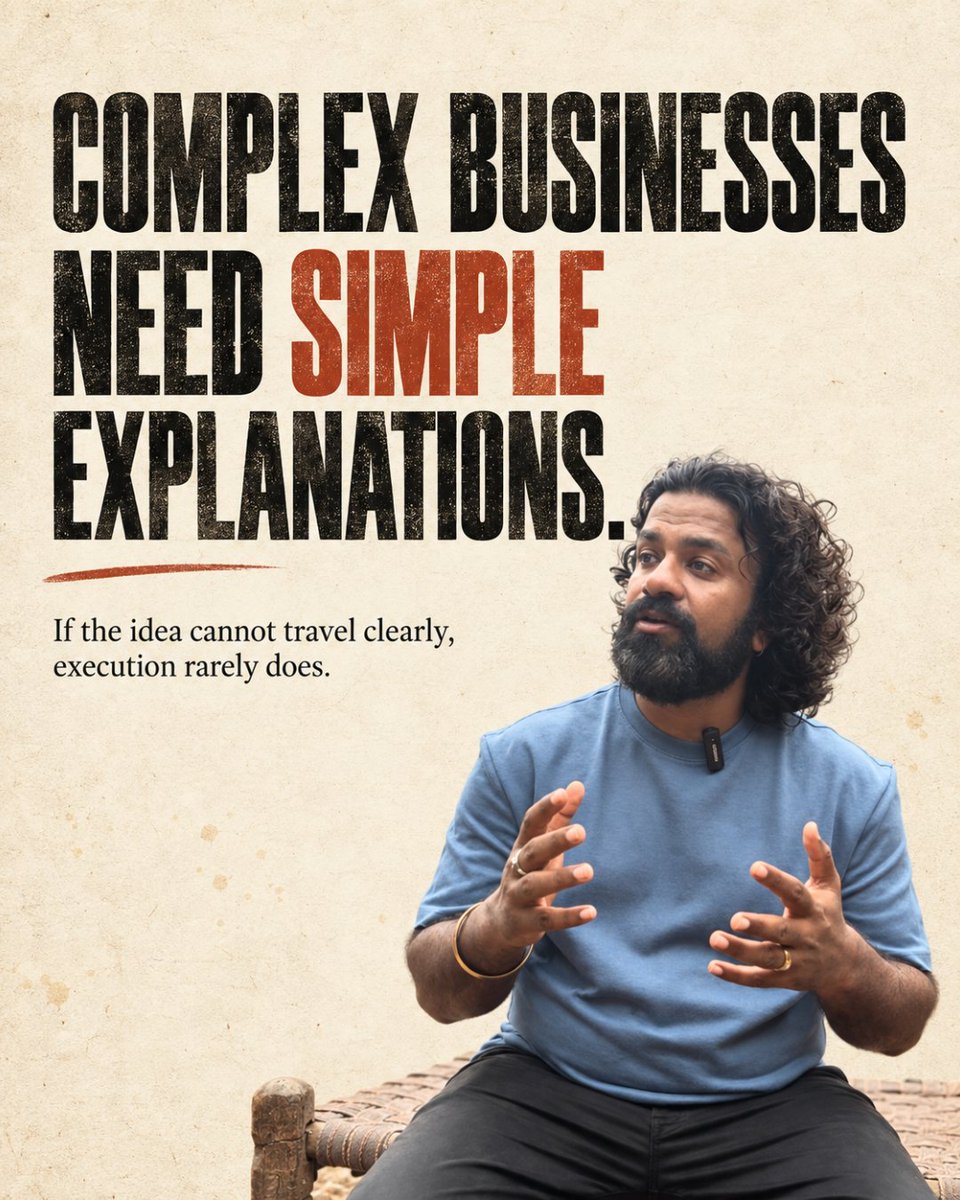
𝗖𝗼𝗺𝗽𝗹𝗲𝘅 𝗯𝘂𝘀𝗶𝗻𝗲𝘀𝘀𝗲𝘀 𝘀𝘁𝗶𝗹𝗹 𝗻𝗲𝗲𝗱 𝘀𝗶𝗺𝗽𝗹𝗲 𝗲𝘅𝗽𝗹𝗮𝗻𝗮𝘁𝗶𝗼𝗻𝘀.
Because if the idea cannot travel clearly between people, execution usually struggles to travel with it.
#d2c #d2cfounder #healthandwellness #brands
𝗦𝗼𝗺𝗲 𝗼𝗳 𝗺𝘆 𝗰𝗼𝘀𝘁𝗹𝗶𝗲𝘀𝘁 𝗱𝗲𝗰𝗶𝘀𝗶𝗼𝗻𝘀 𝗵𝗮𝘃𝗲 𝗹𝗼𝗼𝗸𝗲𝗱 𝗹𝗶𝗸𝗲 𝗳𝗮𝘀𝘁 𝗱𝗲𝗰𝗶𝘀𝗶𝗼𝗻𝘀 𝗮𝘁 𝗳𝗶𝗿𝘀𝘁.
Not necessarily because the decision itself involved a lot of money.
Because correcting the wrong decision later usually costs more than taking a little longer to make the right one.
Speed often looks like competence.
A fast answer feels decisive.
A quick reaction feels productive.
An immediate opinion can look like clarity.
But I’m learning that business does not always reward the fastest person in the room.
Sometimes it rewards the person willing to pause.
A hiring decision.
A partnership.
A product change.
A process shift.
The mistake is not moving quickly.
The mistake is treating every decision as if speed matters equally.
I still value action.
But I’m becoming much more careful about confusing urgency with judgment.
𝗡𝗼𝘁 𝗲𝘃𝗲𝗿𝘆 𝗽𝗮𝘂𝘀𝗲 𝗶𝘀 𝗶𝗻𝗱𝗲𝗰𝗶𝘀𝗶𝗼𝗻.
𝗦𝗼𝗺𝗲𝘁𝗶𝗺𝗲𝘀 𝗶𝘁 𝗶𝘀 𝗷𝘂𝗱𝗴𝗺𝗲𝗻𝘁 𝗱𝗼𝗶𝗻𝗴 𝗶𝘁𝘀 𝗷𝗼𝗯.
#d2c #d2cfounder #healthandwellness #brands
I’ve started finding behavioural analytics increasingly useful.
We’ve recently been using Cooee to understand what customers are actually doing on the store.
Not only whether they purchased.
Where did they click?
Where did they stop?
Did they add to cart but not reach checkout?
Did they reach payment but not complete it?
Did they keep returning to the same section?
Those small actions tell a story.
The customer may never message us saying:
“This part confused me.”
But their behaviour can still show us where friction exists.
That has changed how I think about feedback.
Not all customer feedback arrives in a review or support ticket.
Sometimes the journey itself is the feedback.
The important part is observing it carefully enough to understand what needs attention.
#d2c #d2cfounder #customerexperience #brands
Adding a new category is easier than protecting the standard of the old one.
That is something I’ve started respecting much more.
From the outside, brand expansion can look exciting.
A new product.
A new category.
A new customer use case.
But inside the business, expansion quietly asks a harder question:
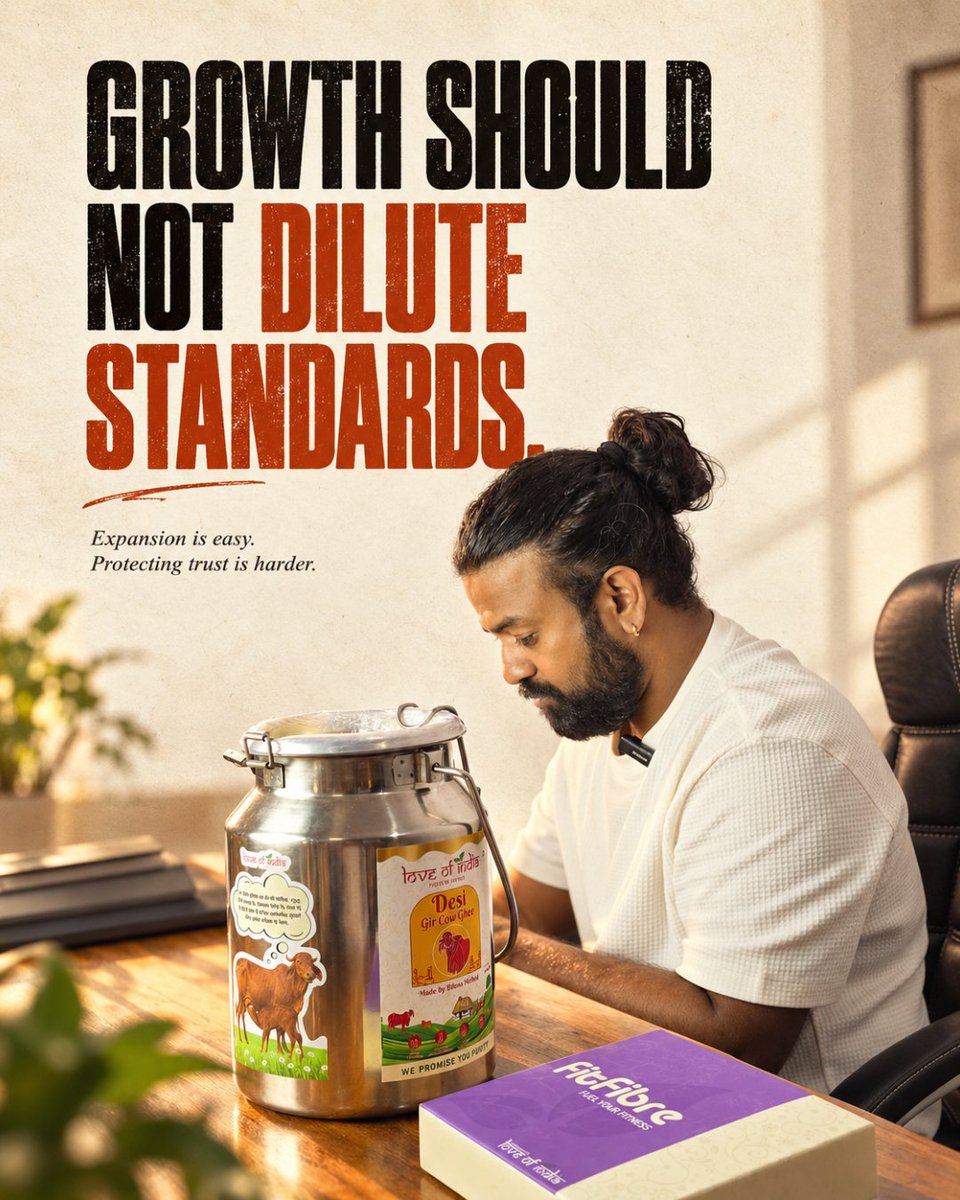
𝗖𝗮𝗻 𝘄𝗲 𝗴𝗿𝗼𝘄 𝘄𝗶𝘁𝗵𝗼𝘂𝘁 𝗯𝗲𝗰𝗼𝗺𝗶𝗻𝗴 𝗰𝗮𝗿𝗲𝗹𝗲𝘀𝘀?
Because every new category adds complexity.
More sourcing decisions.
More packaging decisions.
More customer questions.
More chances for inconsistency to enter the business.
Growth is not only about adding.
It is also about protecting.
Protecting trust.
Protecting quality.
Protecting the reason customers believed you in the first place.
A business usually becomes weaker when growth increases volume but reduces standards.
I’ve started thinking that real expansion is not when the catalogue gets bigger.
It is when the business becomes larger 𝘄𝗶𝘁𝗵𝗼𝘂𝘁 𝗯𝗲𝗰𝗼𝗺𝗶𝗻𝗴 𝗹𝗼𝗼𝘀𝗲𝗿.
#d2c #d2cfounder #healthandwellness #brands
A customer may first meet the brand through an ad.
But that is only the beginning.
Then comes the website.
The order experience.
The packaging.
The delivery.
The product.
The taste.
The support if something goes wrong.
Every one of those moments either strengthens or weakens the promise made earlier.
That is why I’ve stopped thinking of branding as only communication.
Operations is branding too.
Packaging is branding.
Customer support is branding.
Product quality is branding.
The campaign may create expectation.
The business has to fulfil it.
The brand promise is made in marketing.
It is proved everywhere else.
#d2c #d2cfounder #healthandwellness #brands
Distance from the product creates bad decisions.
A lot of business decisions are made on screens.
Ads.
Traffic.
Margins.
Reports.
Sales numbers.
Growth plans.
All of that matters.
But I’ve started feeling that the quality of decisions changes when the founder gets too far away from the actual product.
Because the business is not only happening inside spreadsheets.
It is also happening in what the customer receives.
The jar.
The packaging.
The clarity.
The experience.
The repeat purchase decision.
When products stay close to the conversation, decisions become more grounded.
You remember that pricing affects trust.
Packaging affects perception.
Quality affects retention.
And the product eventually has to defend every promise marketing made.
I think founders should spend time with numbers.
But they should also stay close to what those numbers represent.
𝗔 𝘀𝗰𝗿𝗲𝗲𝗻 𝗰𝗮𝗻 𝘀𝗵𝗼𝘄 𝗽𝗲𝗿𝗳𝗼𝗿𝗺𝗮𝗻𝗰𝗲.
𝗧𝗵𝗲 𝗽𝗿𝗼𝗱𝘂𝗰𝘁 𝗿𝗲𝗺𝗶𝗻𝗱𝘀 𝘆𝗼𝘂 𝘄𝗵𝗮𝘁 𝘁𝗵𝗲 𝗯𝘂𝘀𝗶𝗻𝗲𝘀𝘀 𝗶𝘀 𝗮𝗰𝘁𝘂𝗮𝗹𝗹𝘆 𝗯𝘂𝗶𝗹𝘁 𝗼𝗻.
#d2c #d2cfounder #healthandwellness #brands
The first order can be bought. The second has to be deserved.
This is one thought I keep coming back to in D2C.
You can spend money to acquire the first customer.
Run an ad.
Offer a discount.
Create urgency.
Reduce the hesitation.
But the second order works differently.
The customer already knows you.
Now the question is no longer:
“Should I try this?”
It becomes:
“𝗪𝗮𝘀 𝘁𝗵𝗲 𝗳𝗶𝗿𝘀𝘁 𝗲𝘅𝗽𝗲𝗿𝗶𝗲𝗻𝗰𝗲 𝗴𝗼𝗼𝗱 𝗲𝗻𝗼𝘂𝗴𝗵 𝘁𝗼 𝗰𝗵𝗼𝗼𝘀𝗲 𝗮𝗴𝗮𝗶𝗻?”
That is a very different test.
The first order tells me we created enough interest.
The second tells me whether the business delivered enough value.
I care about both.
But increasingly, I think the second one tells us more.
#d2c #d2cfounder #healthandwellness #brands
The phone rings differently once the company starts growing.
Sometimes it is important.
Sometimes urgent.
Sometimes only familiar enough to feel urgent.
And that distinction matters.
Earlier, I was more comfortable being available for everything.
A call came in, I picked it up.
Something got stuck, I stepped in.
Someone needed a decision, I gave one.
It felt responsible.
Over time, I’ve realised that constant availability can quietly create dependency.
The question is not:
“𝗖𝗮𝗻 𝗜 𝘀𝗼𝗹𝘃𝗲 𝘁𝗵𝗶𝘀?”
Of course I can.
The better question is:
“𝗦𝗵𝗼𝘂𝗹𝗱 𝘁𝗵𝗶𝘀 𝗻𝗲𝗲𝗱 𝗺𝗲 𝗮𝘁 𝗮𝗹𝗹?”
There are moments when the founder must step in.
But there should also be more and more moments where the business can move without waiting.
𝗔𝘃𝗮𝗶𝗹𝗮𝗯𝗶𝗹𝗶𝘁𝘆 𝗶𝘀 𝘂𝘀𝗲𝗳𝘂𝗹.
𝗗𝗲𝗽𝗲𝗻𝗱𝗲𝗻𝗰𝘆 𝗶𝘀 𝗲𝘅𝗽𝗲𝗻𝘀𝗶𝘃𝗲.
#d2c #d2cfounder #healthandwellness #brands
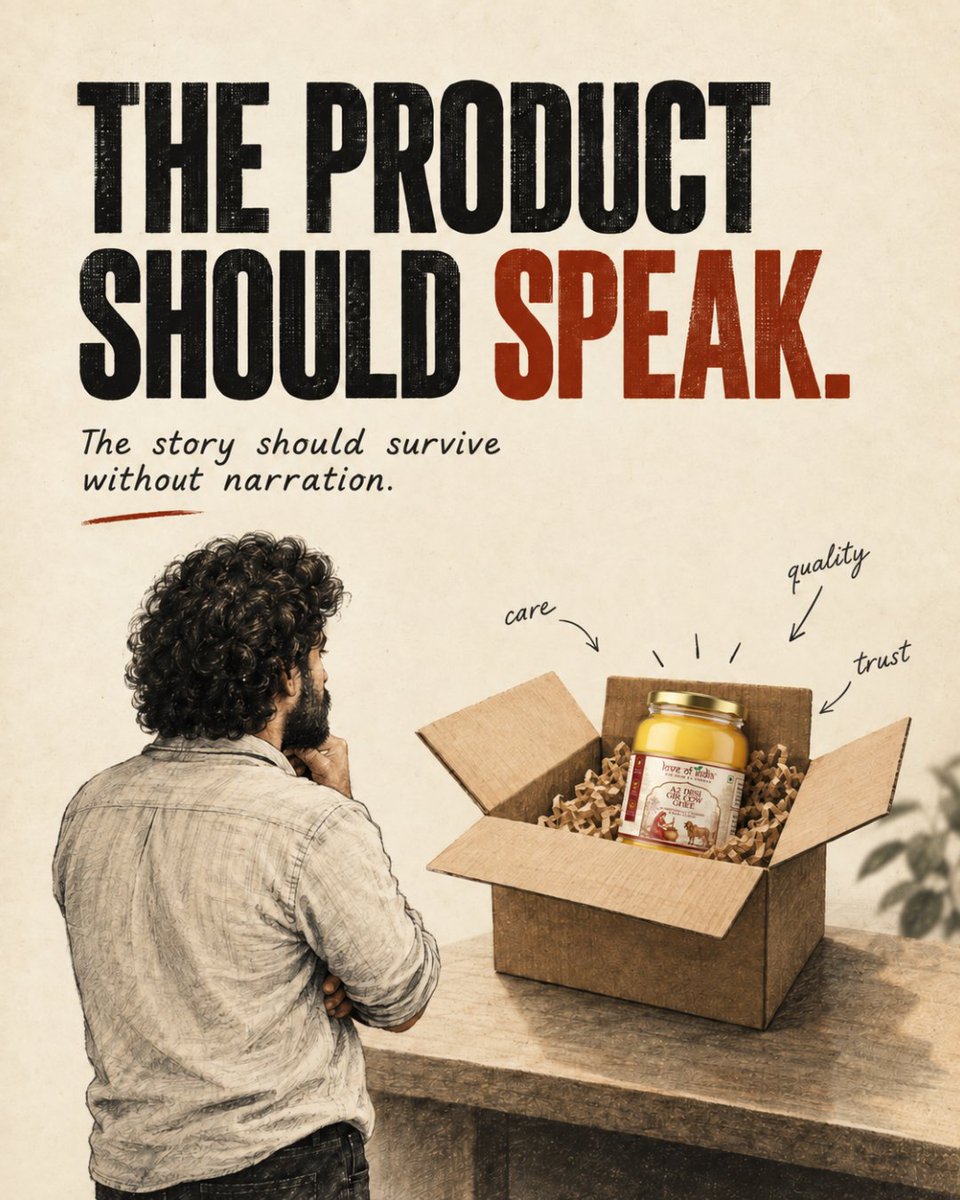
The product should carry the story even when nobody is explaining it.
I’ve started thinking about what happens when the customer finally receives the product.
At that point, there is no founder explaining the philosophy.
No ad giving context.
No salesperson standing beside them.
The product is alone with the customer.
Its presentation matters.
Its packaging matters.
Its quality matters.
Its taste matters.
The entire story has to become believable without someone narrating it.
That is why I think a strong product should communicate something even in silence.
Care.
Consistency.
Integrity.
Value.
The brand story should not disappear when the campaign ends.
It should still be visible in what the customer actually receives.
#d2c #d2cfounder #healthandwellness #brands
𝗔 𝗽𝗿𝗼𝗱𝘂𝗰𝘁 𝗿𝗮𝗻𝗴𝗲 𝘀𝗵𝗼𝘂𝗹𝗱 𝗺𝗮𝗸𝗲 𝘀𝗲𝗻𝘀𝗲 𝘁𝗼𝗴𝗲𝘁𝗵𝗲𝗿.
When you keep building products, there is always a temptation to keep adding.
Another category.
Another formulation.
Another use case.
Another “good opportunity.
But sitting with the range in front of me, I keep coming back to a simpler question:
𝗗𝗼 𝘁𝗵𝗲𝘀𝗲 𝗽𝗿𝗼𝗱𝘂𝗰𝘁𝘀 𝗺𝗮𝗸𝗲 𝘀𝗲𝗻𝘀𝗲 𝘁𝗼𝗴𝗲𝘁𝗵𝗲𝗿?
Not individually.
Together.
Does the customer understand why they belong under the same brand?
Does one product strengthen trust in the next?
Are we solving related needs, or simply collecting SKUs?
I think this becomes more important as a brand grows.
Because expansion can increase choice.
But too much disconnected choice can also weaken clarity.
𝗔 𝘀𝘁𝗿𝗼𝗻𝗴𝗲𝗿 𝗽𝗼𝗿𝘁𝗳𝗼𝗹𝗶𝗼 𝗶𝘀 𝗻𝗼𝘁 𝗮𝗹𝘄𝗮𝘆𝘀 𝘁𝗵𝗲 𝗼𝗻𝗲 𝘄𝗶𝘁𝗵 𝗺𝗼𝗿𝗲 𝗽𝗿𝗼𝗱𝘂𝗰𝘁𝘀.
𝗜𝘁 𝗶𝘀 𝘁𝗵𝗲 𝗼𝗻𝗲 𝘄𝗵𝗲𝗿𝗲 𝗲𝘃𝗲𝗿𝘆 𝗽𝗿𝗼𝗱𝘂𝗰𝘁 𝗵𝗮𝘀 𝗮 𝗿𝗲𝗮𝘀𝗼𝗻 𝘁𝗼 𝗯𝗲𝗹𝗼𝗻𝗴.
#d2c #d2cfounder #healthandwellness #brands
Reconciliation is where expected money becomes real money.
I’ve started appreciating reconciliation much more as the business grows.
A dashboard may say an order was successful.
A platform may show a settlement.
A report may show an amount released.
But the business still needs to know:
What actually reached the bank?
That gap matters.
And this is another area where connected analytics and AI can become useful.
When order data, settlements, deductions and actual receipts can be looked at together, it becomes easier to spot mismatches and understand what deserves investigation.
Reconciliation is not exciting work.
But it creates something founders need constantly:
clarity about what is real.
Numbers can look correct on different systems.
The business becomes stronger when they actually close correctly.
#d2c #d2cfounder #finance #decisionmaking
Growth can quietly increase the distance between a founder and the real business.
More meetings.
More reports.
More layers.
More people between you and what is actually happening.
Some of that is necessary.
A founder cannot stay involved in every detail forever.
But I’ve started feeling there is a difference between stepping back and becoming disconnected.
You still need moments where you see the product, the environment, the people, the process and the reality without everything being filtered through a presentation.
Not to interfere.
Not to take control back.
Just to understand better.
Because the higher you move in the business, the easier it becomes to make decisions based on summaries.
And summaries are useful.
But they are still summaries.
Sometimes staying grounded simply means going back to the place where the business is real.
#d2c #d2cfounder #healthandwellness #brands
𝗦𝘁𝗮𝘆 𝗰𝘂𝗿𝗶𝗼𝘂𝘀 𝗼𝘂𝘁𝘀𝗶𝗱𝗲 𝘆𝗼𝘂𝗿 𝗼𝘄𝗻 𝗿𝗼𝗹𝗲.
One thing I’m trying not to lose as the business grows is curiosity.
It is easy for a founder’s world to become very narrow.
Numbers.
Meetings.
Operations.
People.
Decisions.
All important.
But some of the most useful moments come when you step into something you don’t fully understand.
Try the process.
Touch the product.
Ask basic questions.
Watch how somebody else works.
Not because every experience needs to become a business lesson.
But because curiosity keeps judgment from becoming too comfortable.
The moment we think we already understand everything around the business is probably the moment we stop noticing what has changed.
A founder does not need to know everything.
But they should keep wanting to understand more.
#d2c #d2cfounder #healthandwellness #brands
AI becomes more useful when it is connected to the business.
I’m becoming less interested in AI that only gives clever answers in isolation.
The more interesting use for me is when it can actually see the business context.
We’ve been exploring this through tools like Claude connected with Shopify and other business systems through connectors/MCPs.
That changes the conversation.
Instead of manually pulling data from five places and trying to make sense of it, you can start asking better questions around:
Orders.
Reconciliation.
Customer behaviour.
Patterns.
What is working.
What is not.
And where something deserves a closer look.
That is where AI becomes more useful to me.
Not because it replaces judgment.
Because it can reduce the distance between business data and founder understanding.
The tool becoming smarter is useful.
The founder asking sharper questions is still more important.
#d2c #d2cfounder #artificialintelligence #decisionmaking
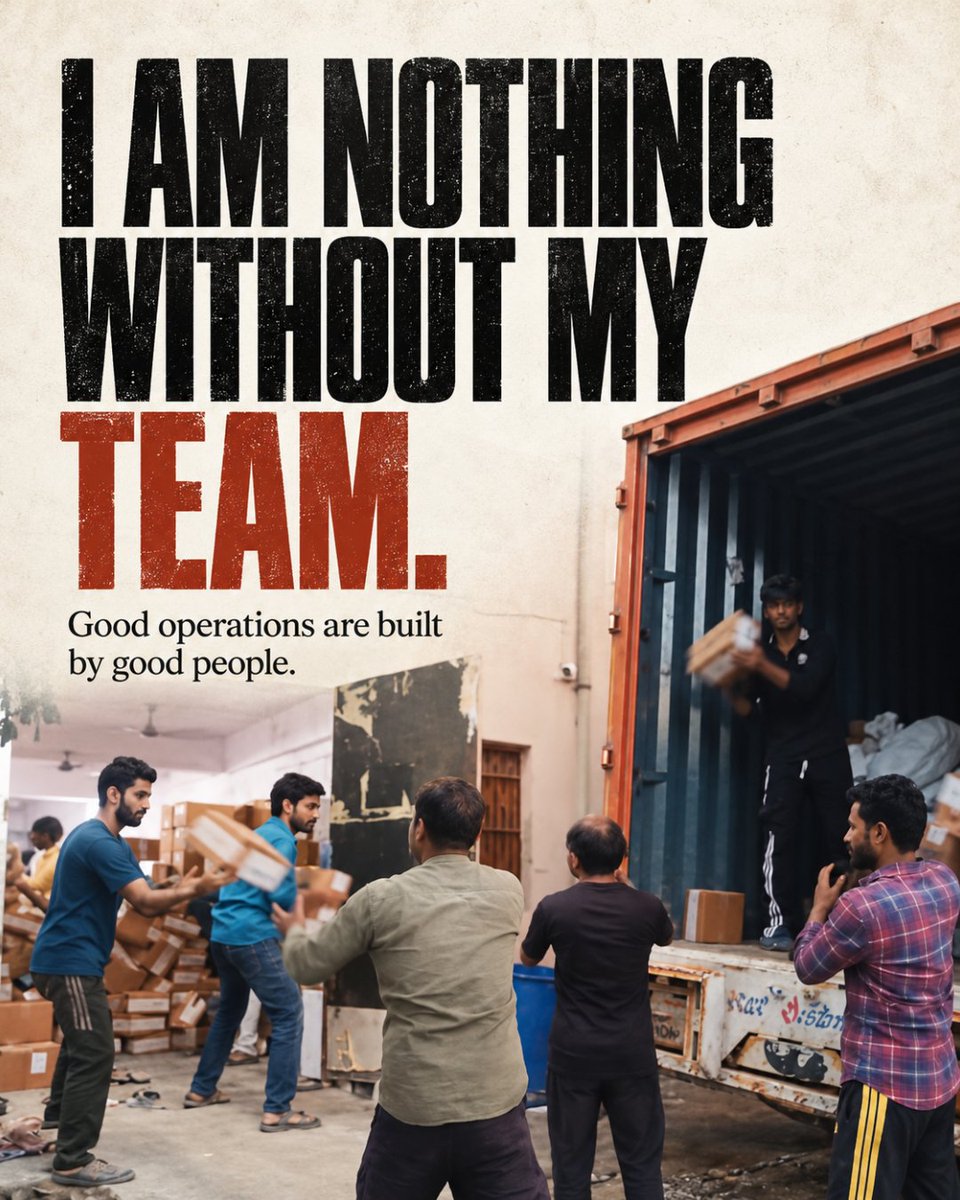
I am nothing without my team.
As founders, we often get associated with the business first.
Our name is visible.
Our face is visible.
Our decisions are visible.
But a company does not move because one person had an idea.
It moves because people show up and carry that idea every day.
Someone is checking inventory.
Someone is packing.
Someone is loading.
Someone is solving a last-minute issue.
Someone is making sure the customer receives what was promised.
A campaign may create demand.
A founder may set direction.
But execution belongs to the team.
The more I watch the business grow, the more I realise that manpower is not just “support” around the founder.
It is the business becoming real.
A strong founder does not build a company around himself.
He builds a team that can carry the promise forward.
And whatever we are able to build at Love of India, I know one thing clearly:
𝗜 𝗮𝗺 𝗻𝗼𝘁𝗵𝗶𝗻𝗴 𝘄𝗶𝘁𝗵𝗼𝘂𝘁 𝗺𝘆 𝘁𝗲𝗮𝗺.
#d2c #d2cfounder #leadership #healthandwellness #brands
A business model is bigger than how the company makes money.
I used to think of a business model mainly in commercial terms.
Who is the customer?
What are we selling?
At what price?
How does the company earn?
Those questions matter.
But over time, my definition has become wider.
How does the customer discover us?
How do we fulfil the promise?
How does support work?
How do functions interact?
Where does the business depend too heavily on one person, one channel or one system?
What capabilities need to exist for the model to keep working as it grows?
That is also part of the business model.
Because a model that looks good on paper but cannot be executed consistently is still incomplete.
#d2c #d2cfounder #healthandwellness #brands
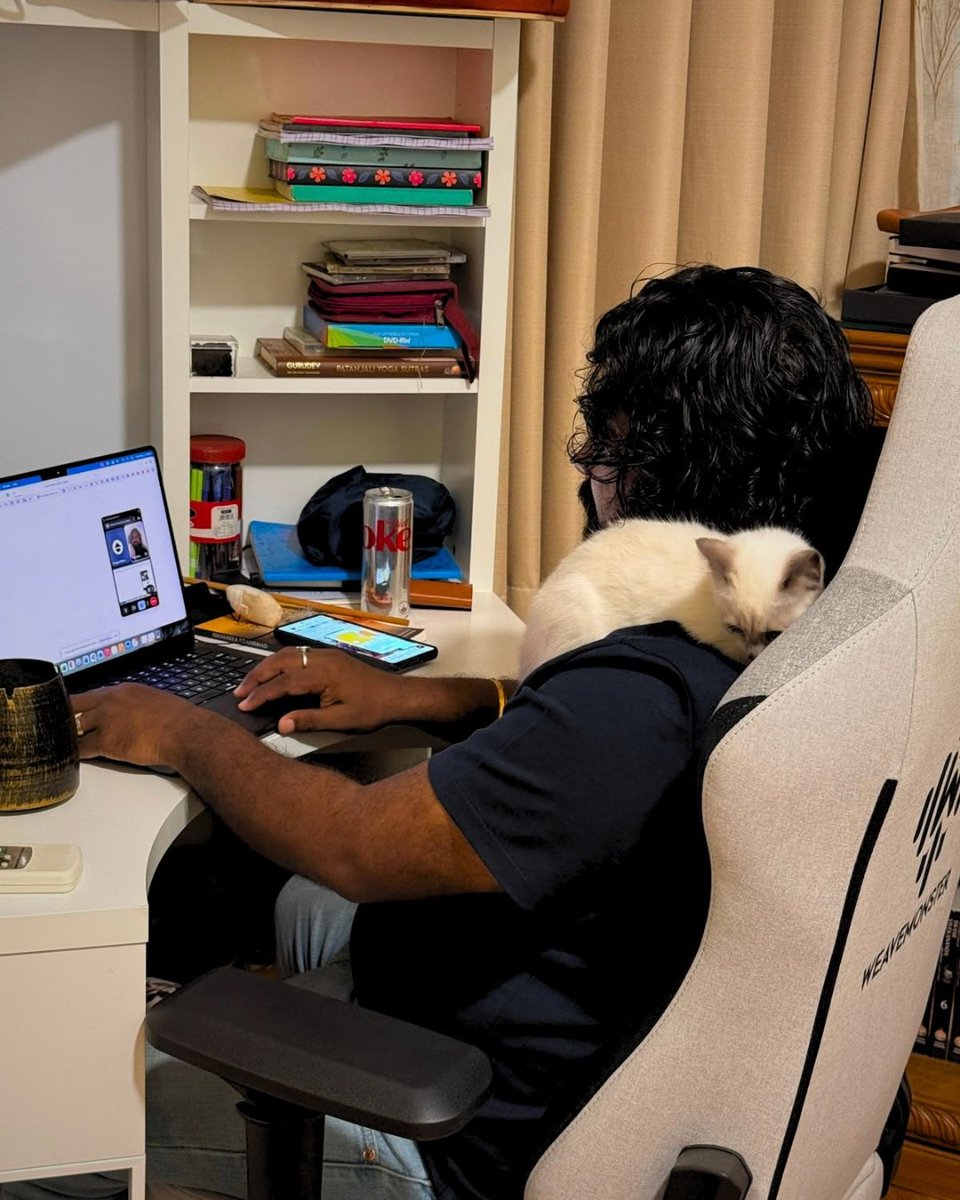
𝗕𝘂𝗶𝗹𝗱𝗶𝗻𝗴 𝗮 𝗰𝗼𝗺𝗽𝗮𝗻𝘆 𝗿𝗮𝗿𝗲𝗹𝘆 𝗹𝗼𝗼𝗸𝘀 𝗹𝗶𝗸𝗲 𝘁𝗵𝗲 𝗽𝗵𝗼𝘁𝗼𝗴𝗿𝗮𝗽𝗵𝘀 𝗽𝗲𝗼𝗽𝗹𝗲 𝗮𝘀𝘀𝗼𝗰𝗶𝗮𝘁𝗲 𝘄𝗶𝘁𝗵 𝗳𝗼𝘂𝗻𝗱𝗲𝗿𝘀.
This is probably closer to entrepreneurship than most founder photographs.
Laptop open.
Work going on.
And life continuing at the same time.
There are very few dramatic moments on most days.
Most businesses are built through ordinary ones.
A call that needs attention.
Something that needs checking.
A decision that takes longer than expected.
A problem quietly resolved.
Another day of showing up.
I used to think progress would always feel like progress.
It doesn’t.
Some of the most important periods in a business can feel completely uneventful while you are living through them.
You only recognise them later.
A lot of company-building looks ordinary in the moment.
Maybe that is why consistency is so difficult.
There is rarely applause while you are doing it.
#d2c #d2cfounder #healthandwellness #brands