HR professional / Rotarian / avid reader / traveller / foodie / astrophysics enthusiast /
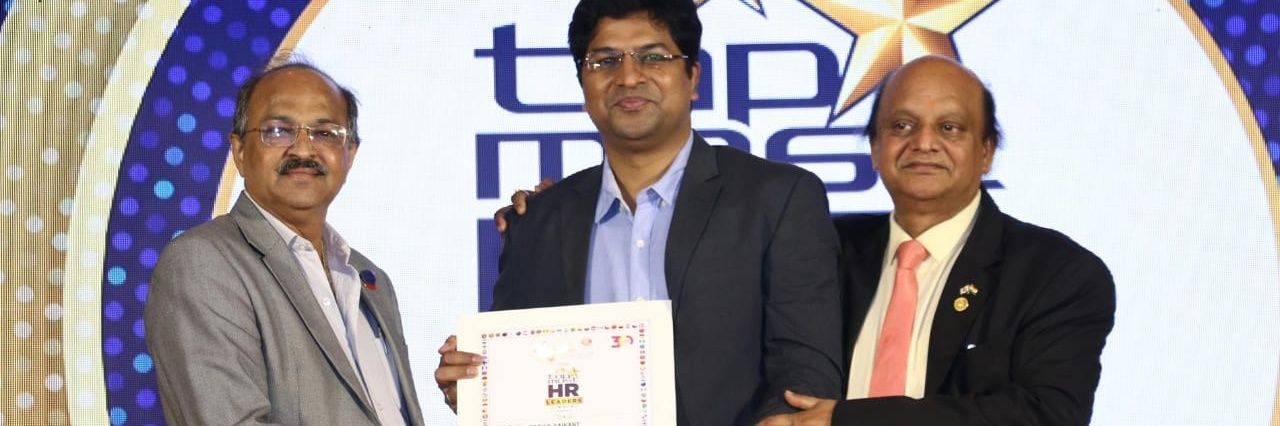
Awarded as Top Most HR Leders in India by World HRD Congress 2022
Lalitha Krishnamurthy is still searching… No Voice to say, “Amma Goodbye”.
🕉️ 🕉️ 🕉️ 🕉️ 🕉️ 🕉️ 🕉️ 🕉️ 🕉️ 🕉️ 🕉️
I dialled the number given in the advertisement. It belonged to Pawan Shetty. I was already shaken when I read the notice about Mrs. Lalitha Krishnamurthy. What he told me left me choked.
She had lived alone for forty years. Originally from Chennai, she passed away in Mumbai on 13th November 2026. Two daughters exist somewhere in this world — their addresses, their lives, even the reason for the silence never shared. She carried that quiet to the end. A couple who were cousins became the only family she had. When she died, it was the people of the building who completed the formalities. No one from her own blood came. The same cousin & neighbours like Pawan Shetty — who had stood by her in life, helped her make her final journey. Still searching for the daughters who were never found while she was alive ( Ad placed by the cousin).
A search that continues even after Lalitha is gone, a yearning that death itself could not silence. No signal, no effort, no public notice has been strong enough to reach the children she left behind.
Every child, when born, had at least one soul with them — the mother. She was the first face, the first touch, the first reason the world felt safe. And yet, alas, there are mothers who die with just nobody around. No child at the bedside. No hand to hold. No voice that once called her “Amma” to say goodbye. The one who gave life is left to leave it alone.
I have always said a son or daughter is not an ATM. Money can be sent across cities and countries. Presence cannot. A monthly transfer does not sit beside you when the nights grow long. It does not notice when your voice grows thinner. It does not hold your hand when fear finally arrives.
I am 51. Work had taken our families to different cities, not anger, not ego. After years of living separately, we have chosen to return. We are building a joint family home now. Not because the old ways were perfect, but because we finally understood that the strongest thing a family can offer is not money or independence — it is the quiet certainty that someone will still be there.
This is no longer one woman’s story. Across our cities, parents who once filled rooms with laughter are dying with only a television for company. Children leave for better lives and sometimes never return — not even for the final goodbye. Phone calls shrink. “We will come soon” stretches into years. Joint families dissolve. And many elders, out of pride or pain, simply stop waiting… while somewhere deep inside, the yearning never really ends.
We still speak of parents as God, of duty, of Indian values. Yet somewhere between ambition and distance, many of them are being left to grow old in silence — still searching, in their own way, for the children who no longer come.
If you are a son or daughter reading this, or one day reading a notice like the one for Lalitha Krishnamurthy — there is still time while they breathe.
I am willing to help if somebody can locate her children. Some pursuits are beyond the purpose of any gain, and this one is for sure.
Call them today. Or don’t be surprised when even the cousin who stood by her has to place an ad to find the children who never came.
Lalitha Krishnamurthy is gone. The search for her daughters continues. The yearning didn’t end with her. It just became public. If any of you can help, please 🙏 do.
May she attain Sadgati. OM Shanti.
What Actually Triggered the Nepal–Tibet Border Flash Flood?
A massive ice and rock avalanche from a glacier triggered a chain reaction near the Nepal–China border. The avalanche and debris blocked the river, forming a temporary barrier lake. When the blockage gave way, a powerful surge of water, mud and debris rushed downstream, causing devastating flash floods across Gyirong in Tibet and Nepal’s Rasuwa district.
GLACIAL COLLAPSE → DEBRIS BLOCKAGE → TEMPORARY BARRIER LAKE → BREACH → DEVASTATING FLASH FLOOD 🌊🏔️
Options ka premium high hai, toh kya woh “expensive” hai?🤔
Not necessarily. Option pricing depends on more than just the premium you see. Watch the full video on our YouTube channel to understand what really makes an option expensive. 📊
#OptionsBasics#StockMarketIn#Trigr
While speaking on the evolving global cyber threat landscape, Neehar Pathare, Co-Chairman, CII Cybersecurity Taskforce & MD CEO & CIO 63SATS Cybertech said, “It is clear that we are no longer just discussing an IT challenge, we are discussing the core foundation of our national and economic sovereignty in this era of accelerating digital transformation. Our threat vectors have evolved from isolated software vulnerabilities to sophisticated AI-driven attacks. Proactive threat detection and unwavering commitment to an integrated zero touch model is where we are looking at."
#Cybersecurity360Summit
With #MarketBook’s advanced financial calculators, students can explore valuations, yield metrics, and performance ratios across all asset classes from equity to bonds to derivatives. It’s not just number-crunching, it’s hands-on #financiallearning#MarketBook#FinanceStudents
3/
🛡 Bill of Crypto Rights:
Right to self-custody
Right to build & deploy code
Right to private, peer-to-peer transactions
No forced KYC unless using regulated intermediaries
No punitive taxes on crypto
2/
💡 Core Idea:
Instead of harsh rules, the law starts with rights — like the right to self-custody, privacy, and permissionless innovation.
Crypto = a new layer for exercising constitutional freedoms.
1/
The COINS Act 2025 is India’s first industry-led model crypto law.
It’s built around crypto rights, not restrictions.
Aimed at making India a global crypto leader while protecting users and enabling innovation.
Let’s break it down 👇
🇮🇳 Hashed Emergent with Blackdot Policy Advisors published India’s COINS Act: A Pro-Crypto Legal Framework
What does the report suggest ? Lets break it down 🧵
13. Emergency helmets for earthquake in Japan..
its design to protect the spine and upper vital organs. It will cover your shoulders and most of your back.
10. Japanese toilets often have a sink on top, allowing you to wash hands with water that's reused for flushing, saving millions of liters of water yearly.