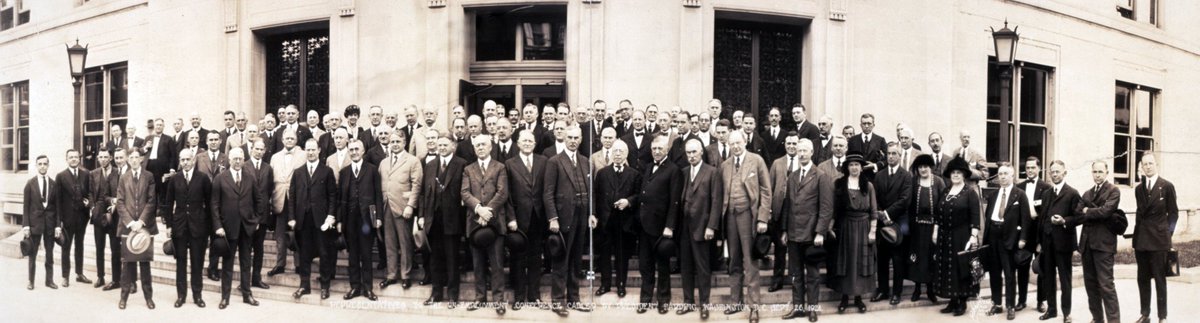
This isn't even an exaggeration. The talking points that get you labeled a 'Nazi' today were just vanilla Democrat talking points not even twenty years ago.
@spergpartytime Joking aside, a binary that includes a wide range of different values is in no way simple. That should be made obvious by nutjobs not being able to understand it. "If gender binary, why feminine man?!?"
@Manassas61@estik___ the term "computer" used to refer to groups of humans that would perform calculations. AI is only a further extension of this original replacing of human thinking
@JordykJordan The amount of people that vote on emotional purely is insane. They should really do screening for mental illness and IQ before allowing people to vote.
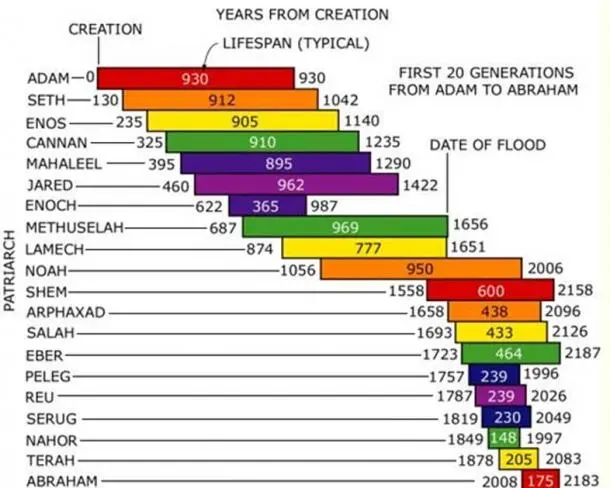
@sigmahamster2 wasn't this literally the case in the Bible? I'm pretty sure there's a theory among Christians that inbreeding (post the flood) caused the drop
@Tryng2lookahead@Handre This is an AI overview. This is also addressing the 1873 crash, not the the whole period. Also if you want to use the "lived experience argument" Mises grew up in the period and expressly denied the claim that it was a depression
@Tryng2lookahead@Handre the long depression was only called so because of not accounting for deflation. Real wages rose after recovering from the panic. This is a funny topic because rightists and leftists generally agree
https://t.co/UlhtynOdMA
https://t.co/lBAqp1Ptcc
https://t.co/WUv1BEkCvz
The 1920-21 depression was the sharpest economic contraction in American history, yet you've probably never heard of it. Industrial production collapsed 32%. Unemployment spiked from 4% to 12% in twelve months. By every measure, this downturn dwarfed the initial shock of 1929.
President Warren Harding faced enormous pressure to "do something." Labor leaders demanded public works programs. Businessmen begged for bailouts and trade protection. Treasury Secretary Andrew Mellon advised Harding to slash government spending and let wages fall. Commerce Secretary Herbert Hoover (yes, that Hoover) pushed for massive federal intervention.
Harding chose Mellon. The federal budget dropped from $6.4 billion to $3.2 billion in two years. No stimulus packages. No bailouts. No alphabet soup of new agencies. Government employment fell 40%. When you let markets clear, they clear fast.
The recovery started in July 1921. By 1923, unemployment had dropped to 2.4% and industrial production reached new highs. The entire episode lasted eighteen months from peak to full recovery. Compare that to Japan's lost decade of intervention, or the European debt crisis that dragged on for years, or our own jobless recovery after 2008.
Most economics textbooks omit this episode because liquidating malinvestments and allowing price adjustments works exactly as free market theory predicts: a fact that destroys the Keynesian narrative that government must spend its way out of recessions. Politicians today claim they learned the lessons of the 1930s, but they studiously ignore the more important lesson of 1921.
@aka_yuuki_@unacknowl3dged@MentisWave Bazzite handles immutability poorly compared to NixOS (which is what @liquid2ulu uses), and thus should not be a first distro. Not being able to test run apps (when installing requires rebuilding the system) makes daily use painful (especially with a new user trying software)
Not trying to snipe at this guy in particular, but there's been a growing "women are only cool when they act like men" attitude going around the past few years, and it's lowkey kind of sexist.
@Creetosis22 The majority of genZ has the same social anxiety. As someone who has to almost always be the person to reach out, I will say that it causes resentment with time. I have multiple uni friends I stopped reaching out to that I'll randomly run into and they suddenly want to hang out