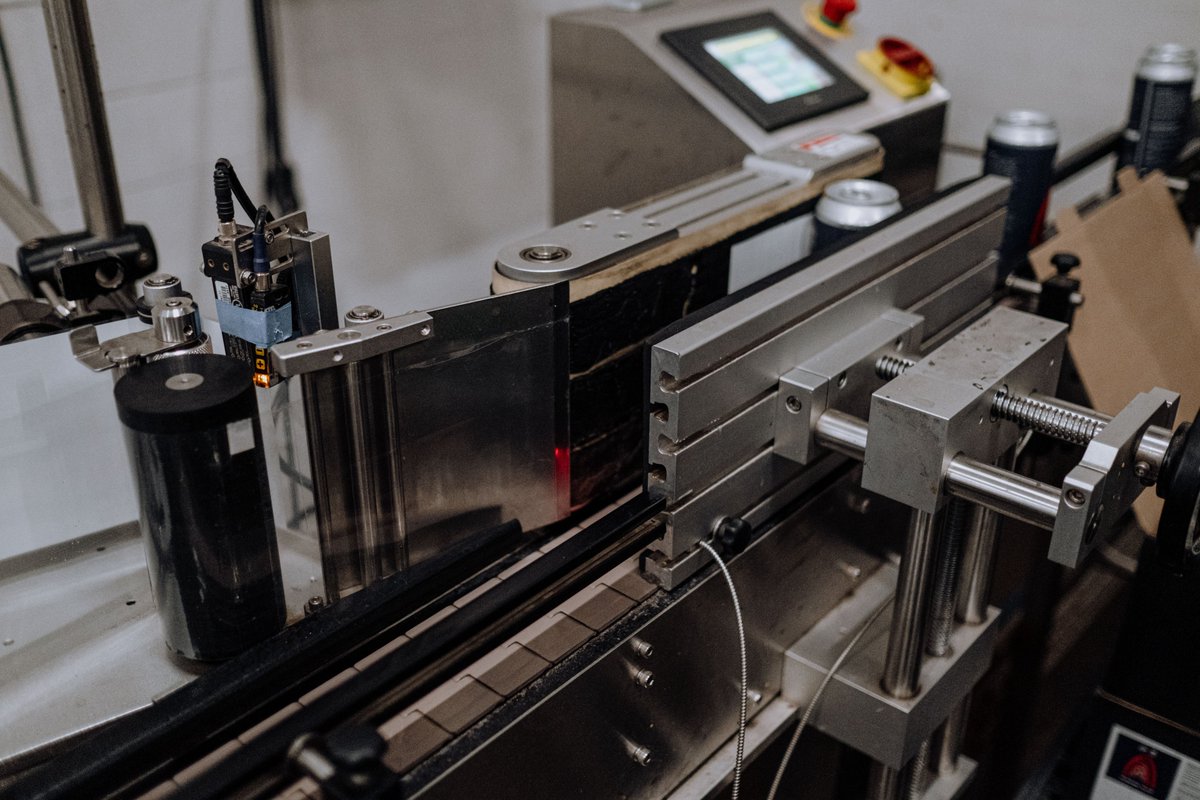
The objective of industrial intelligence is not maximum autonomy.
It's better operational decisions, delivered through systems that manufacturers can understand, supervise and trust.
Intelligence in Motion.
#IndustrialAI#Praxnetics
Industrial AI should earn the right to act.
Connecting an AI system to factory data is one thing.
Allowing it to control equipment is another.
The difference requires deliberate engineering.
Industrial AI systems must account for conditions that ordinary software often overlooks:
• Intermittent connectivity
• Equipment safety boundaries
• Stale or incomplete data
• Operational approvals
• Controlled recovery
Reliability is an architectural requirement.
We're thrilled to announce our partnership with @neo4j , the pioneers in Graph Intelligence, to enable our clients in the MENA region with intelligent data storage and retrieval solutions.
Read more here: https://t.co/VWLwD25GSb
Factory owners and Production Managers deal with various responsibilities and unique challenges. This guide explores ways in which AI can step in to help alleviate some of the pressure. Read here: https://t.co/3hFOfrqVsr
Contrary to common thinking, AI is not a trend to follow. Companies and organizations should explore and identify their genuine technology needs before integrating AI into their daily operations. Read more here: https://t.co/AzLirZKX3g
Many still believe giving AI LLMs articulate prompts is the peak artificial capability. That’s actually an outdated practice now.
I’ve written my thoughts on the matter here: https://t.co/DPGrZRcIGi
Excited to implement your internally developed intelligent tool? That's fine, but rushing into this might prove costly if you don’t examine the infrastructure. Click here to read the full post: https://t.co/9QmzwAkDWi
Your vibe-coded software is promising, but are you certain it’s ready for production? This common misconception is familiar to many. Read our initial piece on the matter and follow to learn more. https://t.co/C9bp8B9pum