4-year PhD fellowship in Virology available in our group @I2SysBio. Eligibility requires having a relevant university degree from outside of the EU after 1/1/2020 and having (or soon to have) a relevant Master degree (preferably from Spain). See https://t.co/W7Q7Nfuiho
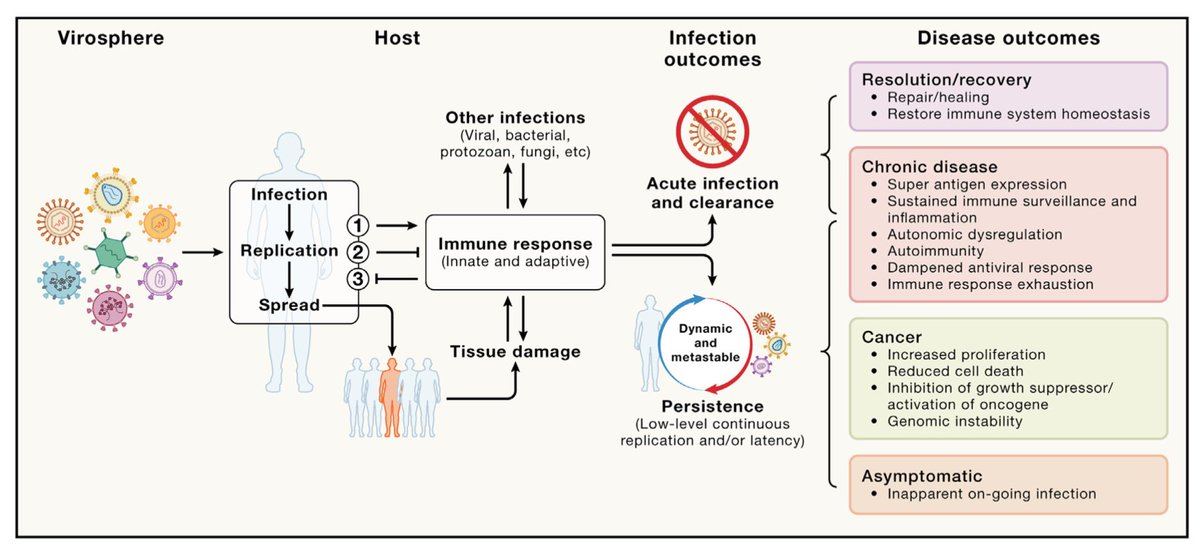
Our new paper @PNASNews uncovers how Hepatitis E virus targets neurons, studies immune responses & morphological changes in infected cells.
Kudos to all authors👏👏👏
Press: https://t.co/WjQh25XI8Q
Paper: https://t.co/hKy8kK2KD2
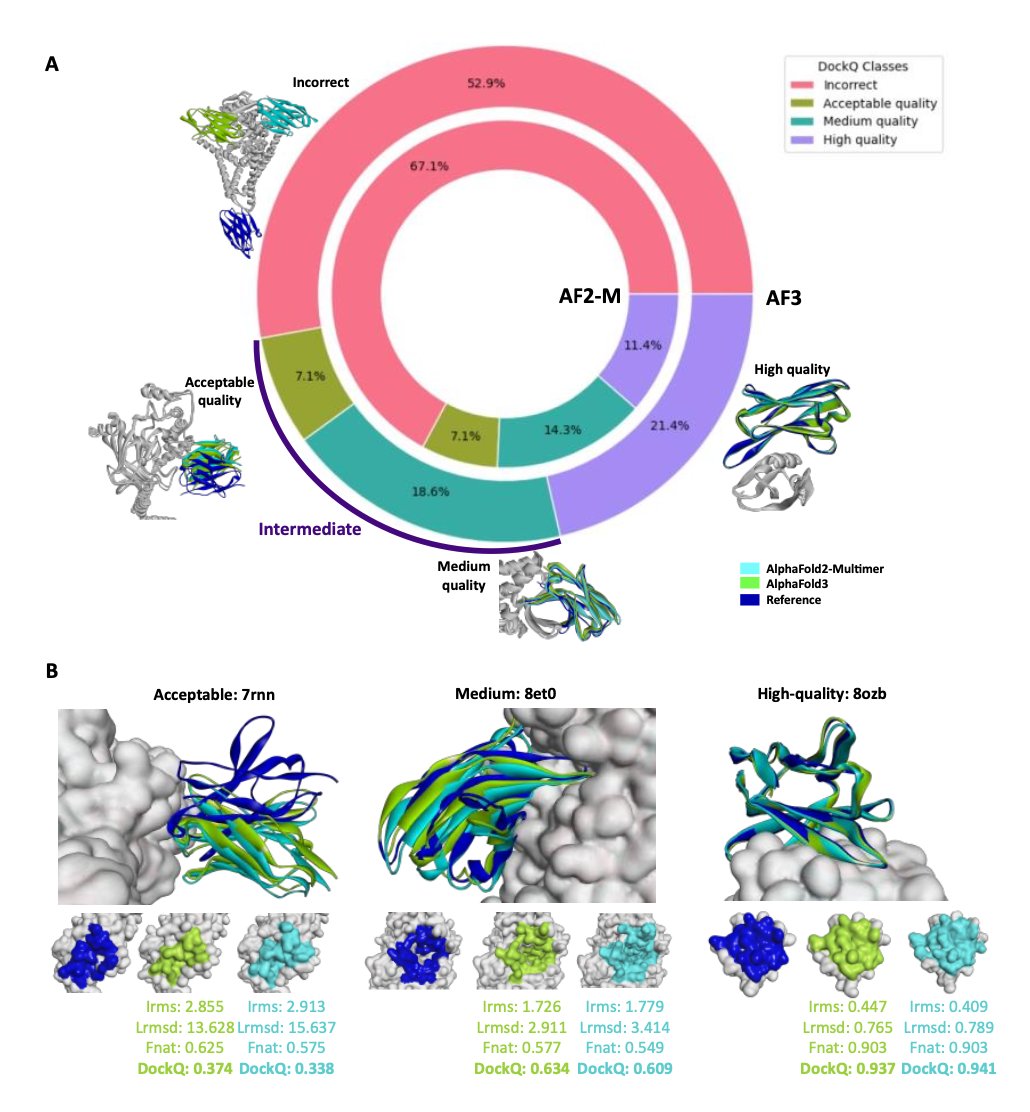
AI driven approaches in Nanobody Epitope Prediction: Are We There Yet?
1. This paper evaluates the use of AI-driven tools like AlphaFold3 and AlphaFold2-Multimer (v.2.3.2) for nanobody epitope prediction. Despite improvements, the overall success rate remains below 50%, with AlphaFold3 showing modest gains over its predecessor.
2. The study highlights that epitope identification performance strongly depends on CDR3 characteristics, particularly its 3D spatial conformation and length. Nanobodies with specific CDR3 conformations showed significantly better prediction accuracy.
3. One key finding is that AlphaFold3 performs better within certain nanobody classes and in predicting stretched CDR3 conformations. However, kinked CDR3 conformations continue to present challenges, reducing the overall success rate.
4. The study further critiques AlphaFold3’s confidence metrics, such as ipTM and pTM, demonstrating their reliability in predicting complex formations. However, improvements are needed to address structural dynamics, especially for longer and kinked CDR3 loops.
5. The researchers also assess alternative strategies, including iterative generation of models and incorporating additional epitope-related data, but with mixed results. They suggest that new AI models may need to adopt a more flexible approach to dynamic protein interactions.
@EshakFloriane
📜Paper: https://t.co/tDqHeyWYXo
BREAKING NEWS
The 2024 #NobelPrize in Physiology or Medicine has been awarded to Victor Ambros and Gary Ruvkun for the discovery of microRNA and its role in post-transcriptional gene regulation.
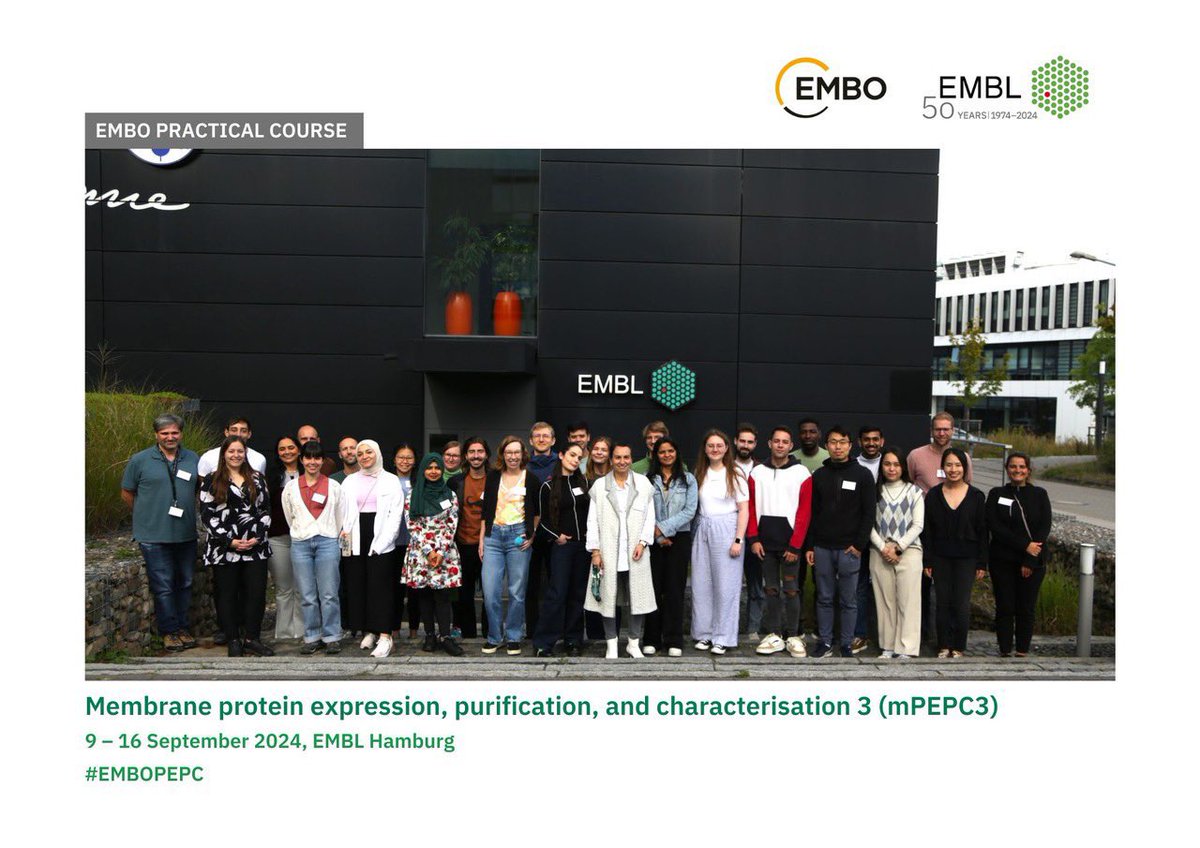
@EMBLHamburg@SPC_EMBL_HH Thank you so much! I had a fantastic time at EMBL Hamburg and truly appreciate the hospitality. It was a memorable experience, both scientifically and personally. I look forward to visiting again in the future!
Wrapped up an incredible 8-day workshop diving deep into membrane proteins, learning so much, and exchanging ideas with brilliant minds. Grateful for the friendships and connections made along the way! #ScienceCommunity#MembraneProteins#EMBOPEPC
It is a wrap 🙌🏽 !
Thank you so much to academic and industry speakers, tutors and participants who attended the EMBO practical course mPEPC3 in EMBL Hamburg/ CSSB.
We had 8 days of lectures, practicals and networking on the membrane protein field 📚🦠🔬
👏🏽 to our sponsors!
It's been great eight days full of cutting-edge science and practical sessions with fantastic participants at the EMBO Practical Course #EMBOPEPC at EMBL Hamburg.
Let us know in the comments what has been the most helpful for you and how you plant to use it in your research!
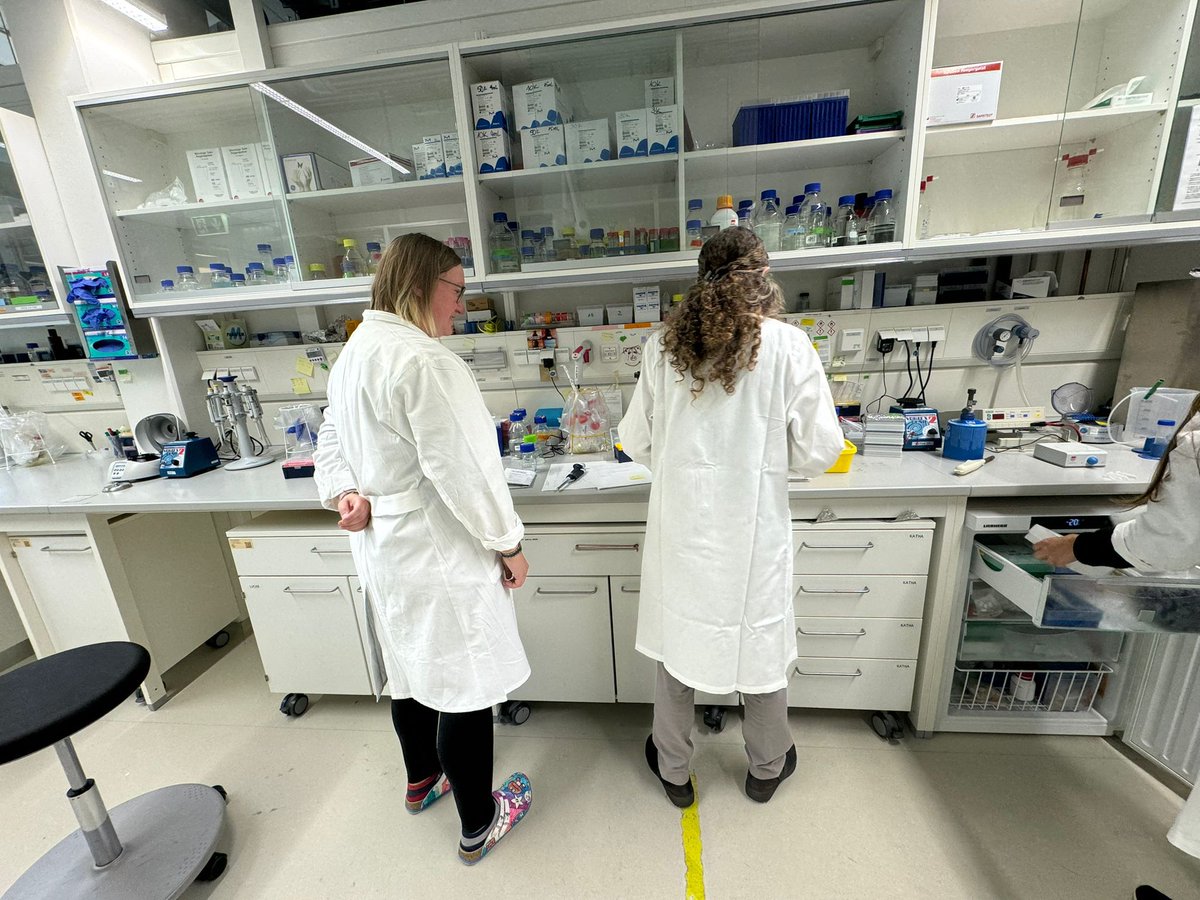
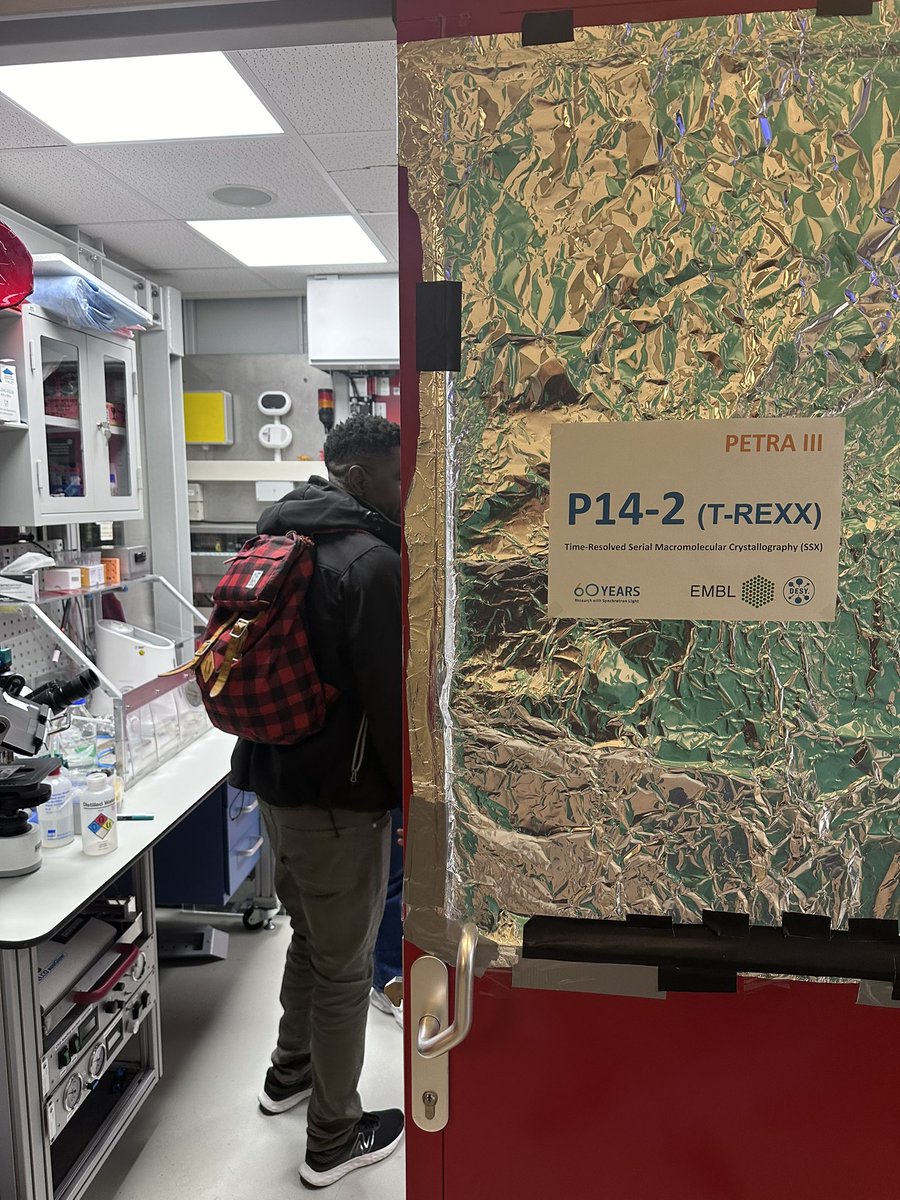
Second day of Practicals for the EMBO mPEPC3 course at EMBL Hamburg.
Practical G. Protein micro-crystallization for time-resolved serial crystallography 💎
T-REXX beam 🦖
Tutors: Pedram Mehrabi, Eike Schulz, Kim Bartels @UKEHamburg@unihh#EMBOPEPC
First day of Practicals for the EMBO mPEPC3 course at EMBL Hamburg.
Practical A. “Transfection of mammalian cells for protein expression and analysis of membrane proteins”🧫
Kim Remans and Yexin Xie @embl#EMBOPEPC
Excited to kick off the @EMBO Practical Course on Membrane Protein Expression, Purification, and Characterization (mPEPC3)! Let's dive into the world of membrane proteins!!
I’m delighted to be among this year’s recipients of the ERC Starting Grant! This funding will allow my group to take a deep dive into the replication and assembly mechanisms of positive-strand RNA viruses. I'm particularly excited to expand our in situ #cryoET capabilities!
Scientists @Google introduced #TxLLM, a new AI powerhouse in drug research! Optimized for #pharmaceutical development, Tx-LLM is trained on 709 datasets across 66 tasks; it outperforms SOTA models in multiple tasks. 💊🚀
Quick Read: https://t.co/OS72bxSljP
#bioinformatics#LLM