Have you seen such a beauty? The Ardennes Draft Horse (Belgium, Luxembourg, France) is considered one of the oldest breeds of draft horse, and is believed to be a direct descendent of the prehistoric Solutre Horse. Their history reaches back to Ancient Rome. Thanks Neneng Gabayno
Head of anthropomorphic figurine, terracotta, Neolithic period, #VinčaCulture, 5000–4500 BC, Medvednjak archaeological site in Grčac, near Smederevska Palanka, height 5.3 cm. Collection of Museum in Smederevska Palanka. #PrehistoricSerbia
Large so called “haberdashery” fibulae made of several spirally coiled bronze wires, late Bronze–early Iron age, 1100–900BC, Sečanj, Banat region, length 28cm, weight 500 grams. Collection of Museum in Zrenjanin. #PrehistoricSerbia
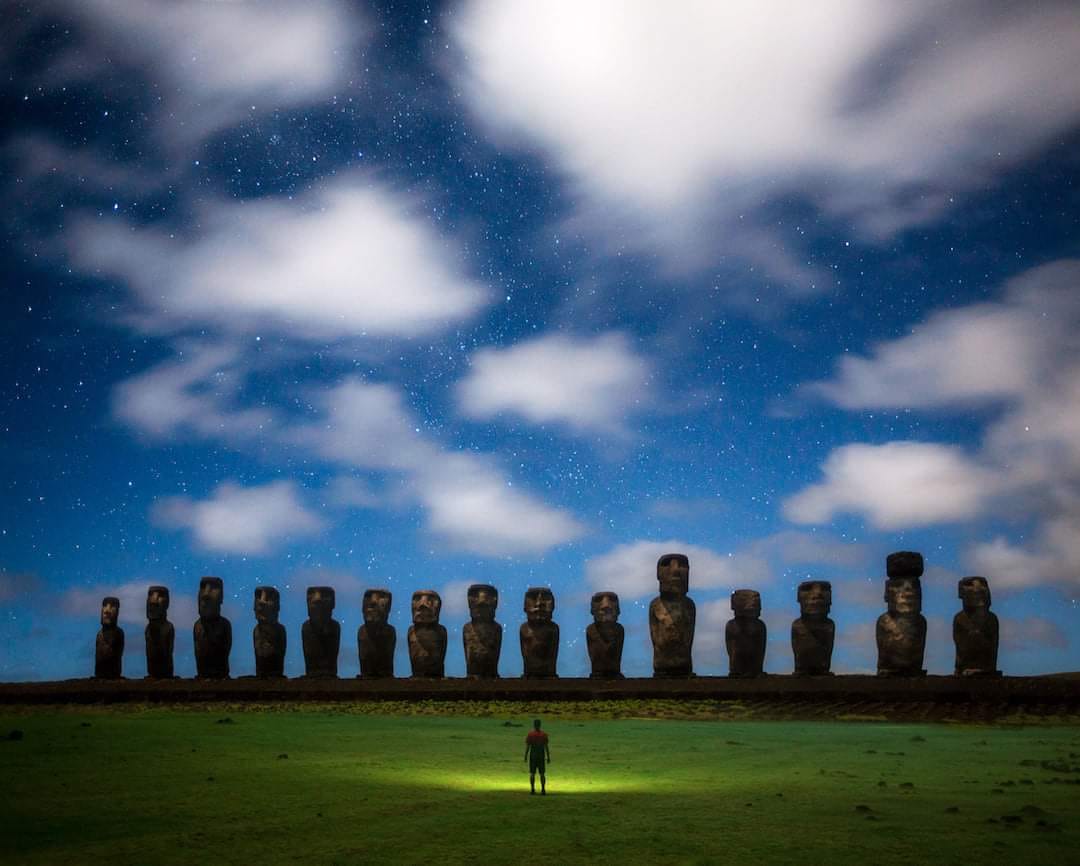
Here are the "moai" of Ahu Tongariki,the largest "ahu" on Easter Island. After being toppled during the island's civil wars, these statues were swept inland by a powerful tsunami 1960. Here, 15 restored moai patiently waiting to greet visitors from all over the globe. Paul Zizka
Perfectly preserved ancient Roman glass bottle. 1st century AD, found inside Roman grave at Kosmaj mountain in central Serbia. It is amazing how something so fragile survived intact for nearly 20 centuries. Collection of National Museum of Serbia in Belgrade #AncientSerbia
Ceramic pot decorated by pinching raw clay with fingers, 6000–5500BC #StarčevoCulture, found in central Serbia. National Museum of Serbia, Belgrade. Starčevo culture was one of the first Neolithic cultures in Balkans,part of Starčevo–Kőrös–Criș cultural complex #PrehistoricSerbia
Lavish prehistoric jewelry, so called “special necklaces“ composed of canine teeth, seashells&kaoline stone beads, early-middle Bronze age, Moriš culture, around 2000-1500 BC, found in one of the graves at necropolis in Mokrin, Banat region. Museum in Kikinda. #PrehistoricSerbia
6500-year-old Stone age ceramic vessel find “in situ” at remains of large Neolithic settlement at Drenovac archaeological site, near Paraćin, central Serbia. This vessel belongs to Vinča culture from the Neolithic period, around 4500 years BC. #VinčaCulture#PrehistoricSerbia
Prosopomorphic lid with mask-shaped face, terracotta, #VinčaCulture 5600-4300 BC,Vinča,Belo brdo. Collection of Faculty of Philosophy in Belgrade. Prosopomorphic lids were covering amphorae &other vessels, and probably had some kind of ritual protective purpose #PrehistoricSerbia
Street vendor selling mummies in Egypt, 1875.
During the Victorian era, it was common practice for the elites to buy those and then hold “Mummy Unwrapping Parties”. Mummies were also often ground into a powder and transformed into, for example, pigment.
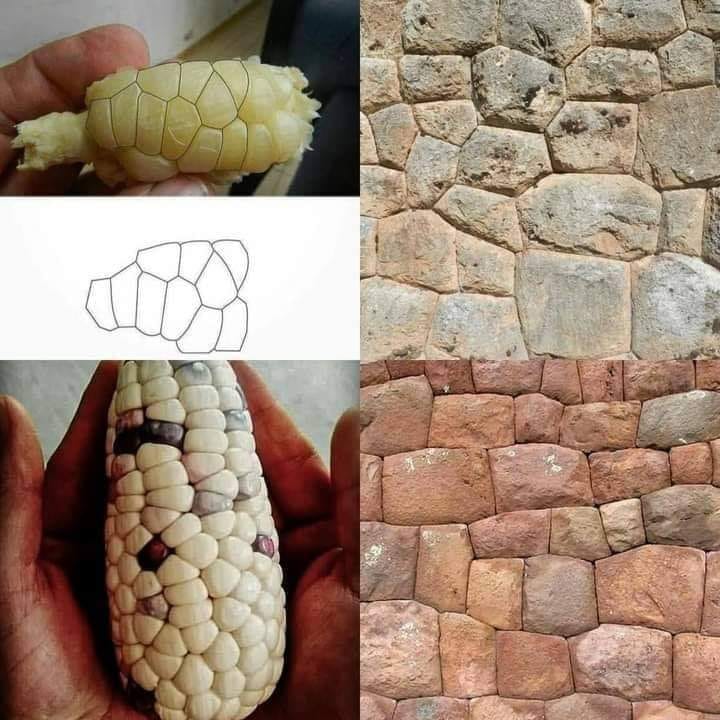
Inca and pre-Columbian architecture is directly related to the structure of the corn kernels. In western model of thought, one might judge the shapes as irregular. In Universal thought,everything is a correlation between cosmos, science, art&humanity.Fractal nature.Juan Casco
Serb women(the first 2 from Mušutište) in the center of Prizren in 1955.According to the costume,with a headband (prevez)&"komare",they are married women. The headband is without a "coin" &without parts with coins that covered part of the head and face;such prevez was banned 1951
The heroine of the Balkan and the First World War, the woman with most medals in the history of warfare, Milunka Savić, in folk costume in France in 1928.