Since the beginning of this year, eLife is no longer making accept/reject decisions at the end of the peer-review process; rather, all papers that have been peer-reviewed will be published on the eLife website as #ReviewedPreprints.
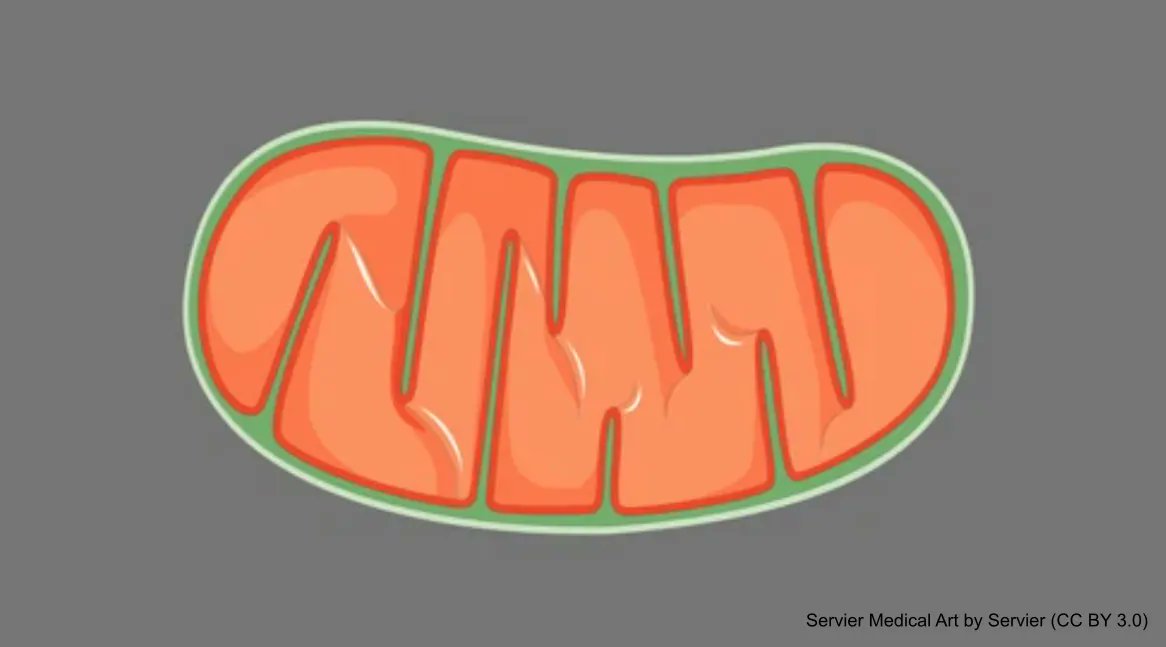
Assessing the role of genetic variation on mitochondrial and cardiac function and health – new #ReviewedPreprint by @KarthicK_PhD et al., with public reviews by @eLife.
https://t.co/fN85TVyqHT
No more accept/reject decisions after peer review: Since the start of this year, eLife is focusing on public reviews and assessments of preprints.
To stay up to date with the latest #ReviewedPreprints from @eLife, be sure to give them a follow too.
“This important study greatly expands our knowledge of the fossil record of Mermithid nematodes, modern members of which are ecologically important parasitoids of arthropods, annelids and mollusks today,” @eLife editors say about this #ReviewedPreprint
https://t.co/nittmgpdnH
Feeling overwhelmed by the growing number of scientific preprints?
Sciety can help! It aggregates evaluated preprints so you can easily find, save, and share what you're interested in.
Follow @ScietyHQ for daily preprint highlights.
The role of glutamine metabolism in stem cell fate:
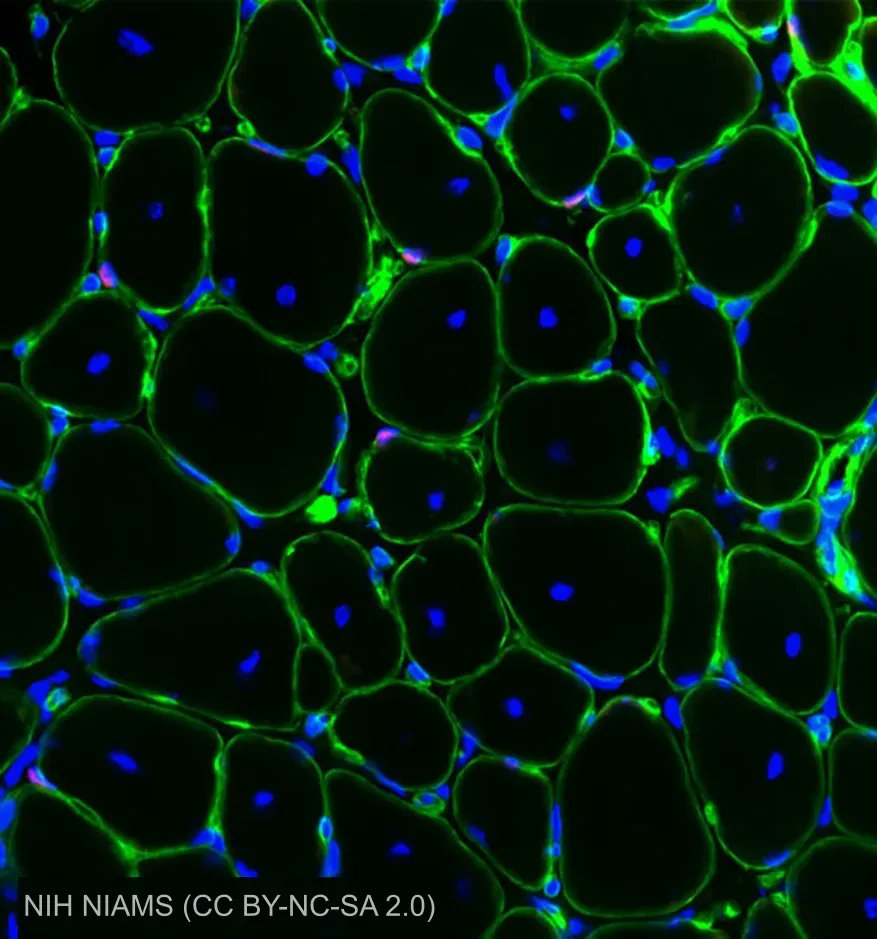
New #ReviewedPreprint by @michaeljxiao et al. explores the role of the metabolic sensory kinase PASK in the control of muscle stem cell differentiation.
https://t.co/eeFCejmjbz
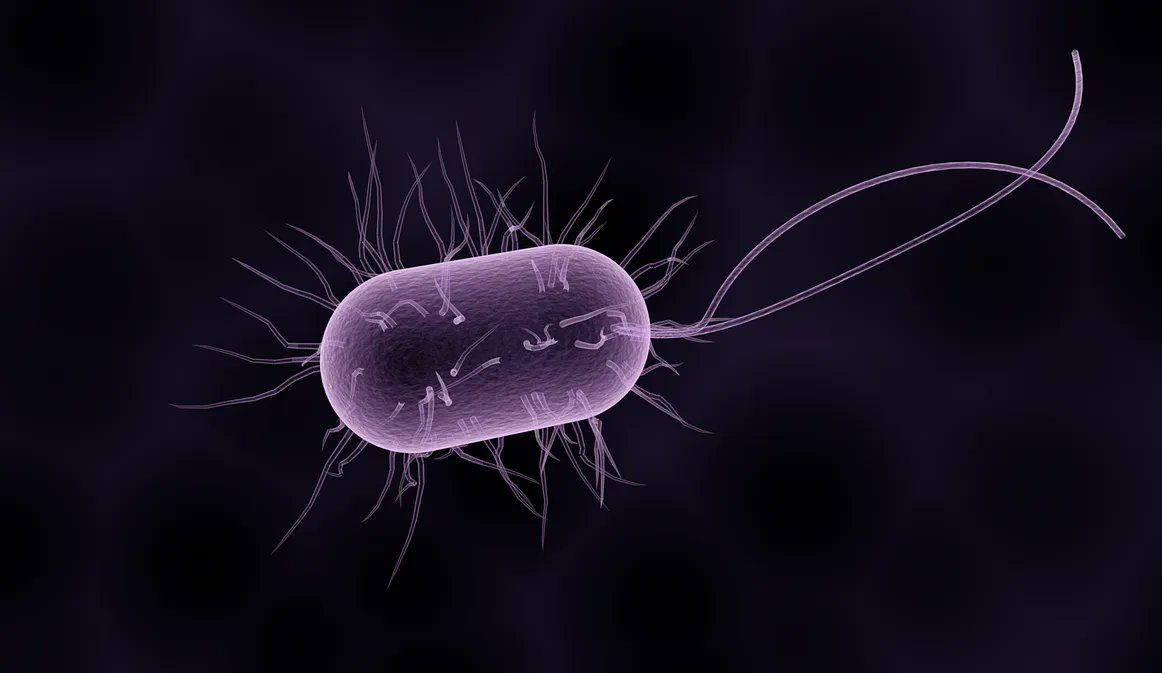
Newly revised #ReviewedPreprint provides valuable new information on the mechanisms by which Vibrio cholerae integrates and responds to environmental signals. https://t.co/OPn3BaBXVJ
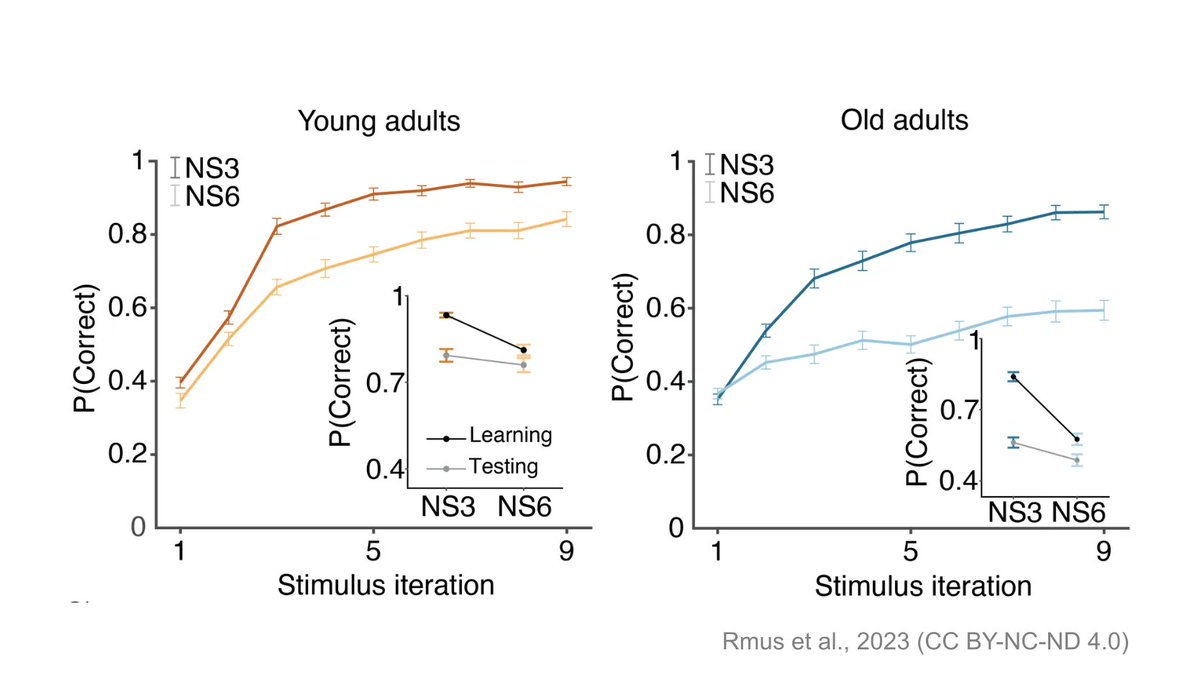
Learning deficits in older adults are largely due to an impaired working memory, new #ReviewedPreprint from the @NassarLab suggests.
Check out the public reviews by @eLife.
https://t.co/CKJt62OSpd
Looking for expert opinions on the latest preprints in your field?
Sciety brings evaluated preprints from across the web together in one place, helping you keep on top of the latest research in your field.
Follow @ScietyHQ for daily preprint highlights and public peer reviews.
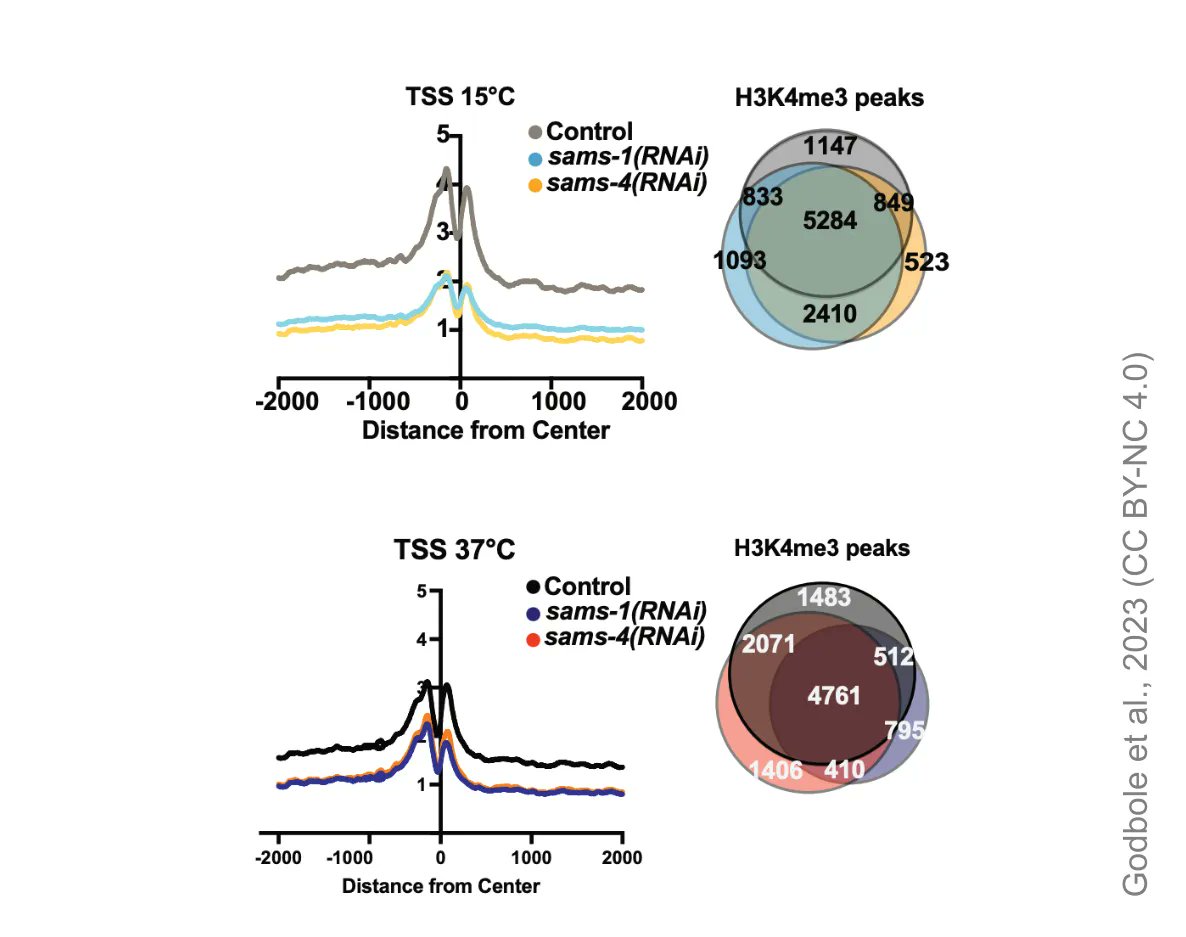
A novel layer of control of H3K4 trimethylation:
This #ReviewedPreprint suggests that different S-adenosylmethionine synthases contribute differently to H3K4me3 levels in C.elegans.
#epigenetics
https://t.co/R9KN7nxmye
#ReviewedPreprint suggests a conserved function for glutaredoxin genes in root cell elongation and drought stress resilience, affecting crop yield in a poorly studied crop. https://t.co/33V5f6Tdft
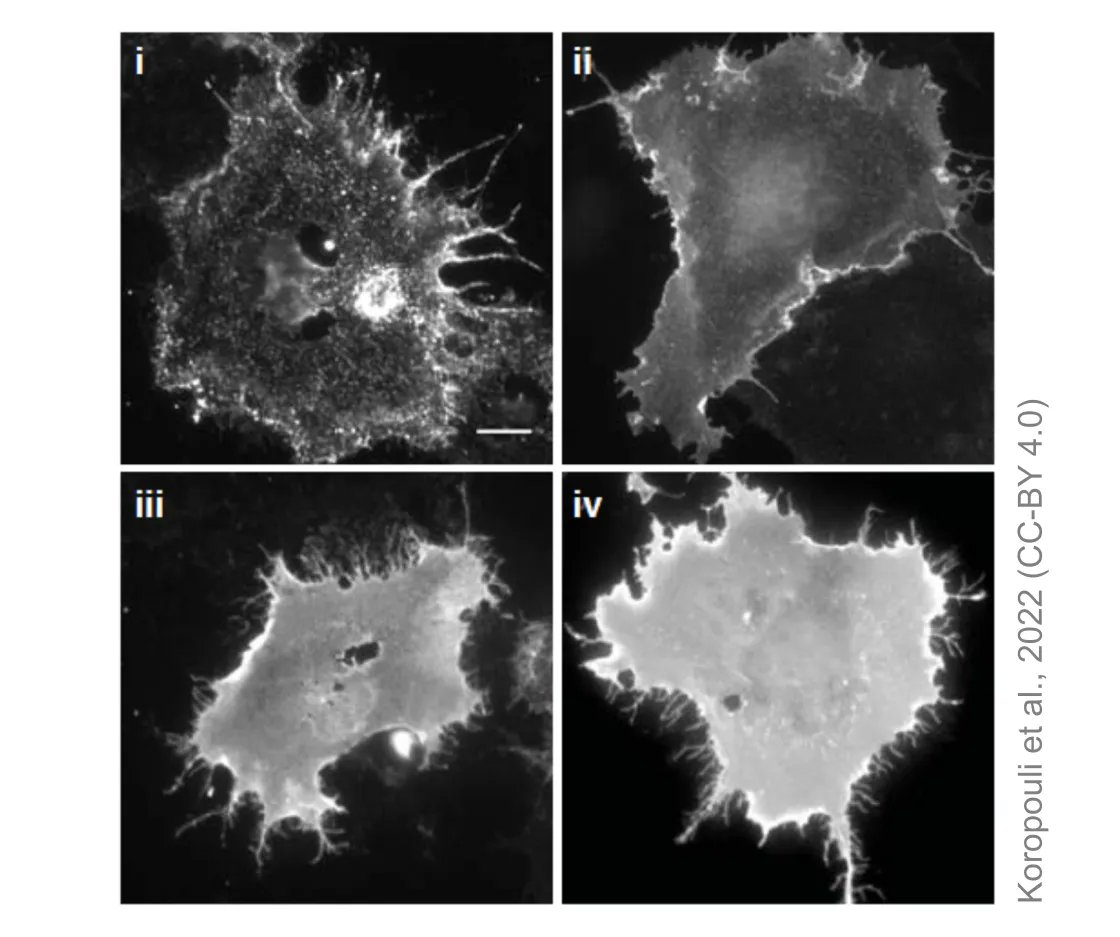
New #ReviewedPreprint provides mechanistic insight into how signalling receptors are targeted to distinct membrane locations, which in part confers their functional specificity.
https://t.co/Var6FQVAMC
@eLife@scietyHQ Thank you for following the PreprintReview channel. We look forward to having you along on our journey towards a more transparent and fairer way of publishing research.
Since the beginning of this year, eLife is no longer making accept/reject decisions at the end of the peer-review process; rather, all papers that have been peer-reviewed will be published on the eLife website as #ReviewedPreprints.
We encourage you to catch up on the latest #ReviewedPreprints over @eLife.
If you want to see more preprints and their public reviews, check out @ScietyHQ, which brings together evaluated preprints from across the web.
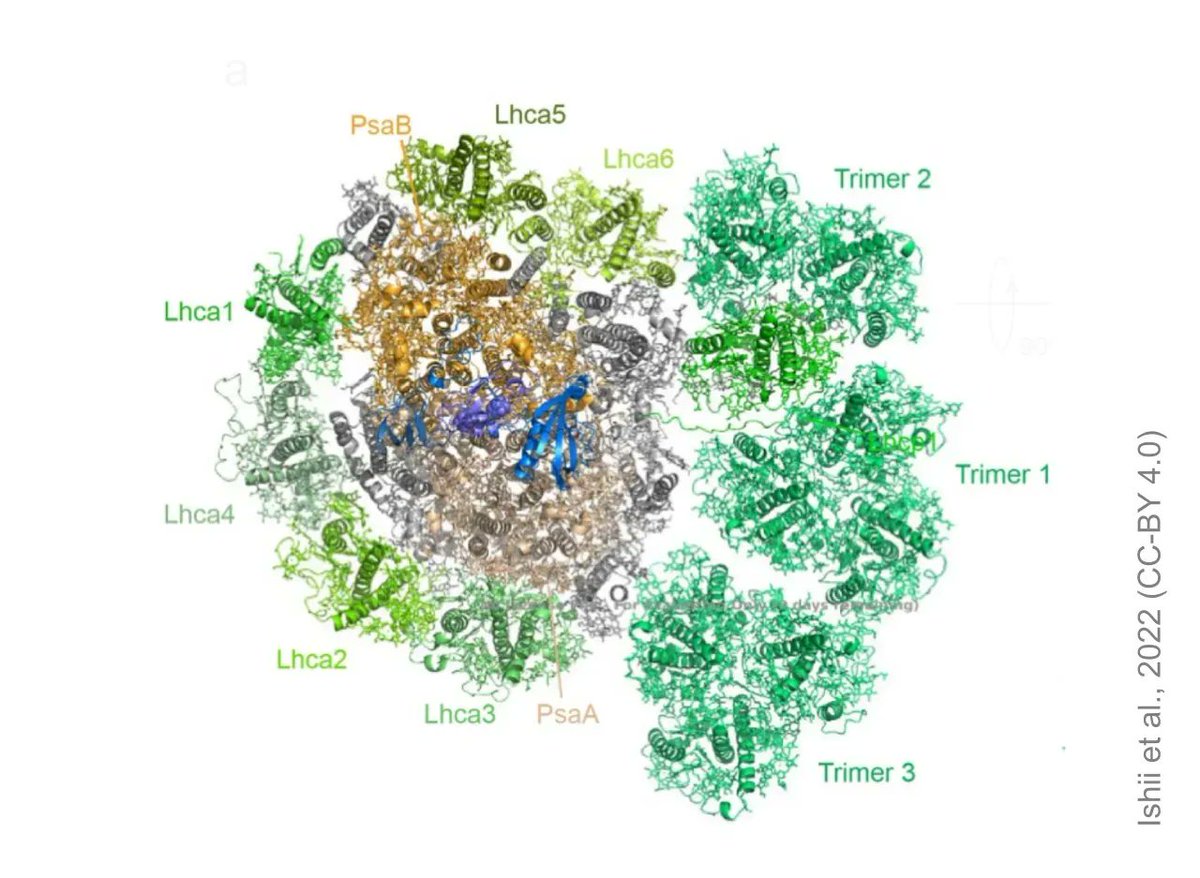
Presenting the first high-resolution structure of a photosynthetic complex from a primitive green alga – “an important contribution to our understanding of the diversity of photosynthetic mechanisms,” @eLife editors say about this #ReviewedPreprint.
https://t.co/DVq5u8H2PL
Do you need help navigating the preprint landscape?
Sciety aggregates preprints and their publicly available reviews into one place. Check out @ScietyHQ for daily preprint highlights or explore the platform here ⬇️
https://t.co/Q9rjxAutBx
Mutant mitochondrial proteins can 'clog' import channels, thereby contributing to pathologic mitochondrial and cellular dysfunction implicated in human disease, new #ReviewedPreprint by @Liam_P_Coyne et al. reports.
https://t.co/573MUyFJWt