A national group of organizations and individuals working together to prevent child and adolescent injury, the leading cause of death for American youth.
It's #NationalInjuryPreventionDay! We're here to help families, caregivers, and communities #BeInjuryFree by collecting and curating ready-to-use outreach materials on dozens of safety topics. Join us today—membership is free!
https://t.co/4WhGwaXDOf
https://t.co/vB3TLttkBv
Carbon monoxide (CO) poisoning spikes in the winter, so as you do your winter home prep, check or install CO alarms. A working alarm is the only way to know if carbon monoxide is in your home.
Install alarms:
➡️ On every floor
➡️ Near sleeping areas
➡️Following instructions
Children are natural explorers. Studies show that in 2 out of 3 medication exposures, the medicine was left
in a place a child could reach it. The best way to prevent poisoning is to put away each medication every time you use it. #StoreMedsSafe
Our medicine safety toolkit has tons of original materials and links to trusted resources to share with the people you serve or care for: https://t.co/aNEHRyrrha #StoreMedsSafe
Poison control centers receive thousands of calls a year about medicine exposures to children. To make sure you are ready in an emergency, add the toll-free, nationwide number for poison control into your phone: 1-800-222-1222. #StoreMedsSafe
Q6: What should parents do if they suspect their child has swallowed medicine, supplements, or vitamins they weren’t supposed to? What should people know about poison centers and the Poison Help Line? #StoreMedsSafe
Local take-back programs are the safest way to dispose of unneeded or expired medicines. Agencies like police departments and waste/recycling often host events, so check with your local government for options near you. #StoreMedsSafe
Visitors to your home might have medicines in items like purses, coats, and backpacks. Ask everyone who comes into your home to help protect your kids by putting anything containing medicine up and away.
Parents and caregivers: the best place to store medicines is in a lockable cabinet that your kids
can’t reach or a lockbox stored up, away, and out of sight. A lock protects everyone in the
house from unauthorized access. #StoreMedsSafe
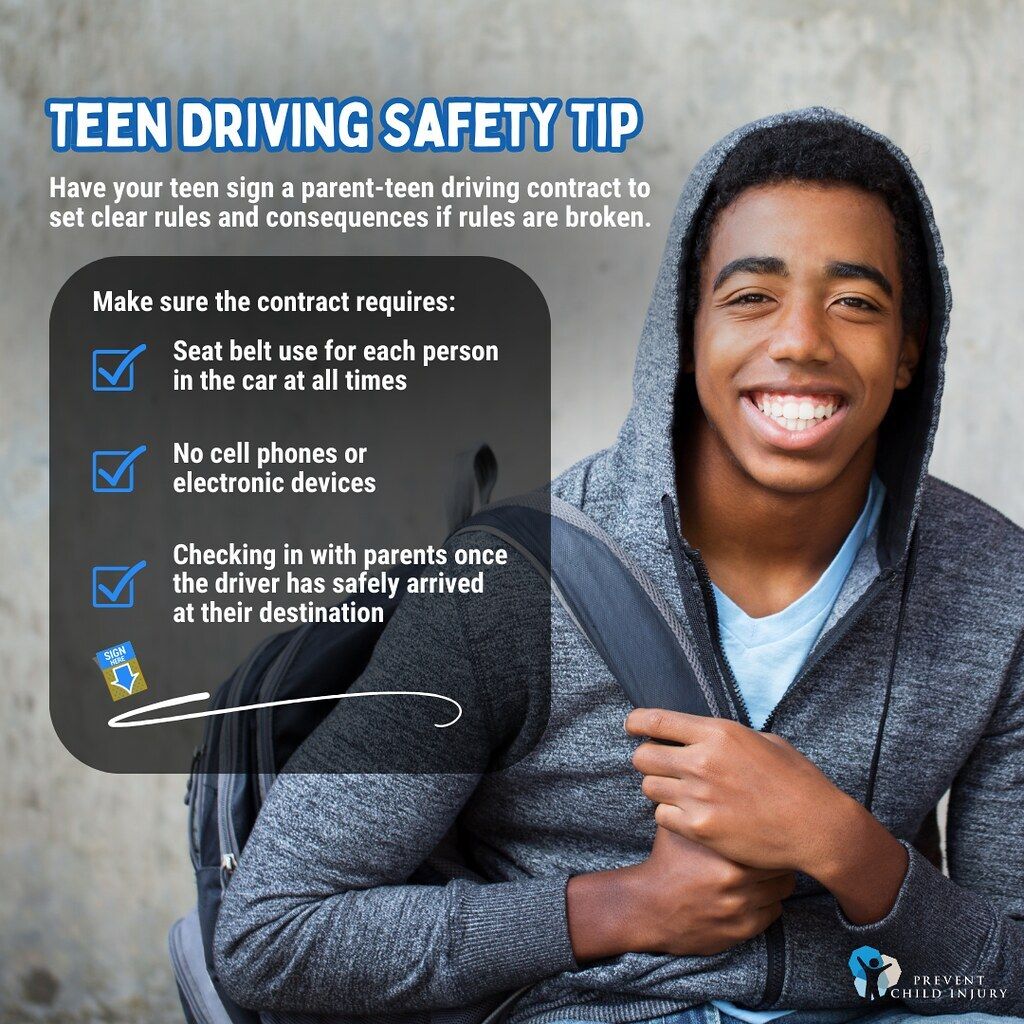
The first 12 months and 1,000 miles are among the riskiest driving periods in a teen’s life. Make it clear that you expect your teen to follow the #RulesForTheRoad. #TeenDriver#TeenDriverSafetyWeek
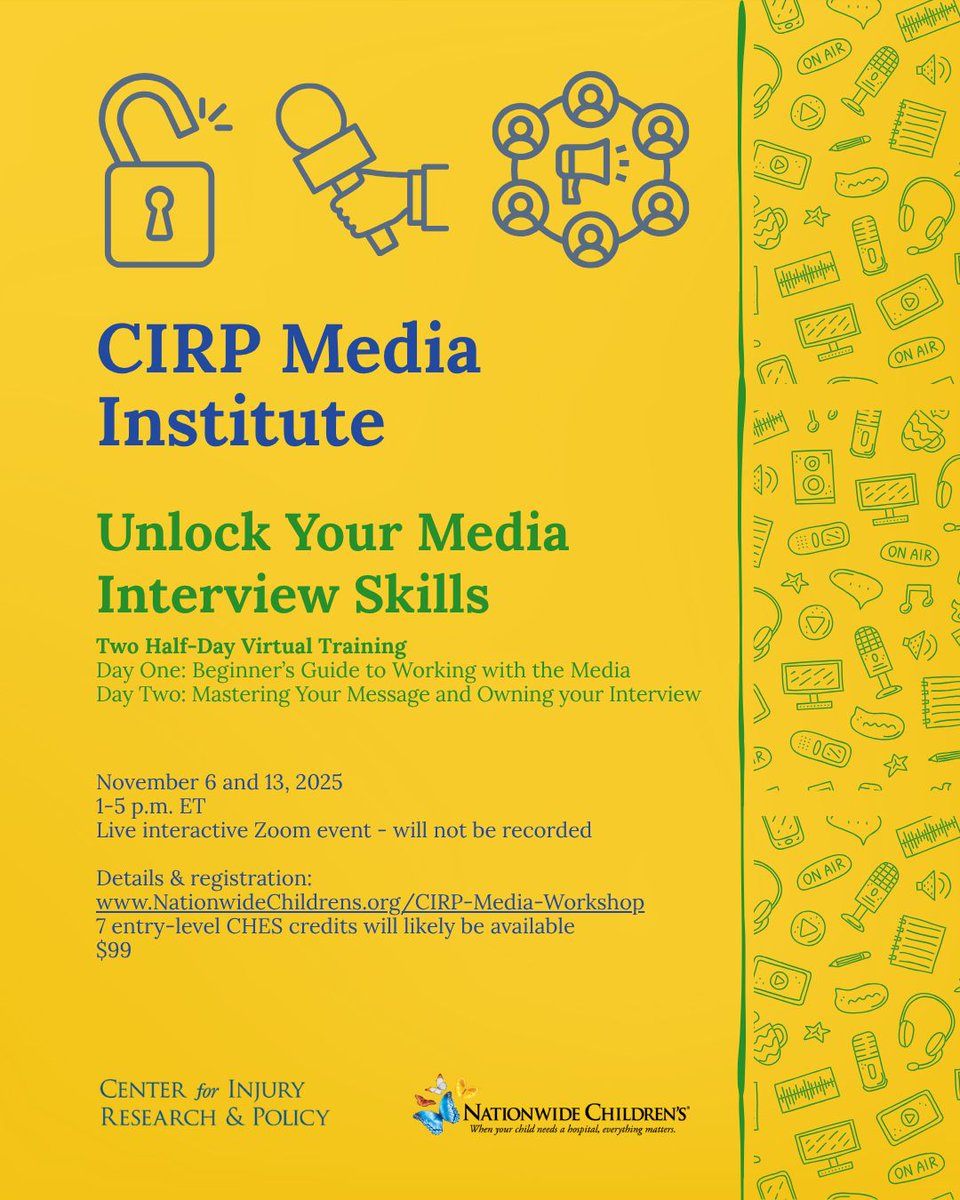
Effective communication has never been more important. Come learn the skills you need to share research, promote programs, and create safer, healthier communities through the media.
2-half-day CIRP Media Institute (Zoom)
Nov 6 and 13, 2025
1-5 p.m. ET
https://t.co/drvfMZMioy
It's Fire Prevention Week! We practice fire drills at work and at school, but have you practiced your home fire escape plan? Plan your routes, pretend it's a real fire, and aim for everyone to be out in two minutes or less.
More tips: https://t.co/A2W8rUCF7r #FirePreventionWeek
Booster seats before seat belts: too many kids are moved from their harness-style seats straight into seat belts. Keep them protected by using a booster seat until they're 4'7" tall. #childpassengersafetyweek
Farms can be wonderful places to grow up, but they're also active worksites with many risks and hazards. Give yourself more peace of mind by creating a fenced-in space for your kids and their friends to play.
https://t.co/QMXgNe11Xl
Not every kid will show the same signs of depression, anxiety, or other mental health challenges, so start the conversation by posting the 988 help line info in a place everyone can see it. Talk to your kids about why it's there and when to use it. https://t.co/pqR1S1wFFV #WSPD
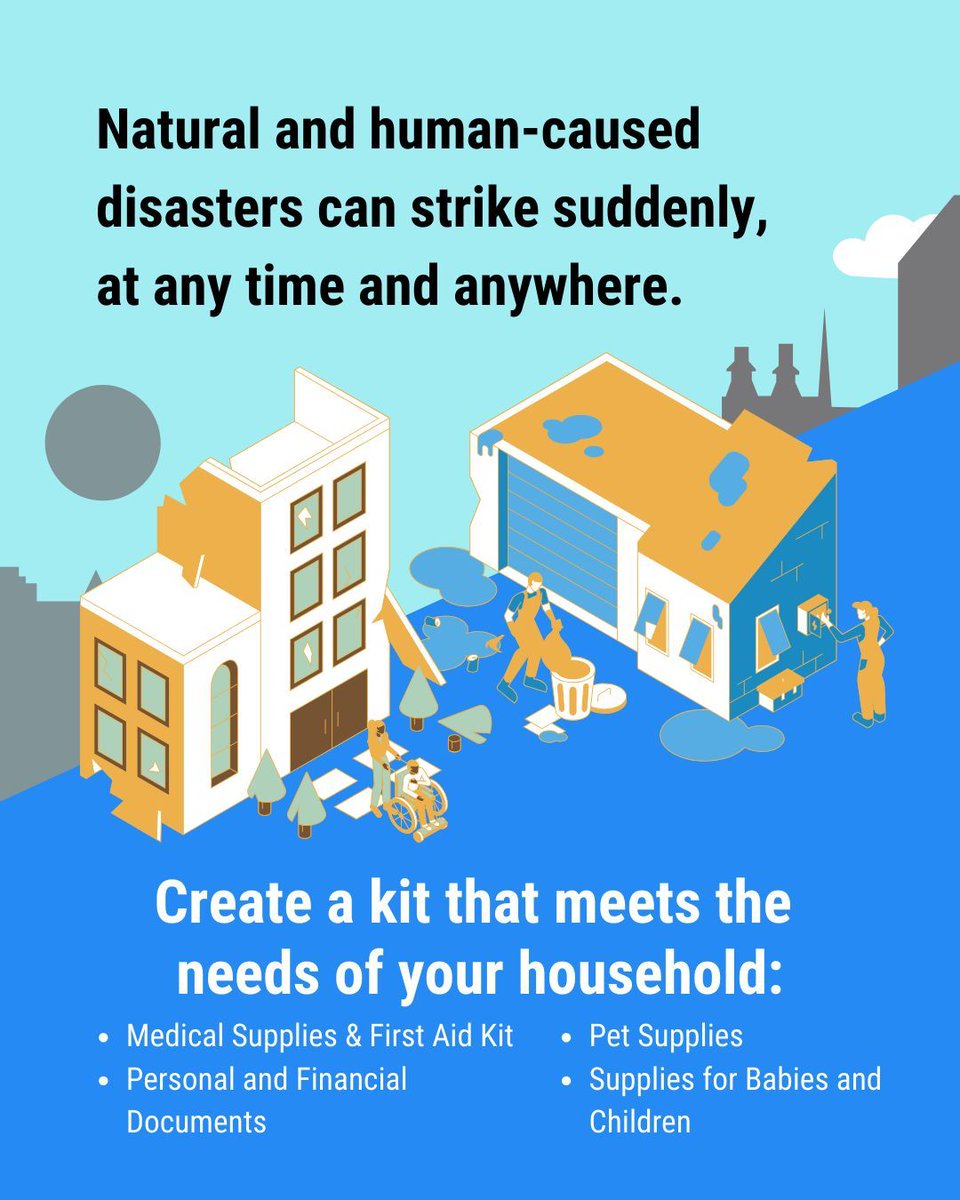
Are you ready? Disasters can happen any time and often lead to injuries. Keep your family safer with an emergency kit that meets your specific needs. Go to https://t.co/Wa1lh7RWX9 for a checklist and more ways to honor National Preparedness Month.
We're seeing more golf carts on the streets, in parking lots, and in the school drop-off line. Low-speed does not equal low-risk, and car seats aren't properly tested for safety on golf carts, so use these tips to keep your kids (and everyone) safer.
A life jacket is not a substitute for active, close supervision around water, and supervision doesn't replace a life jacket. Use a U.S. Coast Guard-approved jacket and other layers of protection every time your kids are in or around water.
https://t.co/CaTGGJvmml
Your kids might need more water than you think to stay hydrated, especially on hot days. Playing at the park may not bring the same level of intensity as sports, for example, but if your child is sweating, make sure they are drinking enough water.
https://t.co/bwh4JZjuj3
Get off my lawn! The lawn is a dangerous place to be when it’s being mowed, so send kids inside with another adult or to the backyard if you are mowing the front yard (and vice versa). When you're done, put the mower away so it can cool down out of the reach of children.