Your stomach acid is stronger than a dog’s or a wolf’s — and it was built to destroy meat.
Most people think dogs and wolves have the toughest digestive systems. After all, they are carnivores that eat raw meat and bone. But the science says otherwise. When scientists measured stomach acid, humans came out with the lowest pH of the three. In one careful study, fasting human stomachs averaged about 1.1, while dogs averaged 1.8. Wolves are estimated around 1–2, but the data on them is limited. Humans consistently show the most acidic stomachs among these animals.
That very low pH is not random. It is the perfect environment for digesting protein. At a pH of about 1.5 to 2, stomach acid does two big jobs. First, it unfolds proteins so they are easier to break apart. Second, it turns the inactive enzyme pepsinogen into active pepsin. Pepsin then cuts the long protein chains into smaller pieces. This works especially well on the proteins found in meat, eggs, and dairy.
Dogs and wolves handle meat fine, but their stomach acid is often less consistently low than ours. Human stomachs stay powerfully acidic in the fasting state and are optimized for the kind of protein digestion that happens when you eat animal foods. The same acid also kills many bacteria that can ride along with food.
In short, the lowest pH stomach acid is best for digesting proteins — and humans have some of the lowest among dogs, wolves, and people. That is not an accident of evolution. It is a digestive system ready for meat.
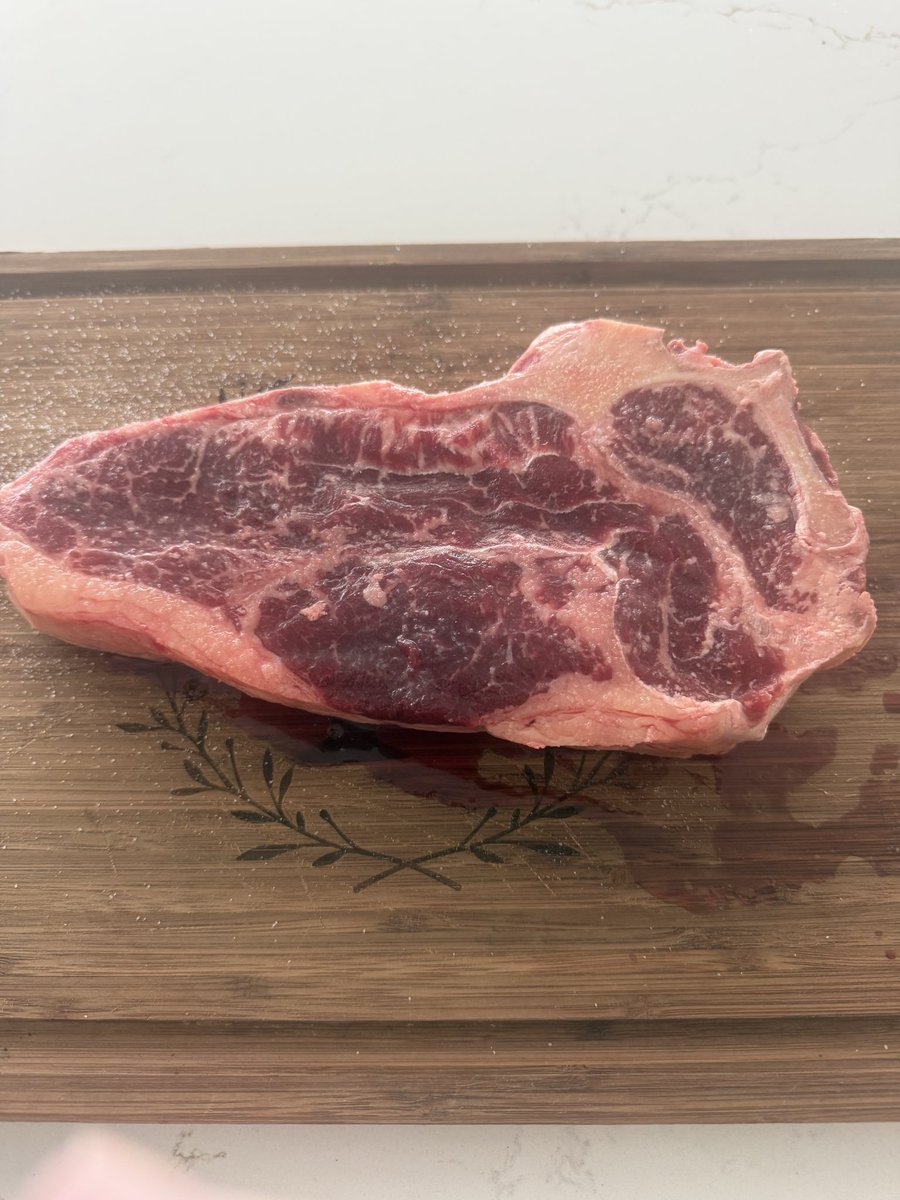
Eat a pound of beef a day, every day for a year, and one animal dies. One bullock, two years out on grass, a bolt to the forehead and gone before the sound reaches him.
Eat a pound of pork a day for a year and 3 pigs die. Most go down a lift into a pit of carbon dioxide. It burns the nose and throat, they fight to climb out, and it takes the best part of a minute to put them under.
Eat a pound of lamb a day for a year and 8 lambs die. Stunned, cut, done inside a second.
Eat a pound of salmon a day for a year and 55 fish die, plus the sardines they were fed. The lucky ones are clubbed. The rest have the gills cut while awake, or are gassed, and fight it for up to nine minutes.
Eat a pound of chicken a day for a year and 75 birds die. Hung upside down by the legs on a moving line, dragged head first through an electrified bath, then the blade. Some arch their necks, miss the water, and meet the blade awake.
Eat a pound of prawns a day for a year and 15,000 die. In the trawl they are crushed and left to asphyxiate on the deck. In the farm, their mother has her eyestalk cut off to make her lay.
Eat a pound of bread a day for a year and nobody can give you a number. Field mice, voles and nesting birds go through the combine in July. In Germany alone the mowers cut around 90,000 roe deer fawns in half every May. Round the grain store the rats take the poison and bleed to death inside for a week.
Eat a pound of rice a day for a year and the paddy is flooded, drained and sprayed, and everything in the water goes with it. Frogs, fish, snakes, the lot. Then the stubble is burned.
The bullock had a number on an ear tag and a man who checked on him every morning.
The field mouse had a combine.
The only animal on the list that was looked in the eye before it died is the one you have been told to feel guilty about.
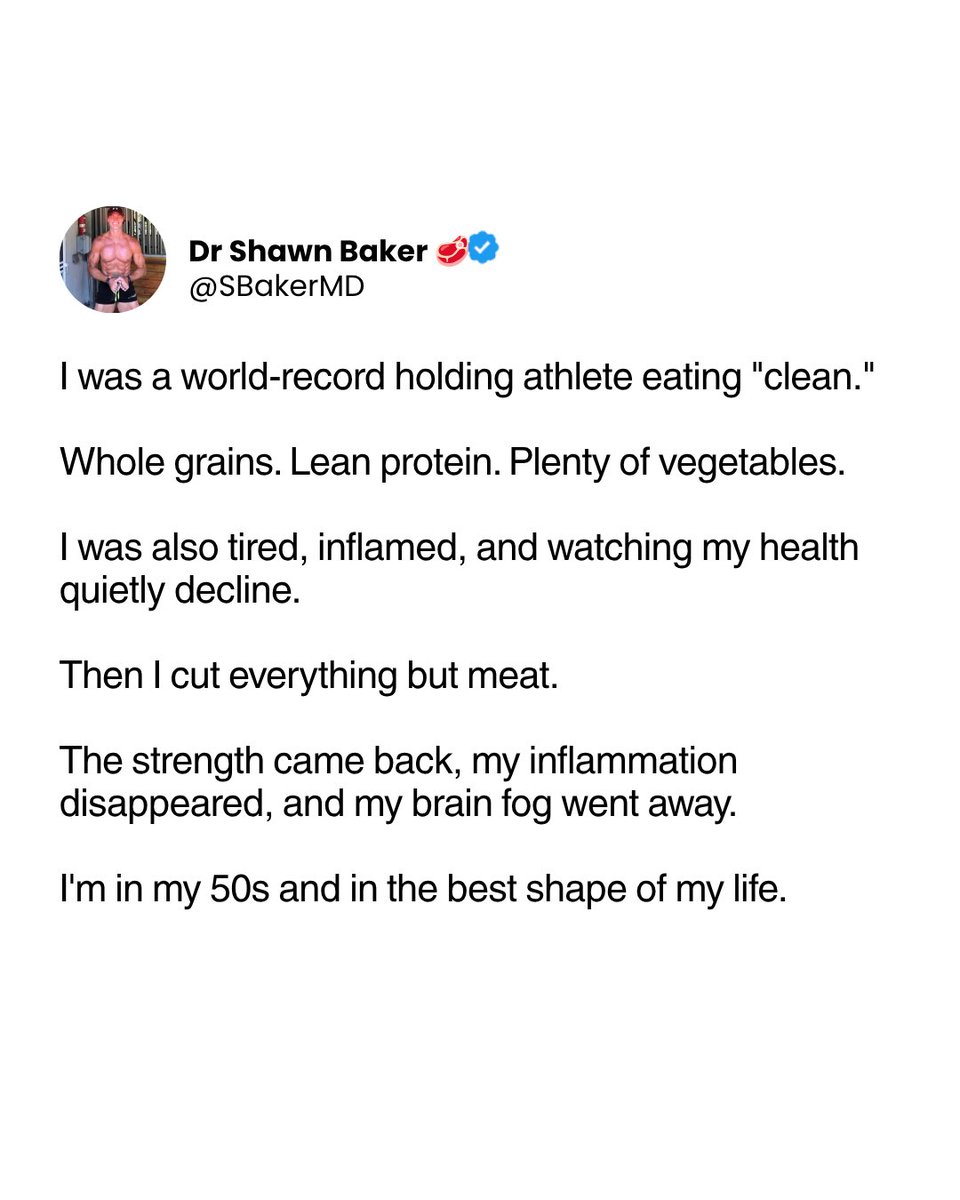
Just interviewed a medical doctor that had suffered for 30 years with ulcerative colitis.
Was given pills for decades and told that diet had nothing to do with inflammatory bowel disease.
Eventually she went on a specific carbohydrate diet and then a keto diet and saw improvement
In 2022 she went carnivore, gave up the keto vegetables and finally became completely symptom free and off all medications
I am always amazed at how ridiculous it is for a gastroenterologist to state that diet has zero to do with a gastrointestinal disorder like inflammatory bowel disease. It literally sounds idiotic to believe so. But I guess when you get paid to do 30 endoscopies a week, lifestyle medicine makes zero financial sense.