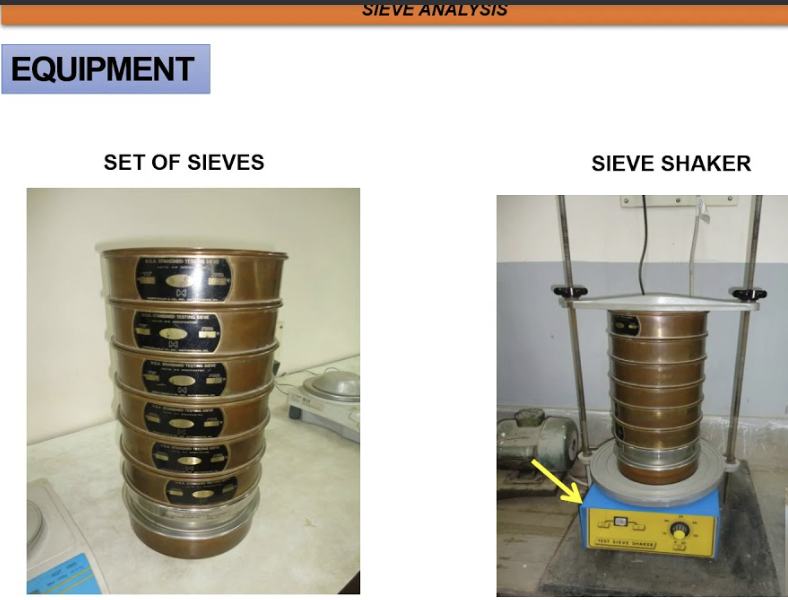
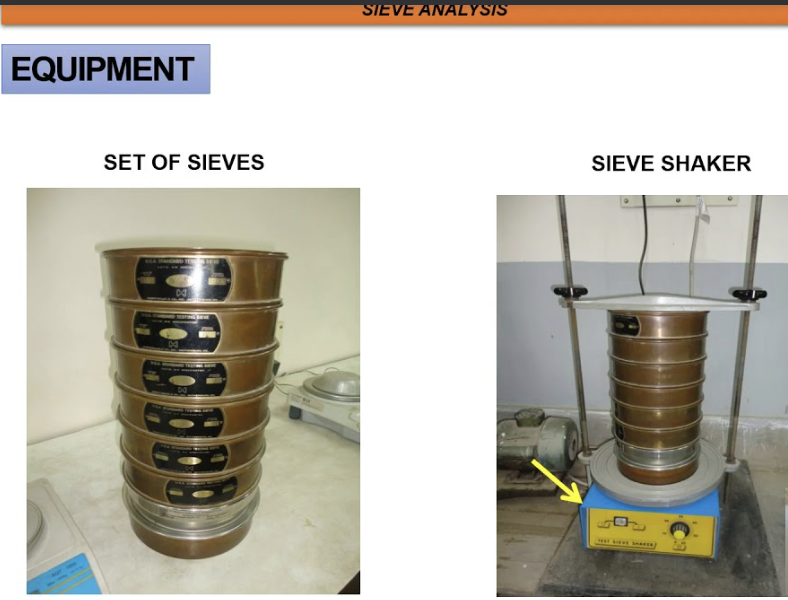
Prime Process Safety Center is experienced in conducting Particle Sieve Analysis.
Contact us today!
+1 (346) 462–3838
[email protected]
https://t.co/rjYHSkRYB9
https://t.co/6kMPGhrtD2
https://t.co/gQJ6z4ZF6m
https://t.co/AUjK3u7nYQ
#PrimeProcessSafety#processsafety
When should you conduct a Particle Sieve Analysis?
Particle Sieve Analysis is a technique used to determine the distribution of particle sizes in a granular material, using a series of sieves with progressively smaller openings. It is used to discover the size distribution of
and other granular substances. It helps in quality control, material classification, and in selecting appropriate materials for specific applications, based on their size distribution.
Click the link below to explore more:
https://t.co/91aQNMeK7B
regarding process safety investments.
Click the link below to explore more:
https://t.co/ObaV8A9aJn
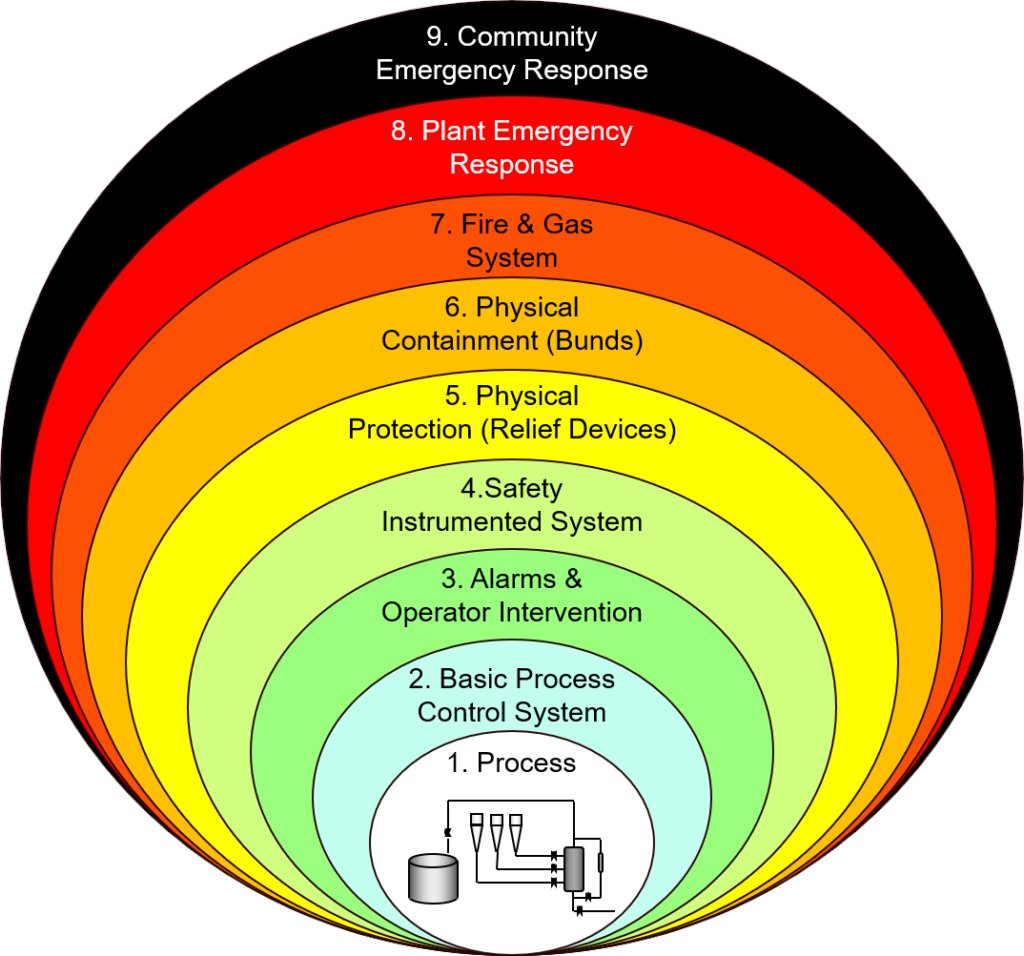
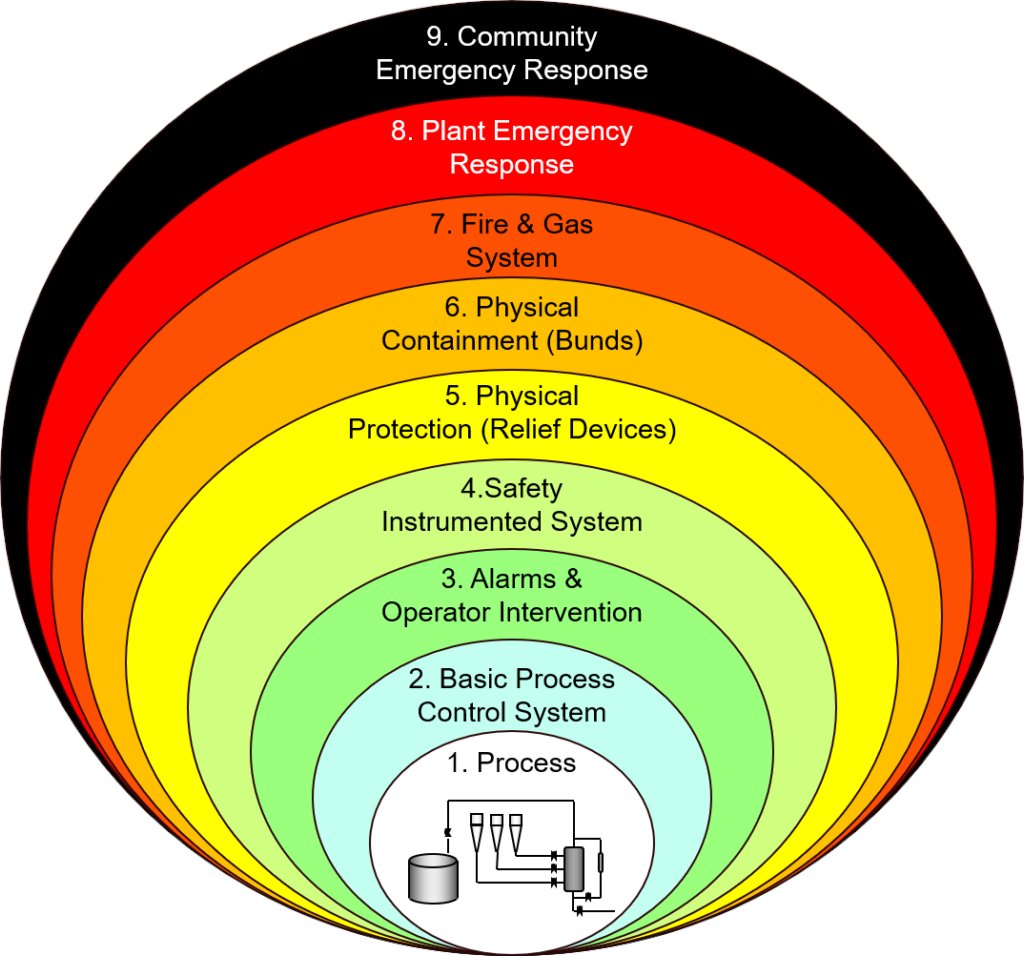
Prime Process Safety Center is skilled in conducting LOPA .
Contact us today!
+1 (346) 462–3838
[email protected]#PrimeProcessSafety#LOPA#processsafety
When should you conduct a Layer of Protection Analysis (LOPA)?
Layer of Protection Analysis (LOPA) is a semi-quantitative, methodical risk management technique used to assess and control risks associated with hazardous processes; by evaluating the risks of scenarios and
determining if existing safety measures are adequate, or if additional measures of protection are needed.
Performing LOPA helps bridge the gap between qualitative risk assessments and more complex quantitative methods, providing a clear, understandable basis for decision-making
Layer Ignition Temperature of Dust (LIT)
Need to test for LIT? Let Prime Process Safety Center handle it!
The Layer of Ignition Temperature or the Minimum Ignition Temperature of a dust layer is the lowest temperature at which a settled layer of dust will catch fire due to heat
and storage conditions to prevent potential dust-related fires.
Click the link below to explore more:
https://t.co/IvCc9BYxpY
Contact us today for all your LIT needs!
+1 (346) 462–3838
[email protected]
Minimum Ignition Energy (MIE)
The minimum ignition energy is the lowest amount of energy required to ignite a flammable material in air or oxygen.
MIE is performed when assessment of likelihood of ignition during powder handling is required and has specific application for the
materials are to ignition sources such as electrostatic discharge and mechanical sparks.
Click the link below to explore more:
https://t.co/cLYFabBXfv
At Prime Process Safety Center, our expert consultants can handle all your MIE needs.
Contact us today!
+1 (346) 462–3838
regulations and standards.
Click the link below to explore more:
https://t.co/MI7S5vlIoo
Prime Process Safety Center is experienced in conducting Hazard and Operability Studies.
Contact us today!
+1 (346) 462–3838
[email protected]#processsafety#primeprocesssafety
When should you conduct a Hazard and Operability Study (HAZOP)?
Hazard and Operability Studies (HAZOP) are a systematic and structured approach to identifying and evaluating potential hazards and operational issues in industrial processes.
helps in pinpointing deviations from normal operations that could lead to safety incidents, environmental harm, or operational inefficiencies. This proactive analysis not only enhances the safety and reliability of industrial operations but also ensures compliance with safety
Need to conduct a Limiting Oxygen Concentration (LOC) Test? Let us handle it!
The Limiting Oxygen Concentration (LOC) for combustible dust refers to the minimum oxygen level in the air at which a dust explosion or combustion involving the dust cannot be sustained, even in the
intervals, especially during new material introductions, regulatory compliance checks, and incident reviews, helps in ensuring workplace safety and preventing potential fire or explosion hazards associated with combustible materials.
Click the link below to explore more: