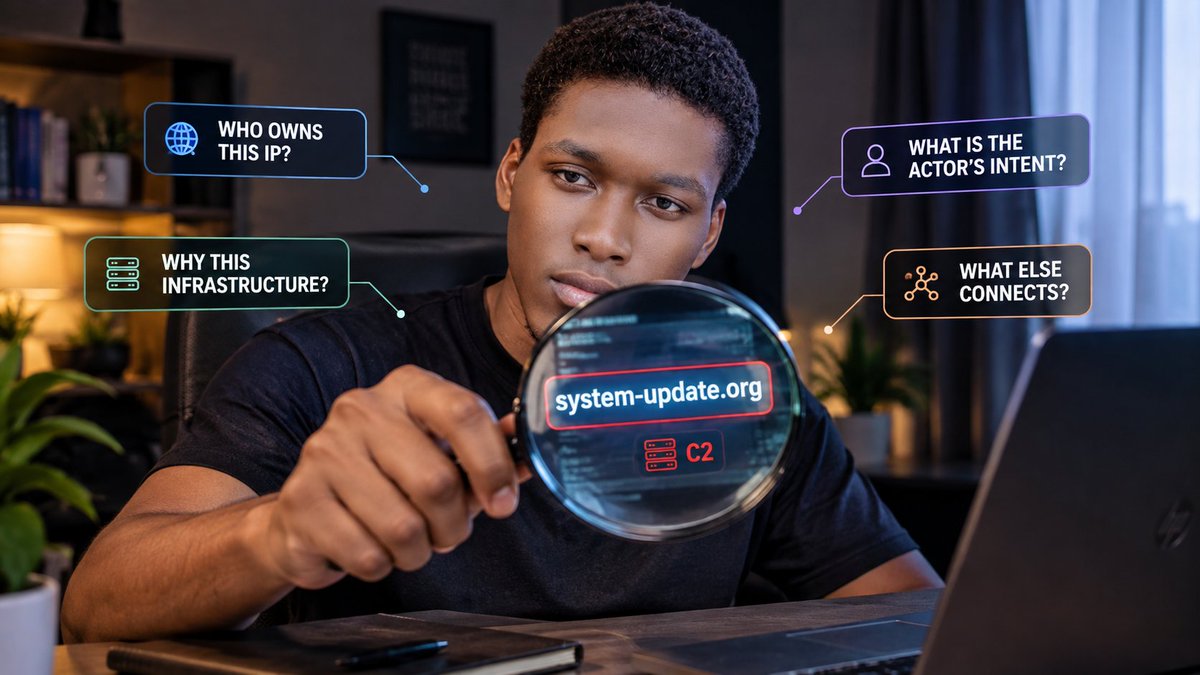
4️⃣ It is about understanding the evidence, the gaps, and how confident you should actually be.
Check the full investigation + evidence breakdown:
https://t.co/wYZdFcsw9r
I thought IOC analysis was mostly about collecting indicators.
This lab changed that.
I investigated a simulated threat actor campaign and started asking:
- Why these domains?
- Why this infrastructure?
- What does the pattern tell us about the actor?
@_DeejustDee
3️⃣ I then correlated the infrastructure with malware metadata, persistence mechanisms, TTPs, victimology and operational timing.
The combined evidence supported an APT28 attribution hypothesis at Medium Confidence.
But attribution is not just about finding a name.
2️⃣ The naming also appeared designed to blend malicious traffic into legitimate enterprise activity.
The IOC was no longer just an indicator. It was a clue to the actor's decisions.
That is where the investigation got interesting.
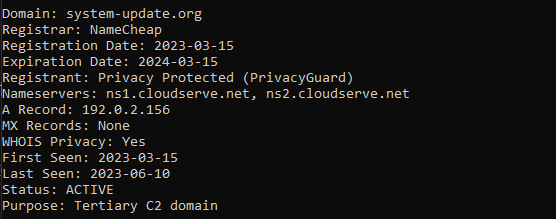
The domains used names like:
update, verify, check and secure
At first, they looked ordinary.
But several domains shared infrastructure characteristics, including nameservers and C2 IPs.
Learning SOC analysis gives you a different perspective on how attackers think.
That's an advantage when you get into ethical hacking.
Because why u go route traffic to "system-update,org"?
What do you want the SOC analyst to think?
“Oh, just another system update” 😂
Threat actor profiling helps organizations prioritize security spending based on the capabilities of the adversaries they actually face.
Defending against APTs may justify investments in advanced EDR solutions while stopping script kiddies might require basic security.
#cyber