Quiero anunciar que he dejado de pertenecer a @MovistarPlus , una empresa a la que he estado vinculado durante 36 años, exactamente desde el 15 de septiembre de 1990. Ha sido la empresa de mi vida, le tengo y tendré siempre un aprecio de gratitud familiar.
Au final, la meilleure équipe que j'ai vu contre la France depuis le début de la compétition, c'est le Sénégal. Ils ont bousculé les Bleus sur 45 minutes. Et même la Belgique sur 85... Les Lions ont flingué leur tournoi. Clairement.
Madame Celeste Amarilla,
Vous êtes une femme méprisable et indigne de sa fonction.
Vous ne représentez pas le Paraguay, ce pays qui a transpiré la passion et l’honneur tout au long de la compétition. Par votre inconscience et votre racisme décomplexé, le monde entier a déjà oublié le parcours et l’effort historique que vos joueurs ont réalisés durant cette coupe du monde pour laisser place à une dame incompétente donnant la pire image possible de son pays.
Je ne laisserai jamais aux gens comme elle, la liberté de laisser propager leur haine et leur racisme à travers le monde.
Historical World Cup for African teams. 🌍✊🏿
✅🇿🇦 South Africa
✅🇨🇻 Cape Verde
✅🇨🇮 Ivory Coast
✅🇲🇦 Morocco
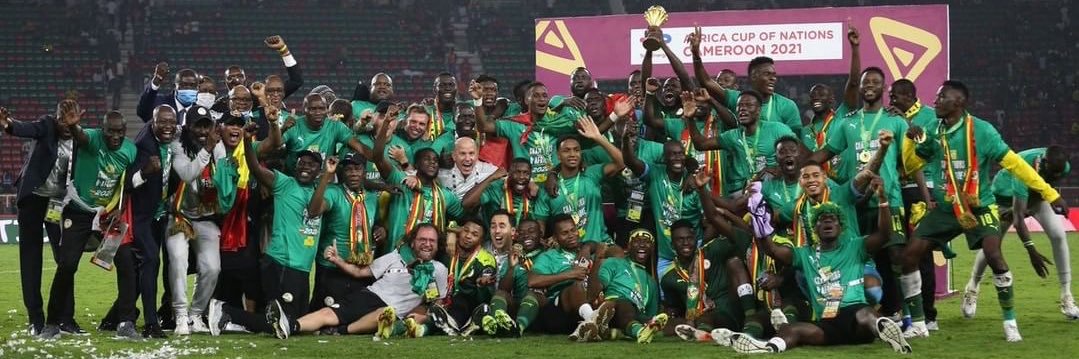
✅🇸🇳 Senegal
✅🇬🇭 Ghana
✅🇪🇬 Egypt
✅🇨🇩 RD Congo
✅🇩🇿 Algeria
❌🇹🇳 Tunisia
9️⃣/🔟 teams have qualified to World Cup Round of 32 👏🏾✨
Senegal is becoming a perfect case study of what happens when revolutionary politics finally meets the realities of governing.
It’s easy to unite people against a system.
It’s much harder to run the economy, negotiate debt, satisfy voters and still maintain the purity of the movement.
A lot of liberation-style movements in Africa struggle once they transition from opposition to government because charisma and slogans eventually collide with budgets, IMF pressure and state institutions.
That’s exactly what we’re watching in Senegal right now.
In a system where the officiating and VAR failed to provide a fair contest, the walk-off served as a manual override.
By stopping the game for 17 minutes, Senegal broke the momentum of bias.
It forced the world to look at the screen. It effectively iced the kicker.
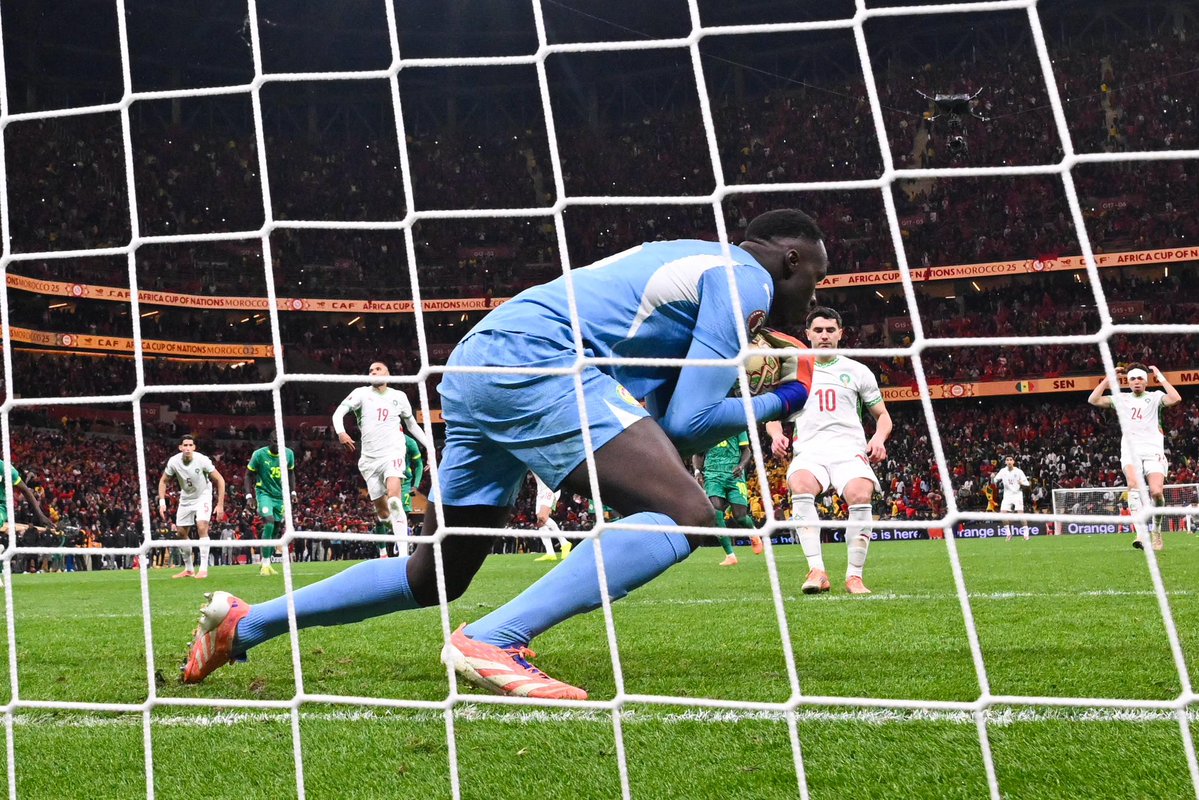
Brahim Díaz’s subsequent missed Panenka is blamed on the delay, but a supporter would say the delay simply restored the natural pressure of the game that the referee’s bias had tried to remove.
Banning Senegal from the World Cup for this would be the ultimate gaslighting by FIFA.
Senegal was the team that had a goal wrongly disallowed. Senegal was the team that faced a dubious last-minute penalty.
To ban the winners of the tournament because they dared to protest a systemic breakdown is essentially FIFA saying: You must sit there and let us take the game from you, or we will destroy your future.
Critics call the walk-off shameful, but the team actually returned and won.
They didn't forfeit; they protested, regrouped under Sadio Mane's leadership, and proved they were the better team by winning in extra time.
A ban would punish a team for a 15-minute protest that they self-corrected, while the refereeing errors that caused the chaos would likely go unpunished.
If FIFA bans Senegal, they aren't protecting integrity; they’re protecting incompetence.
Senegal didn't walk off because they were losing—they walked off because the officiating was an insult to the sport.
They came back, they faced the penalty, and they won on the pitch.
Banning a team for refusing to be robbed is just FIFA admitting they care more about optics than fair play.