The "Sound Toons" by Facebook’s The Minneapolis Sound!
“Sound Toons” fits the page format: short, rhythmically assembled videos in which sound and image reinforce each other — interviews, concert snippets, studio stories, sometimes almost cartoonish or heavily stylized by the editing. They are not official Prince estate productions, but fan curation: fragments from documentaries, TV performances and conversations with Revolution members, Pepe Willie or others, often tagged via Visual Resolution / Synesthesia Multimedia.
The effect is recognizable to @Prince fans: a few minutes in which an anecdote about First Avenue, @PaisleyPark, or an underrated song suddenly comes back “on.” Not a full documentary, but a tone that fits the name — synesthesia as the idea that sound gets color and movement.
Releases:
Part 1: Released on April 17, 2025
Part 2: Released on April 24, 2025
Part 3: Released on May 02, 2025
NAME THAT FAVORITE TRACK! 54 YEARS AGO TODAY, Stevie Wonder released his epic 15th album Talking Book. He had just turned 21 and completely restructured his contract with Motown giving him unfettered creative freedom. The content was also his most adult to date including covering his collapsing marriage to Syreeta Wright (You Are the Sunshine of My Life and Blame It on the Sun) and even political commentary (Superstition and Big Brother).
The album would kick off a run of legendary albums including Innervisions, Fulfillingness' First Finale, and Songs in the Key of Life. All back to back. But this album started that historic period of Stevie Wonder's career where the world was at his command.
1. You Are the Sunshine of My Life (2:58)
2. Maybe Your Baby (6:51)
3. You and I (We Can Conquer the World) (4:38)
4. Tuesday Heartbreak (3:02)
5. You've Got It Bad Girl (4:56)
6. Superstition (4:26)
7. Big Brother (3:34)
8. Blame It on the Sun (3:26)
9. Lookin' for Another Pure Love (4:44)
10. I Believe (When I Fall in Love It Will Be Forever) (4:51)
Prince Teases “Ruff Enuff” With Playful 2015 Tweet.
On October 26, 2015, at 23:28:35 GMT, Prince (@prnlegacy) posted: “IF U’RE https://t.co/yI34exSrsa RUFF ENUFF : )”
The short link led to an Associated Press story on the previous night’s party at Paisley Park. Hundreds of fans paid $10 to jam with Prince and his band until 3 a.m. on October 24. He performed classics, traded licks with Donna Grantis, and debuted a new James Brown-style funk number he was still writing. Reports from the show noted a call-and-response and the line “are you rough enough.”
That phrase became the chorus of “Ruff Enuff,” later released in January 2016 as a Mono Neon Tidal track produced by Prince (with Kirk Johnson on drums and Adrian Crutchfield on sax/vocals). The October tweet was classic Prince: playful, abbreviated, and quietly promotional. By sandwiching the article between “IF U’RE” and “RUFF ENUFF,” he winked at fans who had just seen the song live while nodding to the growing openness that marked his final year.
The post drew 146 likes and 43 reposts. One reply captured the spirit: “Oh I’m Ruff Enuf,,,I just ain’t rich enuf to fly their rite now!!” https://t.co/C5WnHqEH1q
#PrinceOnThisDay
Prince Endorses Judith Hill Live Review on Twitter, October 26, 2015.
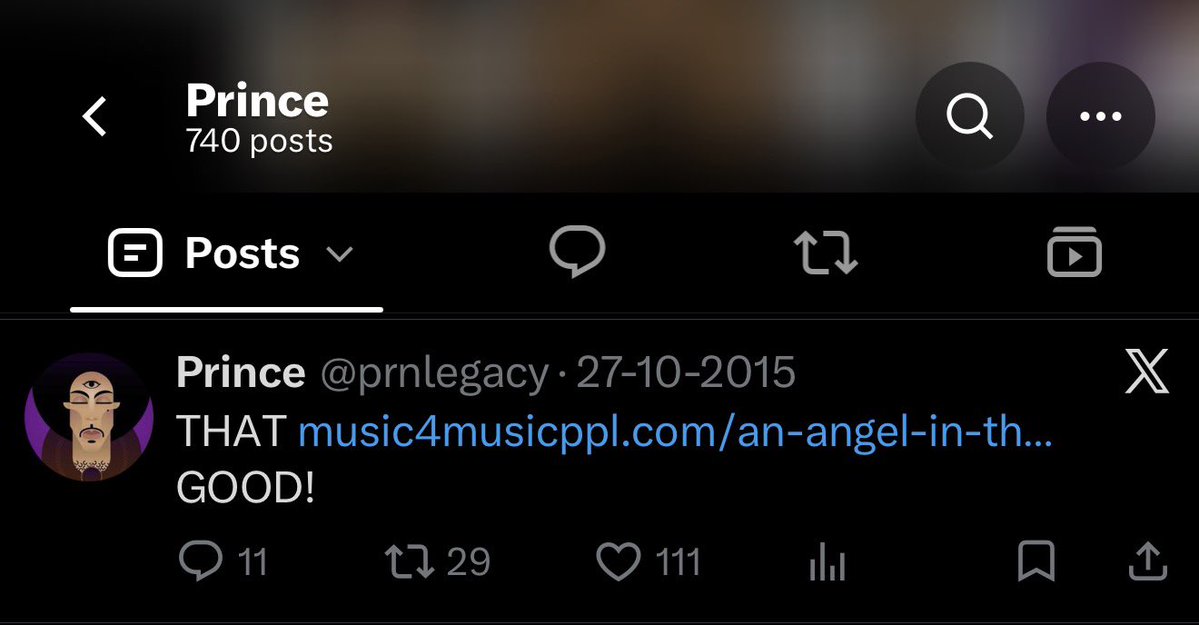
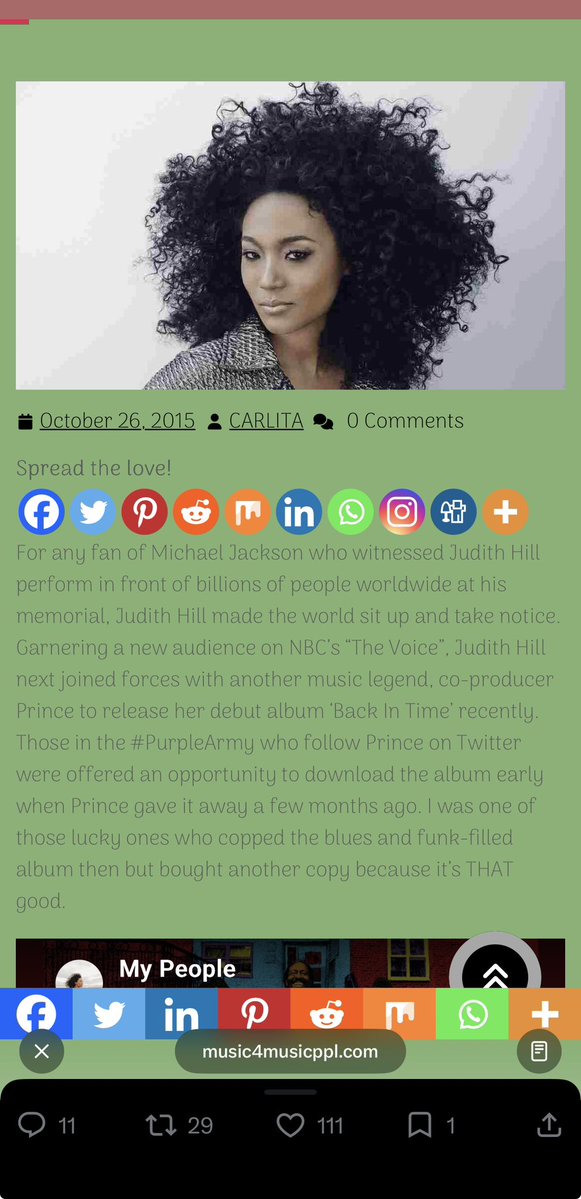
On Monday, October 26, 2015, at 23:14:29 GMT, Prince (@prnlegacy) posted a concise endorsement: “THAT https://t.co/Me4enOv9ZS GOOD!”
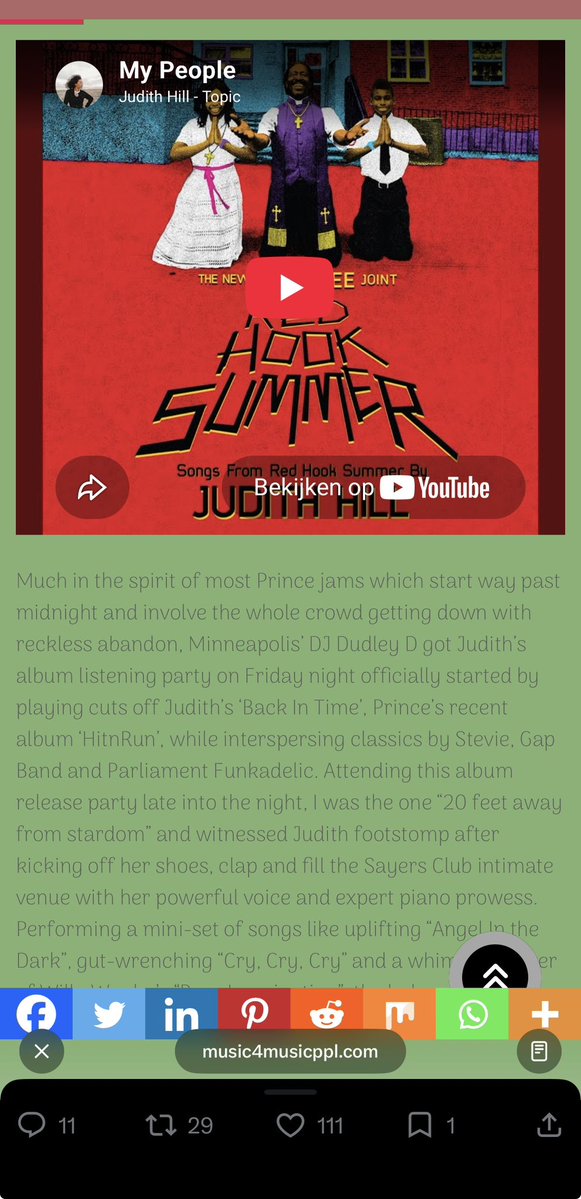
The linked Music4MusicPPL piece by Carlita covers Judith Hill’s album-release party for Back In Time at The Sayers Club. Prince co-produced the blues-and-funk debut, which he had earlier given away free to fans. At the intimate show, Hill delivered “Angel In the Dark,” “Cry, Cry, Cry,” and a “Pure Imagination” cover, removing her shoes to footstomp while powering the room with vocals and piano.
Prince’s short tweet amplifies the review, signaling his support for Hill’s solo turn after she stepped forward from backup roles with Michael Jackson and others (and after appearing in 20 Feet From Stardom). It reflects his active 2015 promotion of the album—via Paisley Park events and social posts—highlighting Hill’s raw live presence and the record’s quality just as it reached wider release. Replies echoed the praise, calling tracks “forever jams” and noting strong reviews and performances.
The post captures Prince’s direct, enthusiastic style of boosting collaborators he believed in.
#PrinceOnThisDay
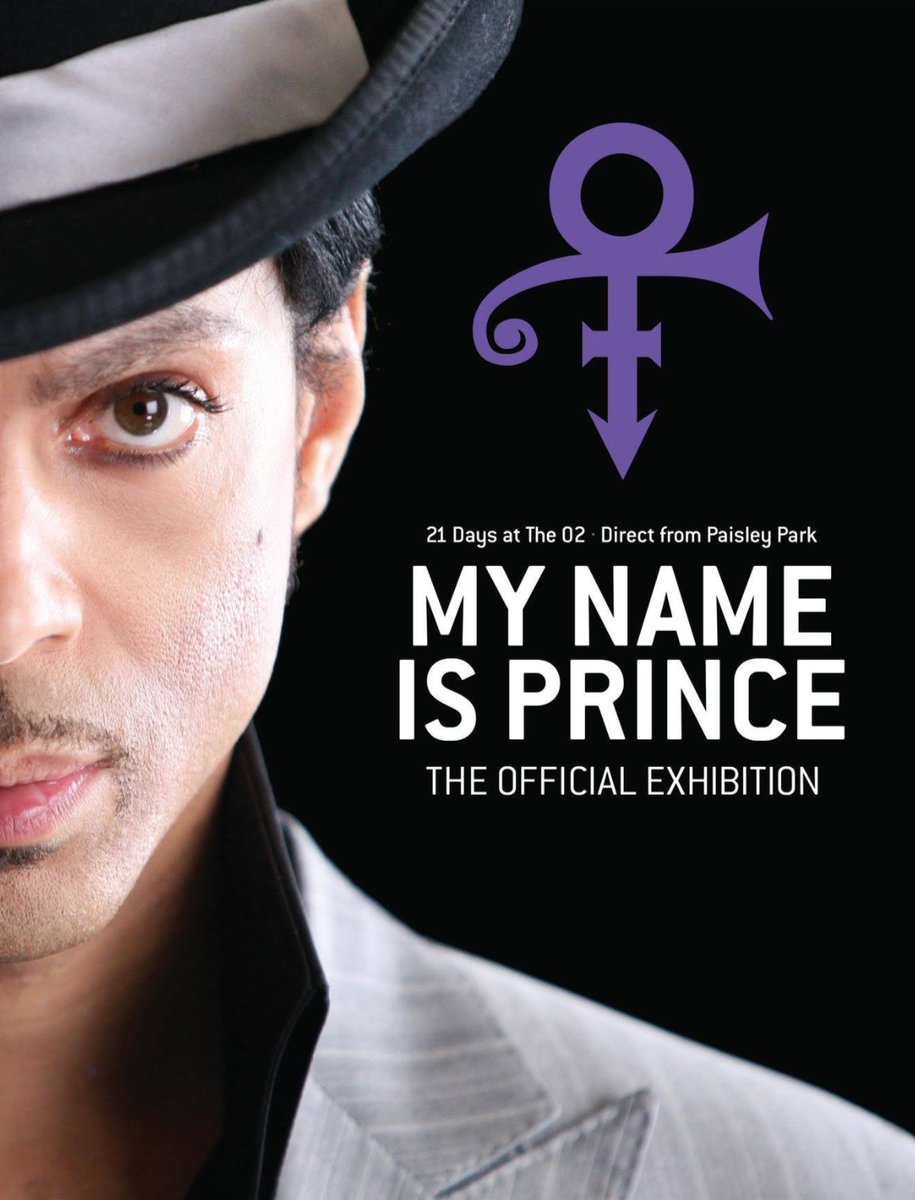
Paisley Park Marks Opening of Landmark Prince Exhibition at London’s O2.
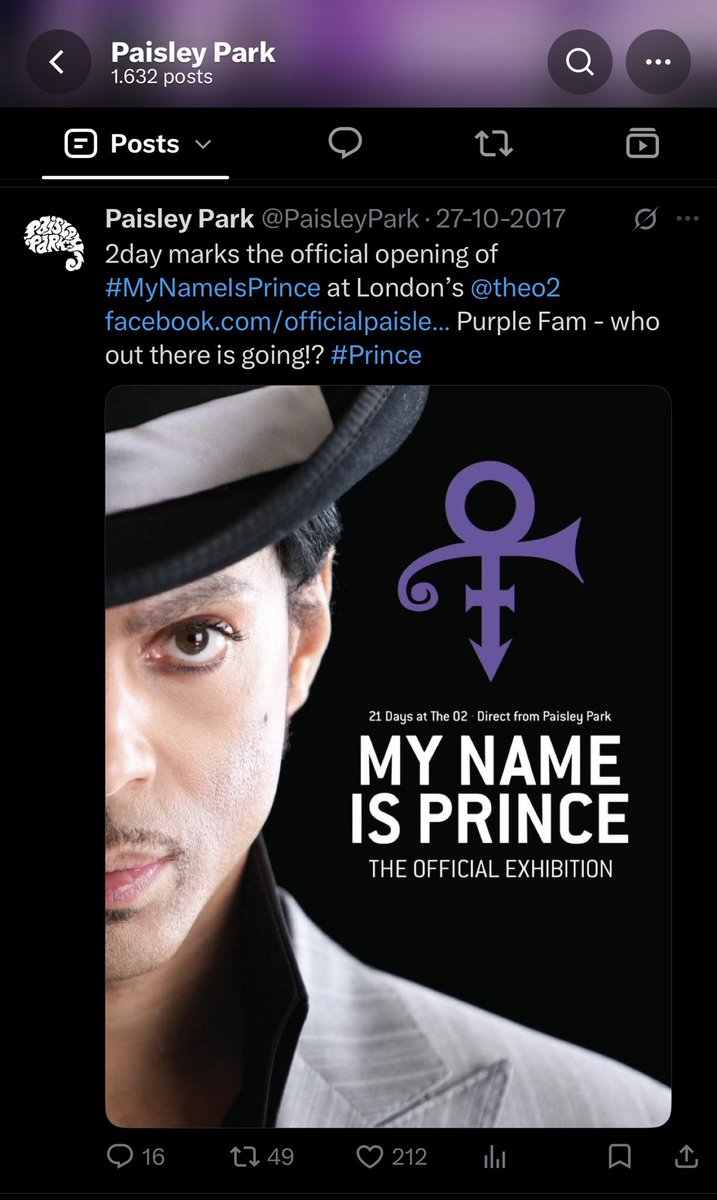
On October 27, 2017, at 20:58 GMT, the official Paisley Park account (@PaisleyPark) posted: “2day marks the official opening of #MyNameIsPrince at London’s @theo2” with a link, tagging the Purple Fam and asking “who out there is going!?” under the #Prince hashtag.
The tweet () announced the world premiere of My Name Is Prince, the first official traveling exhibition of Prince memorabilia drawn from his Paisley Park estate in Chanhassen, Minnesota. Held at The O2—site of his record-breaking 21-night residency in 2007—the show brought hundreds of previously unseen artifacts to London for the first time. Highlights included Purple Rain and LoveSexy tour costumes, the iconic Cloud guitar, the orange Super Bowl Cloud guitar, the “Raspberry Beret” cloud suit, handwritten lyrics, the Love Symbol stage centerpiece, and other personal items.
Originally planned as a 21-day run to honor that 2007 milestone, strong demand extended it to January 7, 2018. Prince’s family, including sister Tyka Nelson, helped shape the exhibition, describing it as a chance for fans to experience a scaled-down Paisley Park and feel close to the artist who had died in April 2016. The post’s casual, fan-directed tone reflected Paisley Park’s ongoing role as keeper of the Purple legacy, inviting the community to the historic London opening. https://t.co/Iwgz0XQKwV
#PrinceOnThisDay
Paisley Park Marks 36 Years of Prince’s Breakthrough Album 1999.
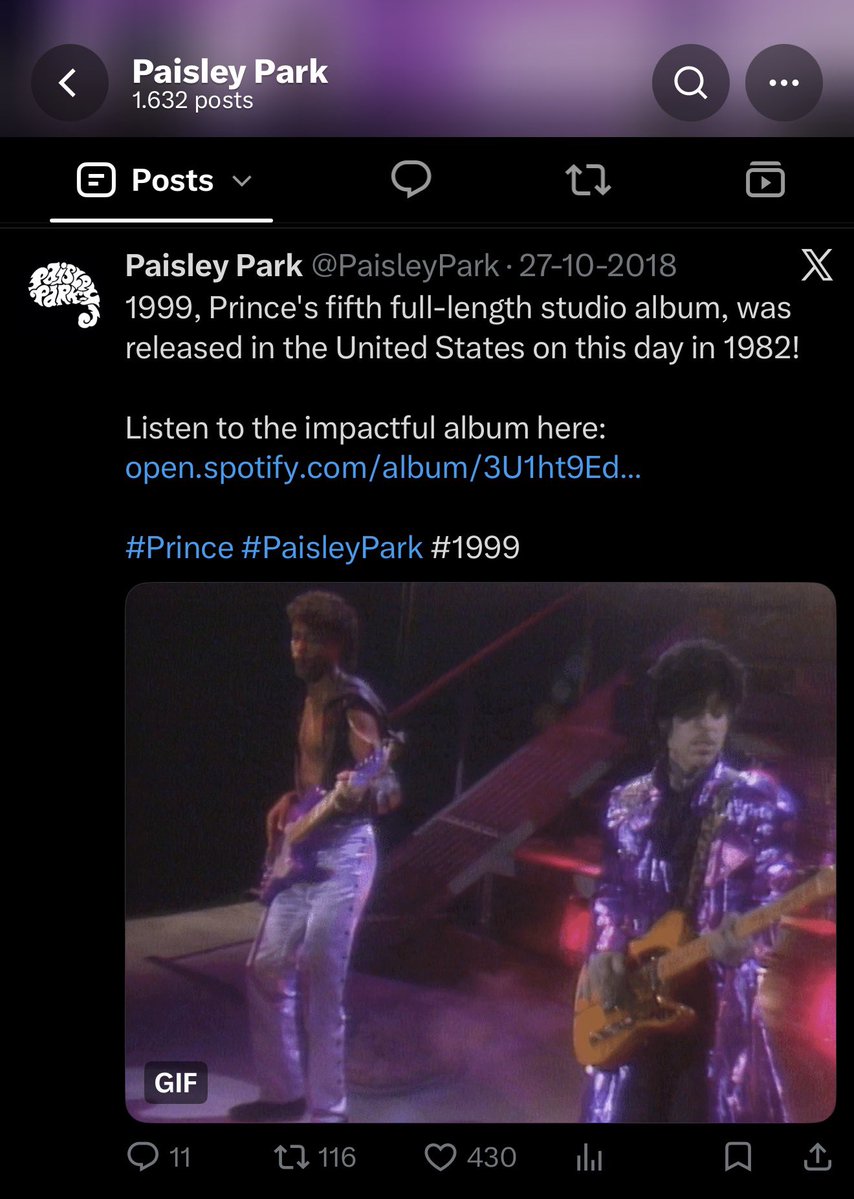
On October 27, 2018, at 5:57 PM GMT, the official Paisley Park account (@PaisleyPark) posted a tribute marking the 36th anniversary of Prince’s fifth studio album, 1999, released in the US on the same date in 1982. The tweet reads: “1999, Prince’s fifth full-length studio album, was released in the United States on this day in 1982! Listen to the impactful album here: [link] #Prince #PaisleyPark #1999.” It includes a brief video clip of Prince onstage with a bandmate, both in shiny purple metallic outfits, guitars in hand under dramatic red-and-purple stage lighting—a classic glimpse of the 1999 era’s high-energy live show.
The post, viewable at, highlights an album that transformed Prince from cult favorite into a mainstream force. Blending synth-funk, rock, R&B, and new wave, 1999 delivered hits like the title track (a Cold War party anthem urging listeners to “party like it’s 1999”), “Little Red Corvette,” and “Delirious.” It became his first Top 10 album, sold millions, broke barriers on MTV for a Black artist, and codified the Minneapolis sound that influenced decades of pop, electro, and R&B. The short video and call to listen underscore how Paisley Park continues to preserve and celebrate the Purple One’s enduring legacy of innovation, sensuality, and joy.
https://t.co/YRrljwPJau
#PrinceOnThisDay
1999, Prince's fifth full-length studio album, was released in the United States on this day in 1982!
Listen to the impactful album here: https://t.co/fA5ym7UszI
#Prince#PaisleyPark #1999
The tweet from @prince
On Monday, October 27, 2025, at 16:17:11 GMT, the account @prince (bio: “Celebrating the Life & Legacy of Prince”) posted:
“On this day in 1982, Prince unleashed his groundbreaking multi-platinum album 1999, forever changing pop music. 💜”
Link:
It’s a classic anniversary post from an account that regularly marks key dates in Prince’s career. The wording is concise and reverent—calling the album “groundbreaking” and “multi-platinum,” then ending with the purple heart emoji that fans use as a signature. It was paired with a short video (about 32 seconds).
The post did well for the account: roughly 2,600 likes, 600 reposts, and nearly 55,000 views within the first day, with replies from fans calling it their favorite album or simply saying “Awesomeness 💜.”
In short, the tweet is a straightforward, on-the-nose commemoration of the exact day 1999 dropped in 1982. It doesn’t dive deep into analysis or share new archival material; it just marks the date and reminds people of the album’s lasting impact. That’s the typical style of this account—clean, purple-hearted reminders of Prince’s milestones. https://t.co/7vqnpDTQLU
#PrinceOnThisDay
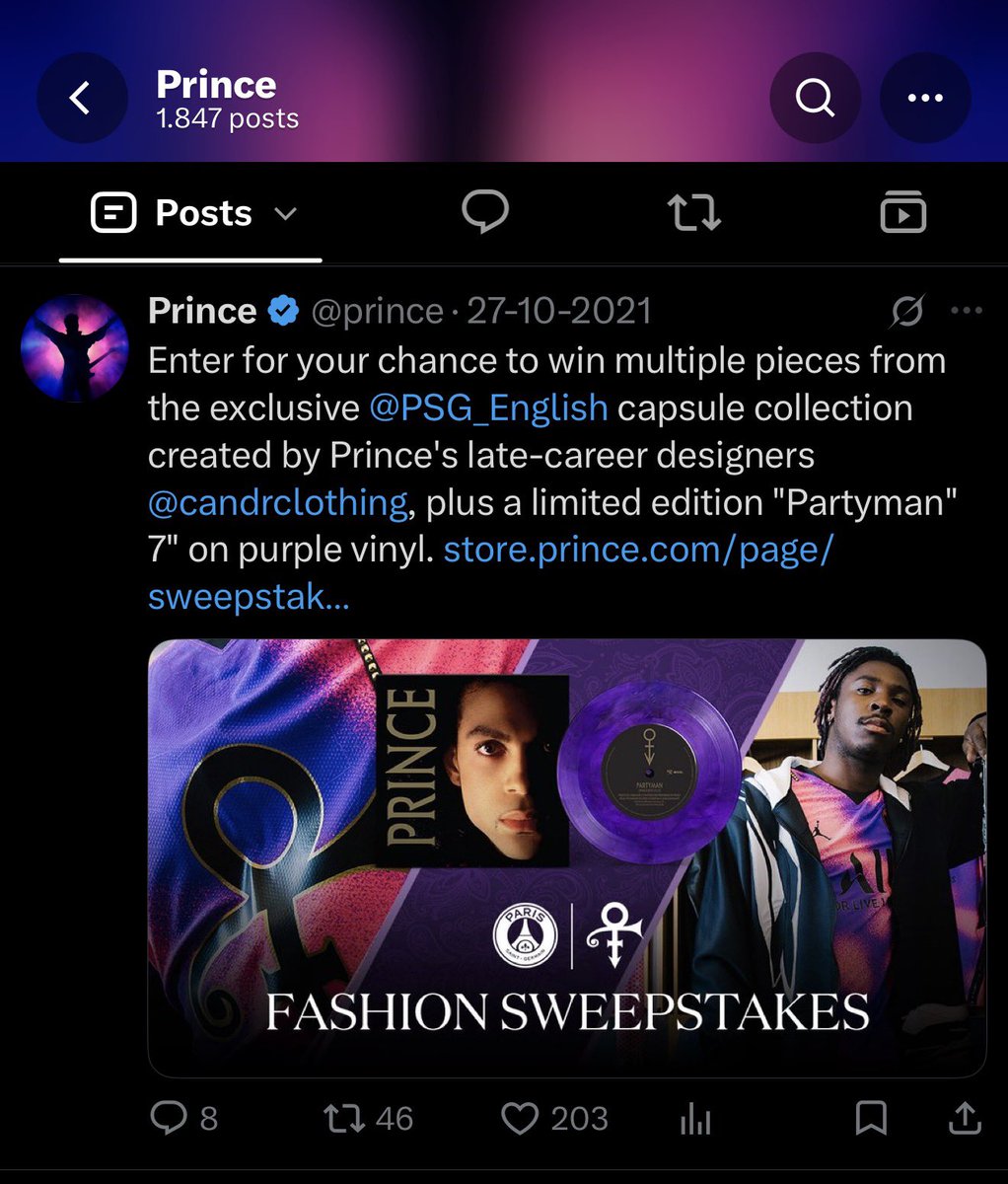
Prince Estate Promotes PSG Capsule Collection Sweepstakes via Official Twitter Account.
On October 27, 2021, at 19:52:40 UTC, the official Prince account (@prince) posted a promotional tweet inviting fans to enter a sweepstakes.
The tweet read: “Enter for your chance to win multiple pieces from the exclusive @PSG_English capsule collection created by Prince’s late-career designers @candrclothing, plus a limited edition ‘Partyman’ 7” on purple vinyl.” It linked to the entry page at https://t.co/hlp3ee1LP9.
The post, which included a photo, highlighted a collaboration between Paris Saint-Germain and the Prince Estate. The capsule collection was designed by Call & Response Clothing, the artists who worked with Prince in his later years. Prizes featured items such as an official PSG jersey, custom joggers and a shirt bearing Prince’s symbol, plus an embossed leather bucket hat. The vinyl was a limited purple 7-inch of the 1989 Batman-soundtrack track “Partyman,” with a previously unreleased live version of “Cool” from Prince’s 2014 Paris show on the B-side.
This short giveaway announcement blended football, fashion, and music fandom, giving Purple Rain devotees a chance to own exclusive pieces tied to the late artist’s style and catalog. The original tweet remains available at. https://t.co/o1xO0g8tqj
Enter for your chance to win multiple pieces from the exclusive @PSG_English capsule collection created by Prince's late-career designers @candrclothing, plus a limited edition "Partyman" 7" on purple vinyl. https://t.co/aA5qPc1GdU
Rave Unto The Joy Fantastic (October 27, 1988 configuration).
On October 27, 1988—while still in the middle of the Lovesexy Tour—Prince completed the first known sequence of an album he had been assembling since mid-June. The project, titled Rave Unto The Joy Fantastic, never reached a final master. Warner Bros. and Tim Burton’s Batman intervened, and the material was either shelved, reworked for Graffiti Bridge, sampled into Batdance, or left in the vault. What survives is a snapshot of Prince at his most spiritually charged and restlessly prolific, still riding the high of Lovesexy but already reaching for something denser and more communal.
The exact running order is unknown, but the known contents form a coherent spiritual funk suite. “The Voice Inside” (tracked just two days earlier) opens the door with horn-driven urgency—Eric Leeds and Atlanta Bliss cutting through—and lyrics that urge the listener to “pray, the voice inside, it don’t stop.” It was designed to segue straight into “Melody Cool,” the Mavis Staples vehicle later polished for Graffiti Bridge. The combination feels deliberate: an internal summons answered by an external, gospel-tinged call.
The title track itself is the 1988 original (basic tracking in June, reworked in London in July), the same recording later edited and released on the unrelated 1999 album. It carries that late-Lovesexy psychedelic shimmer—sparse yet insistent, trippy and hippie-adjacent without losing its funk spine. Around it sit heavier statements. “God Is Alive” is pure Pentecostal announcement (“News is comin’ like a hurricane”), recorded in June and briefly featuring Mavis Staples overdubs.
“Elephants & Flowers” and “Still Would Stand All Time” (both early-October recordings) would later anchor Graffiti Bridge; here they sit in their original, slightly rawer forms—faith as both ecstasy and endurance. “If I Had A Harem” appears in its studio rockabilly-leaning version rather than the bluesier live arrangement that later surfaced on the Lovesexy Live 2 video.
Closing the known material are the more anthemic vault tracks: “Stimulation” (an earlier Graffiti Bridge movie holdover), the unreleased “Big House” (“I hope that God lives in a big house so I’m taking all my friends with me”), and “We Got The Power,” recorded on October 15 and later cannibalized for Batdance chants. The latter’s robotic countdown and group vocal energy point toward the communal, almost New Power Generation-adjacent direction Prince was already testing.
Musically the set sits in the distinctive 1988 Paisley Park zone: cold, stark drum machines that still swing, layered keyboards, guitar that can turn both liquid and abrasive, and horns used more for punctuation than pure jazz. Thematically it is the purest expression of the Lovesexy worldview extended—sex and spirit not opposed but continuous, God as both party and sanctuary. It is less conceptual than Sign o’ the Times, less manic than the Black Album, and less polished than the eventual Graffiti Bridge, yet it feels like the missing bridge between them.
Because the project was abandoned mid-stream, the October 27 configuration is incomplete by definition. Several of its strongest songs later found better homes or better mixes; others remain stubbornly vaulted. What it reveals is a Prince who, less than a year after Lovesexy, was still generating album-length statements of faith and funk at a rate that outstripped any commercial calendar. The Batman soundtrack that replaced it is leaner and more focused; this version is messier, more ecstatic, and more revealing of the private cosmology he was living at the time.
It never received a cover, a final sequence, or a release. Yet the surviving pieces confirm that the rave, at least in intention, was real.
#PrinceOnThisDay
Sheila E. at Madison Square Garden – October 27, 1986 (opening for Lionel Richie).
On the night of World Series Game 7, Sheila E. delivered a tight, high-energy 45-minute set that still cut through a Garden full of fans glued to portable TVs. Fresh off her Prince-adjacent rise (The Glamorous Life, Romance 1600), she leaned hard into the Minneapolis connection: extended jams on “Erotic City,” “A Love Bizarre” (with a fierce drum solo), “The Glamorous Life,” “Holly Rock,” and related material. The emphasis was on locked grooves, precise percussion, and athletic stage presence rather than the more theatrical come-ons she’d used while opening for Prince.
Reviewers noted the adjustment—she dialed back the overt Prince-era theatrics for Richie’s broader audience without losing the edge or the chops. As Pete Escovedo’s daughter and a genuine multi-instrumentalist, she treated the kit as the main event, delivering “no-holds-barred funk” that stood in clear contrast to the headliner’s polished, wholesome pop-soul. She later returned for a short multi-song stretch with Richie (including a duet), still carrying that sharper, more kinetic pulse.
Concise, musician-first, and unmistakably shaped by her Prince years, it was an effective opener that showed why she was more than a supporting player by late 1986.
Prince at Brisbane Entertainment Centre, Boondall – 27 October 2003.
After more than a decade away from Australia (his previous shows were in 1992), Prince returned for the World Tour 2003 with a tight New Power Generation lineup and delivered a nearly three-hour marathon of hits, deep cuts, funk workouts, and piano intimacy that left the roughly 85–90% full Brisbane Entertainment Centre (capacity about 13,600) thoroughly spent and “souled out.”
Supported by Groove Terminator, the main show (preceded for NPG Music Club members by a lively ~55-minute soundcheck/preshow) opened with a rad. piano intro into a Purple Rain-era burst: “Let’s Go Crazy,” “I Would Die 4 U,” “When Doves Cry,” and “Baby I’m A Star” (with a “1999” intro). From there the set rolled through “Shhh,” “D.M.S.R.,” an instrumental “A Love Bizarre”/“The Glamorous Life” medley, “I Feel For You,” “Controversy,” a Renato Neto interlude, “The Beautiful Ones,” “Nothing Compares 2 U,” “Insatiable,” “Sign O’ The Times,” “The Question Of U,” the guitar-driven highlight “The Ride,” “Let’s Work,” “U Got The Look,” “Life ‘O’ The Party” (over a “Hot Pants” instrumental with “Uptown” interpolations), “Soul Man” (with Chance Howard on lead vocals), “Kiss,” “Take Me With U,” and “The Everlasting Now.”
The band—Prince (vocals, guitar, bass, keyboards, drums), John Blackwell (drums), Rhonda Smith (bass/vocals; often singled out as “the funkiest woman on the planet”), Renato Neto and rad. (keyboards), Chance Howard (keyboards/vocals), Greg Boyer (trombone), and Maceo Parker (saxophone)—was locked in and versatile. Guest Larry Graham joined later for bass and vocals, elevating the closing stretch.
A solo piano encore medley was a standout for many: “Anna Stesia,” “Diamonds And Pearls,” “Sometimes It Snows In April,” “Little Red Corvette,” “Raspberry Beret,” “How Come U Don’t Call Me Anymore,” “The Most Beautiful Girl In The World,” and a goosebump-inducing Joni Mitchell cover of “A Case Of U.” The full band then returned for the localized “All The Critics Love U In Brisbane,” “Alphabet St.” (with Graham), “The Jam,” Sly & the Family Stone’s “Thank You (Falettinme Be Mice Elf Agin),” “Days Of Wild” (during which one fan was invited onstage), and the inevitable closer “Purple Rain.”
Fans who attended described a long, hit-heavy night of pure party energy rather than heavy production, with the Brisbane crowd—initially expected to be reserved—coming alive and matching the band’s intensity. The NPGMC soundcheck itself was a bonus treat, featuring covers and rarities including “Girls & Boys,” a fan (PaulBlack) taking lead on Michael Jackson’s “Billie Jean,” “The Ballad of Dorothy Parker,” Smokey Robinson’s “Ooh Baby Baby,” “Pink Cashmere,” “Party Up,” “Brick House,” “Oye Como Va,” and a Santana medley.
For those who continued into the early hours, an aftershow at the Indie Temple in Fortitude Valley extended the night with even more funk, covers (Ohio Players, Stevie Wonder, Sly & the Family Stone, etc.), and club-level intimacy. Overall, the Brisbane stop was a classic Prince 2003 experience: generous, musically rich, band-tight, and celebratory—proof that after a long absence he still knew exactly how to work an Australian arena.
#PrinceOnThisDay
Main Show
König-Pilsener Arena, Oberhausen — 27 October 2002.
The main show started around 20:10 and ran roughly two hours and forty-five minutes. Prince appeared in a white jumper, white pants and white “astronaut” boots, backed by John Blackwell (drums), Rhonda Smith (bass), Renato Neto (keyboards), Greg Boyer (trombone), Eric Leeds (sax/flute), Candy Dulfer (sax) and Dudley D. on turntables.
It opened with the show intro into “The Rainbow Children,” immediately establishing the jazz-funk intensity that defined the night. “Pop Life” and a strong “The Work, Pt. 1” (with a Greg Boyer solo) followed, then a soaring “Purple Rain” on the Habibi guitar. The mid-set funk peak arrived with “1+1+1 Is 3,” which morphed into Housequake and Love Rollercoaster, with Candy Dulfer and the horns tearing it up. “Money Don’t Matter 2 Night,” “Peach” (complete with an “Oberhausen We Like To Funk” chant) and a medley of “The Question Of U” / “The One” / “Fallin’” / Take Five kept the energy high.
The classics kept coming: “Strange Relationship” (Rhonda Smith bass solo), “Pass The Peas,” “When You Were Mine,” “Sign O’ The Times,” “Take Me With U,” “Raspberry Beret” and “The Everlasting Now” (solos all around). After a short break, Prince returned at the piano in a beige suit for a long, intimate encore stretch: “Adore,” “Condition Of The Heart,” “Delirious” (with an A Night In Tunisia hint), an improvised “I Love U Baby, Like You Have Never Known,” “Strollin’,” “Gotta Broken Heart Again,” “Diamonds And Pearls,” “The Beautiful Ones,” “Nothing Compares 2 U,” “The Ladder” and a closing “Days Of Wild.”
A contemporary German review captured it well: from Weather Report-style fusion-jazz fury with Charlie Parker flourishes and sharp horn riffs at the start to big-band swagger at the end, it felt like the most complete concert of the year. The band was exceptional — Blackwell, Smith and the horns (Dulfer especially) stood out — and Prince moved effortlessly between crooner, rock guitar hero, funk preacher and piano balladeer. His falsetto still had the power, and the guitar work on “Purple Rain” was described as breathtaking. The crowd got exactly what it wanted: dancing, sweating, and plenty of hits treated as living standards rather than museum pieces.
For many who saw multiple shows on the European leg, Oberhausen ranked among the strongest. The combination of the rare material in the soundcheck and the long, generous, high-energy main set made it a memorable night.
Soundcheck / NPGMC Member Preshow
König-Pilsener Arena, Oberhausen — 27 October 2002.
Around 600 NPG Music Club members and guests filled the arena in the late afternoon for what was listed as a 90-minute preshow/soundcheck. It felt less like a technical run-through and more like a private afterparty that happened to start before the main event.
Prince was already on stage when people entered, waiting in a relaxed mood. It opened with a piano-and-drums jam, then slipped into a rare instrumental version of “Everywhere” from The Rainbow Children — one of the few (possibly the only) live performances of the song, with Prince on piano. “With You” followed, also instrumental, before some loose Housequake drums. Then the music stopped and the talking began.
What followed was classic One Nite Alone-era Prince: a long, freewheeling Q&A. Fans asked about the high price of the upcoming Paris Bataclan tickets (he gave a vague answer about crew bonuses). Someone’s girlfriend was sick and couldn’t come; Prince took the phone and called her, cracking jokes the whole time.
A Dutch fan’s tour book was examined and laughed over. He was funny, a little evasive, and clearly in a good mood. People shouted song requests; he eventually delivered “Something In The Water (Does Not Compute)” with a Superstition interpolation, then a mostly instrumental “All The Critics Love U In New York” that turned into a Rave Un2 The Joy Fantastic chant and a piano improvisation.
Later highlights included a looped “The Greatest Romance Ever Sold” (with an “18 & Over” chant that he mostly refused to indulge), a fierce Santana medley (Jungle Strut, Batuka, Soul Sacrifice and more), “Who Knows,” a beautiful “She’s Always In My Hair,” and a closing run of Delirious into an instrumental Rainbow Children.
He walked to the soundboard for a mic check and watched the band from the middle of the room. Greg Boyer was absent from this portion but joined for the main show.
It was loose, playful, and full of the kind of rare material and spontaneous interaction that made the NPGMC soundchecks on this tour special. Not every note was polished, but that was the point.
#PrinceOnThisDay
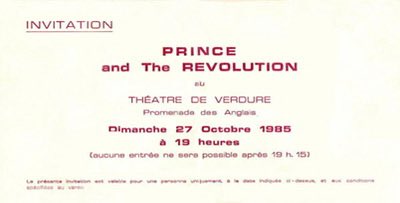
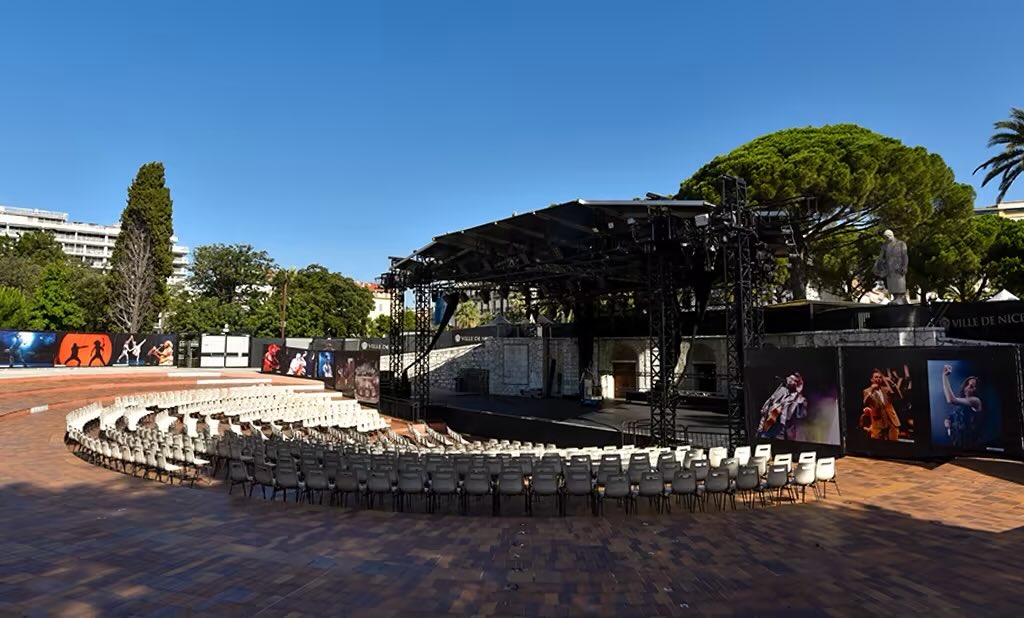
Théâtre de Verdure - The Video Shoot and Mini-Concert.
That same evening, the Théâtre de Verdure was opened to roughly 2,000 local fans who had received free tickets announced on Radio de la Côte. What they witnessed was both a professional video shoot and a short, high-energy mini-concert by Prince and the Revolution. The primary purpose was to capture live footage for the “America” single — the first time Prince staged a concert specifically for a performance video, and one of the few live clips from the Around the World in a Day period to use the actual concert audio rather than a studio track.
They filmed two full takes of “America.” Prince appeared in black trousers with white buttons down the legs, a long overcoat, and a red bandana, playing his blue floral-airbrushed Fender Telecaster. An early forerunner of the Love Symbol (male and female glyphs combined with a peace sign, with the word “PEACE” projected beneath it) appeared on screen as he cued the band.
Near the end of the performance he removed the coat, played bare-chested, and took over the drums from Bobby Z. for a driving outro reminiscent of “Tambourine.” The version that became the official video remains a kinetic document of the song’s extended jam spirit — guitar, saxophone, and the Revolution’s locked groove all intact.
After the takes, the band continued with a mini-set of roughly 55 minutes total for the free crowd. “Paisley Park” was also filmed, followed by “Let’s Go Crazy,” “Delirious” (with an “Automatic” interpolation), “Little Red Corvette,” and a closing “Purple Rain.” The sequence blended the newer psychedelic material with the hits that had defined the previous year, played with the precision and showmanship of a band still at its peak. An MTV interview with Prince and some of the young audience members was shot afterward.
The official “America” video (widely available, including in 4K) is the lasting public record of the night. While full audience recordings of the mini-concert have not widely circulated, the combination of the staged video takes and the subsequent short set gave the Nice crowd a rare, free glimpse of the Revolution in the middle of movie production — a brief, bright interruption that still stands as one of the era’s most distinctive live documents.
#PrinceOnThisDay
Théâtre de Verdure - The Soundcheck.
On the afternoon of 27 October 1985, before the free audience arrived and the cameras rolled, Prince and the Revolution ran a private soundcheck/rehearsal at the Théâtre de Verdure in Nice. The band — Wendy Melvoin, Lisa Coleman, Bobby Z., Brown Mark, Dr. Fink, Eric Leeds, and guest saxophonist Eddie M. — had been flown in specifically for the “America” video shoot during a day off from Under the Cherry Moon filming. What they played that afternoon was never meant for the public, yet a circulating recording preserves roughly 40 minutes of it and remains one of the more revealing documents of the Around the World in a Day / early Parade transition.
The set opened with a brief “Pop Life,” then moved into a rare full-length “Temptation” — one of the few complete live performances of the Purple Rain closer known to exist. “Paisley Park” followed, then an extended run at “Love Or $” (also known as “Love Or Money”), during which Prince took over the drums. After a short piece listed as “Go,” there was band chatter and an interlude before two takes of “An Honest Man,” the gentle ballad that would later appear (in truncated form) in Under the Cherry Moon and on Crystal Ball.
Heard today, the rehearsal feels looser and more exploratory than the filmed material that followed. The Revolution is tight but still working the material — adjusting dynamics, testing transitions, and stretching grooves. The presence of both current Around the World in a Day songs and pieces that would surface on or around Parade (“Love Or $,” “An Honest Man,” “Go”) makes the session a snapshot of a band mid-evolution, still riding the momentum of the Purple Rain era while already shaping the next one.
For collectors, the circulating audio (available on various YouTube uploads and included on certain unofficial Parade-era rehearsal compilations) is valued precisely because full soundchecks from this period were rare, and because it captures songs like the complete “Temptation” and early live “An Honest Man” that almost never appeared in public setlists.
#PrinceOnThisDay
It was a tentative, non-public hold that was dropped/rescheduled during normal early-tour itinerary fine-tuning for better routing and logistics (with a venue switch to the larger ICC).
Prince Vault lists the 27 October 2002 Berlin Tempodrom date specifically as a “tentative, non-public date, rescheduled to ICC Saal 1, 19 Oct. 2002” on the One Nite Alone… Tour. It was never publicly announced and tickets were never sold for it.
Early planning (including an NPG Music Club announcement around 13 September 2002) had already listed a Berlin show for 19 October at the Tempodrom. The final locked schedule moved the Berlin date to the same day (19 October) but at ICC Berlin – Saal 1 (capacity ~4,500, which sold out). The 27 October slot was effectively abandoned in favor of that earlier date; the 27th was used instead for Oberhausen in the final routing (after the Scandinavian leg).
This matched the pattern for several other European dates on the same tour. Early holds and announcements were adjusted once the full itinerary was finalized for practical routing (e.g., Hamburg tentatively on the 19th moved to the 16th; Copenhagen, Oslo, and Stockholm dates were swapped). There are no contemporary reports of illness, venue unavailability, production problems, or weak sales as the cause for Berlin—unlike some later Prince Berlin plans (such as the 2014 Tempodrom show). It was simply standard schedule optimization before public on-sale.
#PrinceOnThisDay
Late night (or rather, early morning) at the purple sanctuary: Prince and the NPG at Paisley Park, 27 October 1996 (a.m.).
Around 2:30 a.m. on a quiet Chanhassen night, roughly 150 lucky souls paid seven bucks to step inside the soundstage at Paisley Park. No circus, no big production—just the Artist (then still in his unpronounceable-symbol era) and a tight four-piece New Power Generation: Kirk Johnson on drums, Rhonda Smith on bass, Morris Hayes on keys, and Kat Dyson on guitar. Thirty minutes. Five songs. Pure after-hours electricity.
This was the morning-after hang from the previous night’s Emancipation listening party and press/DJ show. The triple album—his first true post-Warner Bros. statement of artistic freedom—was weeks away from release, and the vibe in the room felt like a private preview of the new era. The set was short but pointed: deep cuts and covers that let the band stretch while reminding everyone who was in charge.
They opened with “Joy in Repetition,” that hypnotic, circular groove turning the soundstage into a late-night séance. Then “The Cross”—still heavy, still spiritual, delivered with the kind of focus that makes a small room feel vast. Joan Osborne’s “One of Us” got the NPG treatment (a preview of how it would sit on Emancipation), before the band snapped into the strut of “Sexy M.F.” and the sly, rubbery funk of “If I Was Your Girlfriend.” No filler, no extended encores. Just the music, the space, and the knowledge that you were standing inside the place where most of it had been made.
Classic Paisley Park after-hours: cheap entry, sparse crowd, start time whenever the man felt like it, and a set that felt more like an open rehearsal or private party than a formal concert. In the Emancipation moment—fresh off the “slave” cheek writing and the end of the Warner deal—it carried an extra charge. Freedom, but the intimate kind: no cameras, no simulcast (that would come a couple weeks later on November 12), just the band locking in and the Purple One doing what he did best in his own house—making the room move at 3 a.m.
Short, sharp, and unmistakably his. The kind of night that only existed at Paisley.
#PrinceOnThisDay
October 27, 1988, was only an early tentative hold on the Lovesexy Tour itinerary that never went on sale. The show was locked in for October 28 instead (tickets on sale September 29; sold out).
This was part of wider U.S. leg adjustments after the tour opened in Europe first (where Lovesexy performed better), requiring late rebooking of many American dates amid logistics for the large production and varying demand. Nearby shows (e.g., Ann Arbor, Lexington) were similarly rescheduled then dropped. At the Civic Arena the stage was also adapted to a conventional end setup due to the building’s dimensions.
No unique public reason (illness, venue emergency, etc.) is documented for the Pittsburgh date itself beyond the schedule being finalized on the 28th.
#PrinceOnThisDay
On October 27, 2013, Prince tracked “The Gold Standard” at Paisley Park Studios in Chanhassen, Minnesota. The date comes from a photographed vault tape labeling the session at his private complex; the track later became the fourth song on his 2014 album Art Official Age.
The Song and Its Place in Prince’s Catalog
“The Gold Standard” is a 5:53 percolating electro-funk number written by Prince and co-produced with Joshua Welton. Early descriptions called it “an update of classic Prince” whose lyrics nodded to the “wild and rude” of earlier eras while insisting on style over excess.
The lyrics urge movement and release—“Shut your party down, make you walk around… let your body move”—while declaring that “nude is the brand new yawn” and that “you don’t need to be rude, you don’t need to be wild… no compromise and done with style.” Music is framed as spiritual medicine that can “take your troubles away and make somebody smile.” A bridge even includes the playful line “24 carrot hashtag, put your phone in your bag.” The groove sits in a high-energy, danceable pocket with tight rhythms, stacked harmonies, and the kind of guitar and synth interplay long associated with Prince’s Minneapolis sound, updated for a more contemporary electronic palette.
It received its first public mention in a June 23, 2014, Minneapolis Star Tribune piece by Jon Bream, where it was previewed as the potential opener of an then-untitled project that evolved into Art Official Age. The album itself was recorded at Paisley Park between roughly 2011 and 2014 (with the bulk of the material from late 2013 through summer 2014) and released on September 26–30, 2014, the same day as the companion Plectrumelectrum album with 3RDEYEGIRL. “The Gold Standard” was not a single and saw only occasional live airings of clips in 2015 sampler sets.
Context at Paisley Park in Fall 2013:
October 2013 was an active period at the Chanhassen complex. Prince had staged intimate, last-minute shows there earlier in the month—most notably a packed October 5 performance that combined 3RDEYEGIRL and the New Power Generation, running late into the night with hits, covers, and deep cuts for roughly 1,100–1,200 fans who paid a $50 “donation.” A pajama-themed late-night/early-morning show followed on October 19. Studio work continued in parallel.
Joshua Welton, then in his mid-20s and married to 3RDEYEGIRL drummer Hannah Ford Welton, had become a central collaborator. After initially supporting the band, he was given co-production credit on Art Official Age—the first time Prince shared a full co-producer credit on a studio album under his own name. Welton has described the process as collaborative: Prince would outline a desired feel, Welton would build tracks in one studio while Prince worked in another, and they refined together. The album’s credits also list engineers including Chris James, with strings arranged by Adi Yeshaya and additional contributions from 3RDEYEGIRL members (Donna Grantis on guitar, Hannah Ford on drums, Ida Nielsen on bass) plus horns and strings on various tracks.
Legacy of the Session:
The October 27 tracking date anchors one of the more forward-leaning tracks on a late-career album that critics often praised for its renewed energy and studio imagination. Art Official Age debuted at No. 5 on the Billboard 200 and topped the Top R&B/Hip-Hop Albums chart, marking a commercial and critical high point for Prince in the 2010s. “The Gold Standard” stands as a concise statement of his enduring priorities: groove as the gold standard, style over mere excess, and music as something that moves both body and spirit.
Paisley Park, the 65,000-square-foot complex Prince built in the mid-1980s and where he lived and worked for much of his later life, was the natural home for the session. After his death in 2016 it opened as a public museum, preserving the studios and vault that documented moments like this one.
#PrinceOnThisDay
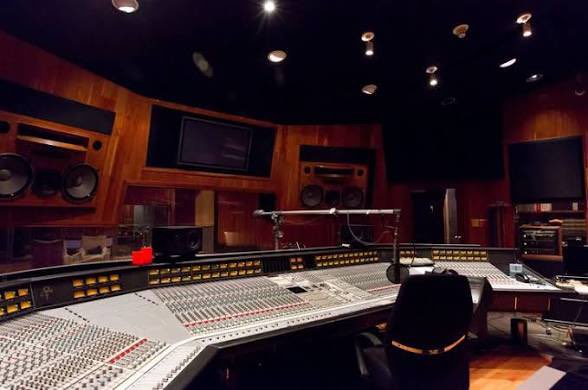
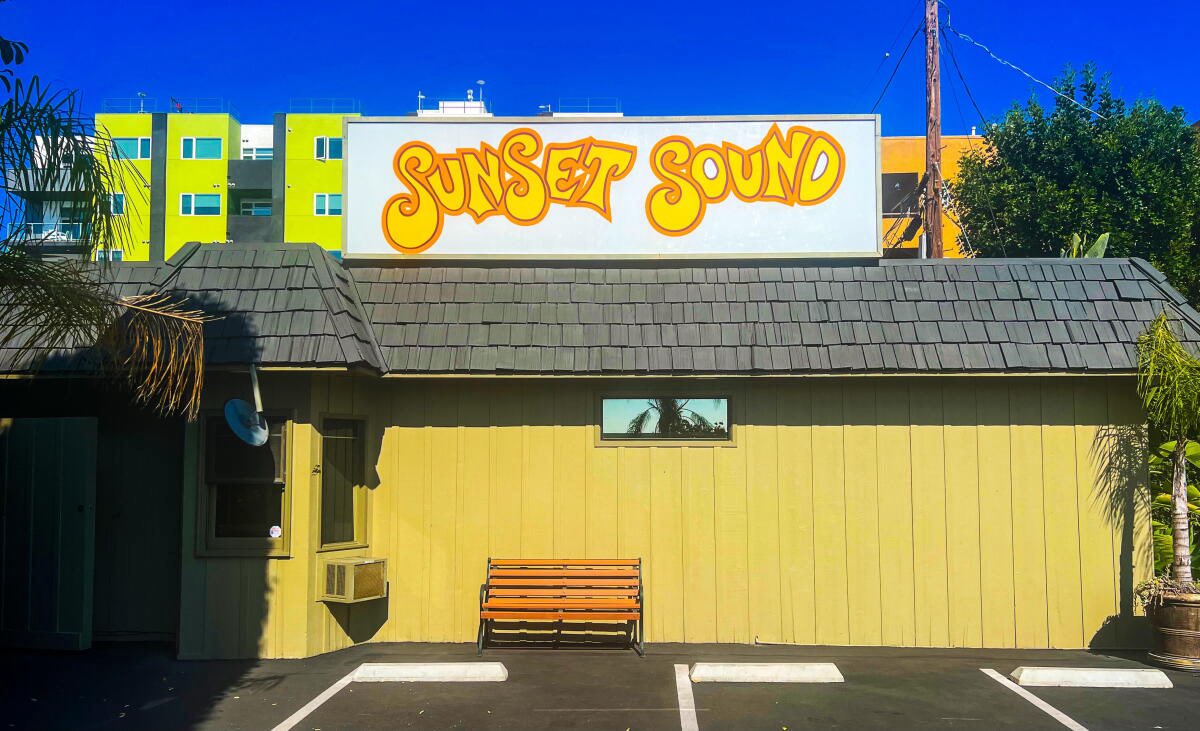
On 27 October 1986, Prince re-recorded “Feel U Up” at Sunset Sound in Hollywood, California.
The session took place in Studio 3, the room he had made his primary Los Angeles base for years. It came the day after overdubs on “Housequake” and the day before he cut “Rebirth of the Flesh” and “Rockhard in a Funky Place.” The track was a complete re-recording—often called the “revamp”—of a song first captured around late 1981 at his Kiowa Trail home studio in Chanhassen, Minnesota. In its new form it became the earliest piece that would later appear on the planned Camille album.
By late October, Prince was working intensively at Sunset Sound after the breakup of The Revolution. He was developing material under the Camille alter ego, using pitch-shifted vocals (tape slowed during recording so playback raised the pitch) to create an androgynous, higher register. The 27 October session for “Feel U Up” marked the start of that concentrated run of recordings that would be assembled into the eight-track Camille project by early November.
The result that day was a roughly six-and-a-half-minute funk track (listed in session chronologies as “Feel U Up #2” at about 6:30). Horns from Eric Leeds and Matt Blistan were part of the arrangement. The lyric remained direct and sexually charged—“I’ve been diggin’ you for such a long time / You don’t even know that I’m alive… Let me touch your body, baby / Let me feel you up”—but the production and vocal treatment updated it to the late-1986 sound: tighter Minneapolis-funk grooves, the Camille voice treatment, and a playful yet aggressive tone that fit the surrounding tracks.
On the 5 November 1986 configuration of Camille (catalog number 25543, assembled at Sunset Sound), the song sat as track four on side one, after “Rebirth of the Flesh,” “Housequake,” and “Strange Relationship.” The collection emphasized sex, fun, and a new post-Revolution direction rather than the more contemplative material Prince had also been writing. The album reached the test-pressing stage before being set aside.
The 27 October recording itself stayed in the vault for years. The same master later surfaced in 1989 as the B-side to “Partyman” (in both the full “Long Stroke” length and a shorter “Short Stroke” edit) and appeared on The Hits/The B-Sides, credited simply to Prince. But on the day it was cut, at Sunset Sound, it was simply the newest piece in a rapid sequence of sessions defining the short-lived Camille project—an immediate, self-contained snapshot of Prince working alone or nearly alone in the studio, revising an older idea into something that matched the sound and persona he was inventing that week.
The date sits cleanly in the documented timeline of those Sunset Sound days: Housequake overdubs on the 26th, the Feel U Up revamp on the 27th, and the next pair of Camille tracks on the 28th. It is one of the clearer single-day entries in a period when Prince was often locking out the studio and moving quickly between songs.
#PrinceOnThisDay
2/2
Independent Model, Collaborators, and Distribution:
With Chaka Khan and Larry Graham on the NPG roster, the conversation turned practical. Chaka credited Prince’s encouragement and legal help with freeing her from Warner Bros.; once free, the creative floodgates opened and aspects of her career that had become “a gig” regained their love. Larry Graham described their musical relationship as built on love rather than contracts, comparing the distrust introduced by contracts to starting a marriage with legal doubt. Prince argued that contracts themselves often sour relationships and that major labels must “respect the art first.”
He described their emerging distribution: selling at shows, online (urging people of color to get online so as not to be left behind again), and through select retailers such as Best Buy. Crystal Ball had sold roughly 200,000 copies at a premium price—modest by traditional standards but profitable when the artist kept the lion’s share. This was an alternative, not a total rejection of the industry; he still planned future business with friends in the system. He was not doing it primarily for money (“I’m paid”) but out of love for the artists and a desire to prevent them from getting “lost.” He challenged radio and stores to support figures like Chaka Khan, calling music “our enlightenment.”
Context and Legacy:
The interview captured Prince in his independent phase: operating under the unpronounceable symbol, running NPG, collaborating with legends on their terms, and using the approaching millennium as a prompt for broader reflection on freedom, representation, and spirituality. Themes of ownership, heart-centered creation, rejection of pure commercial metrics, and spiritual framing would remain consistent in his later public statements. The appearance with Chaka Khan and Larry Graham illustrated the practical side of his philosophy—artists retaining control and collaborating on the basis of mutual respect rather than contractual necessity.
The conversation remains a clear window into Prince’s mid-to-late-1990s thinking: a musician prioritizing creative and personal freedom, self-defined success, and a vision of unity that mixed industry reform with spiritual expectation.
#PrinceOnThisDay
https://t.co/2uQOW9Xzt7
1/2
In a rare, candid 1998 appearance on Tavis Smiley’s BET Tonight (October 27), the Artist Formerly Known as Prince discussed artistic freedom, the music industry, self-defined success, spirituality, and unity.
Joined later by Chaka Khan and Larry Graham, he used the platform to outline an independent path centered on ownership, heart-centered creation, and rejecting traditional contracts.
Freedom, Contracts, and Closeness to God:
Prince opened by linking personal freedom directly to spiritual proximity: “When a man is free… it puts him closer to God… The path is open to get to God.” He declared he would “preach freedom” and “the annihilation of contracts.” Without contracts, he argued, there would be no need for lawyers fighting over money “which has no power ultimately.” He understood why certain magazines avoided featuring him—they preferred to keep out a message that challenged the system.
This stance reflected his post-Warner Bros. era. After years of public battles over creative control and master ownership (including writing “slave” on his face), he operated through NPG Records and emphasized retaining rights.
Redefining Success and Self-Love
Critics noted he was selling fewer records than in his major-label peak. Prince agreed but attributed it partly to limited store availability and “player hating.” More importantly, he rejected industry metrics:
“I don’t gauge success based upon the way other people gauge success. This isn’t about SoundScan… This is about our plan… what we believe now… The music is a success upon creation. When you give it to somebody like a Rolling Stone or a Vibe and they start critiquing it, then your perception changes. But that’s looking through somebody else’s eyes… We gauge success based upon what we feel in our hearts… We’ve shut our minds off now. Minds should be used for what they were made for, filing cabinets. We think with our hearts.”
He framed self-regard as healthy rather than arrogant: “I think I’m great… I say that to show that I love myself. And if more people did love themselves, they’d stop worrying about whether someone was cutting edge or not.” He still sold out arenas, proof that audiences responded to the work on its own terms.
Authenticity, Catalog, and Image:
Prince stressed he was “a musician. I don’t sample… it’s not Memorex. I go on stage, and my microphone is on.” Playing with collaborators like Larry Graham (who had played on classic tracks) made sampling unnecessary for him. He estimated “upwards of a thousand” finished but unreleased songs at Paisley Park, a figure that underscored both his prolific output and the constraints of the old system.
On his constantly evolving look and media mockery (including a New York Post Page Six jab at an outfit he wore while presenting at the GQ Awards, and the “old man” costume in the premiere of his video “Come On”), he was unbothered. People, he suggested, lived “vicariously” through the image changes, but “at the heart of the matter though is the music.” Privacy stemmed from earlier obsessive fan incidents that made him cautious.
Approaching 1999, Unity, and Spirituality
Prince explained his decision to do a live, relatively uncontrolled interview as 1999 neared. He had been reflecting on how “people of color have been left out of [the] space program” and “don’t really see us in Pleasantville.” He sought something that could “unite us all,” suggesting freedom as a candidate. He added a spiritual note: if Jesus returned, “we’d probably not recognize him.” Later he reinforced that “Jesus is far more important,” that people should stop asking for autographs (a practice he ended after the name change), and that focusing on welcoming Jesus’s return could reduce chaos
On the song “1999” itself, written years earlier, he offered the cryptic: “If the sky has blood in it, blue and red make purple.”
#PrinceOnThisDay