Section 5 of Nigeria’s Labour Act prohibits employers from deducting workers’ wages except where permitted by law.
Yet some organisations deduct salaries as punishment for lateness, even when their own code of conduct states that misconduct will be addressed through queries, warnings, performance management or other disciplinary measures, provided due process is followed.
How do you justify ignoring both the law and your own policy?
HR professionals are often quick to refer to company policies, but how many can beat their chest and say they’ve actually read all their organisation’s policies?
How can you give sound advice if you haven’t read or don’t even consult the relevant policy?
I’ve always said we need more lawyers in HR. Many HR professionals today don’t even have basic knowledge of employment law, so how can they give sound & legally informed advice? This is one of the core problems in corporate organisations today!
Having a master’s degree and 10 years of work experience doesn’t necessarily mean you can do a job better than someone with a BSc and five years of experience.
Qualifications and years of experience matter, but they don’t guarantee competence.
I think this is something Nigerian organisations need to reconsider when advertising jobs.
When you insist on a master’s degree and 10 years of experience, you could be excluding someone with a BSc and five years of experience who can do the job even better.
Why not focus more on the actual skills required to do the job?
Take some time to read job adverts from employers in the UK and US. You’ll notice that many allow for equivalent experience rather than insisting on a particular qualification.
I’m not saying qualifications and experience don’t matter. I’m saying they shouldn’t automatically determine who gets a chance to prove they can do the job.
What happens when the AI companies helping millions of founders build their products can also build and distribute competing products themselves?
At this point founders shouldn’t just ask “Can I use AI to build this software?”
But: “If the AI company I’m using launches the same features tomorrow, what will still make my business valuable?”
I still remember this from 2021. A company that became standalone after its group merged with another in 2011 was still using the policies, pay scale and out-of-station rates it had inherited until 2021 (10 years later).
One night out-of-station allowance (hotel & feeding) for drivers was ₦6,000, assistant officers & officers got ₦8,000, and HR Manager got ₦18,000. If you stayed with family, you returned 50% and kept the rest as per diem.
Now imagine how many companies have policies and pay scales that have never been reviewed since time immemorial!
HR professionals, recruiters and employers need to STOP asking candidates for payslips or previous offer letters before deciding to make an offer.
A candidate’s salary history doesn’t tell you what the role in your organization is worth. Set the pay for the role, share the range and assess people on their ability to do the job.
These documents contain personal data. Asking for them when they aren’t necessary can conflict with Nigeria’s data protection principles.
What is this madness of HR and recruitment professionals arguing that employers shouldn’t disclose salary in job adverts?
If the pay is flexible, you could say “up to ₦150,000” or “starting from ₦100,000”. Candidates shouldn’t have to go through an interview just to find out the offer is nowhere near what they’re looking for.
Nigeria already has enough pay inconsistency! We need more people teaching good HR practice, not defending habits that waste everyone’s time.
Recruitment platforms and recruiters need to make it compulsory for employers to disclose salary ranges in every job advert. It saves everyone’s time and helps people make better decisions before applying.
@Pejuola_a In economics, we learned that human wants are insatiable. When you satisfy one want, it could create the need for something else to complement it. So as income increases, our wants and expectations expand with it.
how about a social impact twist? As an entrepreneur your business cannot grow sustainably if the environment around you is collapsing? Forces people to invest in ecosystem.
People could grow social status and get into politics, grow through the ranks, but there’s a community development index, if you steal too much your CDI drops, making you vulnerable to protests or grassroots uprising. Everyone is competing for the “ultimate statesman” title.
🏢 You can now start your own company in Lagos Life!
Phone → Company → name it, pick a business and an area, hire your staff.
Customers come every evening. Grow from a kiosk to a plaza 👑
https://t.co/Cs2d61Tv45
how about a social impact twist? As an entrepreneur your business cannot grow sustainably if the environment around you is collapsing? Forces people to invest in ecosystem.
People could grow social status and get into politics, grow through the ranks, but there’s a community development index, if you steal too much your CDI drops, making you vulnerable to protests or grassroots uprising. Everyone is competing for the “ultimate statesman” title.
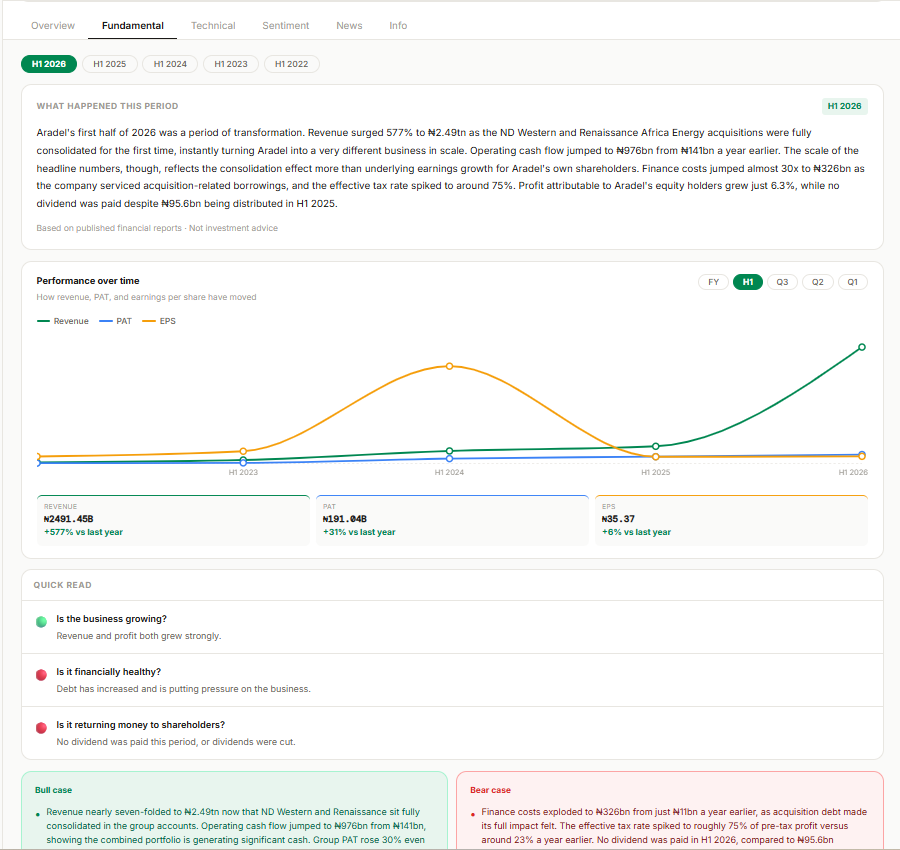
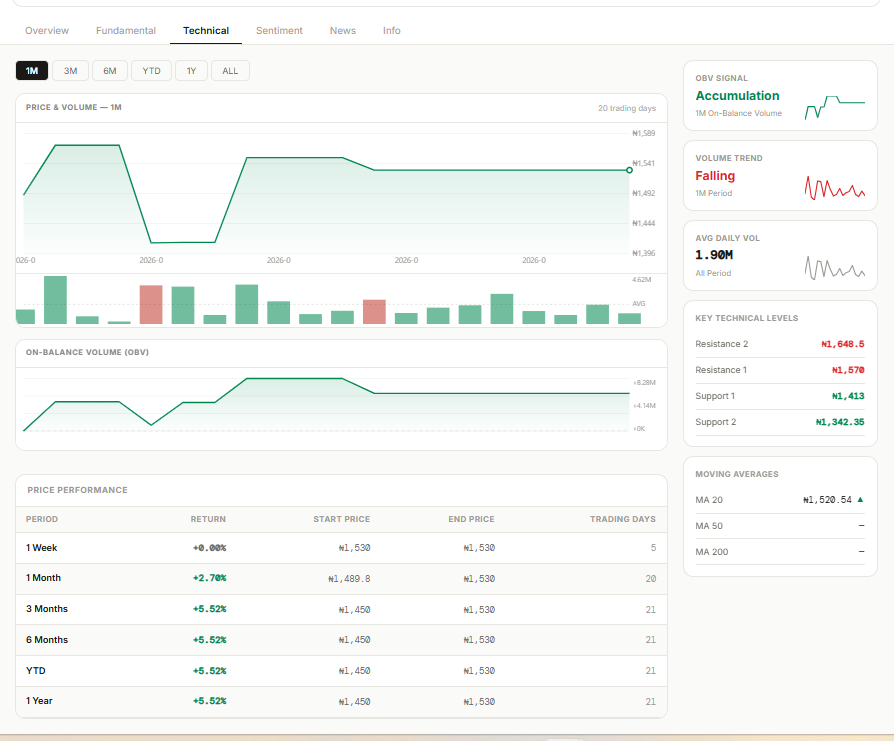
The core idea behind @StockGists is simple: understand a stock through three key lenses, all in one place
Fundamentals: What’s happening with the business?
Technicals: What’s happening with the stock?
Investor sentiment: What are investors thinking and doing?
Each tells a different part of the story.