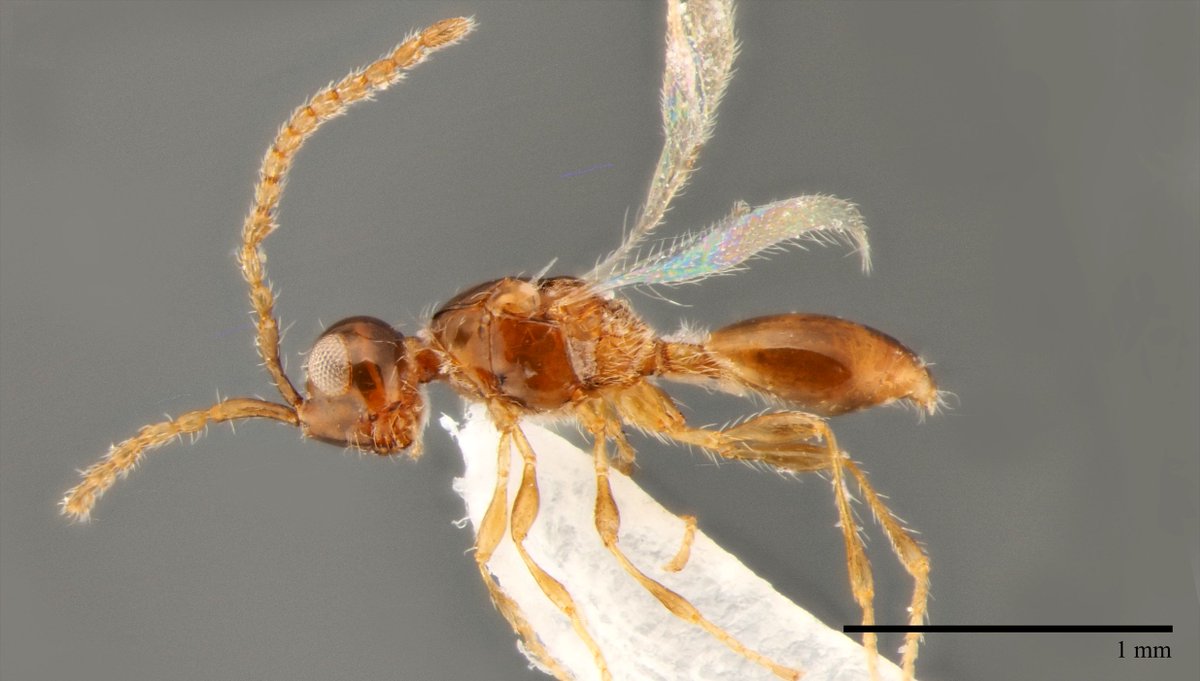
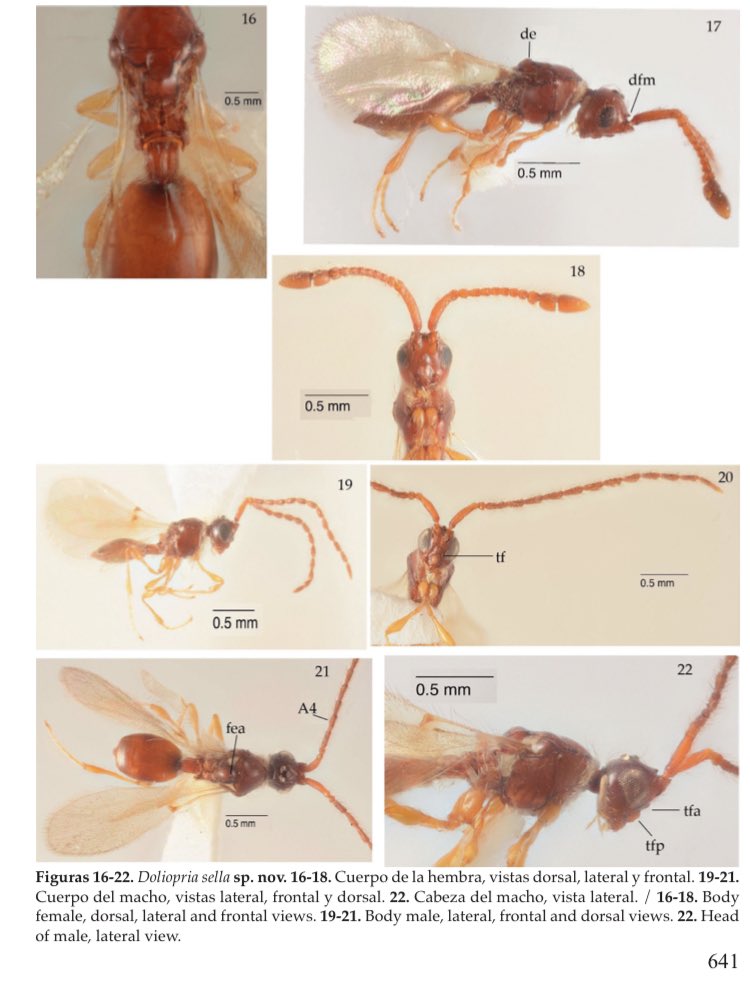
New publication! Review of Tetramopria (Diapriidae) of E Palaearctic - mating behaviour and interactions with host ants. With Ryoji Kawai @satis369086151 and Seonwoo Yoon @Sun_Woooooo. Free download here: https://t.co/BXjK5xVuKR
Dark Taxonomy: From unknown to ready for biomonitoring in 5 steps. By describing 120 species, most species of fungus gnats routinely caught in Singaporean Malaise traps now have names. Bees, butterflies and birds, make room for your new friends. Read here: https://t.co/cmvgjo9flD
Small is beautiful!
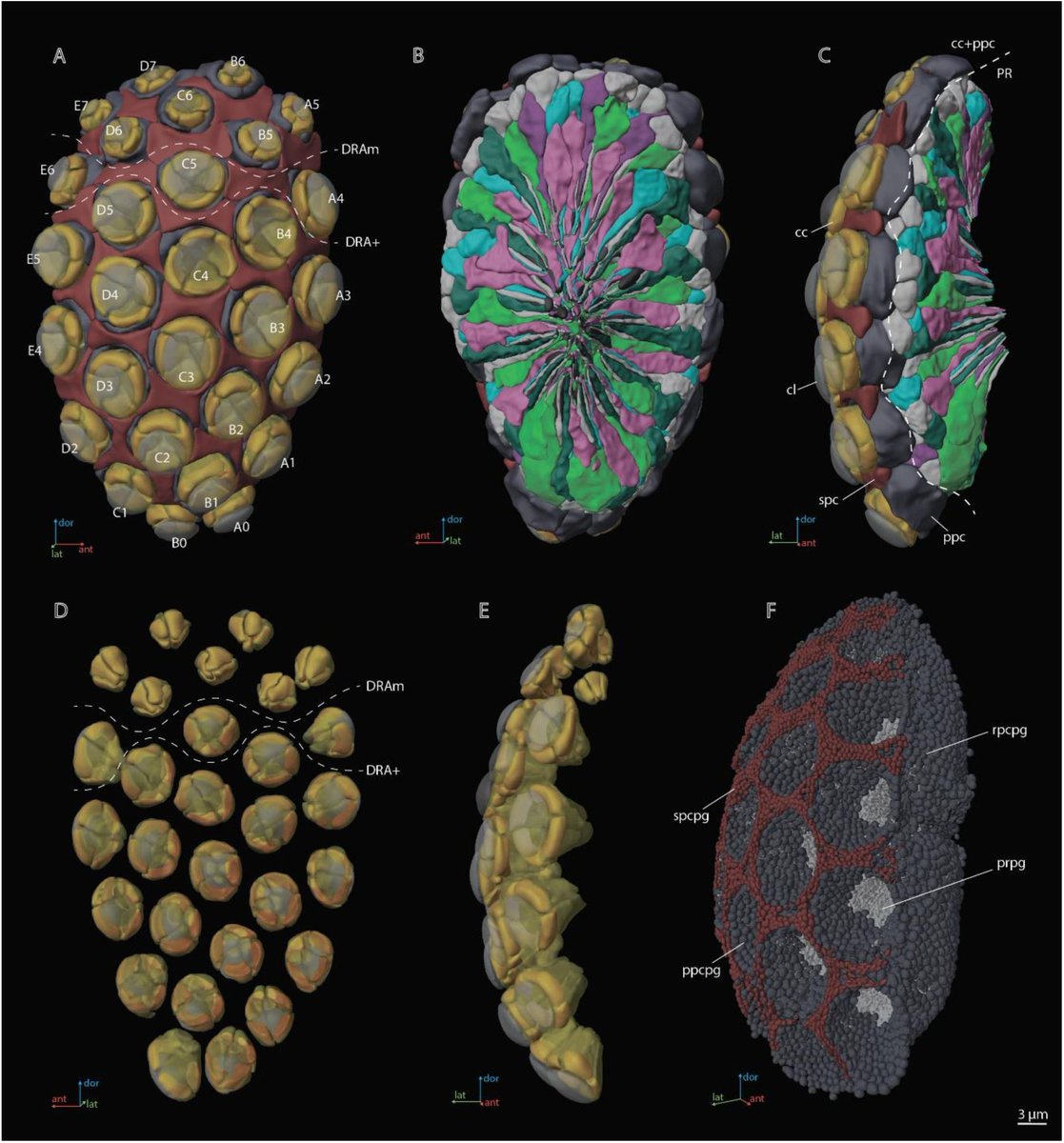
In a new pre-print in eLife, a team led by @AlexeyPolilov do the first-ever 3d electron-microscopic analysis of a miniaturized eye: the 29-lens compound eye of a 0.2-mm-long parasitic wasp!
https://t.co/M0SzJw5W52
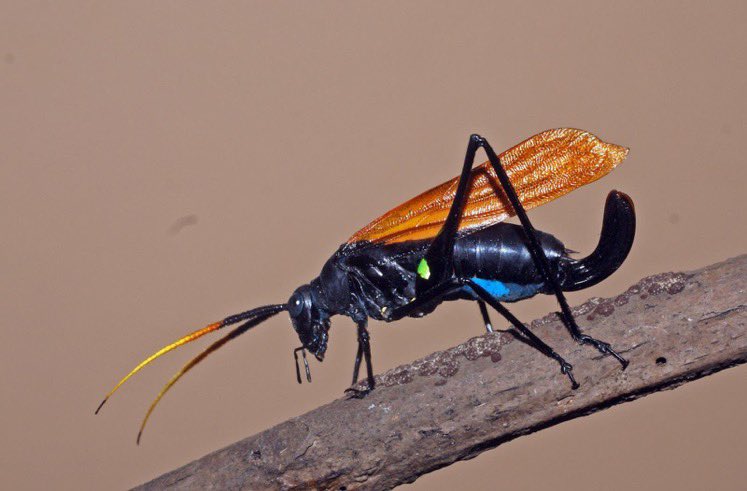
THAT AIN'T A WASP!😳
Imagine the heart-attack you would get if this thing was about to fly at you!
Thats EXACTLY what this Wasp-mimicking KATYDID wants you to think!🤯
Aganacris are cool katydids from South America that mimic a variety of wasps, this one a fierce Spider Wasp!🖤
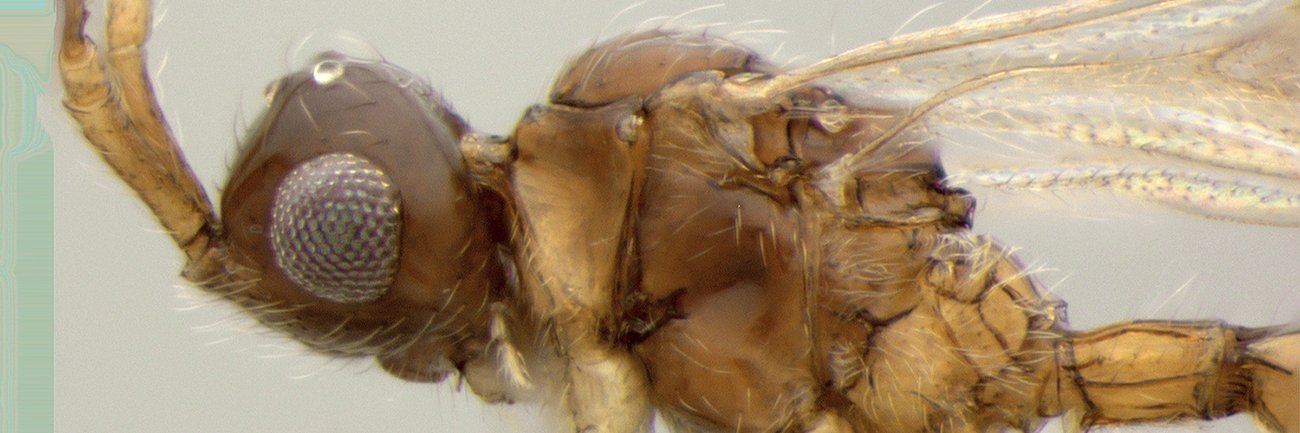
NEW publication 'Review of Diapriidae of the Faroe Islands (Hymenoptera, Diapriidae)' with Mio Hübner, Hannes Gabel, Viktor Deines & Agnes-Katharina Kreiling. Free download here: https://t.co/HCDTddQpEI We identified 10 species including Basalys abruptus (figs below)
Paper alert! We reviewed rare family Vanhorniidae. We described two new species from Japan and Taiwan, revised diagnosis and key to all species, and reviewed distribution in the world. If you are interested in our paper, please let me know.
The Australian Entomological Society expresses its deepest condolences on the tragic loss of Stephen Thorpe. His expertise in entomology, dedication to biodiversity, and selfless volunteer work will be profoundly missed.
Vale, Stephen Thorpe.
https://t.co/WxNoDmiQzl
Three #newspecies of parasitoid #wasps are described in an integrative #taxonomy-based review for the genus Spilomicrus in Germany using #DNAbarcoding and classic morphology. Find out more here: https://t.co/8jsjZtBbzI
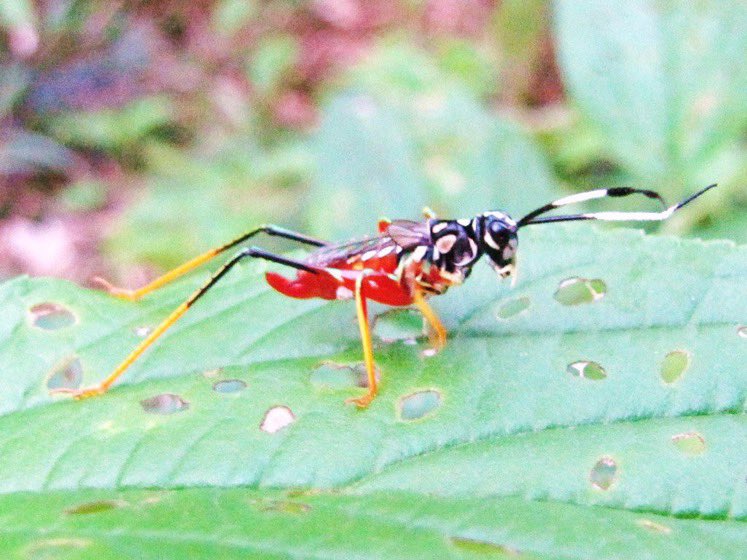
@pbeasleyhall my favorite mimetic orthopteran is A. velutina. early instars mimic ichneumons, while late instars have fake wings, and adults + late instars have green markings that give the impressions of waists! blew my mind when I first saw photos of them