Gynaecological Oncology Surgeon and head of the Ovarian Cancer Cancer Cell Laboratory at the Weatherall Institute of Molecular Medicine, University of Oxford.
Promising! The world's first #ovariancancer vaccine OvarianVax could wipe the disease out - it teaches the immune system to recognize and attack the earliest stages of ovarian cancer. #Ovarcome@UniofOxford
Congratulations @ProfAhmedA & team! 👏
https://t.co/Il13TSj6LH
Great cancer prevention conference last week. Thank you @CRUKresearch for the opportunity to speak. It was very exciting and I learnt a lot @ProfAhmedA
Proud to share the results of our study on the effect of prostaglandin E2 on T cells, which was just published in Nature in which we discovered a new role for PGE2 in inhibiting interleukin-2 (IL-2) sensing and signalling in tumor-reactive T cells https://t.co/9Pu6cy0JvA
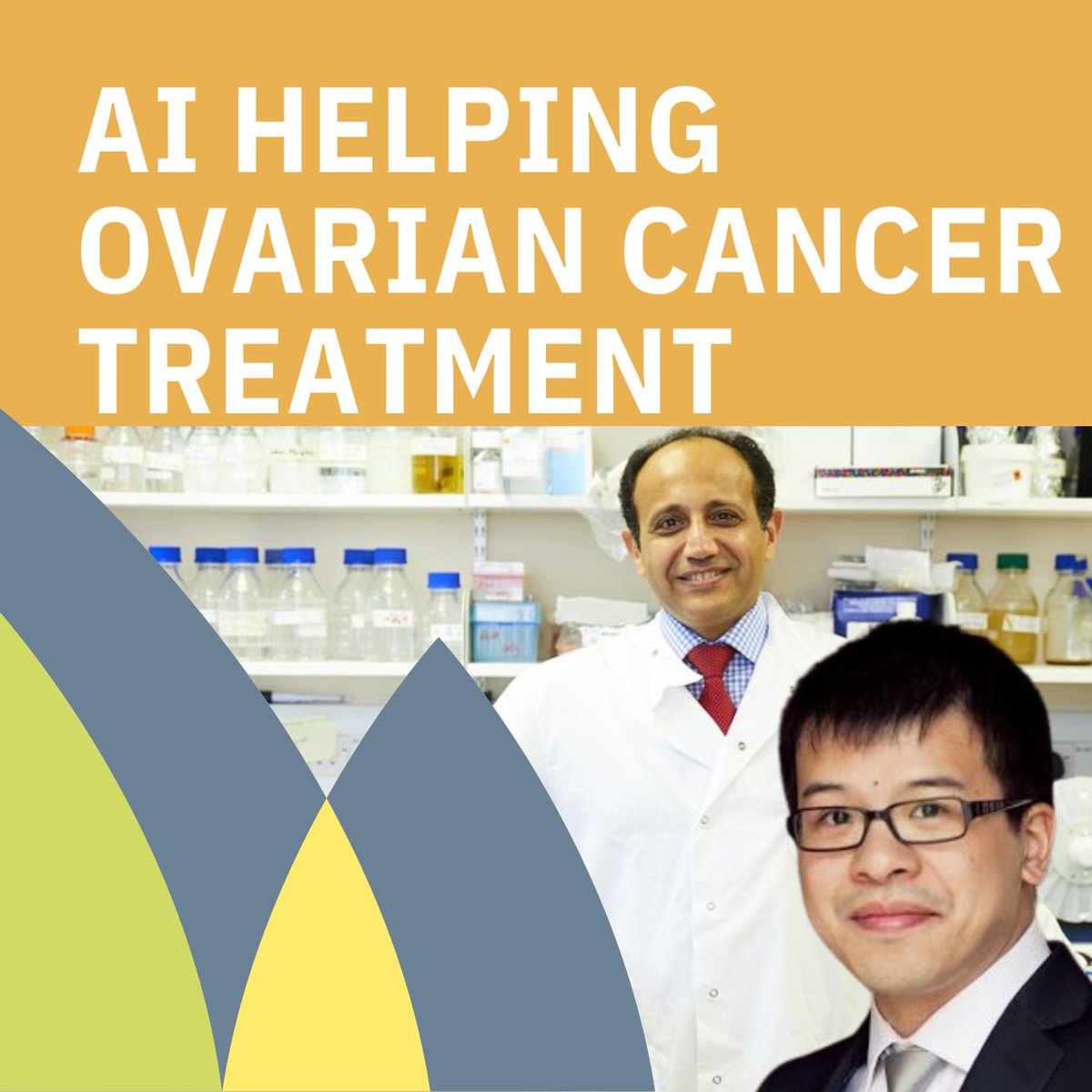
AI is changing the way we approach cancer treatment. By analysing key data, #AI algorithms can see patterns and make predictions that help in developing treatments.
@cwcyau & @ProfAhmedA explain more in @physoc
https://t.co/9YZu9kOaWF #OvarianCancer#WomenHealthStudies
@cwcyau@ProfAhmedA@UniofOxford While the possibilities are exciting, the integration of AI in personalised therapies brings new challenges. Regulatory considerations, potential biases, and the need for careful evaluation underscore the importance of thoughtful planning in AI-enabled therapeutic pathways.
Really excited about this work in collaboration with @bayley_lab We built a credible model for minimal residual disease in ovarian cancer. An important step towards MRD elimination. A surprisingly under investigated topic in solid tumours.
Checkout our new 3D model for #ovariancancer MRD! An exciting collaboration with @bayley_lab taking us a step closer to #longersurvival for women with this disease".
https://t.co/t5OVSelOjt
Super-pleased that years of collaboration with @ProfAhmedA and @Ox_wrh is featured in the @physoc AI report today. Now being translated via @BioSingula
The early detection of disease seems like a good idea but why is it difficult to accomplish in practice? In this blog, I try to simply describe some methodological concepts that need to be considered in the context of early detection: https://t.co/rQaheCx5et
Christmas Countdown Day 4 - The Oxford Classic arrives
This year @Ox_wrh@oxfordahmedlab developed a new way to subtype ovarian #cancer called the #Oxford Classic. It enables accurate predictions of patient outcomes and dictate personalised therapies
👉https://t.co/YhOxT1LCiH
CIDER: an interpretable meta-clustering framework for single-cell RNA-seq data integration and evaluation: New paper by @zhi_yuan_hu with @ProfAhmedA https://t.co/OPFkiMrR6w
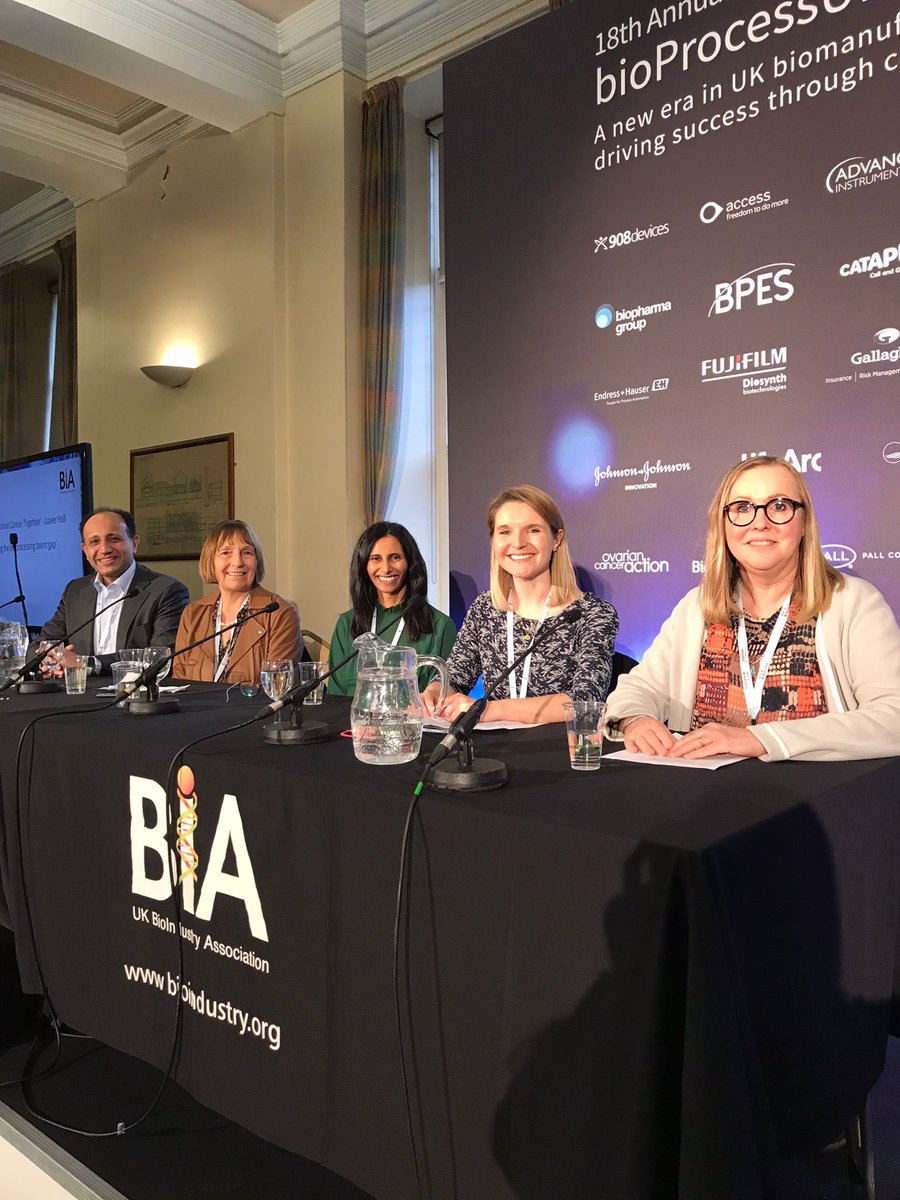
Beyond proud to talk collaboration in ovarian cancer with the UK BioProcessing sector today. Thank you @BIA_UK for having me, @ProfAhmedA , Jo Nunn, Dr Shibani Nicum and Sharon Grimster - the dream team 💪🏼
We're excited to announce that Ovarian Cancer Action funded researchers @ProfAhmedA & Prof Chris Yau @cwcyau have been recognised by the Columbia Hospital For Women Research Foundation for publishing the most impactful paper in the field for 20/21.
Really honored to receive an award from CHWRF with @cwcyau and our co-authors for the most impactful manuscript in our field for 2020. Well done @zhi_yuan_hu and @oxfordahmedlab https://t.co/Y3xMelU73A
We termed the non-genetic heterogeneity-based classification the “Oxford Classic”. We subsequently validated the fundings using in an independent data set in collaboration with @CF_PC_OvCaGroup https://t.co/qDc7Vc8qcC