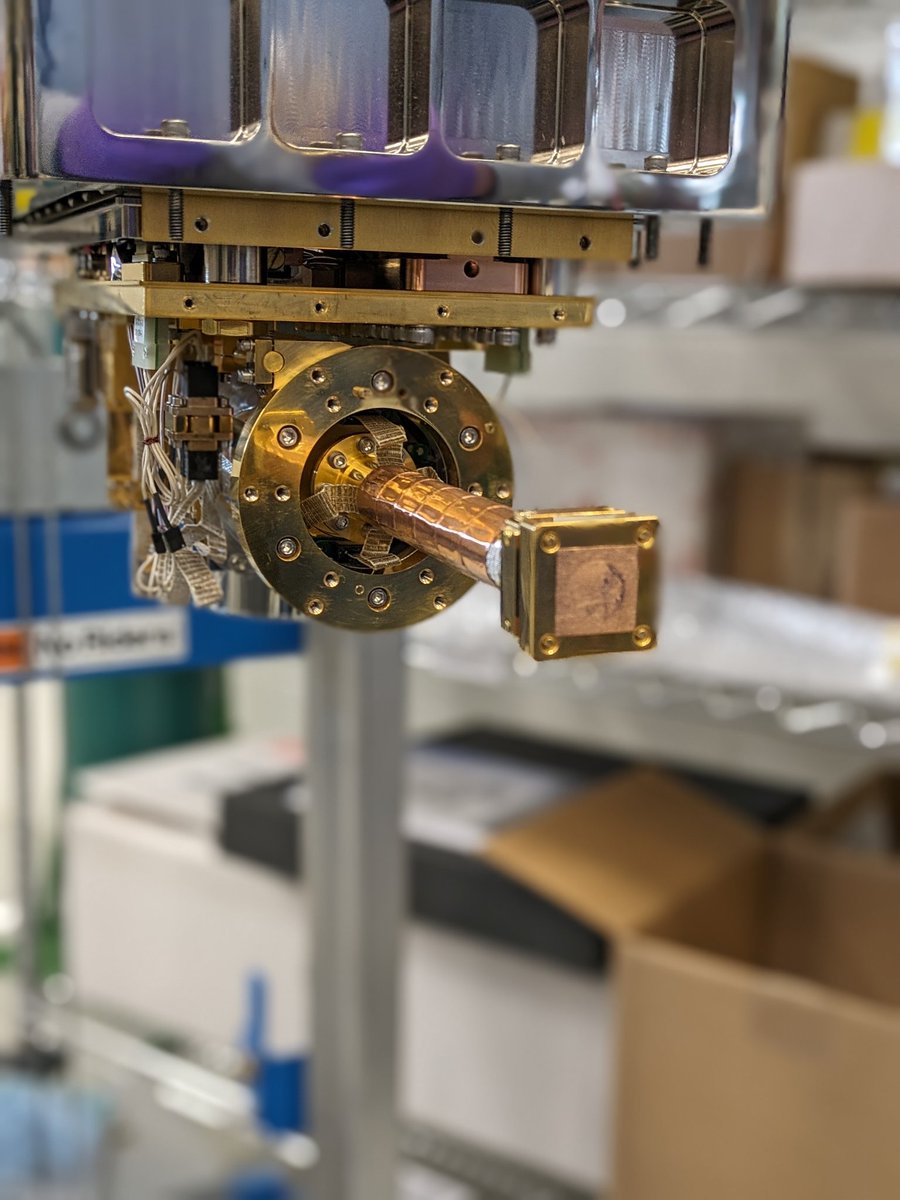
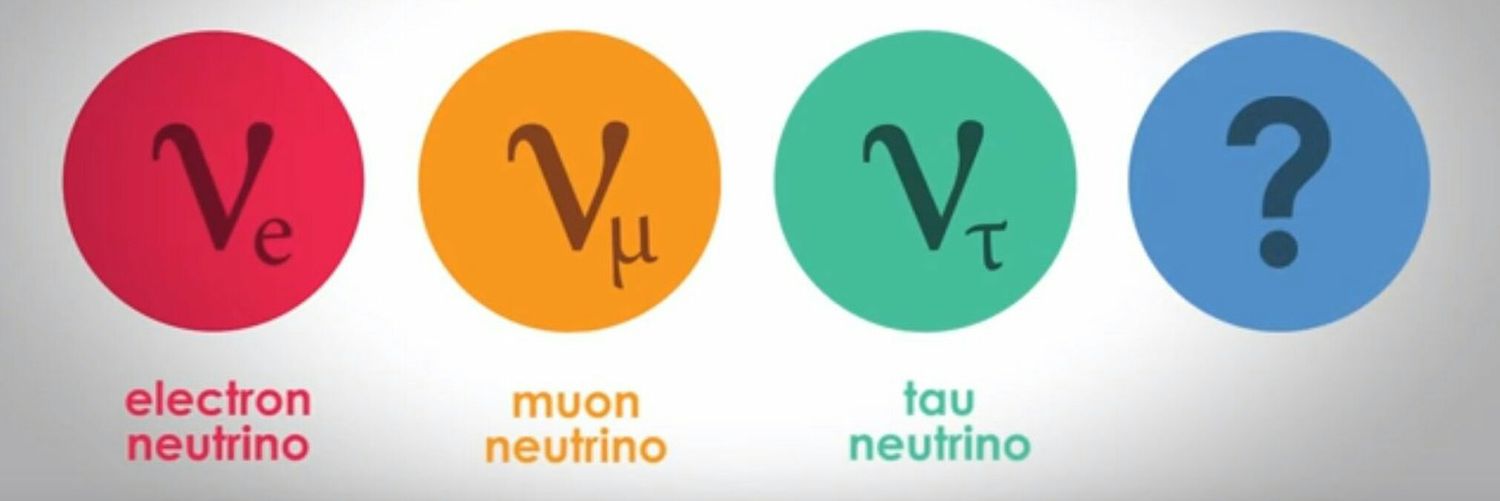
##Neutrinos, once thought minuscule, are now measured to be at least 6.2 picometers, significantly larger than atomic nuclei. This finding could reshape neutrino detector designs and enhance our understanding of matter. @nature https://t.co/gtib9nctg1 https://t.co/4jBzxxfisd
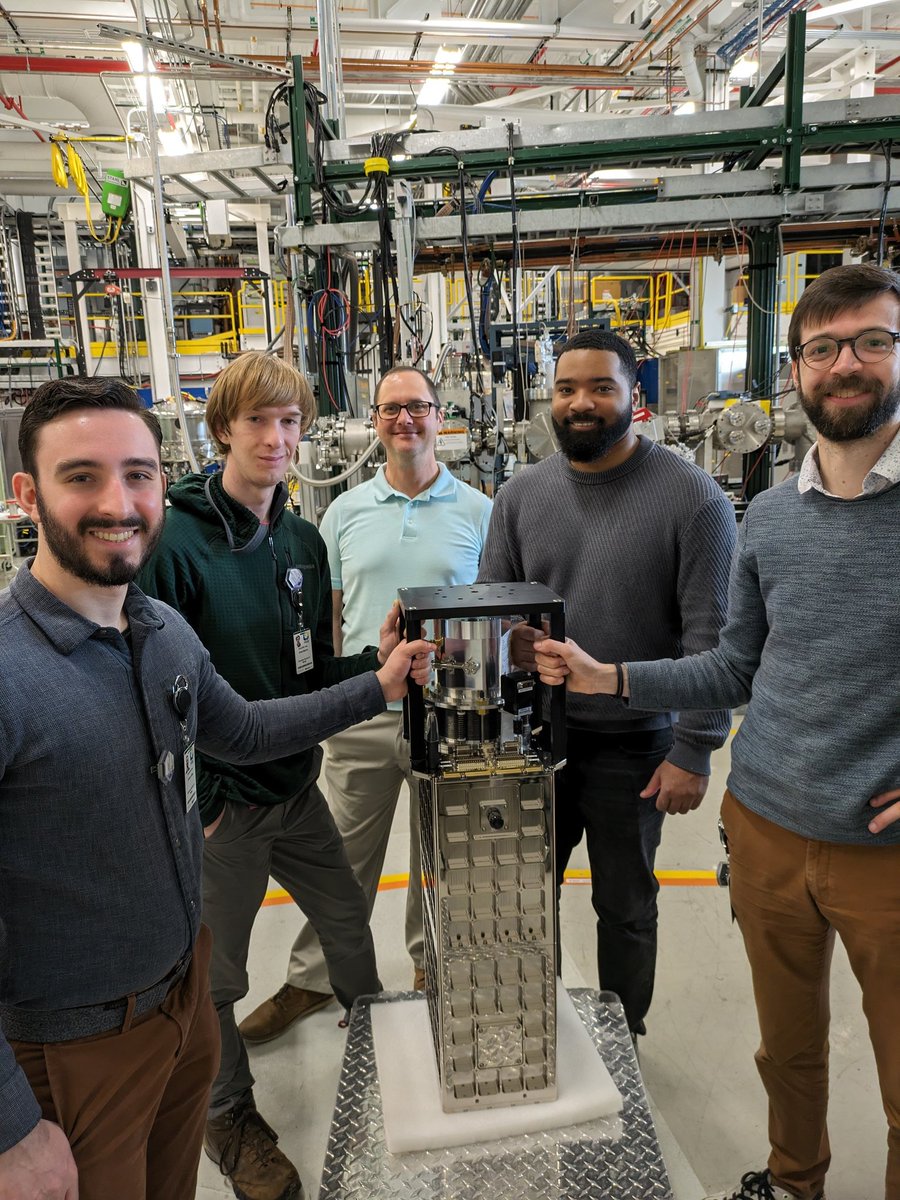
Congratulations to our BeEST team on the release of our signal processing paper prior to our Phase-III data unblinding later this year.
https://t.co/E89fNidaqh
Observables in quantum gravity: from theory to experiment
I'm helping organize this Aspen winter session. Join us!
We have some travel support set aside for people from under-rep'd backgrounds and universities -- please reach out/apply.
https://t.co/vALE6RadWu
Studying the size of neutrinos’ wave packets could help unveil the connection between the everyday world of classical physics and the strangeness of quantum physics.
https://t.co/rxa63Aaibh
Thank you to all our Feb. Nuclear Particle Astrophysics (NPA) Seminar speakers!
Kyle Leach, Colorado School of Mines
Renee Ludlam, Wayne State University
Seb Jones, UCL
Rachel Carr, USNA
Julieta Gruszko, UNC Chapel Hill
Bryan Ramson, Fermilab
#yalewrightlab@yalephysicsdept
Interested in graduate studies in physics or physical oceanography? Situated on the easternmost tip of Canada the province of Newfoundland and Labrador is renowned for its natural beauty and the hospitality of its inhabitants. Apply here: https://t.co/Kh7YkcbOSB @MemorialU
“The space of possible experiments is vast and unexplored," says Berkeley Lab Theoretical Physicist Daniel Carney, "Tabletop searches are the Wild West."
NEW: Precision measurements bring the search for new #physics to the table ⬇️
https://t.co/Jee6HEDUvC