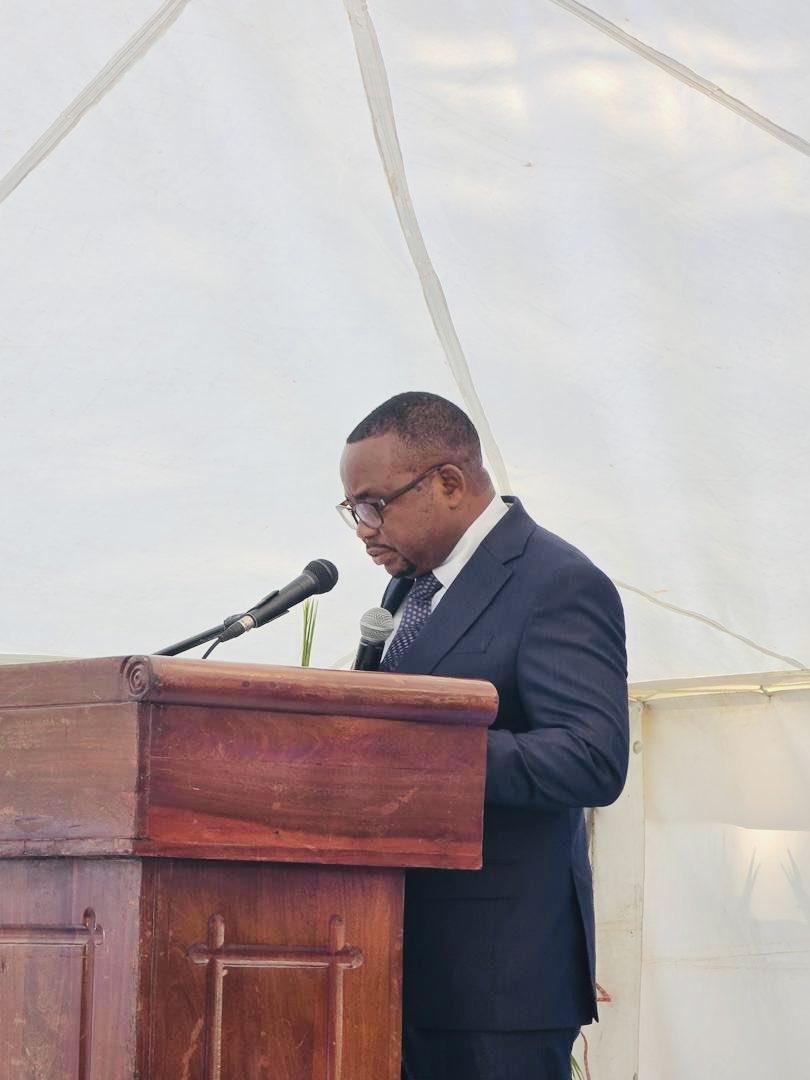
Today, I had the opportunity to address fellow Ministers, development finance institutions and distinguished delegates at a regional housing sector engagement in Zambia, where I outlined Zimbabwe’s approach to innovation in housing delivery and financing.
Under the leadership of His Excellency, President Dr E.D. Mnangagwa, Zimbabwe is repositioning housing as an engine of economic transformation, job creation and human dignity, in line with Vision 2030.
With a national housing backlog estimated at 1.5 million units, Government is targeting the delivery of one million housing units by 2030 under NDS2. This calls for innovative construction technologies, high-density developments, integrated human settlements and modernised regulatory frameworks.
We are also embracing alternative financing models, including public-private partnerships, land-as-equity arrangements, housing bonds and increased mobilisation of pension fund investments.
Our engagement with Shelter Afrique has already secured credit lines exceeding US$72.5 million, reinforcing the importance of regional partnerships in expanding access to affordable housing.
I called upon development finance institutions, pension funds, private developers and technology providers to support Zimbabwe through blended finance, guarantees and investment in alternative building technologies.
Our ambition goes beyond building houses. We are building sustainable, inclusive and economically viable human settlements that improve livelihoods and secure a better future for our people.
Sheltering the Nation. Building Sustainable Communities. Advancing Vision 2030.
It was a profound honour to officially open the 2026 Zimbabwe Building Contractors Association (ZBCA) Annual Conference at the Great Zimbabwe Hotel in Masvingo.
As we pursue our ambitious Vision 2030 target of delivering one million housing units, we must remember: world-class excellence is not simply about constructing more buildings or completing projects faster. It is about building safely, sustainably, and efficiently, while meeting standards that stand the test of time.
In my address to our national contractors, I highlighted key priorities for our sector's transformation:
1️⃣ Modernizing Regulations: We are advancing reviews of the 1977 Model Building By-Laws to establish a unified National Building Code focused on green construction, structural integrity, and climate resilience.
2️⃣ Embracing Digital Transformation: To stay globally competitive, our local industry must adopt Building Information Modelling (BIM), AI planning, drone technology, and integrated digital approval systems.
3️⃣ Smart Cities & Densification: Under our National Human Settlements Policy, at least 40% of land allocated for human settlements must be reserved for high-rise developments to ensure efficient land utilisation.
As Winston Churchill observed, "We shape our buildings, and afterwards our buildings shape us."
As His Excellency President Dr. E.D. Mnangagwa consistently reminds us: "Nyika inovakwa nevene vayo." The Zimbabwe we want will be built through our own skills, expertise, resources, innovation, and determination.
REIMAGINING ZIMBABWE’S HUMAN SETTLEMENTS: FROM PLANS TO PLACES
The future of our human settlements must go beyond constructing houses. It must be about creating complete, functional and sustainable communities where people can live with dignity, access essential services and participate meaningfully in economic development.
I had the honour of addressing the 2026 Zimbabwe Institute of Regional and Urban Planners (ZIRUP) Annual School Conference at Mavuna Lodge in Bulawayo, running under the theme: “From Plans to Places: Reimagining Spatial Planning for Zimbabwe’s Sustainable, Inclusive and Resilient Future.”
My address emphasised the need for integrated spatial planning, efficient land utilisation, urban densification and the adoption of modern technologies, including Artificial Intelligence and Geographic Information Systems, to strengthen planning and decision-making.
As we work towards Vision 2030, our approach to human settlements must prioritise affordability, infrastructure development, environmental sustainability and inclusivity. We must build communities that respond not only to today’s needs but also to the demands of future generations.
I also called for stronger partnerships between Government, local authorities, professional bodies, the private sector and communities to accelerate the delivery of sustainable human settlements.
As we are reminded by His Excellency, the President, Dr. Emmerson Dambudzo Mnangagwa: “Nyika inovakwa nevene vayo; ilizwe lakhiwa ngabanikazi balo.”
Our responsibility is to translate national aspirations into tangible development outcomes.
We must plan better, build smarter and create places that our people are proud to call home.
GREAT DYKE SMART CITY: REIMAGINING THE FUTURE OF URBAN LIVING
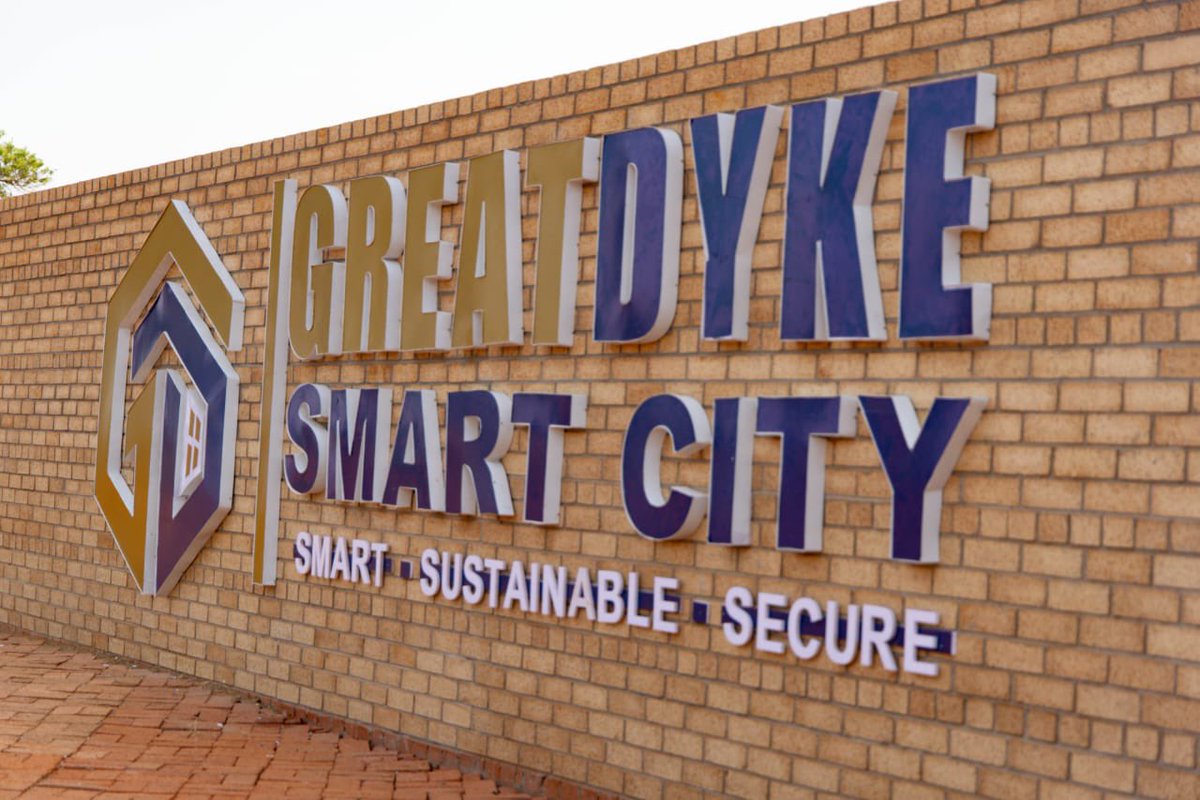
The 6,000-unit Great Dyke Smart City in Kadoma represents an important stride towards transforming Zimbabwe’s housing landscape.
Beyond the provision of residential units, the development reflects a progressive approach to urban planning, bringing together modern housing, inclusive communities and sustainable development. Its focus on low- and middle-income earners also speaks to the importance of making decent housing accessible to a broader section of society.
As a Ministry, we recognise the private sector as a critical partner in accelerating housing delivery and advancing the national target of one million housing units by 2030 under NDS2.
Our ambition is to move beyond conventional housing delivery towards well-planned, environmentally conscious and economically vibrant communities where families can live with dignity and opportunity.
Adequate Housing for All is not merely an aspiration; it is a national development priority.
The 2027 Pre-Budget Seminar has provided an important platform to highlight the funding requirements and challenges facing the housing sector.
The Ministry of National Housing and Social Amenities requires ZWG 9.4 billion to adequately implement its housing programmes, against an allocation of ZWG 1.4 billion, representing a funding gap of approximately 85%.
This shortfall has implications for the pace of housing delivery and the implementation of ongoing projects across the country. Nevertheless, we remain committed to advancing the national housing agenda, with 1,389 title deeds already issued, surpassing our set target.
We have called upon Parliament to consider increased budgetary support, timely disbursement of allocated funds and the protection of resources earmarked for housing development.
Equally important is the need to adopt an integrated approach to human settlements. Our responsibility goes beyond constructing houses. We must ensure that communities are supported by schools, clinics, reliable water supplies, roads and other essential social amenities.
A house becomes a home when it is supported by the services and infrastructure that make dignified living possible.
Our commitment to delivering sustainable, inclusive and well-serviced human settlements remains unwavering.
ACTING PRESIDENT MOHADI COMMISSIONS 6,000-UNIT GREAT DYKE SMART CITY
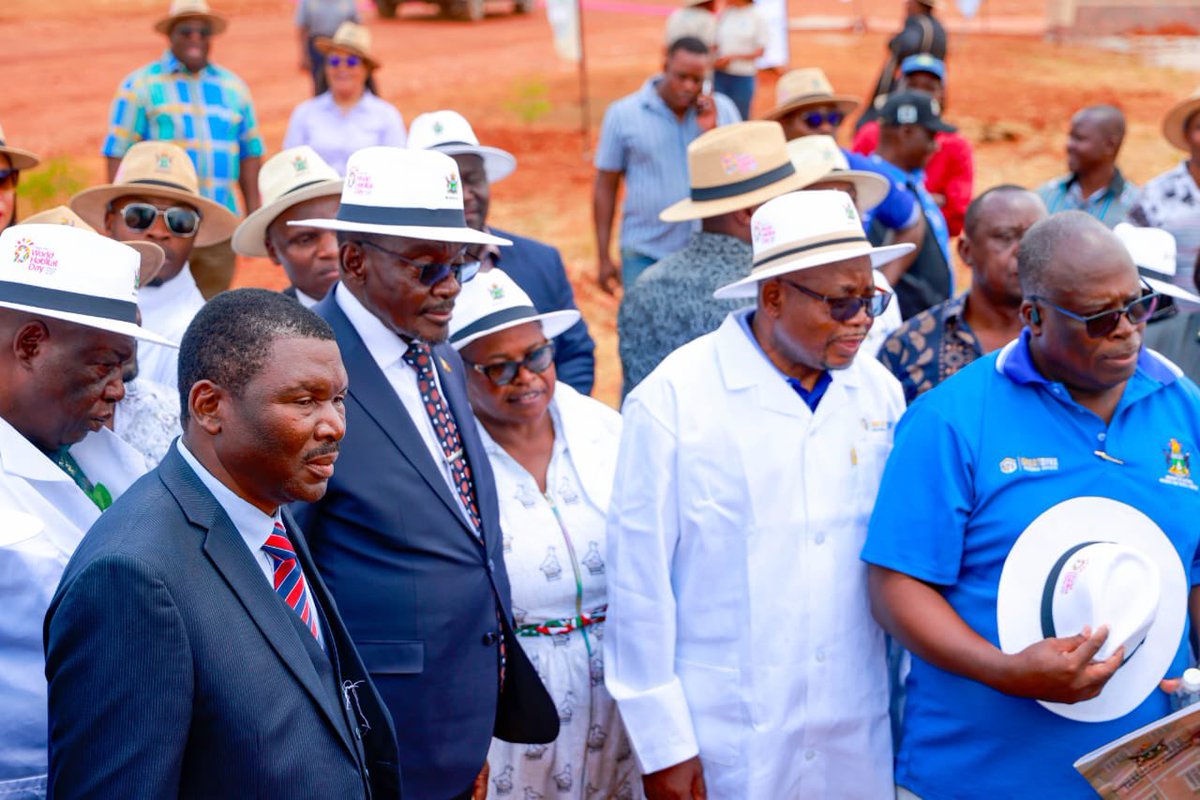
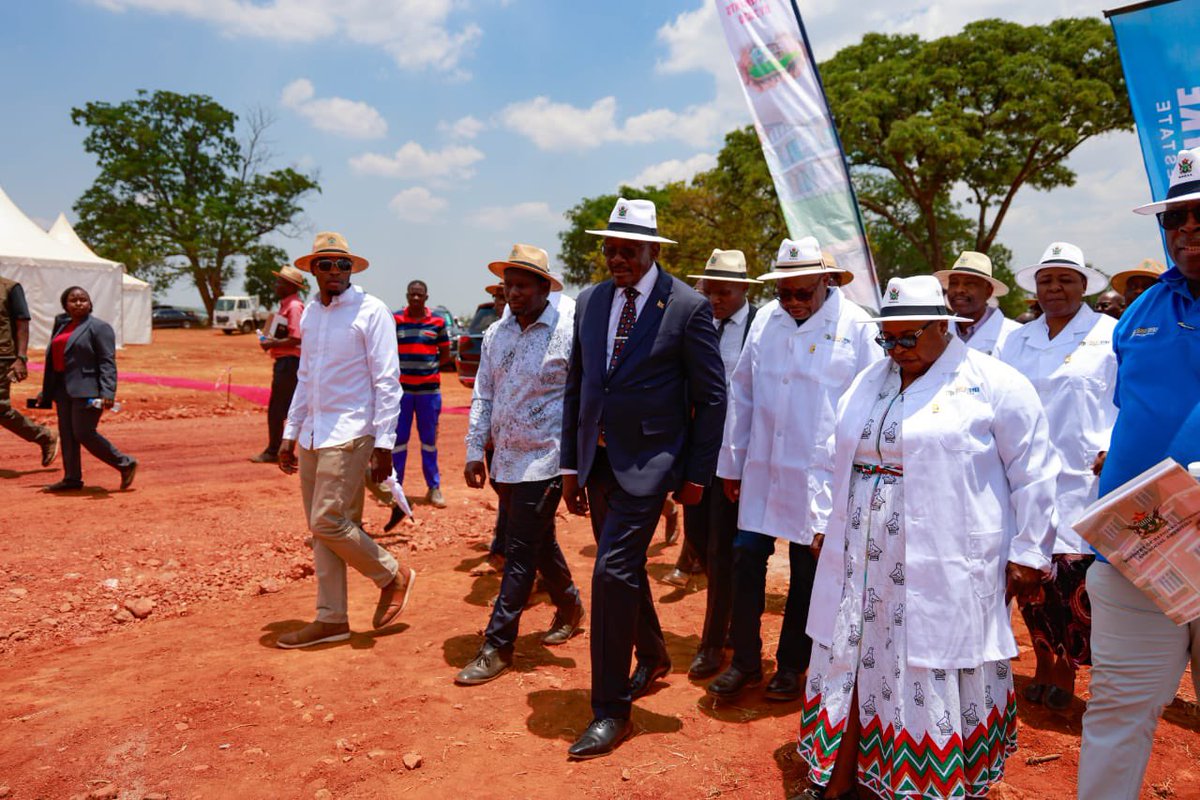
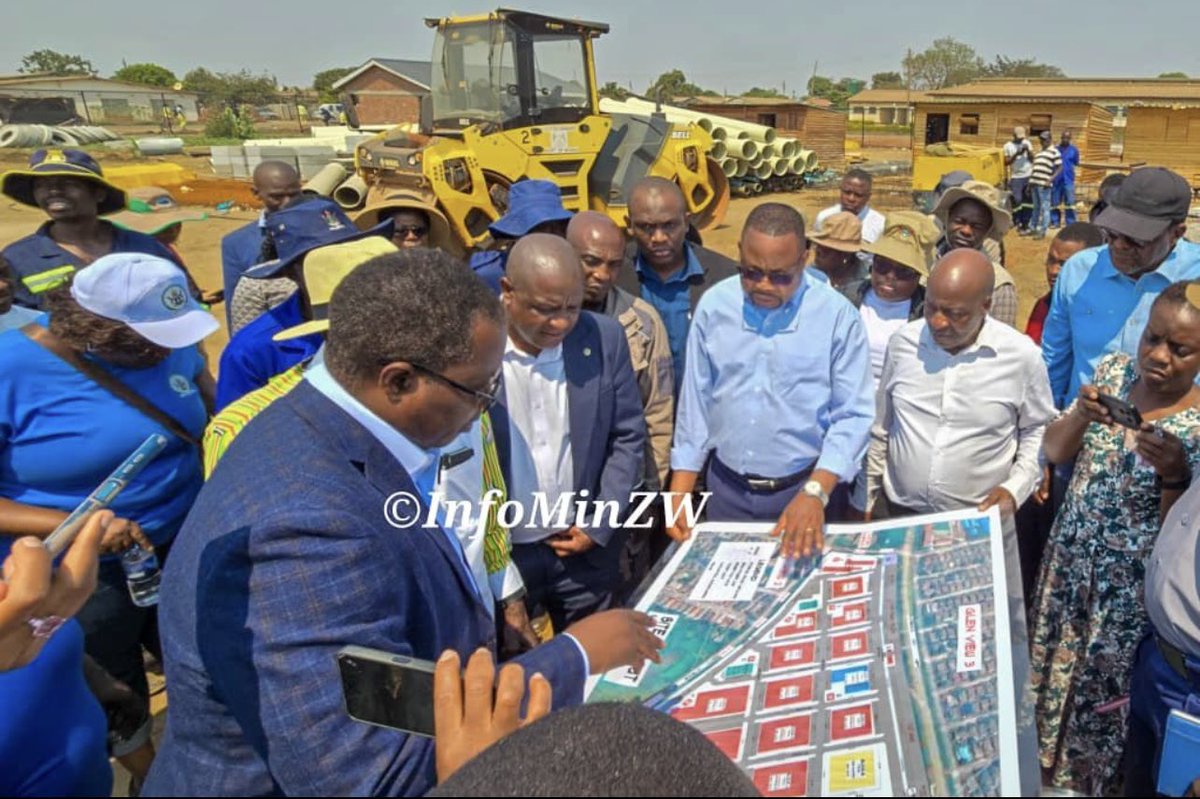
Acting President Hon. Dr K.C.D. Mohadi today commissioned the 6,000-unit Great Dyke Smart City project in Kadoma during belated World Habitat Day commemorations, held under the theme "Adequate Housing for All." He was accompanied by Minister of National Housing and Social Amenities Prof. Paul Mavima and Mashonaland West Minister of State Hon. Marian Chombo. Developed by Develop IT Zimbabwe, the gated community offers cluster and low-density housing for low- and middle-income earners, promoting inclusive, affordable housing. The project supports the NDS2 target of one million housing units by 2030 and highlights public-private partnerships in housing delivery, job creation and sustainable urban development. Mohadi also planted a Leopard (Mbada) tree, underscoring environmental conservation and climate-resilient development:
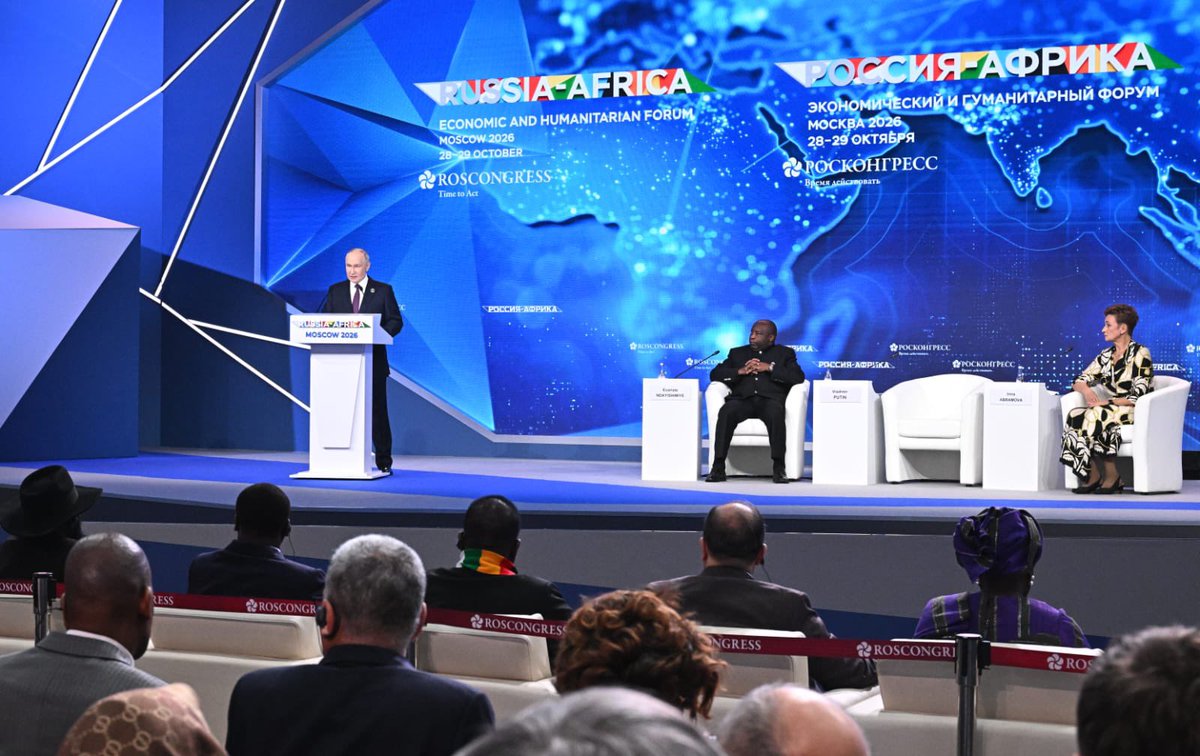
Today I joined fellow Heads of State and Government at the official opening of the Russia-Africa Summit, hosted by my brother and counterpart, President Vladimir Putin.
The bonds between Africa and Russia were forged in common struggle and have been strengthened by years of mutual respect. Today, we reaffirmed our unwavering commitment to multilateralism, to win-win partnerships, and to turning agreements into concrete action.
Zimbabwe is not waiting—we are moving decisively to create value for our minerals through value addition and beneficiation. And we are resolute in our pursuit of a world order built on mutual respect, equality and fairness.
A coherent national approach to building standards will help reduce regulatory inconsistencies, improve compliance, strengthen consumer protection and create greater certainty for housing developers and investors
Acting Minister of @InfoMinZW Prof Paul Mavima said under the Second Republic, Government is focused on producing, building and educating the nation, with citizens continuing to access health care and drive industry despite sanctions.
He said Anti-Sanctions Day is not just a protest against injustice but a celebration of courage and resilience, noting Zimbabwe does not stand alone and that regional integration is key to expanding trade and industrial value chains.
Earlier today, I joined the Minister of State for Provincial Affairs and Devolution for Mashonaland Central, Hon. Christopher Magomo, and citizens in Bindura for the SADC Anti-Sanctions Day commemorations at Chipadze Stadium.
As Acting Minister of Information, Publicity and Broadcasting Services, I recognise the significance of this annual observance, established by SADC Heads of State and Government in 2019, in amplifying Zimbabwe’s call for the lifting of sanctions and advancing regional solidarity.
Held under the theme “Leveraging Regional Integration and Global Partnerships for Economic Transformation beyond Illegal Sanctions,” this year’s commemorations highlight the importance of regional cooperation and global partnerships in unlocking economic opportunities and advancing sustainable development.
#AntiSanctionsDay #SADC #Zimbabwe
I had the honour of officiating as Guest of Honour at the official launch of the inaugural Home Makers Expo Zimbabwe 2026 at Thornpark Polo Grounds in Harare.
Held under the theme “Everything Home,” the Expo provides a vital platform for housing, property development, construction, home financing and the broader built environment to converge in support of Zimbabwe’s national housing delivery ambitions and Vision 2030.
As Government advances the National Development Strategy 2 (NDS2) and the National Housing Delivery Programme, private sector-led initiatives such as this remain important in mobilising investment, fostering innovation and accelerating the delivery of affordable, quality homes and sustainable communities for all Zimbabweans.
Government urges citizens to verify all land allocations with local authorities before making payments. Beware of land barons and fraudulent land deals. Verify first, pay later.
In my capacity as Acting Minister of Information, Publicity and Broadcasting Services, I joined the Minister of State for Harare Metropolitan Province, Hon. Charles Tawengwa, and Ministry officials on a media tour of key development projects in Harare, assessing progress in infrastructure development, market modernisation and road connectivity.
The tour provided an opportunity to appreciate the Government’s ongoing efforts to modernise urban spaces, improve trading conditions for informal businesses, strengthen public infrastructure and enhance the safety and efficiency of the city’s transport network. These interventions reflect the broader commitment to orderly urban development, improved livelihoods and sustainable economic growth in pursuit of Vision 2030.
#Vision2030
The 19th COMESA Business Forum and Exhibition provides a vital platform for strengthening regional integration, mobilising investment and advancing inclusive industrialisation.
From a housing and urban development perspective, such regional cooperation presents opportunities to accelerate affordable housing delivery, develop sustainable human settlements and mobilise private-sector investment in critical infrastructure.
Our collective priority remains translating economic cooperation into tangible development outcomes that improve livelihoods and advance shared prosperity.
#COMESA #ShelteringTheNation
For too long, we have imported and adapted solutions without adequately considering Zimbabwe’s local conditions, resources, culture, climate, settlement patterns, and economic realities.
This must change.
We need Zimbabwean engineers asking different questions: How do we build affordable housing using local materials? Design climate-resilient infrastructure? Harness digital technologies to manage growing cities? Build roads, bridges, water systems, and energy infrastructure more efficiently and affordably? Transform Zimbabwe’s natural resources into value-added products, technologies, and industries that create jobs locally rather than exporting raw materials?
These are not merely engineering questions. They are questions of Zimbabwe’s economic sovereignty.
ZIMBABWE AND RWANDA DEEPEN HOUSING COOPERATION
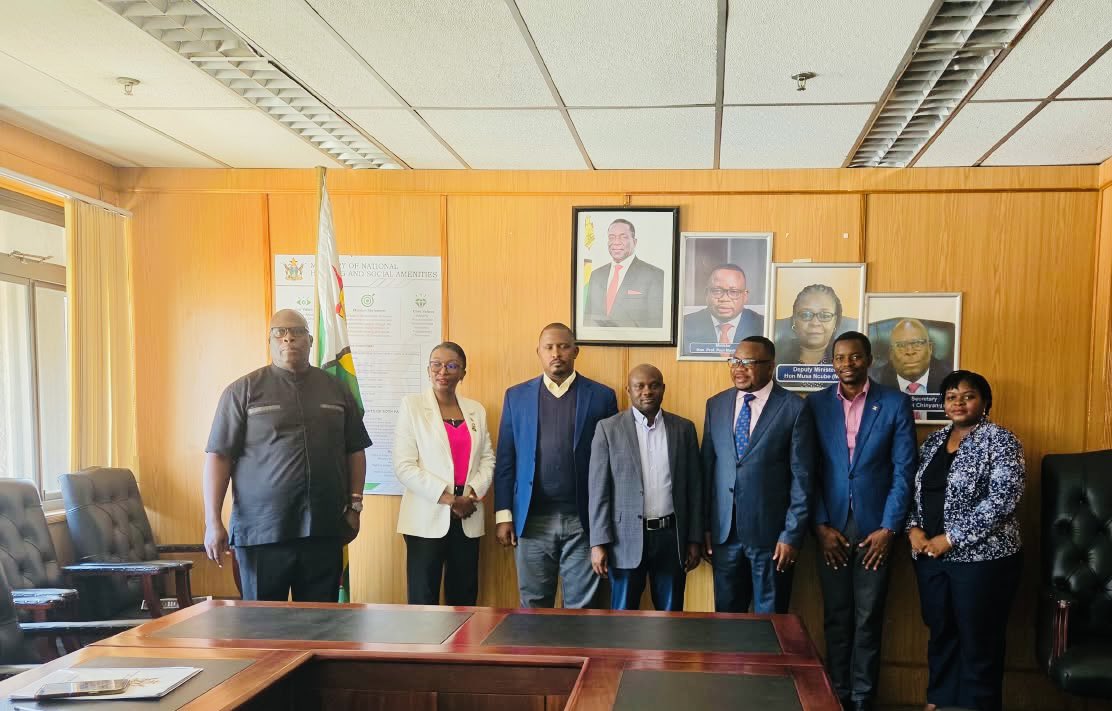
I received a delegation from the Rwanda Housing Authority, led by Deputy Director General Mr Nsanzineza Noel, for a technical exchange visit aimed at advancing the implementation of the 2023 Zimbabwe-Rwanda Housing MoU.
Our discussions centred on affordable housing delivery, innovative building technologies, public-private partnerships and sustainable urban development, with particular emphasis on exchanging expertise and exploring practical solutions to housing delivery.
As Zimbabwe advances towards its target of delivering one million housing units by 2030, international cooperation, investment mobilisation and modern construction methods remain essential to building inclusive, functional and sustainable human settlements.
Nyika Inovakwa Nevene Vayo.
Sheltering the Nation.
A smart settlement that ordinary Zimbabweans cannot afford is not truly smart. The future of Zimbabwe will not be determined merely by the buildings we construct. It will be determined by the communities we create, the opportunities we generate, the knowledge we apply and the