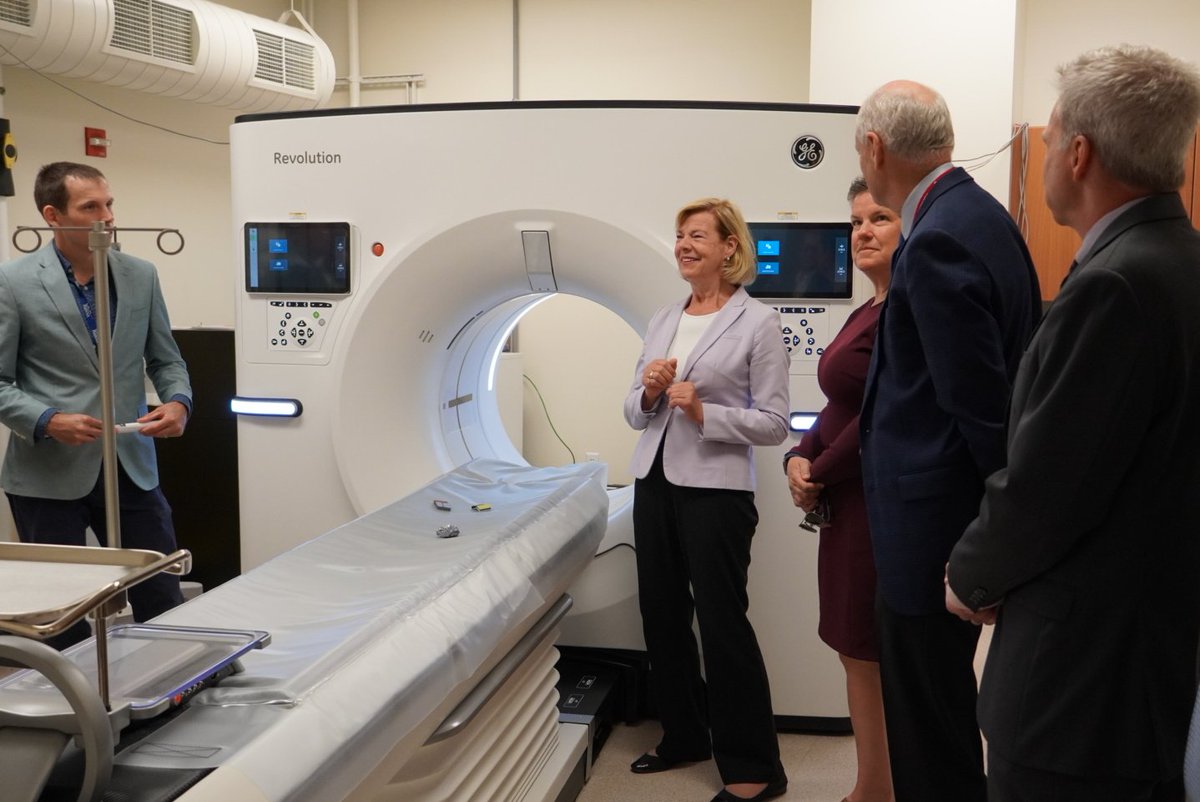
Wisconsin’s world-class research institutions and universities like the ones here at @UWMadison are leading the world to find new ways to keep us healthy and growing our manufacturing workforce of tomorrow. It’s also what will make Wisconsin the perfect place for a Tech Hub!
UW-Radiology's interventional CT program is leading the way on the latest in technology and clinical applications. Read about our new research! @Prof_TimStick@LStratchko
@markPsupanich I'm so glad I don't have to deal with this system or the previous system (all the scanners I do annuals on are rad onc and don't have to go through these red tape loops)
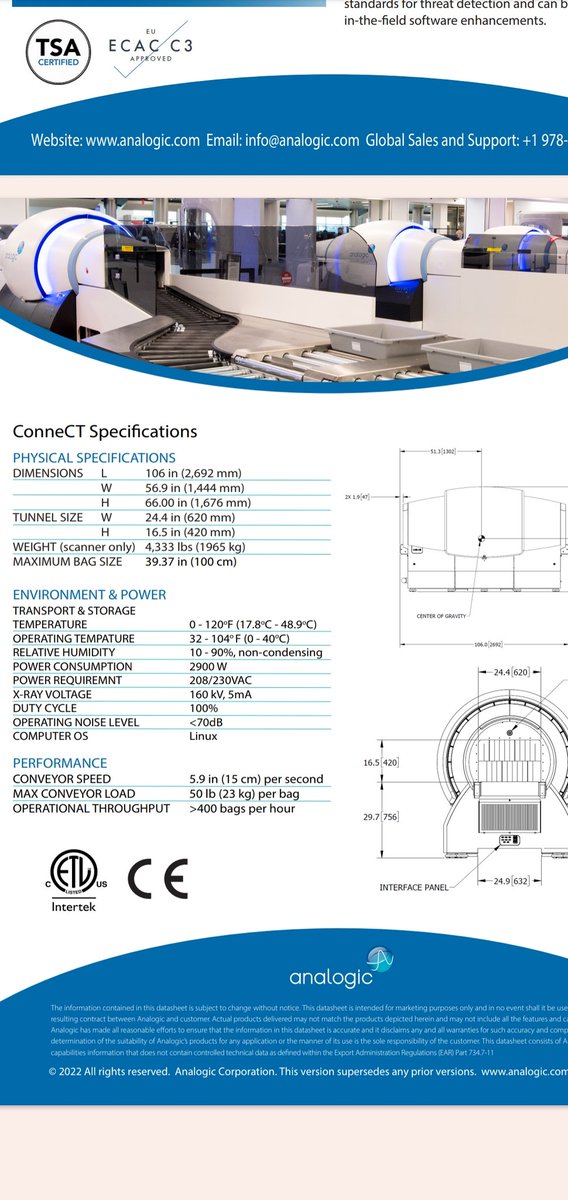
1/2 Went through an airport with analogic CT scanners. tsa worker made a deal about people's bags not being too high, and even had weights to push down people's stuff. I asked a tsa person, she said "if a coat falls out the machine breaks". I assumed it was truncation issues
2/2 and negatively affected image quality, but could it be there is no shield between the rotating gantry and the belt...?
I can't believe that. It must be stuff falls off and lays on the cover and throws artifacts for all the bags after until they clear it.
Thoughts?
@MichaelOumano@AvrahamCooperMD I disagree. Using a wider beam for the scout is like saying a race car can beat another race car so long as it has a longer hood. That would only matter for really short races....
@MichaelOumano@AvrahamCooperMD Localizer radiographs usually use a small (like 5 mm) configuration. For dose reasons, you'd need to lower the mA to the point of photon starvation if used a wider beam. Wide beam doesn't increase scout speed that much I think. t=d/v, with wide beam d gets reduced by a few cm?