Golden after golden hour.
We got this photo from a crew as they were wrapping up in Golden. Love that even after a long day, they still thought to stop for a second and share the view with the rest of us.
Thanks for staying late to finish this one guys. We know that’s time out of your evening, and we appreciate you.
Real talk for homeowners. The federal tax credit for residential solar already expired at the end of last year, and we are not going to pretend otherwise. But here is the thing: with current equipment prices, Colorado sunshine, and rising utility rates, solar still pays for itself for a lot of homes. The math just looks a little different now. We laid it all out honestly: /
Last call. Tomorrow is the July 4 deadline for commercial solar projects to begin construction and qualify for the 30 percent federal credit. If you have been on the fence, this is the moment. Reach out today and we will move fast: /
Before you even go solar, there is money to be saved. Swapping to LED lighting, sealing up drafts, and being smart about your biggest appliances can shrink your bill and, just as importantly, shrink the size of the system you need. We put together the highest impact moves here: /
Two days. We will keep this short because time is short. Commercial and agricultural solar needs to begin construction by July 4 to lock in the 30 percent credit, and after that qualifying gets much harder. Colorado business owners, consider this your reminder. Let us help: /
Three days left. July 4 is the deadline for commercial solar projects to begin construction and secure the 30 percent federal credit. If you own a building in Colorado and you have been meaning to look into this, do not let it slip by. A quick call today could still get you in the window: /
Want to really cut ties with the gas company? Pair solar with a heat pump and you can heat your home, cool it, and run the whole thing on sunshine. Heat pumps have come a long way and they hold up just fine in Colorado winters. The all electric home is closer than you think: /
One thing we tell every customer: watch your system the first few months. Modern solar comes with an app that shows you exactly how much each panel is producing in real time. It is oddly satisfying, and it means you catch any issue early instead of finding out on your bill. Quick guide to monitoring: /
Colorado just moved to make plug in solar legal, the kind of small panel setup you can put on a balcony or patio and plug right into an outlet. It is a big deal for renters and apartment dwellers who have been locked out of solar for years. More clean energy for more people is always a good thing in our book.
Not all solar panels are the same, and the gap between the good ones and the great ones is bigger than most people think. After installing thousands of them, we put together our honest top five for 2026, ranked on performance, warranty, and real world results. No sponsorships, just what we would put on our own homes: /
One week. If your business has been considering solar, the July 4 deadline to begin construction and lock in the 30 percent federal credit is almost here. We know that is fast. The good news is that beginning construction does not mean the whole system is finished, and there are still paths to qualify. Call us this week and we will tell you straight whether it is doable: /
Fun one most people do not know. Living at altitude is good for your solar panels. The thinner air up here means less atmosphere between the sun and your roof, so more of that light actually reaches your system. Colorado homeowners get a quiet little boost just from elevation. We get into the science here: /
A few solar myths that refuse to die: panels will wreck your roof (they protect it), they stop working in winter (cold actually helps), and they need constant maintenance (they really do not). We rounded up the ten we hear most and set the record straight: /
If you drive an EV and you are paying for the electricity to charge it, you are basically buying fuel at retail. Pair it with solar and you are charging on sunshine for a fraction of the cost. Owners who do this save well over a thousand dollars a year on fuel. Here is how to size it right: /
Not every organization pays taxes, and for years that meant solar credits were out of reach. That changed. Schools, churches, nonprofits, and local governments can now receive the value of the federal solar credit as a direct payment. But the same July 4 construction deadline applies. If you run a tax exempt organization in Colorado, this is worth a conversation soon: /
Solar does not just lower your power bill. Studies show owned systems add real resale value to a home, often in the range of 15 to 30 thousand dollars, and buyers in Colorado increasingly expect to see it. If you are thinking long term, that matters. The data is here: /
Every Colorado homeowner asks the same thing before going solar: what about hail? Fair question in this state. Modern panels are tested to take a beating from hail at highway speeds, and most homeowner policies cover them. We have seen roofs lose shingles while the panels came through fine. Here is how that works: /
Here is something a lot of business owners miss. On top of the 30 percent federal credit, commercial solar lets you depreciate the system and write it off against your taxes, often over five years. Stack the two and the real cost of going solar drops fast. We explain how the depreciation piece works (and yes, loop in your CPA for your specific situation): /
We did not come in from out of state to chase a rebate and disappear. ProGreen was built right here in Colorado, and the people who design and install your system live in the same towns you do. When something needs attention years down the road, we are still here. That is the whole point of going local.
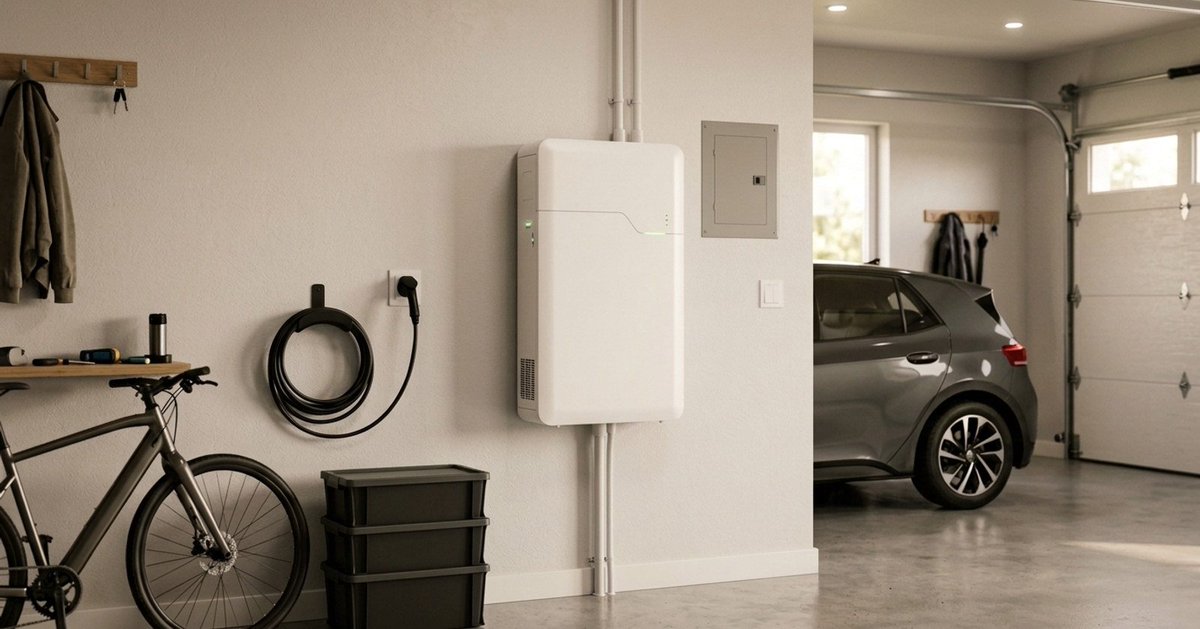
Do you actually need a battery with your solar? Honest answer: it depends. If you want backup power when the grid goes down, or you are on a time of use rate, a battery can be worth every penny. If you only want to lower your bill, you might not need one at all. We walk through when it makes sense and when it does not: /