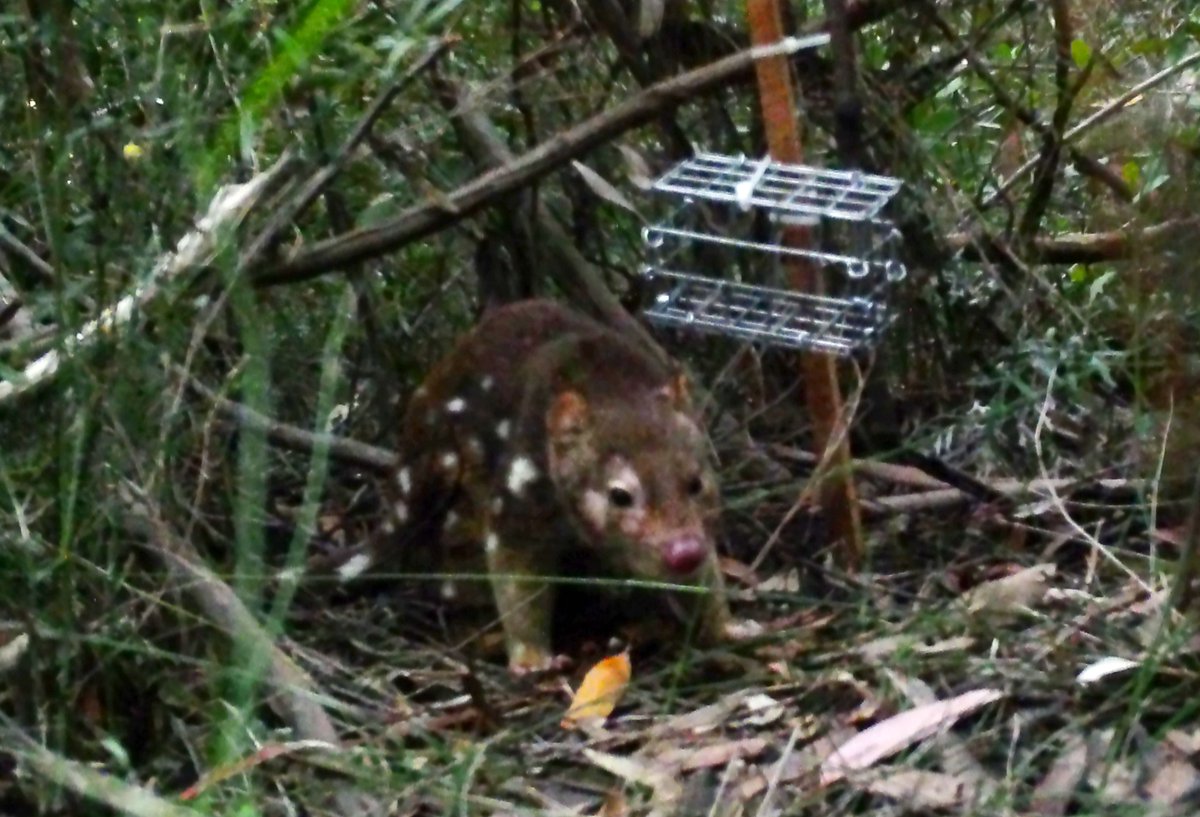
PhD candidate researching spotted-tailed quolls, an Australian marsupial carnivore. I love all things nature, ecology and especially love carnivore ecology.
Graphic content warning.
#feralcat dissection day.
26 #frogs and one #dunnart in this cat’s stomach.
Support #feralcat management.
Keep your #cat contained!
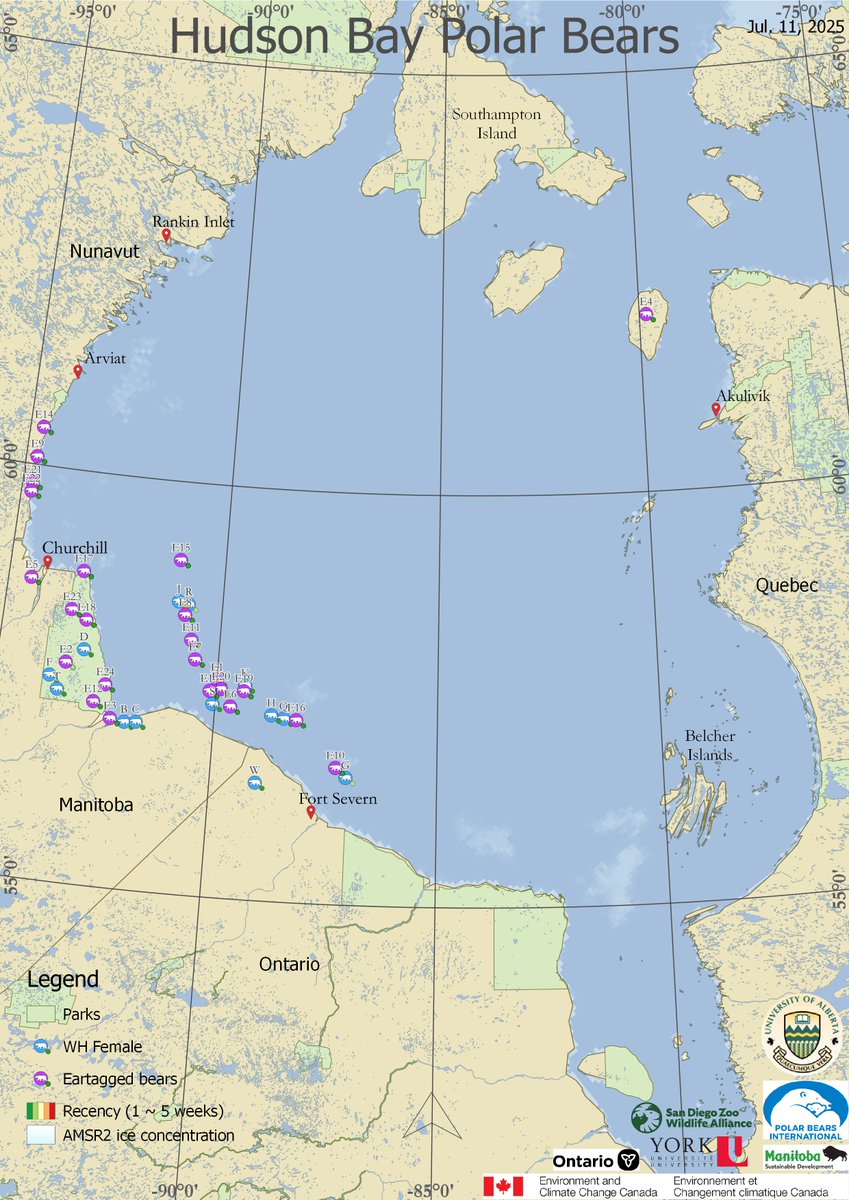
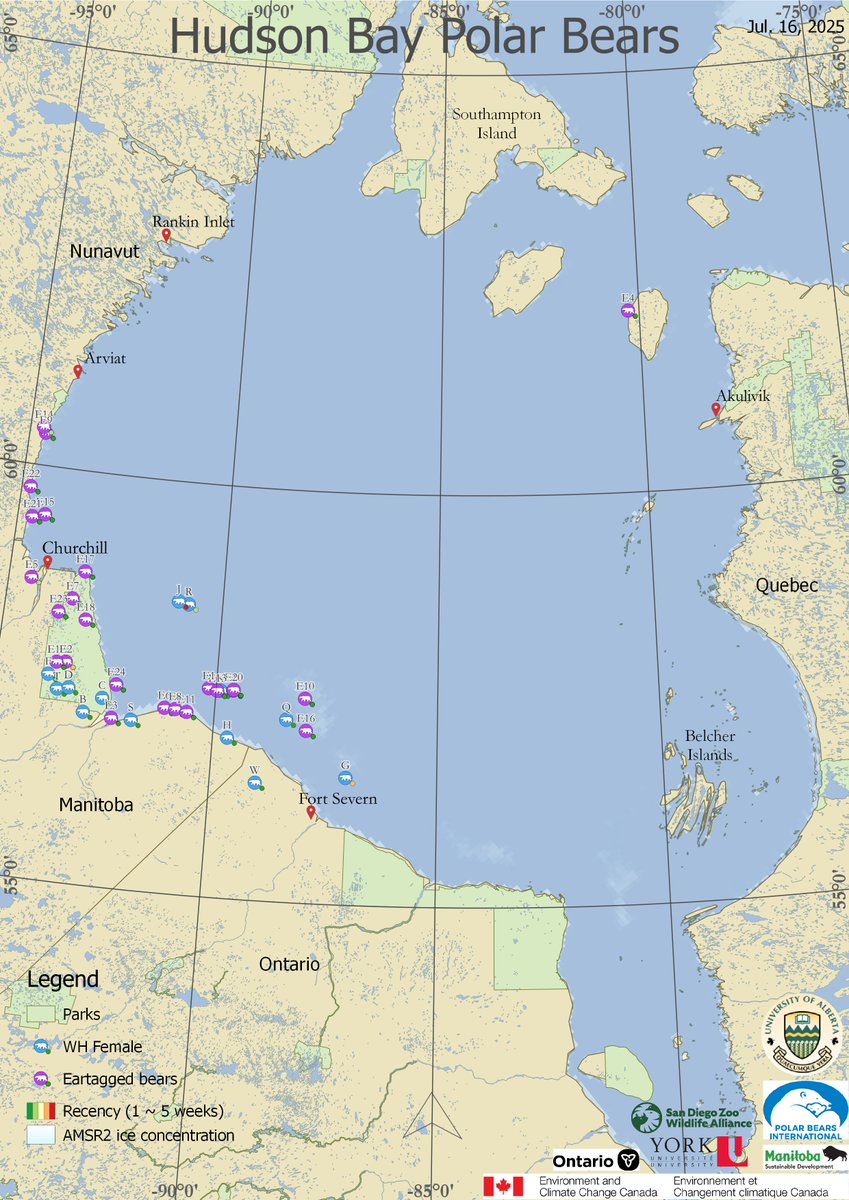
Welcome home (almost all). Western Hudson Bay polar bears are ashore. High variation in onshore dates this year: some early & some late. Increased variation in polar bear ecology with climate change is common. We have a new paper soon showing high variation in pregnancy rates.
It's very unusual to see polar bears still out on so little sea ice. This is a change in behaviour compared to the past when 30% ice cover meant heading for land. Perhaps the hunting is still good? Perhaps they need to fatten more? Maybe they found a few solid bits of ice?
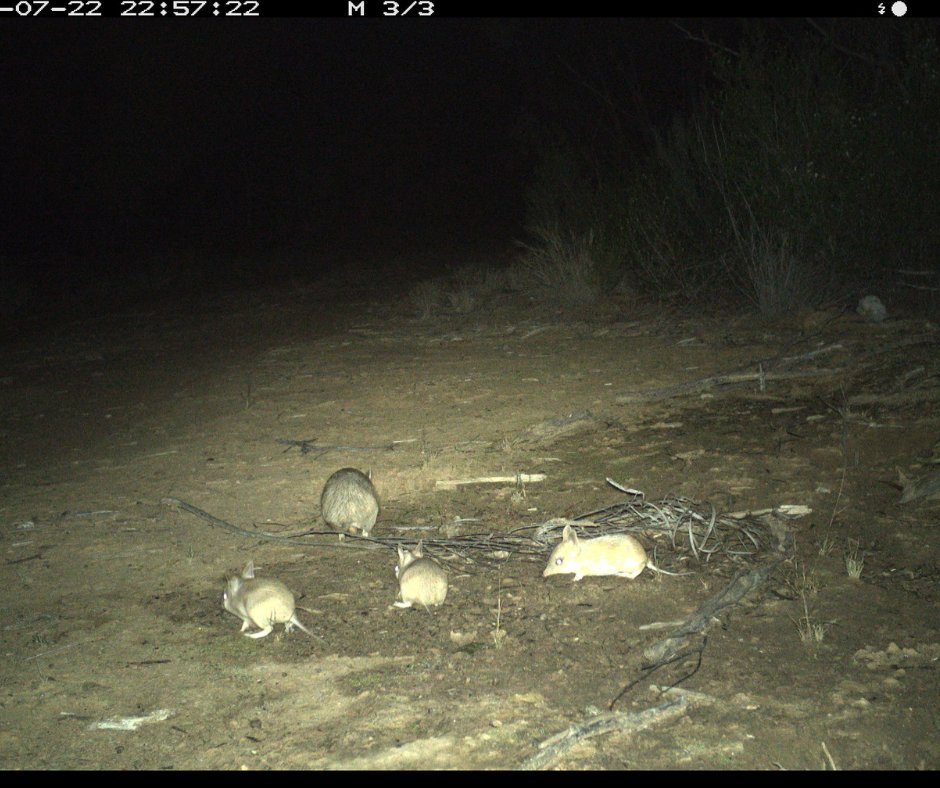
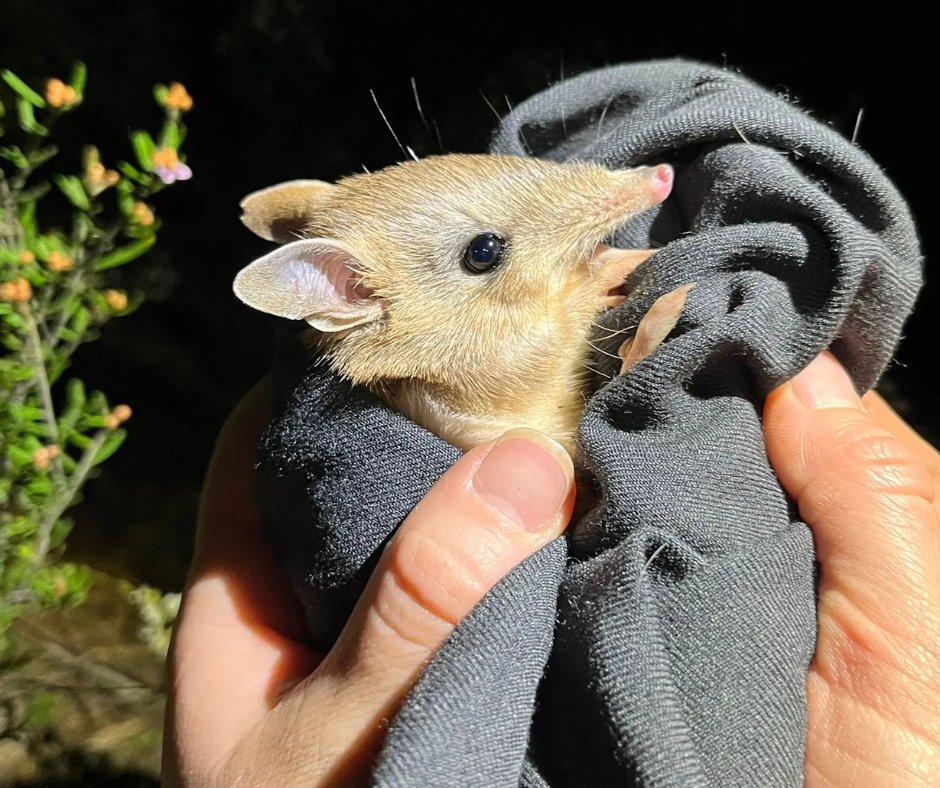
A family of Shark Bay Bandicoots were photographed in the Pilliga State Conservation Area, almost two years after the species was reintroduced by AWC with NSW National Parks and Wildlife Service. Read more 👉 https://t.co/tpSogcbIvY 📷 H Charlton-Howard, B Leue/AWC
Some Hudson Bay polar bears STILL out on the last bits of sea ice. It's an interesting change in behaviour to have the bears out on so little ice. There's a reason for it: seals. No chance of a seal on land. Must be naive seals that come near the last ice.
Woylies (Brush-tailed Bettongs) have been released OUTSIDE the feral predator-free fence at Mt Gibson Wildlife Sanctuary in WA.
The is the first predation-size species to make the move in an attempt to reestablish populations beyond the fence.
More 👉 https://t.co/kytqCZySKe
Hello fluffy kitty.
This #feralcat (and relatives) always stand out in winter.
Might look soft but that doesn't help the native animals it kills every day / night.
Hudson Bay polar bears are hanging on to the last bits of sea ice in 2025. In the past <30% ice & bears were heading ashore. It appears the bears are now somewhat more flexible in their behaviour & staying out longer. Perhaps by necessity as they were lean this spring?
Svalbard is losing sea ice faster than any other polar bear population but because of the huge continental shelf and high ecosystem productivity, the bears are doing OK. Habitat loss is changing their distribution & major impacts are coming but not yet in a big way.
Hudson Bay polar bears are coming ashore. It’s an early break up. When I started studying the bears here in 1984, some stayed out on the ice until August. They use 1 kg of stored energy per day so the ice-free period is a key factor in their success.
When the photographer’s away, the bobcats will play! 🐾 📸 A supporter caught this playful family on a trail cam after noticing something messing with their photography blind. No one was inside—just how elusive bobcats prefer it! #TrailCamThursday
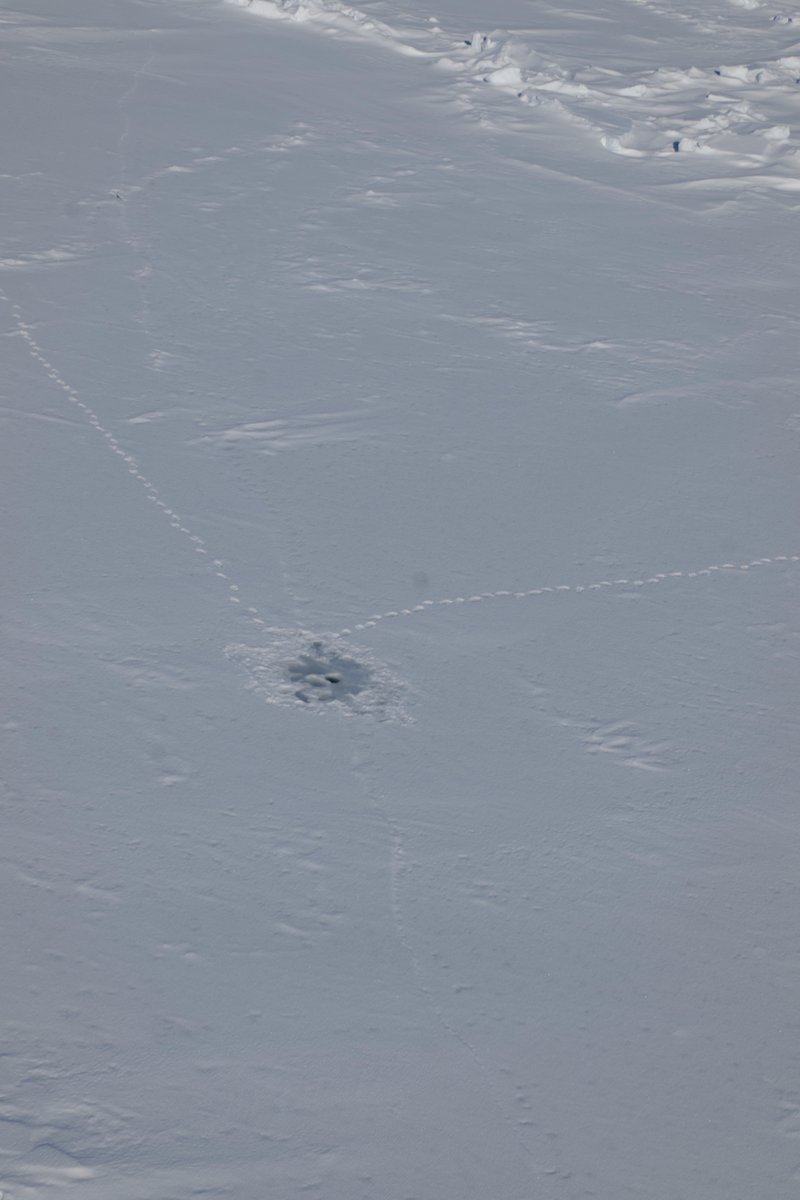
Not worth waiting. Polar bear tracks lead up to a ringed seal haul-out hole in Hudson Bay but this bear, likely based on the scent, decided it wasn't worth waiting. Bears must be able to assess how fresh the use is (seals smell pretty strong: especially breeding males).
US polar bear research will almost stop with these cuts. Some of the top polar bear scientists are with USGS. At a critical time in polar bear conservation, losing the long-term projects & research in Alaska would be devastating & ripple across the Arctic.
https://t.co/afIQCDyWYn
#Wildlife
Three glorious minutes of pure joy not thinking about tariffs.
A diva at half way point is a highlight, and it ends with a bit of vandalism...
Tell me which part you like best.
Filmed in Voyageurs National Park, Minnesota.
10 years ago, a #deer sighting near this site would have been news. Now we are seeing groups regularly. Hunting (alone) would not overcome this, but integrating private land hunting with professional control and efforts to develop new management techniques could reduce impacts.
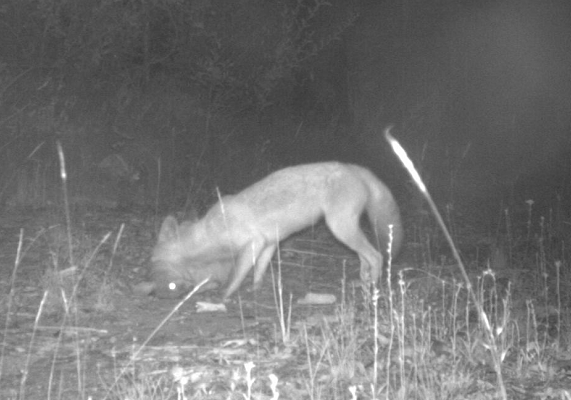
It might not be immediately obvious but this is a #fox killing a #paddemelon We don't often detect these sweet little macropods at our high altitude sites. 😭
This gorgeous video was shared by our new #LandforWildlife members, Laurie Goldsworthy & Kristina Nicklason at Western Creek. Our Dr Dave Hamilton believes this is likely a litter of #easternquolls playing together near their den. Eastern quolls can have up to 6 in a litter, so their #mum has done brilliantly!