Educator trainings are available in-person throughout the year in the US and Canada. Please contact your local Project WILD Coordinator for times and locations. Visit https://t.co/sD0Ms7NFoQ, and click on the "Get Training" button for more information.
Ingested chemicals move up the food chain in this game of toxic tag! In #ProjectWILD's "A Dire Diet" activity, students search for food as different animals in a food chain to analyze the possible consequences of pesticide accumulation in the environment.
Plan ahead Texas educators! Make 2027 the year you join the WILD Ones and learn how to use #ProjectWILD activities in your classrooms and other education programs. Phil Hardberger Park Conservancy is hosting a workshop on January 20.
How can you help keep the plastic out? Students monitor plastic waste in their own households, learn about its effects on marine life, and propose ways to mitigate the problem in the "Plastic Voyages" activity found in the #AquaticWILD guide.
This #GISDay have your class put precipitation, veg, & wildlife on the map! #ProjectWILD's "Raindrops & Ranges" has students construct digital maps depicting data on wildlife species in their state/region. Analyze data to determine relationships among living & nonliving elements!
Do your students know fire can be helpful to wildlife? In the #ProjectWILD activity "Smokey Bear Said What?," students create a mural to illustrate an ecosystem before, during, and after a fire.
#NationalRecyclingDay is this Sunday, November 15! Check out activities like #AquaticWILD's "Plastic Voyages" and #GrowingUpWILD's "Less is More" to raise your students' awareness of the importance of recycling.
Who is communicating the truth and nothing but the truth? In the #AquaticWILD activity "Facts and Falsehoods," students analyze and evaluate print material according to criteria they establish for a strong presentation about an environmental topic.
In #GrowingUpWILD's "Spider Web Wonders," children learn about spiders and spider webs in an engaging way! Your little ones will enjoy creating a spider and a spider home, singing songs like "Little Spider Weaves a Web," and more.
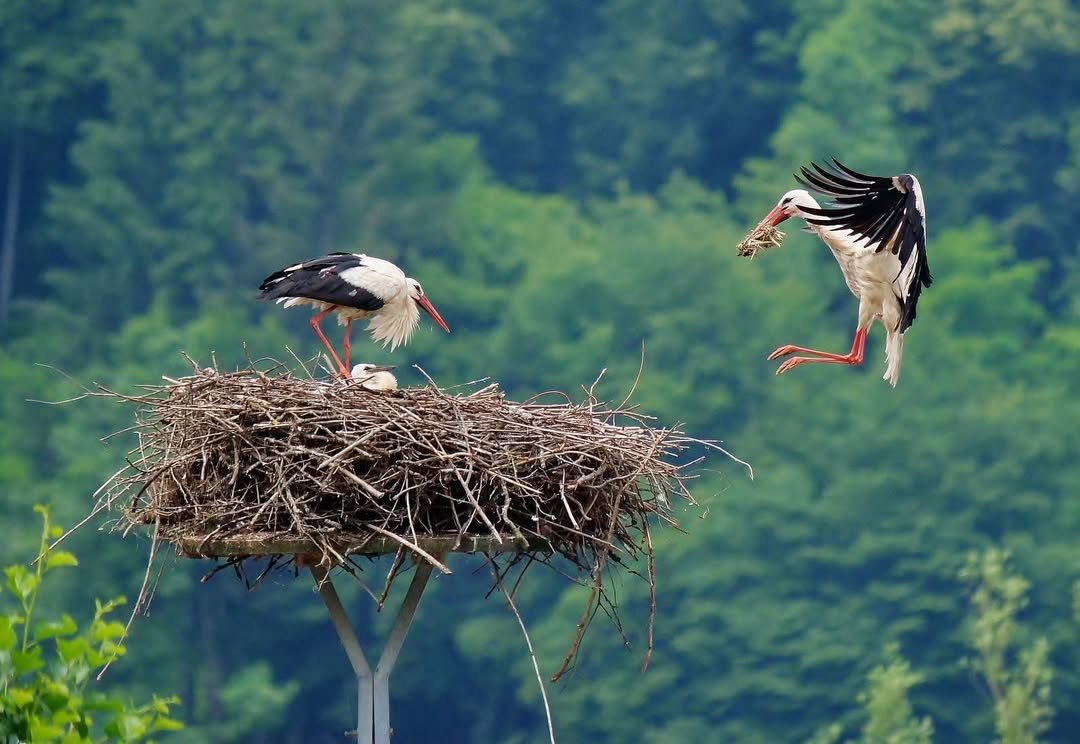
Who's doing good things for birds in your community? In #FlyingWILD's "Bird Heroes" activity, students identify, research, and write about local people who have contributed to the conservation and health of their community's birds and bird habitats.
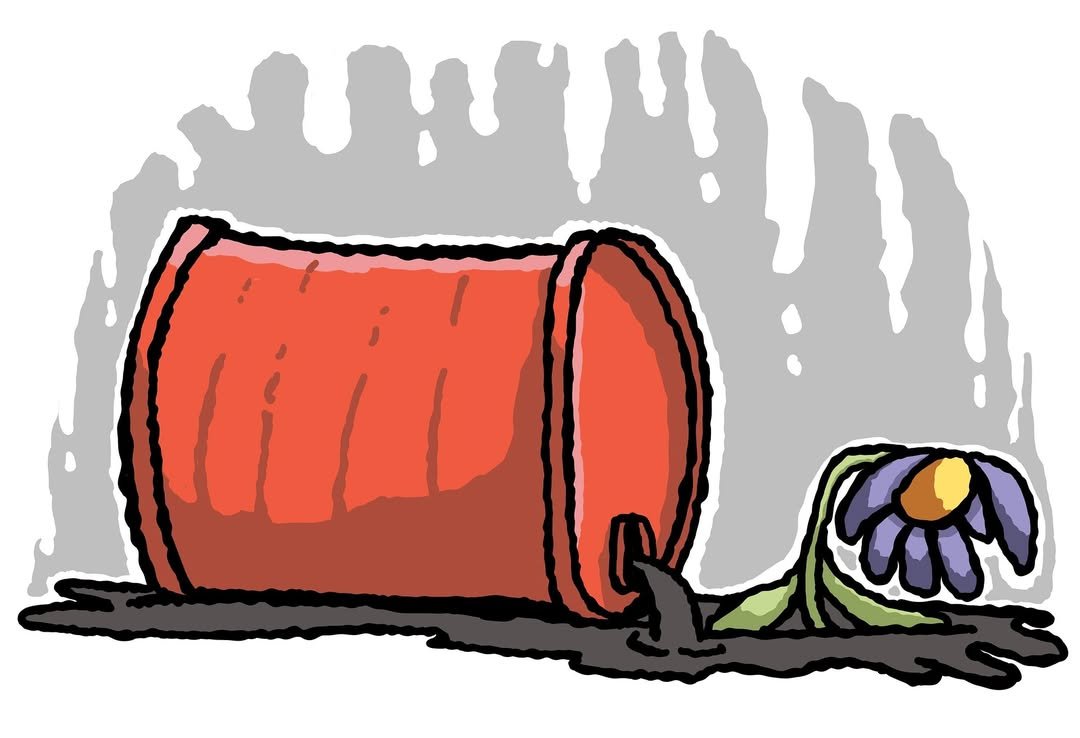
How do oil spills affect birds? "No Water off a Duck's Back" is a #ProjectWILD activity that has students conduct an investigation to study the effects of human-induced pollution on wildlife.
🦇 Happy #BatWeek! 🦇 For those who enjoy the occasional margarita or tequila with your Tuesday tacos... DYK- bats are the primary pollinator of the agave plant used to make tequila!? Cheers!🍹
Attention, Ohio educators! Check out the State Wildlife Action Plan (SWAP) #ProjectWILD, #AquaticWILD, and #GrowingUpWILD workshops happening in Ohio in December. All educators are welcome to learn activities about the state's Species of Greatest Conservation Need (SGCN).
Did you know as you ramble along a river that you're experiencing a riparian zone? In #AquaticWILD's "Riparian Retreat" activity, students develop an awareness of a riparian zone through a simulated field trip and artwork.
What do ants most like to eat? In the #GrowingUpWILD activity "Ants on Parade," children go outside to observe ant behavior and learn insect characteristics. Your little ones will enjoy making big ant eyes, singing 'Head, Thorax, Abdomen,' acting as an ant colony, and more!
Need a way to teach your students about adaptations? #FlyingWILD's "Bird Behavior Scavenger Hunt" activity has students observe various behaviors of birds and learn their function. Explore behavioral adaptations including migration, courtship, preening, flocking, feeding, & more!
Enrich students this #NationalChildrensMonth w/ #GrowingUpWILD curriculum guide, a nature-based early childhood program. Connecting kids to nature helps them handle challenges, act responsibly toward the earth & each other, be more active, choose science related careers, & more!
What animals do your little ones think of as spooky? Try the #GrowingUpWILD activity "First Impressions" to have them share how they think and feel about animals - even scary ones! Don't forget to include singing the "Scary Animals" song!
How do available freshwater resources amount to just a few drops in a bucket? In #AquaticWILD's "How Wet Is Our Planet?," students calculate water vols using percentages. A fun math lesson that teaches concepts like the water cycle & freshwater, saltwater, & groundwater.
In #GrowingUpWILD's "Show Me the Energy" kids discover that all animals, including people, depend on plants as a food source. Get your kids outside as Food Chain Detectives in the 'Take Me Outside' section, sing songs like "Snack, Snack, It's a Fact!," & more!