Educator trainings are available in-person throughout the year in the US and Canada. Please contact your local Project WILD Coordinator for times and locations. Visit https://t.co/sD0Ms7NFoQ, and click on the "Get Training" button for more information.
Want your students to learn more about conservation? In the #FlyingWILD activity "Teaming Up for Birds," your students will research wild bird conservation organizations and create a plan to form one of their own!
https://t.co/xIvQik9NlT
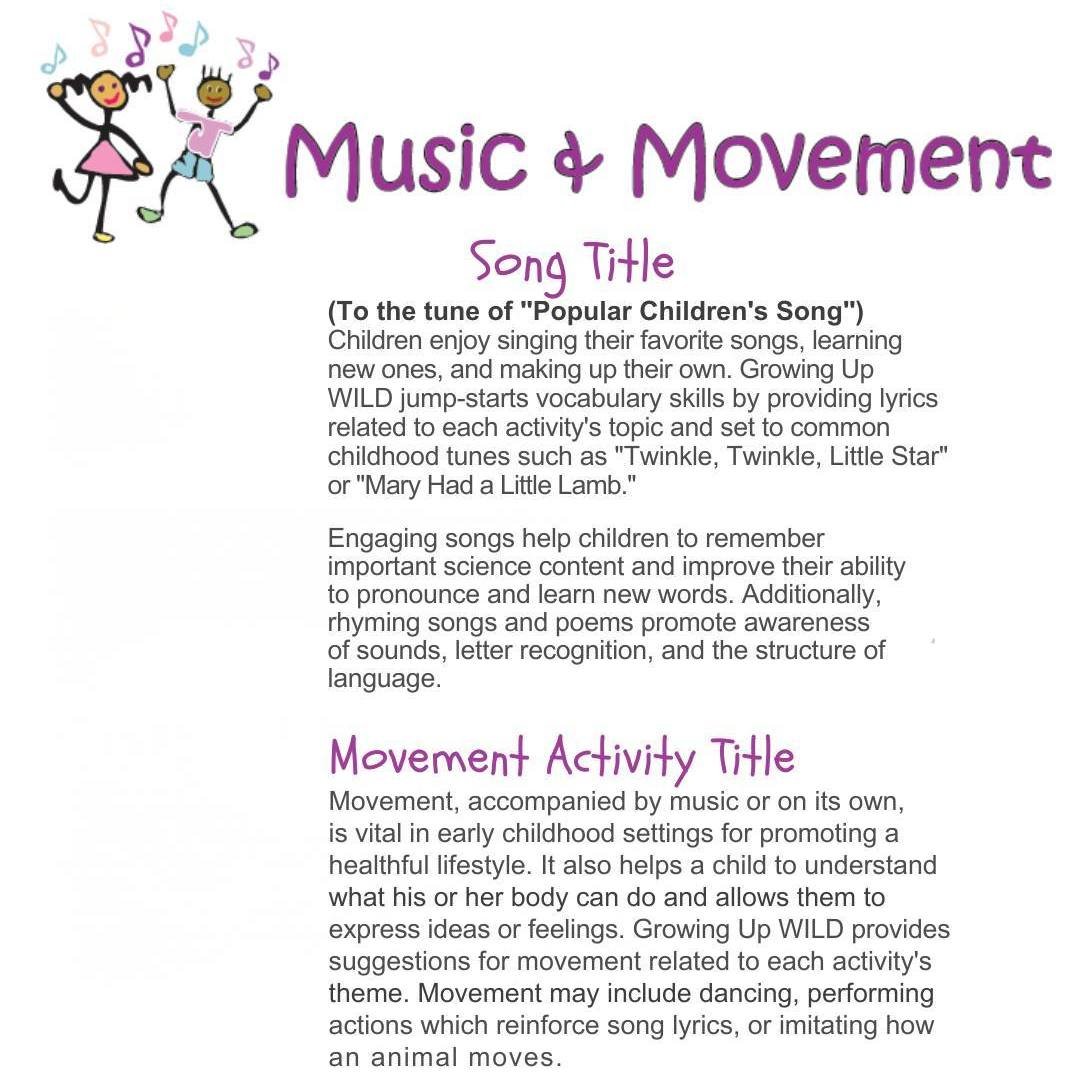
For teachers with younger children, our #GrowingUpWILD guide has activities like "First Impressions," "What's Wild?," "Spider Web Wonders" and "Ants on Parade" that are perfect for little ones to develop their understanding of animals.
https://t.co/PY1ZpfabJI
Oct is #WorldAnimalMonth, & our guides are full of activities to help students appreciate the importance of animals! Try #ProjectWILD's "Oh Deer!," "Eco-Enrichers," & "Turkey Tallies" activities; or, check out #AquaticWILD's "Are You Me?" & "Water Canaries" activities.
Happy #WorldHabitatAwarenessMonth! The #ProjectWILD guide is full of activities to raise your students' awareness of the importance of habitats. Check out activities like "Environmental Barometer," "Habitat Heroes," "A Home Away from Home," "HabiCache," & more. Get WILD!
For more information and the registration link to Conservation Learning Campus, please visit https://t.co/aaWPDrfhER and click on "Online PD Courses for Educators."
WILD About Bears is now open! Register for Project WILD's latest online professional development course to learn more about the bears of North America and ways to get your students excited about these smart and curious mammals.
Target audience: Formal and non-formal educators who teach students in grades 3-8
In this 3-hour self-paced course, you will learn more about the bears of North America and how to implement the #ProjectWILD activity “Limiting Factors: How Many Bears?”
#GrowingUpWILD"s activity "Backbone Bonanza" has children learn about the five kinds of vertebrate animals. Your little ones will enjoy singing songs like "I'm a Little Vertebrate," making toad houses in the 'Helping Hands' section, and so much more!
What can the shape of a bird's beak tell us? Why do some birds have colorful feathers and others don't? Design and construct birds in the #FlyingWILD activity "Adaptation Artistry" to learn about the importance of adaptations to birds.
Want to learn more about ticks & disease? Check out #ProjectWILD's "WILD and Healthy Outside: A Tick Trek Adventure." In this 3-hour course, you will learn about vector-borne diseases & take a closer look at ticks, their life cycle, and ways to prevent tick-borne diseases.
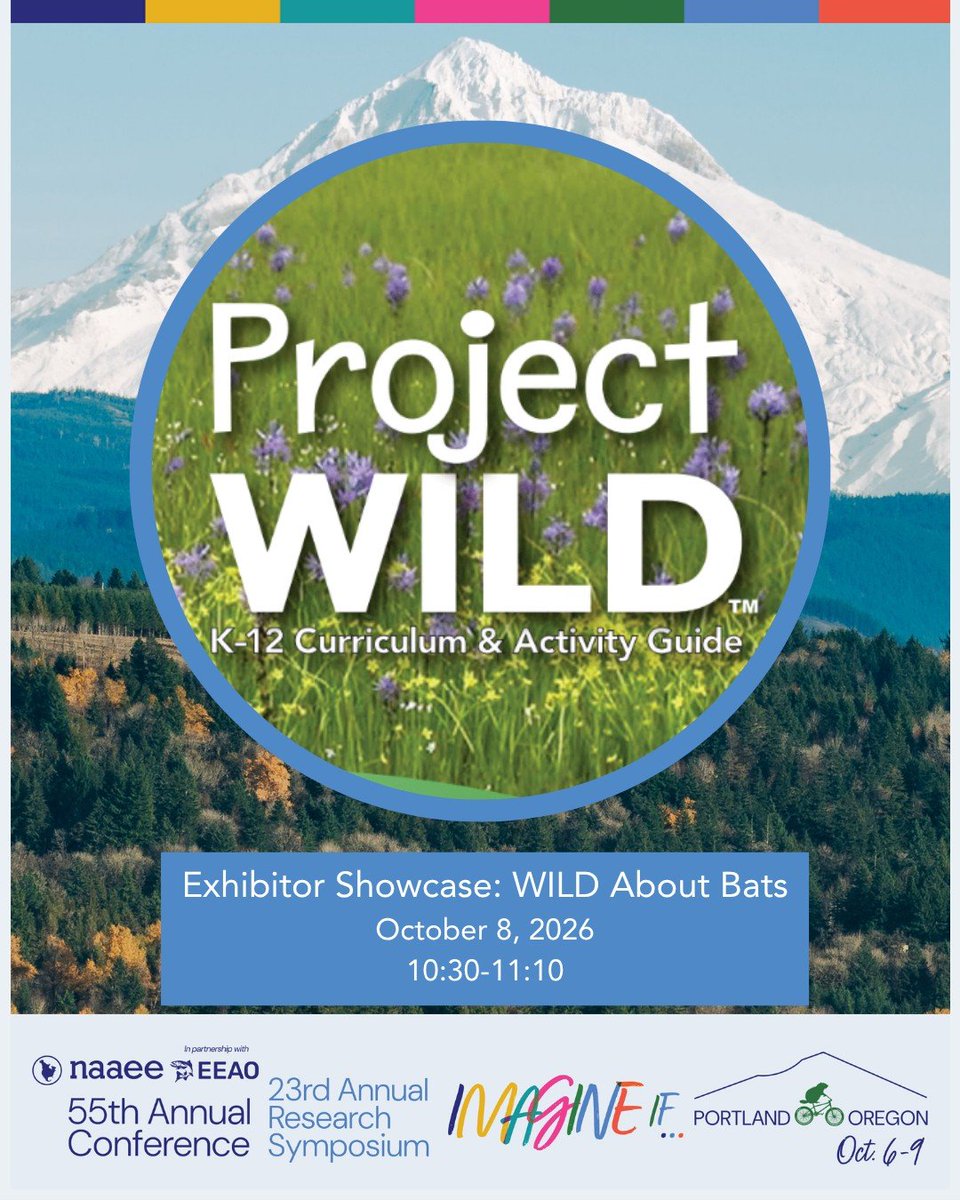
@TheNAAEE The theme for this year’s conference is “Imagine If…,” and it’s a great invitation to think creatively about the future of environmental education & the possibilities that emerge when we all collaborate.
Register for #NAAEE2026 today: https://t.co/hsyp3M1u4x.
@TheNAAEE@TheNAAEE Exhibitor Showcase:
#ProjectWILD will be presenting WILD About Bats on Oct 8 from 10:30-11:30, where we’ll be having fun learning about our only mammal that can truly fly!
WILD About Bears:
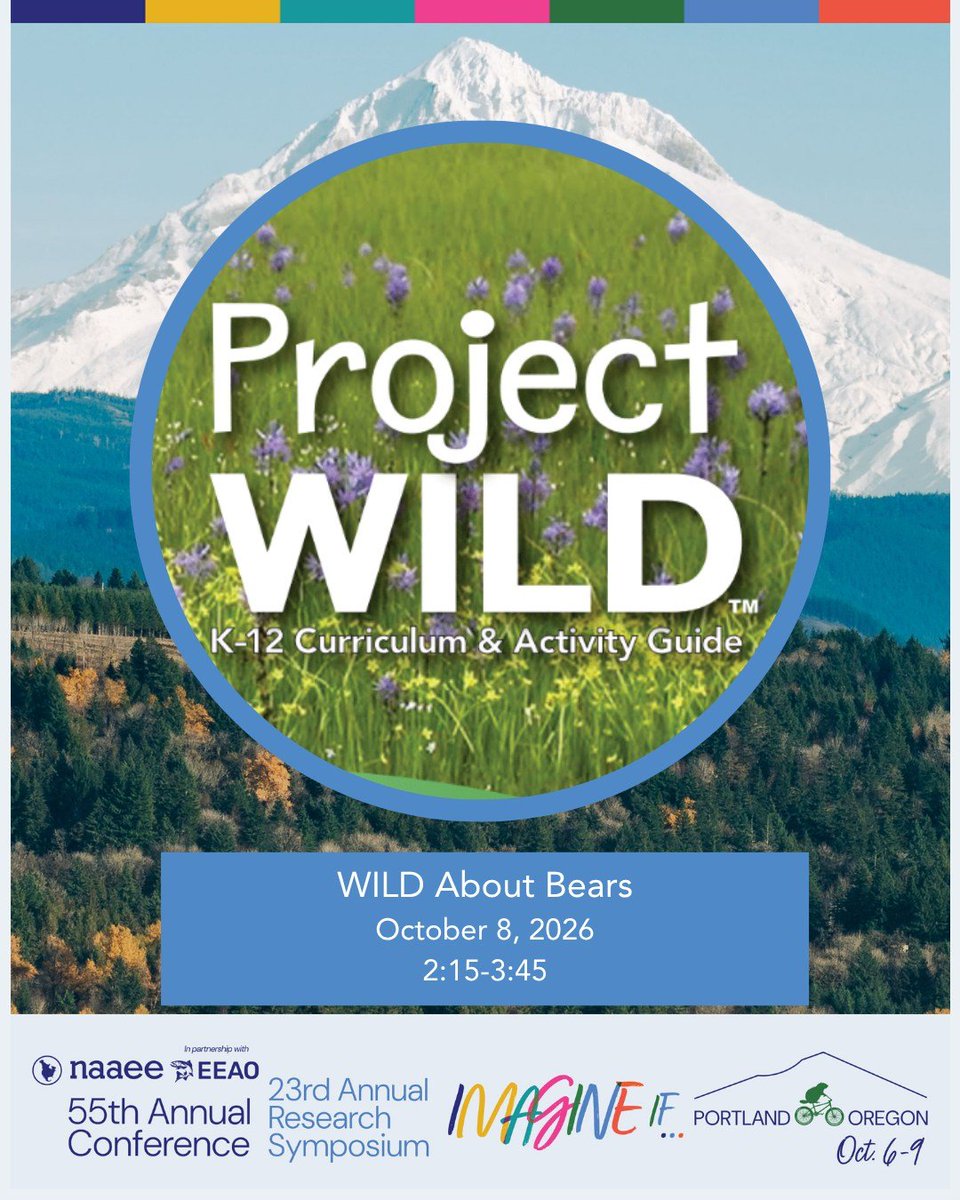
#ProjectWILD will be presenting WILD About Bears on Oct 8 from 2:15-3:45pm
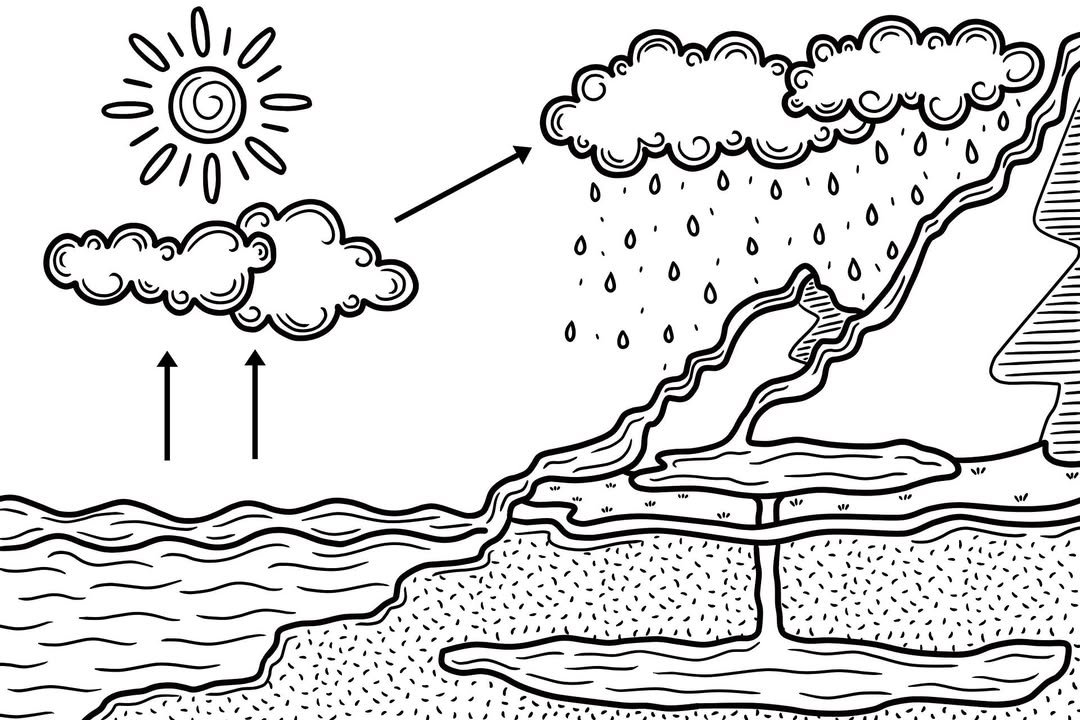
Imagine where water can take you! #AquaticWILD's "Water Wings" activity has students visualize a simulated field trip and then create artwork and poetry. This is an engaging lesson to illustrate the water cycle and the importance of water to people, plants and animals.
What is a habitat? What happens if an animal does not have enough food, water, shelter, or space? Your students will find out the answers to these questions and more in the #GrowingUpWILD activity "Oh Deer!" Kids will have fun acting as deer in this physical activity.
Birds have inspired artists all over the world with their colorful plumage and fanciful flight. In the #FlyingWILD activity "Avian Art," students discover connections between birds, art, and culture. Enjoy seeing the bird-inspired art your students create!
Discover the things you don't see that are right before your eyes in #ProjectWILD's "Learning to Look, Looking to See" activity! Your students will develop their senses and observation skills.
Check out #AquaticWILD's "Plastic Voyages," which has students monitor plastic waste in their own households, learn about its effects on marine life, & propose ways to mitigate the problem. For young children, try the "Less is More" activity found in the #GrowingUpWILD guide.
Tomorrow (Sep. 19) is International #CoastalCleanupDay! Teach your students about the plastic pollution our oceans face. How can you help keep the plastic out?