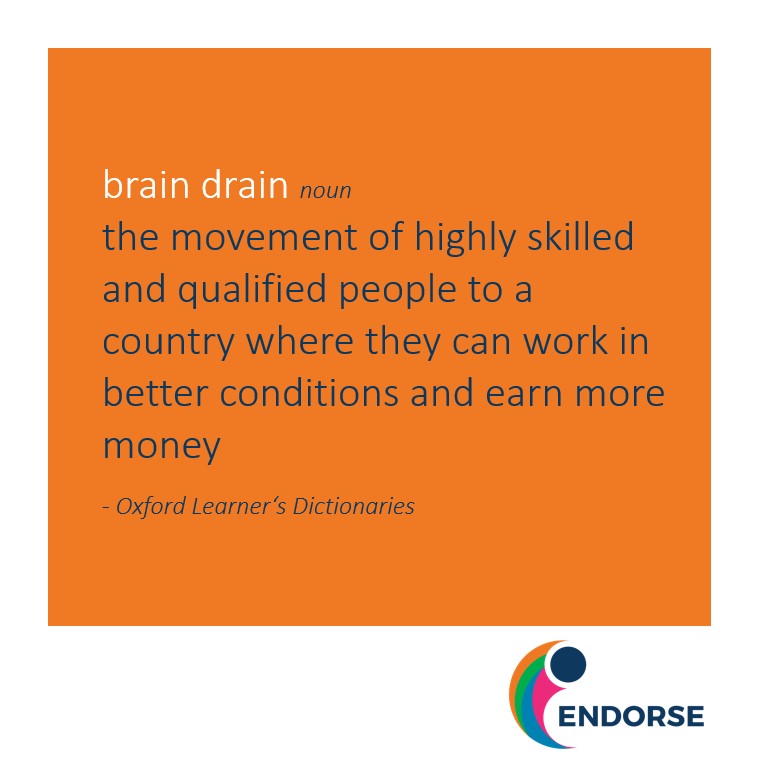
We are delighted that our invitation to the online conference was accepted by participants of 15 countries, amongst them Kenya and India!
We had stimulating conversations and valuable suggestions for further improving the material. Thank you for being there and stay tuned!
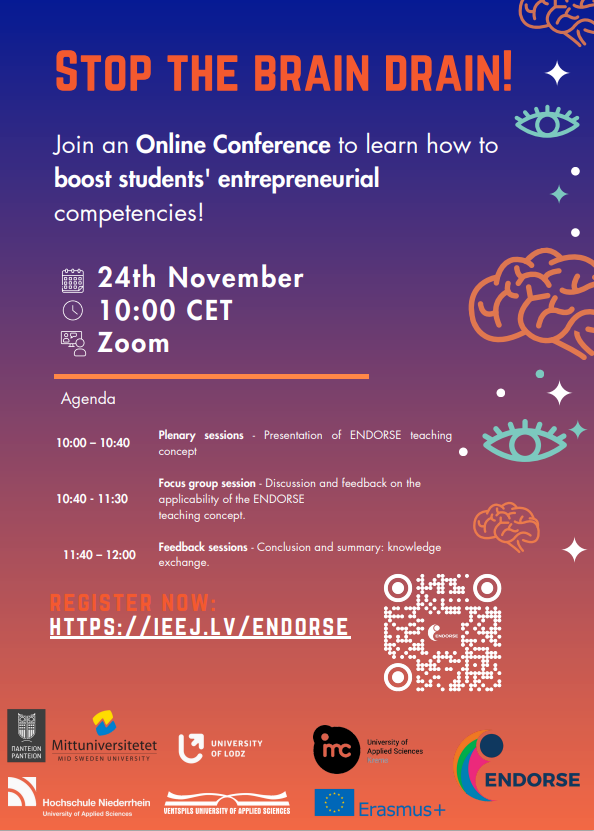
Tune in November 24th for our exciting webinar to learn more about European brain drain regions and our teaching material that we developed in order to combat the loss of talent! 🇪🇺🧠 We are looking forward hear your opinion on our material!
Please register with the link below!
Tune in November 24th for our exciting webinar to learn more about European brain drain regions and our teaching material that we developed in order to combat the loss of talent! 🇪🇺🧠 We are looking forward hear your opinion on our material!
Please register with the link below!
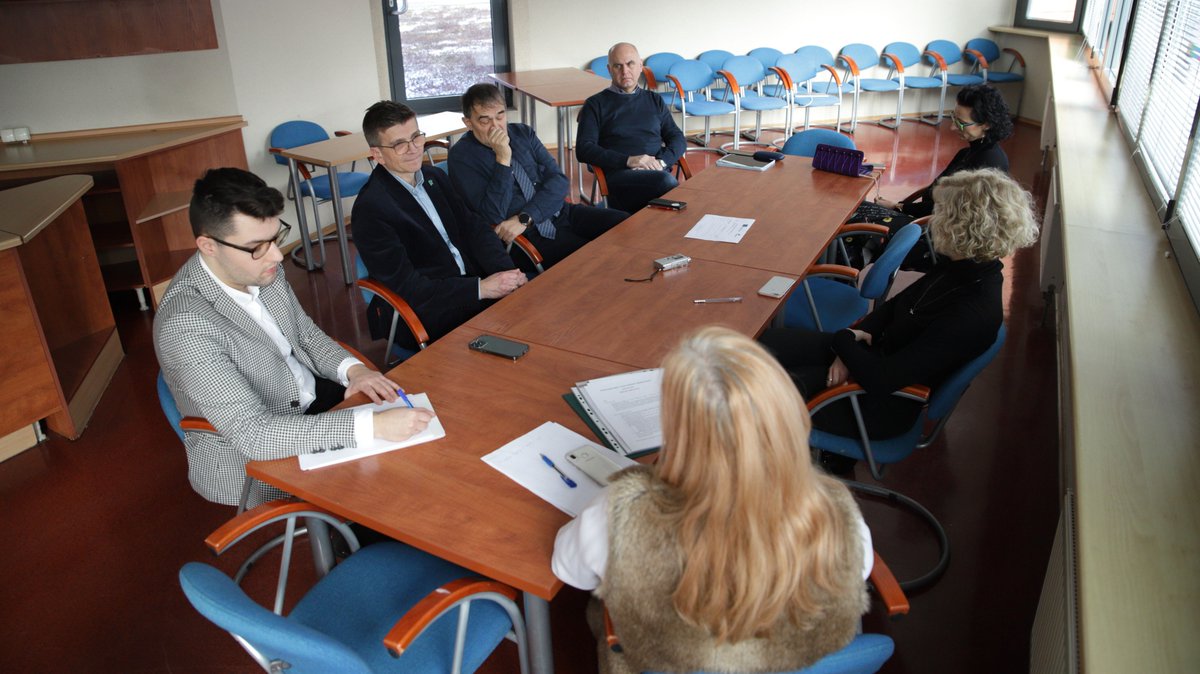
The round tables were concluded at the @imc_krems on 24.01.2023. Fifty people consisting of students, teachers & other stakeholders such as local entrepreneurs and members of politics shared their views, experiences and insider tips about business start-ups & the location Krems
Some impressions from our Round Tables held by our Polish partner University of Lodz and researchers Maciej Turała, Małgorzata Żak-Skwierczyńska and Justyna Danielewicz on 8.12.2022. As many as 45 particpants showed up to discuss current regional challenges and possible solutions
The 2nd round table was hosted by @VpilsAugstskola on 29 Nov 23 in Latvia. As in Sweden, participants turned up numerous and brainstormed about particularities, avantages and disadvantages of the region and the university, in particular in relations to entrapreneurial activity.
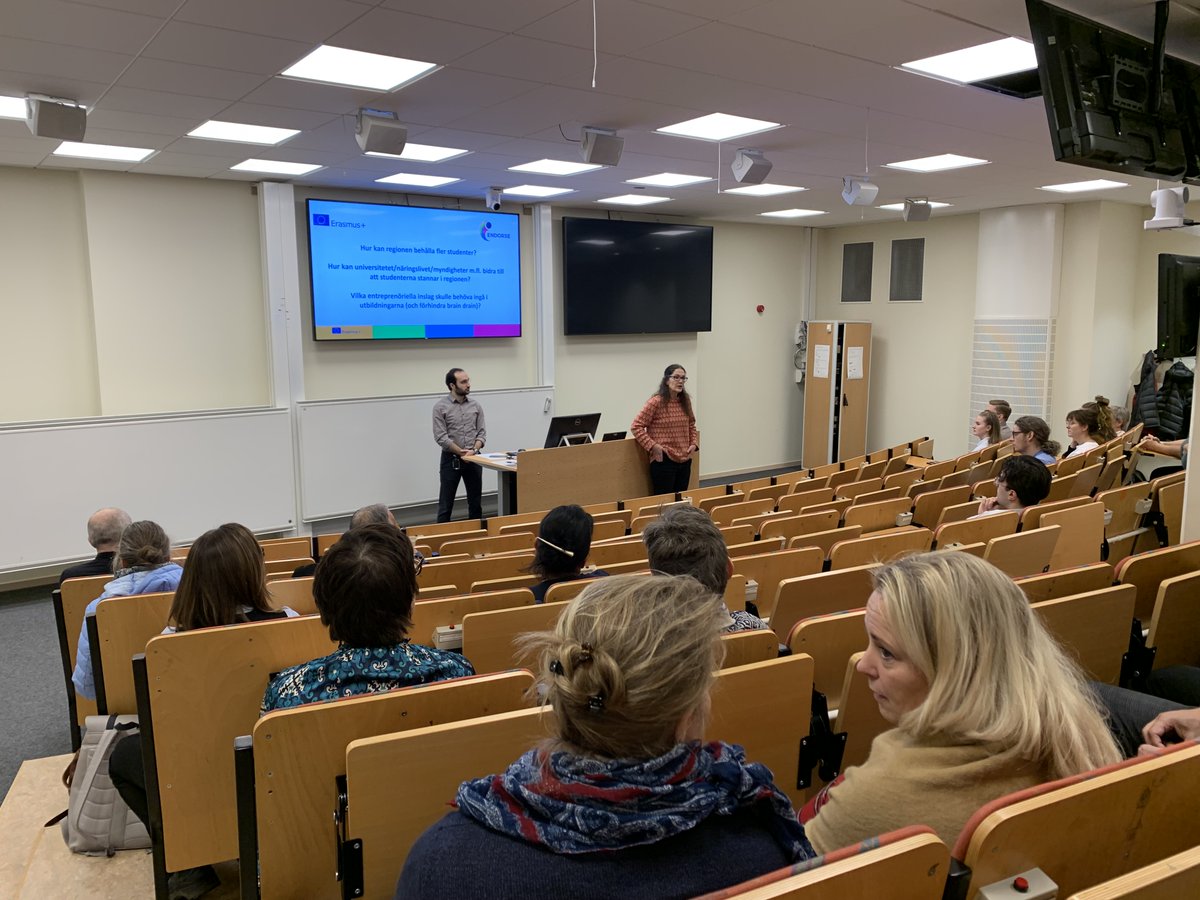
We organized round tables in 4 countries to get feedback on the ENDORSE concept.
Sweden started on November 17, 2022 and received valuable reflections & great input from 40 participants: students, academic staff and local stakeholders shaping the business environment.
327 NUTS3 regions in 24 EU countries were identified as brain drainers. Subsequently, they were classified based on socioeconomic factors, resulting in 4 types of regions.
@imc_krems
@HSNiederrhein
@panteion@VpilsAugstskola@MidSwedenUni@unilodz
Seven German regions have a particularly high university density, with more than 10 located in the region. The Italian region of Lombardy can boast 11 universities and the Belgian province of Hainaut 12.
@imc_krems @HSNiederrhein @panteion@VpilsAugstskola@MidSwedenUni@unilodz
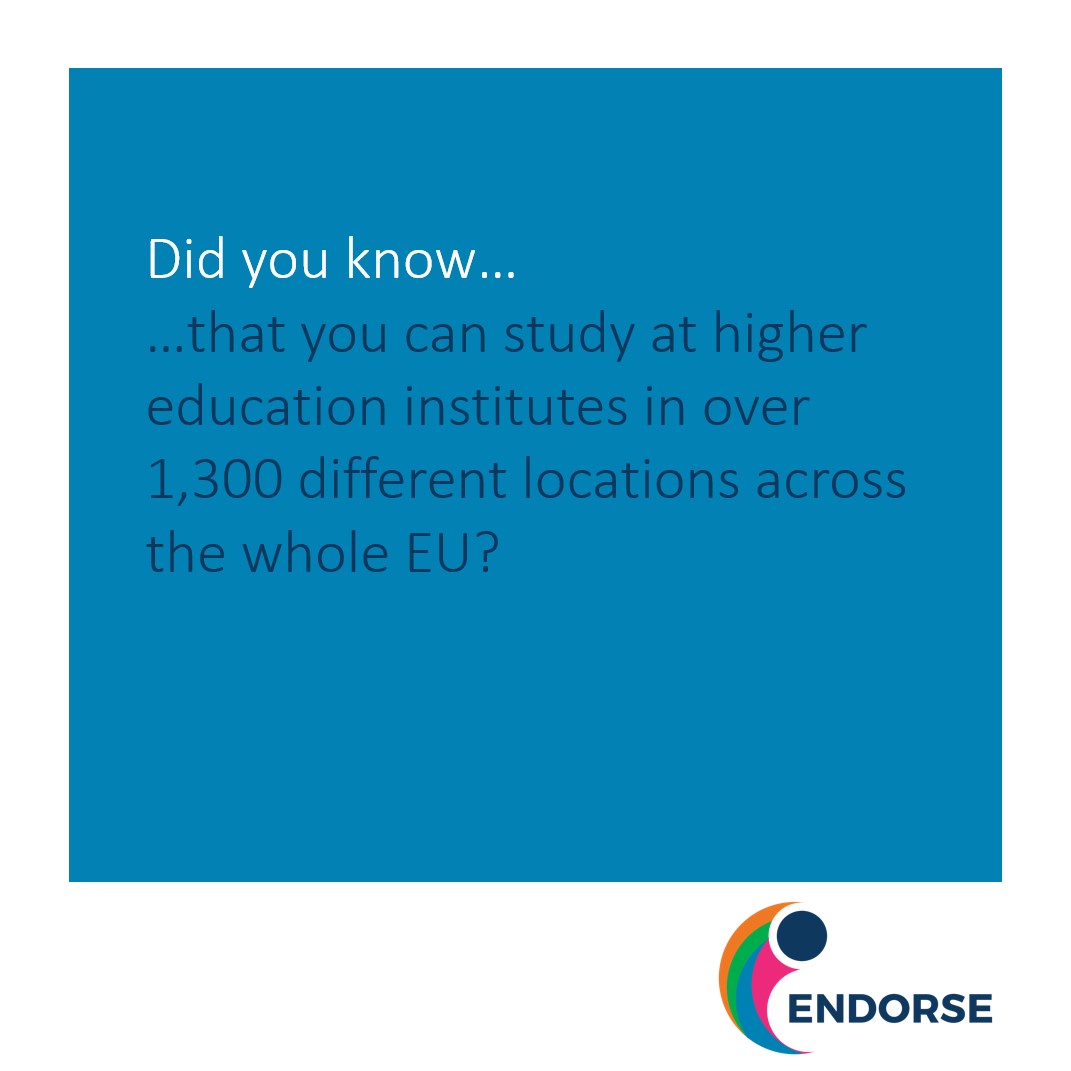
Numerically, the largest EU countries are also those with the most higher education institutions. The top 5 are Germany 🇩🇪 (401), Poland 🇵🇱 (243), Italy 🇮🇹(207), France 🇫🇷 (206) and Belgium 🇧🇪 (150). However, if the number of inhabitants is included, the picture is different.
In Cyprus, for example, there are on average 34,000 inhabitants per university, in Slovenia 40,000 and in Latvia 46,000. The EU country with the largest population, Germany, comes 19th in the ranking, while the eighth largest country, Belgium, reaches fifth place.
Not every location succeeds equally well in retaining graduates. This is mainly due to the different socio-economic conditions that prevail. ENDORSE has taken a closer look, because one thing is clear: there is no "one size fits all" approach to such a wide range of requirements.
Discover, what ENDORSE is all about: ⬇️
Video created by IMC Krems' instructional designer Cornelia Amon, using simpleshow
Participating universities:
@fhkrems 🇦🇹
@MidSwedenUni 🇸🇪
@HSNiederrhein 🇩🇪
@unilodz 🇵🇱
@panteion 🇬🇷
@VpilsAugstskola 🇱🇻